Crayola Crayons: How a simple box of color shaped childhood
From classrooms to kitchen tables, Crayola crayons have defined how generations learn color, creativity, and self-expression. A look at why this humble art tool still matters more than a century on.
Compare prices and availability
Check current prices and availability for this guide on eBay.
As an eBay Partner, we may be compensated if you make a purchase.
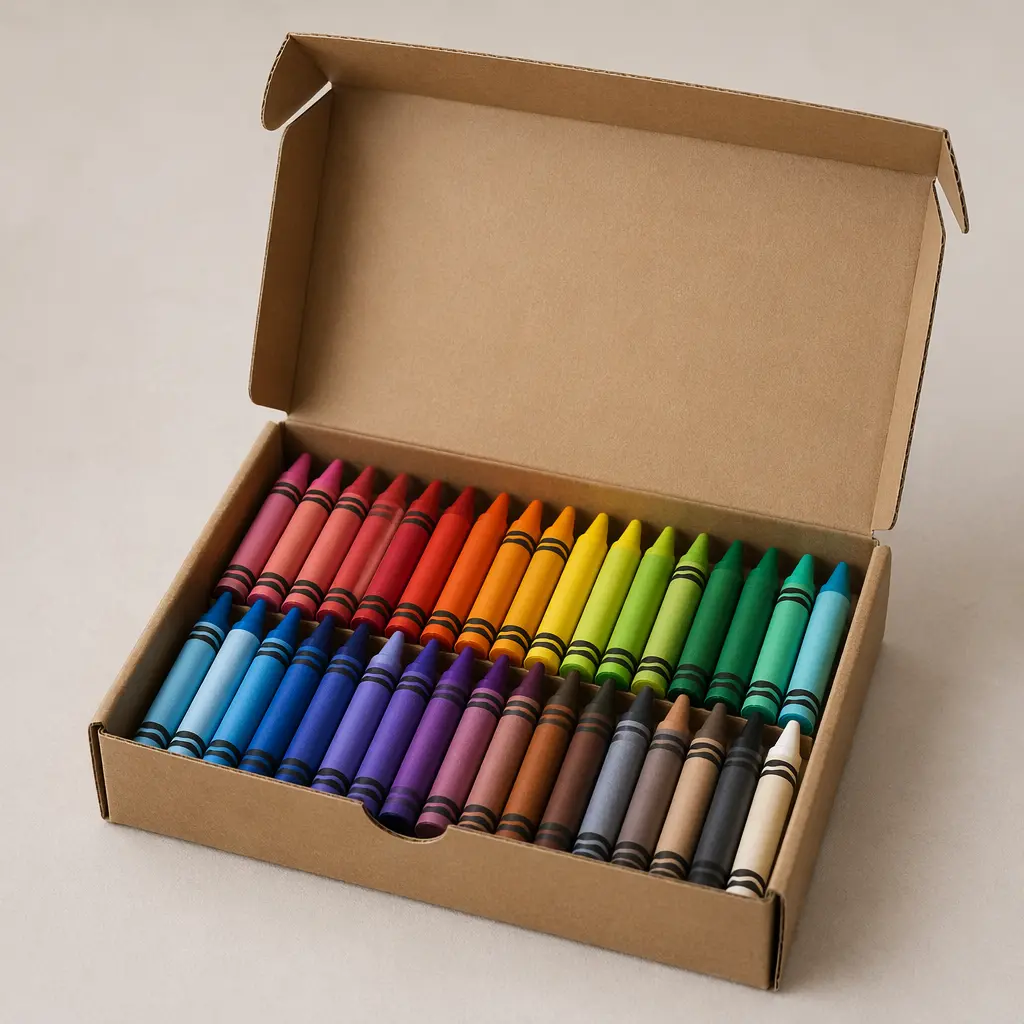
Few toys are as quietly influential as a box of crayons. They don’t beep, flash, or require batteries. Yet for more than a century, Crayola crayons have been a first creative language for millions of children—marking walls, coloring carefully inside lines, and gradually teaching how imagination becomes something you can hold in your hand.
Where it came from
Crayola crayons trace their roots back to 1903, when cousins Edwin Binney and C. Harold Smith introduced an affordable box of eight colored wax sticks. Their family business already made industrial pigments and marking products, but this new idea was aimed squarely at children and schools—a safe, non-toxic alternative to the messy, sometimes harmful art materials used at the time.
The name itself came from a blend of words meaning “oily chalk,” reflecting the wax-based formula. Early educators embraced the crayons because they were durable, inexpensive, and easy for small hands to use. What started as a practical classroom supply quickly became a cultural staple, spreading from schools into homes and eventually into childhood memories across generations.
Why it works
At their core, crayons succeed because they remove barriers between idea and action. You don’t need instruction manuals or adult supervision to get started—just paper and curiosity. The design hasn’t changed much because it doesn’t need to.
- Solid wax construction that resists breaking under normal use
- A size and shape designed for small hands and developing grip
- Bold, recognizable colors that show up clearly on paper
- No drying out, spilling, or setup time
- Immediate results that reward experimentation
Crayons also teach subtle lessons. Children learn color names, pressure control, and even emotional expression through color choice. Unlike digital tools, crayons show every wobble and overlap, reinforcing that creativity is a process, not a polished outcome.
Who it's for
Crayola crayons are typically a child’s first art supply, suitable from toddler age with supervision through the early school years. But their appeal doesn’t stop there. Parents, teachers, and even adults return to crayons for stress-free coloring, crafts, and nostalgic projects. They’re one of the rare toys that feel just as appropriate on a preschool table as in a therapy room or art classroom.
Variants and what to look for today
While the basic crayon remains unchanged, the range has expanded to meet different needs. Boxes now vary from small starter sets to large assortments that introduce subtle shades and color families. There are also thicker crayons for younger children, designed to be easier to grip and harder to snap.
When shopping today, it’s worth looking for crayons labeled as washable or specifically designed for younger kids if mess is a concern. Stick with reputable brands to ensure non-toxic materials and consistent color quality. Very cheap alternatives may look similar but can crumble easily or produce uneven, dull color that frustrates young artists.
Frequently asked questions
Are crayons safe for toddlers?
Most major brands produce crayons that are non-toxic, but crayons are not meant to be eaten. For toddlers, look for age-appropriate options and always supervise use.
Why do crayons still matter in a digital age?
Crayons provide tactile feedback that screens can’t replicate. They help develop fine motor skills, hand strength, and sensory awareness while encouraging open-ended creativity.
Do crayons expire or go bad?
Crayons don’t really expire, but they can become brittle or melt if stored in extreme temperatures. Keeping them in a cool, dry place helps them last for years.
Can adults benefit from using crayons?
Absolutely. Many adults use crayons for relaxation, mindfulness coloring, and creative breaks because they’re low-pressure and easy to use.
More than a century after their debut, Crayola crayons remain a quiet constant in childhood. They endure not because they changed with every trend, but because they never needed to. A simple stick of color still does exactly what it always has: invites a child to make their mark on the world.