Curio Explorer and the New Wave of AI Storytelling Toys
Curio Explorer represents a growing category of AI-powered storytelling toys that mix conversation, companion apps, and cloud services. Here is what parents should understand before bringing one home.
Compare prices and availability
Check current prices and availability for this guide on eBay.
As an eBay Partner, we may be compensated if you make a purchase.
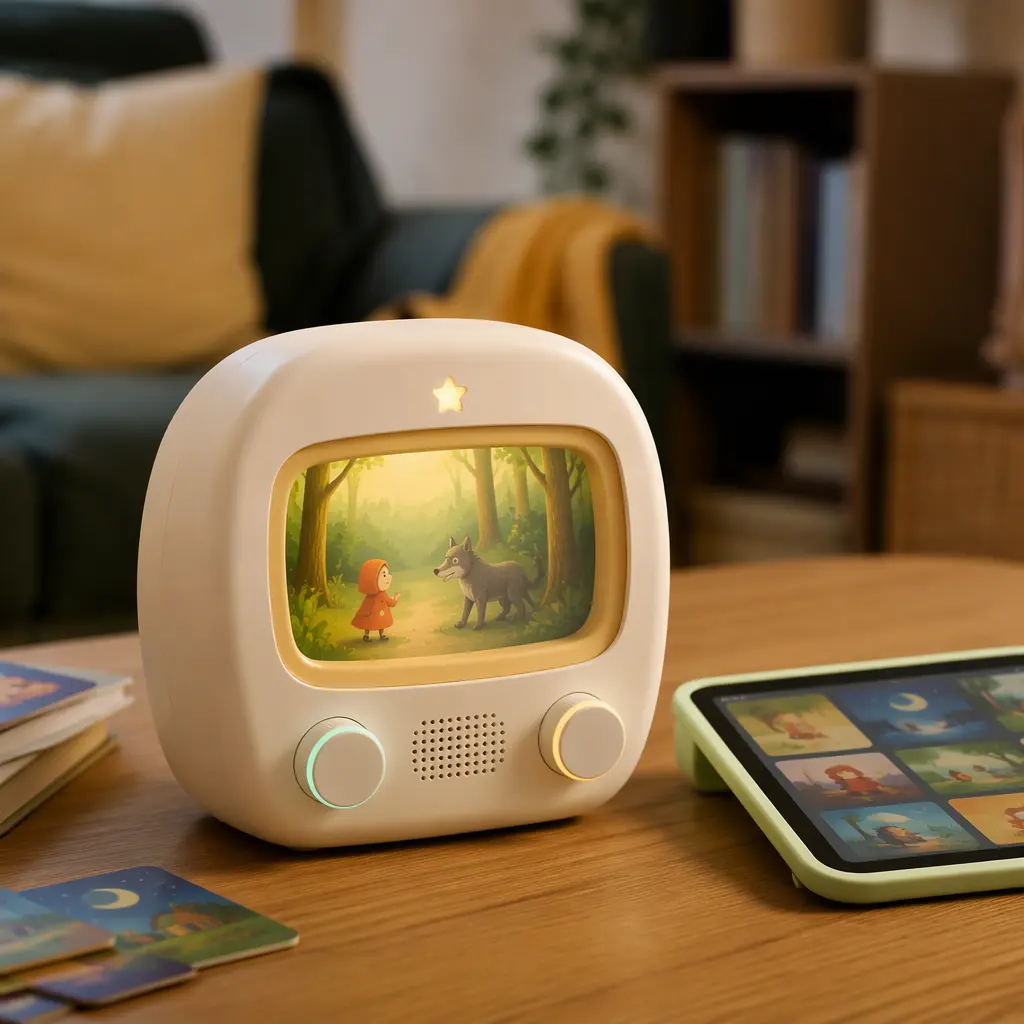
Curio Explorer sits in a fast-growing category of connected toys that blend conversational AI, storytelling prompts, and companion apps into a single play experience. Unlike traditional electronic toys built around pre-recorded phrases or fixed activities, these products aim to create more flexible back-and-forth interaction using cloud-based systems that generate or guide stories in real time. That makes them feel more dynamic, but it also changes what parents need to consider before buying. Internet access, moderation tools, app support, microphone use, and long-term service support all become part of the toy itself.
Where it came from
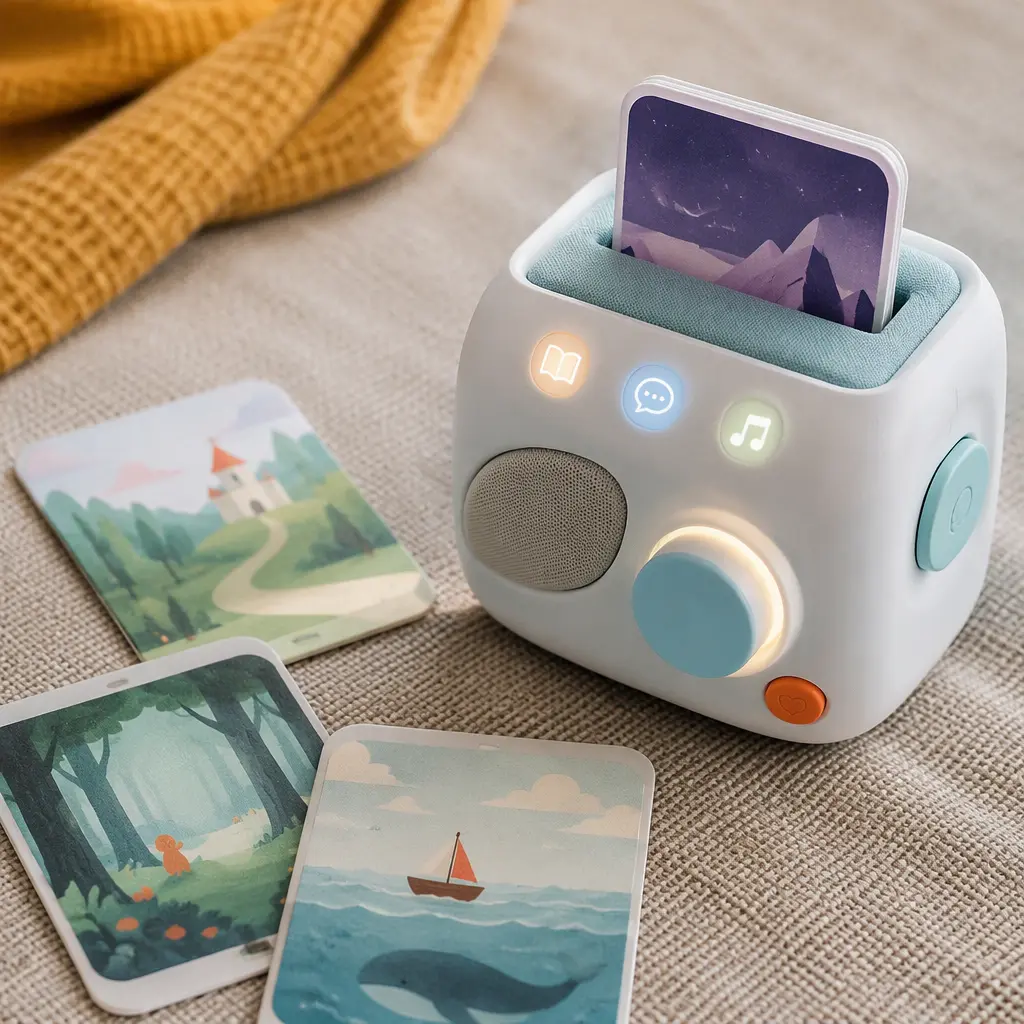
AI storytelling toys emerged from two trends that converged during the 2020s: the popularity of voice assistants and the growing accessibility of generative AI systems. Earlier interactive toys often relied on scripted dialogue trees, motion sensors, or limited speech recognition. Newer products such as Curio Explorer instead depend on remote cloud systems that can interpret prompts, continue stories, answer questions, and adapt responses based on ongoing conversation.
That shift changes the role of the toy. Instead of acting like a self-contained electronic gadget, a connected AI toy behaves more like a service tied to software updates, moderation policies, and companion apps. Manufacturers position these devices as creative play tools that encourage storytelling, role-play, and curiosity. Parents, meanwhile, increasingly evaluate them less like classic toys and more like kid-focused smart devices. Questions about privacy settings, account management, and ongoing online support matter just as much as physical durability or battery life.
Why it works
The appeal of AI storytelling toys comes from responsiveness. Children can introduce new characters, ask unexpected questions, or steer a story in unusual directions without hitting the limits of a fixed script. That open-ended interaction creates a sense of improvisation that older talking toys rarely achieved. For younger users especially, the feeling that a toy can “listen” and continue a conversation can make imaginative play feel more collaborative.
Curio Explorer also reflects a broader design trend in connected toys: combining physical interaction with app-based expansion. The hardware may include lights, speakers, buttons, or motion cues, while the companion app handles setup, profiles, parental permissions, and content customization. In practice, the toy itself often acts as the physical anchor for a cloud-powered software platform.
- Cloud-connected storytelling and conversational interaction
- Companion app setup for accounts, controls, or content management
- Microphone-based voice input rather than fixed button prompts
- Moderation systems intended to filter unsafe or inappropriate responses
- Software updates that can change features or performance over time
Who it's for
AI storytelling toys are generally aimed at children old enough to communicate verbally and understand conversational turn-taking, though exact age guidance depends on the manufacturer. Families interested in creative role-play, bedtime storytelling, or interactive educational play are the most likely audience. Adults may also find the technology interesting from a gadget perspective, particularly because these products sit at the intersection of toys, smart speakers, and generative AI tools. At the same time, younger children typically need supervision during setup and account management, especially when microphones, cloud accounts, or app permissions are involved.
Variants and what to look for today
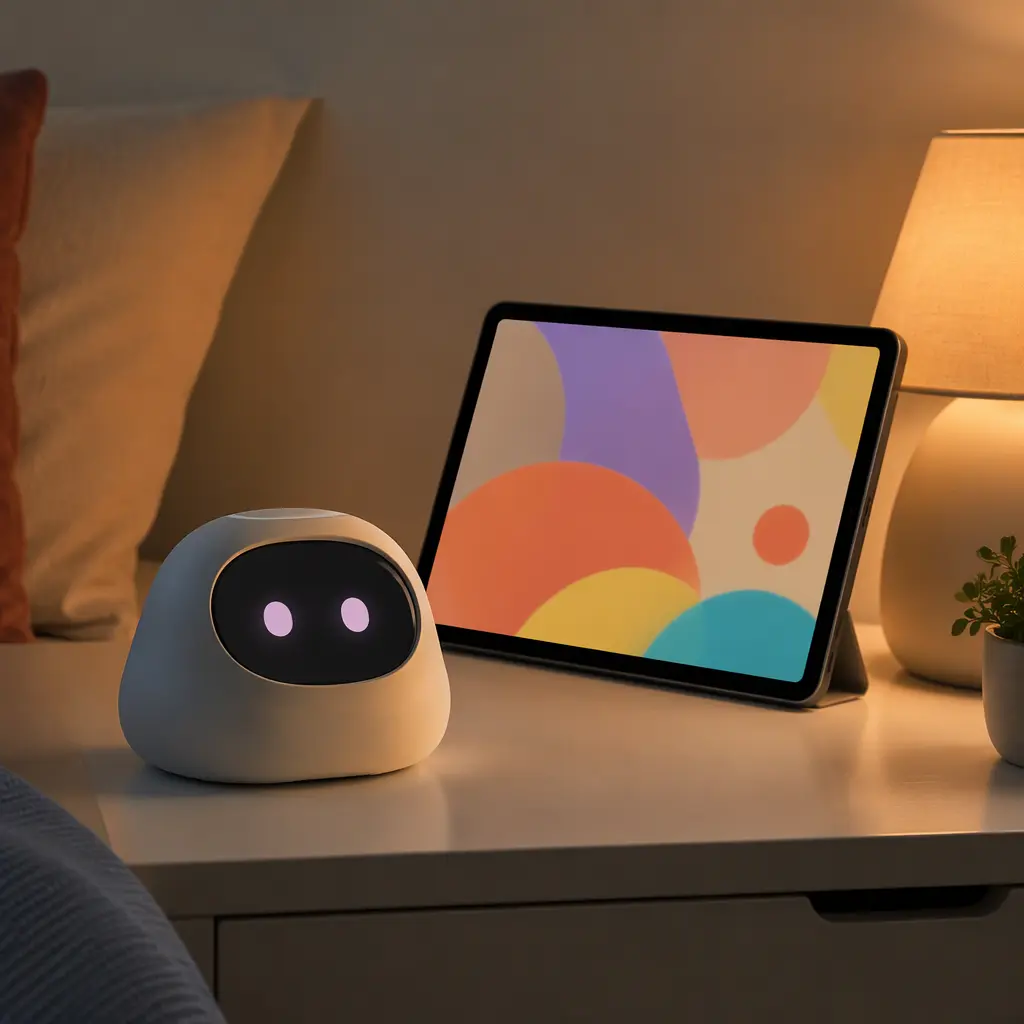
The market for AI-enhanced toys now includes several overlapping categories. Some products focus on storytelling and conversation, while others lean toward tutoring, coding activities, robotic movement, or emotional interaction. Curio Explorer belongs to the storytelling-focused side of the category, where voice interaction and improvisation are central features rather than secondary add-ons.
For parents considering a connected storytelling toy, the most important differences are often not visible in product photos. Instead, they relate to ecosystem support and software policies. A toy may depend heavily on an active internet connection, a compatible mobile device, or continued cloud support from the manufacturer. If servers are discontinued or app support changes, features may become limited. Regional availability can also affect language support, moderation quality, or access to updates.
- Check whether key features require constant internet access
- Review microphone and data privacy settings before setup
- Look for clear parental controls and account management tools
- Confirm compatibility with your household phones or tablets
- Be cautious of generic knockoffs that lack support or transparent policies
Frequently asked questions
Does Curio Explorer work offline?
AI storytelling toys that rely on cloud conversation systems often have limited offline usefulness. Basic sounds, lighting effects, or stored activities may still function, but open-ended conversation and generated storytelling usually depend on an internet connection and remote servers.
Is the conversation fully generated by AI?
Many modern storytelling toys combine generative AI systems with scripted safety layers and moderation tools. Responses may be filtered, shortened, or redirected through safety systems designed for younger audiences. The exact balance between scripted content and generative output depends on the manufacturer’s approach.
What should parents know about privacy?
Because these products often use microphones and cloud processing, parents should review how voice data is handled, stored, or deleted. Companion apps may include settings for permissions, account controls, or conversation history management. Policies can vary widely between companies and regions.
Are AI storytelling toys replacing traditional toys?
Not necessarily. Most connected storytelling toys work best as part of a broader mix of play experiences rather than as stand-alone replacements for books, building toys, crafts, or outdoor activities. Their strength is conversational improvisation and interactive storytelling, not open-ended physical play.
Curio Explorer represents a larger shift in the toy industry toward products that behave more like connected digital platforms than self-contained gadgets. That creates new possibilities for imaginative storytelling and responsive interaction, but it also introduces responsibilities that did not exist with older electronic toys. For families interested in AI-powered play, understanding cloud dependence, moderation systems, app ecosystems, and privacy settings is now just as important as choosing the toy itself.