Fashion Fidgets: When sensory toys became everyday accessories
Fashion fidgets turned sensory play into something wearable, blending bracelets, clips, rings, and charms with calming tactile features that moved from classrooms to everyday style.
Compare prices and availability
Check current prices and availability for this guide on eBay.
As an eBay Partner, we may be compensated if you make a purchase.
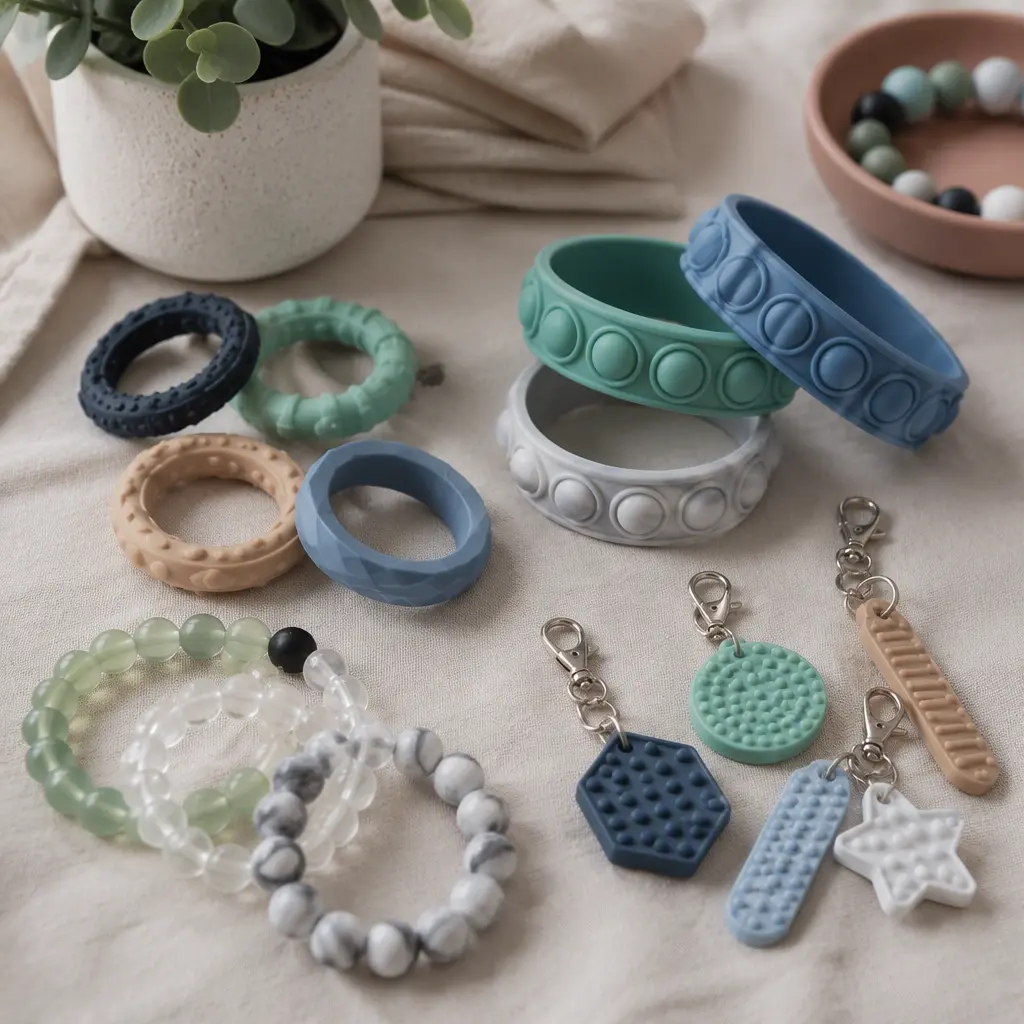
Fashion fidgets arrived at the point where toy trends, wellness products, and personal accessories started overlapping in everyday life. Instead of looking like dedicated gadgets or desk toys, these sensory items were designed to blend into clothing and style routines: rings that spin, bracelets with pop textures, beaded strands that stretch and twist, and clips or charms that provide subtle tactile feedback. Their popularity grew quickly in the early 2020s as schools, workplaces, and social media all helped normalize fidgeting as something practical rather than distracting. What made fashion fidgets stand out was not just the sensory experience itself, but the idea that a calming or focusing tool could also function as jewelry or self-expression.
Where it came from
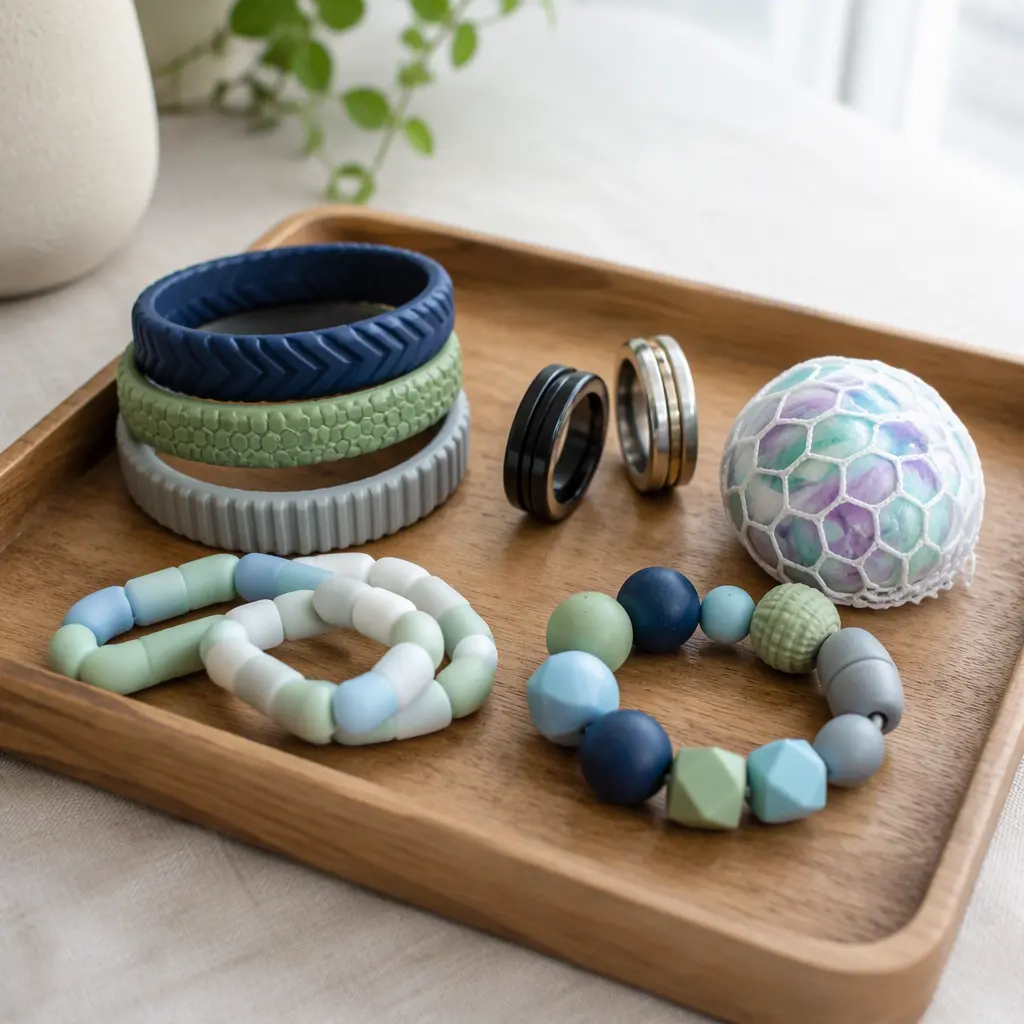
The roots of fashion fidgets stretch back much further than the trend itself. Fidget toys have existed for decades in forms ranging from stress balls to tangles, putty, and handheld puzzles. Occupational therapists and educators often used sensory tools to support focus, emotional regulation, or repetitive calming movement. During the late 2010s, fidget spinners and pop-style sensory toys became massive mainstream hits, especially among school-age children. By around 2021, manufacturers and independent makers began adapting those same tactile ideas into wearable products that looked closer to accessories than traditional toys.
Several trends pushed the category forward at once. Social media creators showcased matching outfits and accessories built around sensory textures and pastel colors. Parents looked for quieter alternatives to bulky fidget gadgets. Teenagers and adults wanted subtle sensory items that would not stand out in classrooms, meetings, or public spaces. Small craft businesses also played a role, producing handmade bead bracelets, textured jewelry, and customizable sensory wearables sold through online marketplaces. Unlike many toy crazes tied to one company or invention, fashion fidgets developed as a broad category shaped by trends in crafts, wellness, and personal style.
Why it works
The appeal of fashion fidgets comes from combining two different kinds of usefulness. First, they provide tactile interaction through squeezing, twisting, spinning, stretching, or rubbing textured surfaces. Second, they fit naturally into routines because they can be worn throughout the day. A spinner ring does not need to come out of a backpack. A textured bracelet can stay on during class or travel. This convenience changed how people thought about sensory toys. Instead of being occasional tools, they became continuous companions.
Design also matters more here than in many toy categories. Fashion fidgets often borrow cues from jewelry, streetwear, craft trends, and collectible accessories. Silicone beads, soft-touch plastics, braided cords, polished metals, and pastel palettes all helped make sensory toys feel less clinical and more expressive. Many users collected different textures or styles for different situations, much like changing watches, pins, or bracelets.
- Wearable designs that stay accessible throughout the day
- Quiet sensory feedback suited to classrooms and shared spaces
- Mix of tactile play and personal style
- Wide variety of textures including smooth, bumpy, stretchy, and spinning surfaces
- Small, portable forms that fit into everyday routines
Who it's for
Fashion fidgets are most commonly associated with older children, tweens, teens, and young adults, but the audience is wider than that. Many elementary-age children enjoy wearable sensory items because they are easy to carry and trade with friends. Teenagers often treat them as both accessories and stress-relief tools. Adults use discreet fidget jewelry in offices, during travel, or while concentrating on repetitive tasks. As with many sensory products, experiences vary from person to person. Some users find the repetitive movement calming or focusing, while others simply enjoy the collectible and fashionable side of the category.
Variants and what to look for today
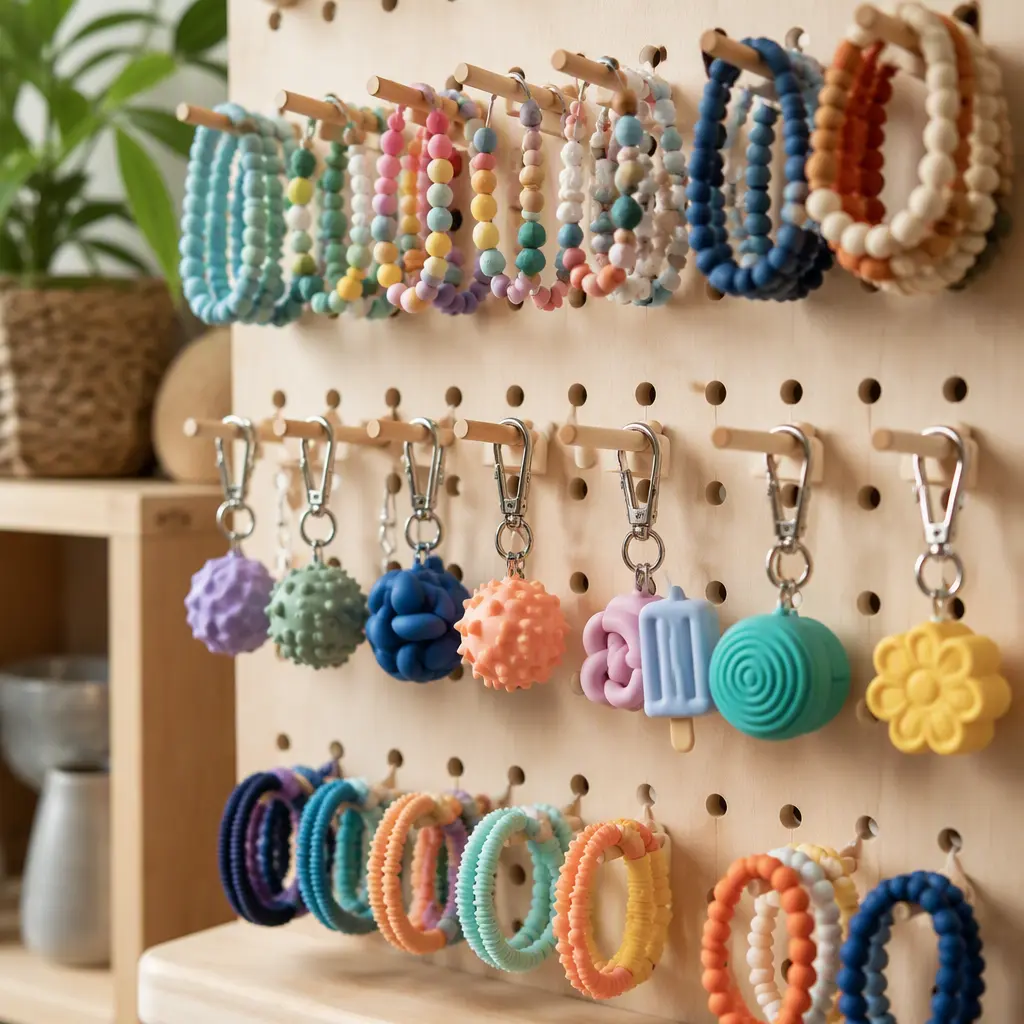
The category now covers a surprisingly wide range of products. Some are simple jewelry-inspired pieces with one tactile feature, while others are more overtly toy-like with pop bubbles, stretchy cords, or movable sections. Common formats include spinner rings, marble mesh tubes, silicone bead bracelets, textured necklaces, stretchy cuffs, keychain fidgets, zipper pulls, and clip-on bag charms. Craft-focused versions often emphasize customization, allowing users to mix colors, charms, and textures.
Material quality is one of the biggest differences between products. Better-made fashion fidgets tend to have smoother edges, stronger cords or elastic, and securely attached moving parts. Cheaper versions can snap, lose beads, or develop sticky surfaces over time. Because many items are small and wearable, buyers should also pay attention to age recommendations and durability, especially for younger children who may chew or pull at accessories.
- Silicone and soft-touch materials are common for flexible wearable fidgets
- Metal spinner rings are often marketed toward teens and adults
- Handmade bead styles emphasize customization and collectibility
- Clip-on charms and bag accessories appeal to school-age users
- Very small detachable pieces may not suit younger children
Frequently asked questions
Are fashion fidgets considered toys or accessories?
They sit somewhere in between. Many are sold through toy and sensory retailers, while others appear in jewelry, stationery, or craft sections. Their hybrid identity is part of what made the trend so widespread.
Why did fashion fidgets become popular so quickly?
They benefited from several trends happening at once: growing awareness of sensory tools, social-media-driven accessory trends, and demand for portable stress-relief products. Their wearable format also made them easy to share, collect, and personalize.
Do adults use fashion fidgets?
Yes. Many adults prefer subtle sensory accessories because they blend into workplaces and daily routines more easily than larger desk toys. Spinner rings and textured bracelets are especially common among adult users.
What makes one fashion fidget better than another?
Comfort, durability, and sensory feel matter most. A wearable fidget should be easy to use repeatedly without irritating the skin or breaking under normal movement. Smooth finishes and secure construction are usually signs of better quality.
Fashion fidgets represent a shift in how toys and personal items interact. Instead of separating play from everyday life, they folded sensory interaction into clothing, jewelry, and accessories people already used. That blend of utility, comfort, and self-expression helped the category move beyond a short-lived fad. Whether worn as calming tools, collectible accessories, or simple style statements, fashion fidgets showed how contemporary toy culture increasingly overlaps with wellness, design, and identity.