Why the Soothe ’n Snuggle Otter Still Resonates
Fisher-Price’s breathing-motion otter became a standout modern nursery toy by blending plush comfort, gentle movement and calming audio into a compact sleep companion many parents still seek out.

Compare prices and availability
Check current prices and availability for this guide on eBay.
As an eBay Partner, we may be compensated if you make a purchase.
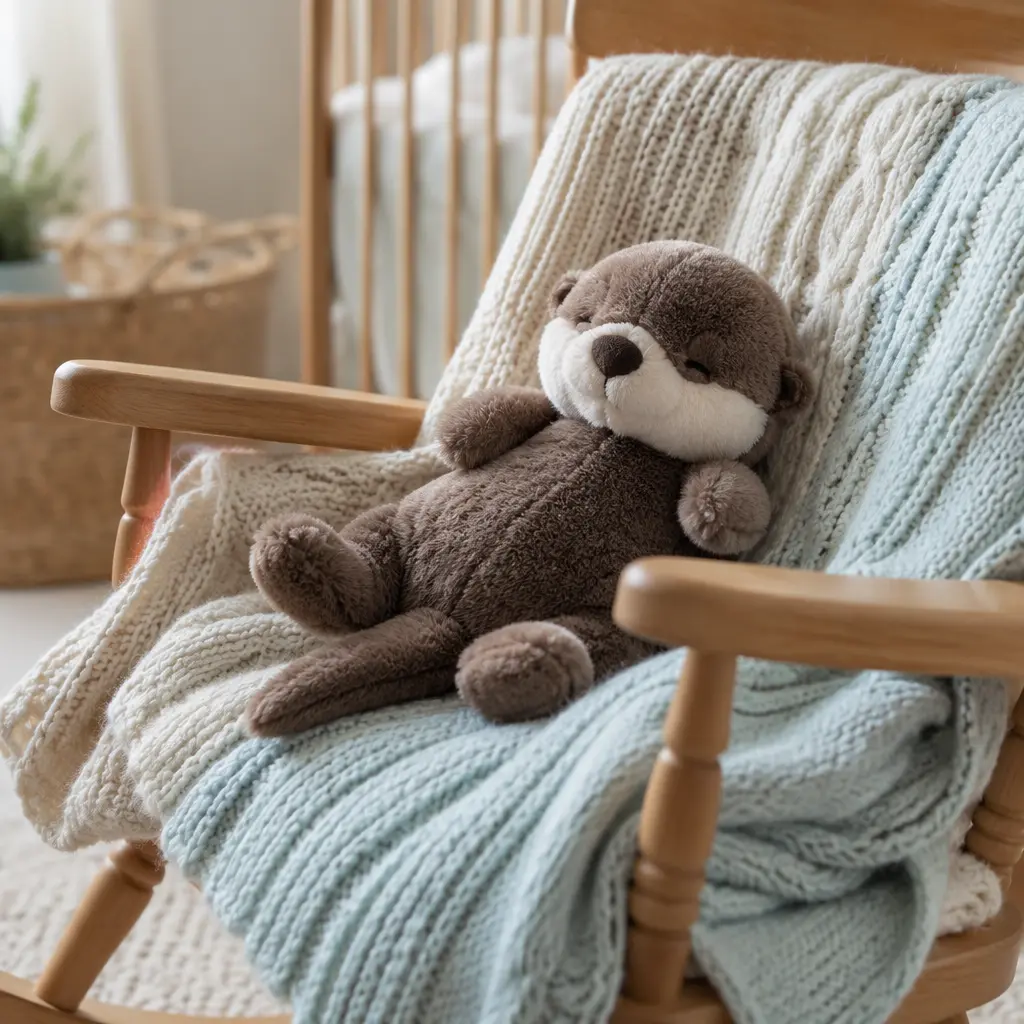
Few nursery toys from the late 2010s became as instantly recognizable to new parents as Fisher-Price’s Soothe ’n Snuggle Otter. The plush sea otter arrived during a period when baby-tech products were increasingly built around sleep routines, white noise and sensory calming, but its appeal came from a simpler idea: a stuffed companion that imitates the slow rise and fall of breathing. Combined with soft lights, short musical tracks and ambient sounds, the toy quickly became a common baby-shower gift and a frequent recommendation in parenting groups. Years after launch, it remains notable because it sits between a classic plush toy and a modern soothing device without becoming a full-screen or app-heavy gadget.
Where it came from
Fisher-Price introduced the Soothe ’n Snuggle Otter in 2019, at a time when parents were already familiar with white-noise machines, swaddles and motion-based calming products. Rather than positioning the toy as a medical or sleep-training device, the company presented it as a comforting sensory plush for infants. Its signature feature was a rhythmic motion panel inside the body that expands and contracts to simulate breathing. The design gave the plush a more lifelike quality than many nursery toys without moving into robotic territory.
The timing mattered. By the end of the 2010s, many parents were searching for products that supported bedtime routines while avoiding overstimulation. The otter’s combination of fabric textures, dim lighting and looping audio fit that demand neatly. Pediatric sleep experts and parenting educators often discuss the importance of predictable sleep cues for infants, and products like this became part of broader conversations around “sleep associations” — the habits and sensory signals babies connect with settling down. Experts generally note that calming cues such as sound or routine can help some infants relax, while also reminding parents that no toy guarantees sleep success and that safe-sleep guidance still centers on an uncluttered sleep space.
Why it works
The Soothe ’n Snuggle Otter stands out because its design focuses on rhythm more than novelty. The breathing-style motion is intentionally slow and repetitive, mirroring the calming effect many infants experience when being held against a caregiver’s chest. Unlike highly reactive electronic toys that flash, talk or demand interaction, this plush aims for low stimulation. The audio selections are similarly restrained, typically built around soft music, white noise and womb-like ambient sounds rather than melodies designed for active play.
Another reason the toy endured is that it feels approachable. Parents do not need an account setup, a camera feed or a companion app to use the core features. In an era where many nursery products shifted toward connected ecosystems, the otter stayed comparatively self-contained. That simplicity broadened its appeal among caregivers who wanted a soothing tool without introducing another always-connected device into the nursery.
- Breathing-style rhythmic motion designed to imitate calm inhaling and exhaling
- Soft plush construction intended for cuddling and sensory comfort
- Built-in audio options including gentle music and ambient sounds
- Low-light glow effects that avoid bright visual stimulation
- Portable size compared with larger bassinets or dedicated sleep machines
Who it’s for
The otter is primarily aimed at infants and very young babies, especially during early soothing and bedtime routines. Parents often use it during supervised calming time, feeding sessions or wind-down periods before sleep. Adult interest is part of the story too: many caregivers appreciate products that create a consistent nighttime atmosphere without taking over the room visually or technologically. It also appeals to gift-givers because it reads as both practical and emotionally warm. As with many infant products, caregivers should follow current safe-sleep recommendations and check manufacturer guidance for age use, placement and supervision.
Variants and what to look for today
Over time, Fisher-Price has released the otter in different colors and regional packaging styles, but the core concept has remained consistent. Retail listings can vary depending on market availability, and some stores bundle the plush with broader nursery collections or registry promotions. Shoppers will also encounter a growing number of imitation breathing-motion plush toys from lesser-known brands. Some mimic the same visual language of soft fabrics and rhythmic movement without matching the original toy’s finish or support information.
When shopping today, buyers usually focus on condition, fabric quality and whether the motion and sound functions still operate smoothly. For secondhand purchases, battery compartments and removable electronic inserts are worth checking carefully. Parents comparing alternatives may also notice a broader category of sensory plush toys inspired by the otter’s success, including heartbeat plushies and breathing-motion animals in different shapes.
- Look for intact stitching and secure internal components on used plush toys
- Check whether sound and motion controls still function consistently
- Expect regional packaging differences between retailers and markets
- Be cautious with generic lookalikes that provide little manufacturer information
Frequently asked questions
Does the otter actually help babies sleep?
Results vary widely between infants. Some babies respond well to rhythmic sound and motion cues, while others may show little interest. Sleep experts generally describe products like this as supportive tools for routines rather than guaranteed sleep solutions.
Is it an AI toy or a smart connected device?
No. The Soothe ’n Snuggle Otter is an electronic soothing plush with preset sounds, lights and motion effects. It does not use generative AI, cloud services or conversational features, and its core functions do not depend on a mobile app.
Why did the breathing motion attract so much attention?
The breathing-style movement gave the plush a more lifelike calming presence than traditional stuffed animals. Many parents associated the slow rhythm with contact comfort, which helped the toy stand out in a crowded nursery category.
Can older children still enjoy it?
Yes. While designed for infants, some toddlers and older children continue to use soothing plush toys during quiet time or bedtime because of the soft textures and gentle audio features.
The Soothe ’n Snuggle Otter remains relevant because it reflects a broader shift in modern baby products toward emotional atmosphere rather than novelty alone. Its success did not come from turning a plush toy into a complex robot. Instead, it translated familiar comforting cues — steady breathing, soft touch and quiet sound — into a compact nursery companion that many families still recognize years after its debut.