FoloToy AI Story Bear and the New Wave of Talking Plush
FoloToy AI Story Bear blends a soft toy with AI-driven conversation and storytelling, raising fresh questions about privacy, moderation, app dependence and whether chat features deepen imaginative play.
Compare prices and availability
Check current prices and availability for this guide on eBay.
As an eBay Partner, we may be compensated if you make a purchase.
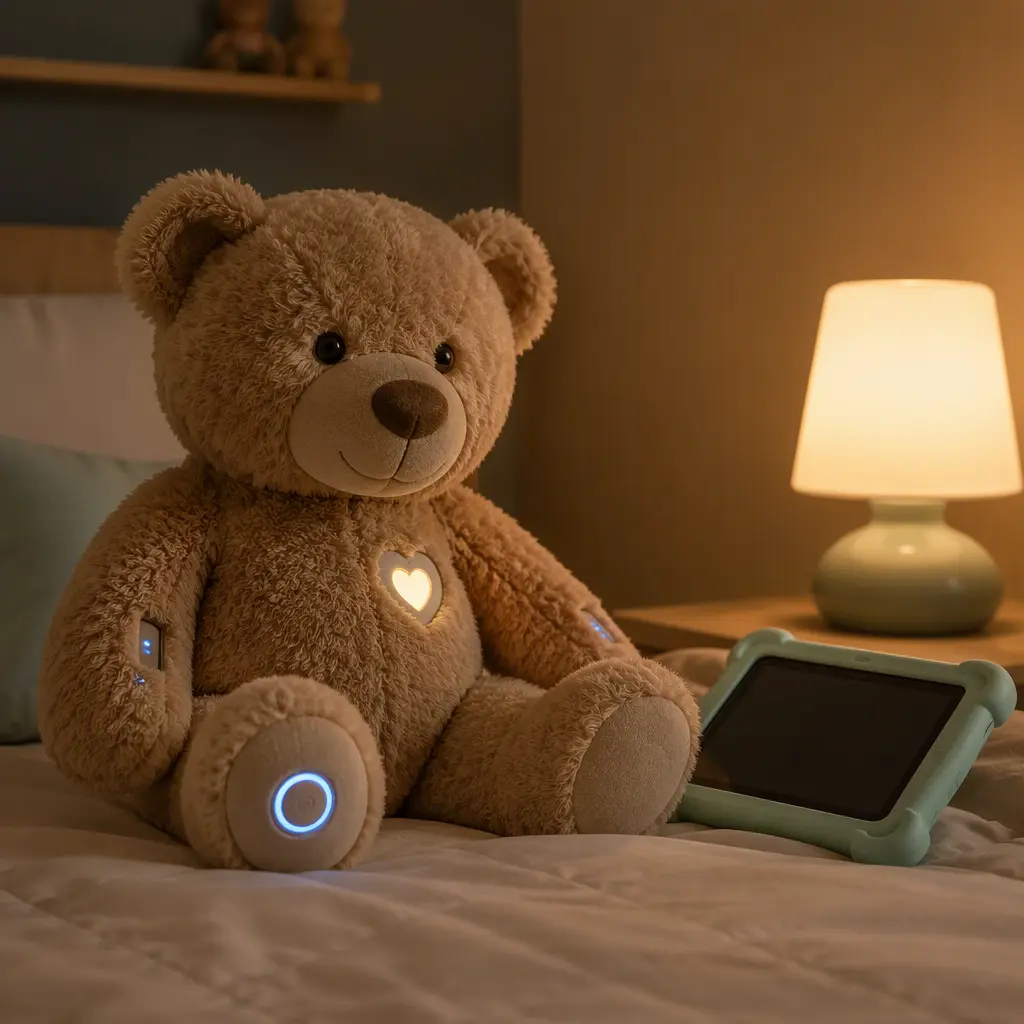
The FoloToy AI Story Bear arrives at a moment when toy companies are trying to merge classic comfort objects with conversational artificial intelligence. On the surface, it looks familiar: a soft plush companion aimed at bedtime routines and imaginative play. The difference is that this bear is designed to respond with stories, conversation and interactive prompts that adapt to a child’s input. That combination has helped AI plush toys stand out in a crowded market, but it has also drawn scrutiny from parents and privacy advocates who want clearer answers about microphones, moderation systems and how much of the experience depends on apps and cloud services.
Where it came from
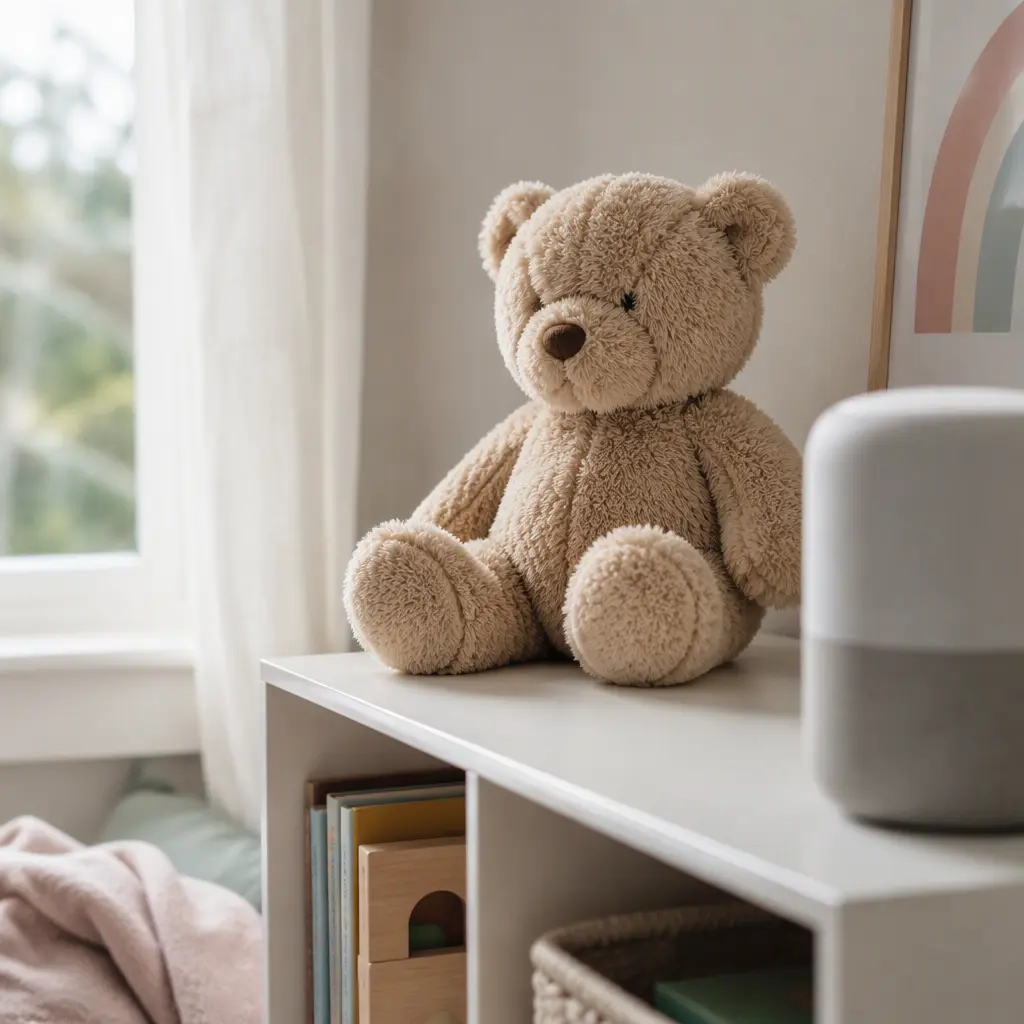
AI-powered toys are not entirely new. Talking dolls and electronic learning pets have existed for decades, and connected toys with internet-linked responses began appearing more widely in the 2010s. What makes products like the FoloToy AI Story Bear different is the use of modern generative AI systems that can produce more flexible responses instead of relying only on prewritten scripts. The pitch is less about pressing a button for a fixed phrase and more about ongoing conversation that can shift based on a child’s questions, interests or bedtime routines.
The FoloToy AI Story Bear emerged during a broader surge in consumer AI products following rapid public interest in chatbots and voice assistants. Manufacturers increasingly framed conversational AI as a way to personalize play and learning. In the plush category, bedtime storytelling became an especially visible use case because it fits naturally with how many families already use stuffed animals as comfort objects. That said, products in this space also inherited concerns familiar from smart speakers and connected cameras: what data is collected, whether conversations are stored, and how effectively child-focused moderation systems can filter inappropriate responses.
Why it works
The appeal of an AI plush is partly emotional and partly technical. Plush toys already occupy a trusted role in many children’s routines, especially around sleep and comfort. Adding conversational features can make the toy feel more responsive and socially engaging than a traditional talking bear with canned audio clips. The storytelling angle is especially important because open-ended bedtime stories can encourage participation rather than passive listening. Children may ask the bear to change characters, settings or endings, turning story time into a collaborative activity.
At the same time, the technology introduces trade-offs. Generative AI can create more varied conversations, but it also means responses may be less predictable than scripted toys. Most connected AI toys rely on microphones to capture speech and often require companion apps, account setup or internet connectivity for full functionality. Parents evaluating products in this category are increasingly looking beyond novelty and asking practical questions about offline play, mute controls, moderation tools and how transparent companies are about data handling.
- Conversational storytelling designed to react to spoken prompts
- Soft plush format intended for comfort-focused play routines
- Potential app or cloud connectivity for expanded AI responses
- Voice interaction that differs from traditional pre-recorded talking toys
- Focus on bedtime engagement and imaginative co-creation of stories
Who it's for
Products like the FoloToy AI Story Bear are generally aimed at children who are old enough to hold simple conversations and engage with guided storytelling, though exact age recommendations depend on the manufacturer’s guidance and regional regulations. Younger children may still enjoy the plush aspect without fully understanding conversational features, while older kids may experiment more actively with prompts and roleplay. Adult interest is significant too. Some parents see AI plush toys as a way to make bedtime routines more interactive, while others approach them cautiously because of concerns around screen-adjacent technology entering traditionally low-tech spaces like bedrooms and nurseries.

Variants and what to look for today
The broader AI plush category is expanding quickly, which means shoppers are likely to encounter toys with very different capabilities despite similar marketing language. Some products use fully generative cloud-based systems, while others rely mostly on scripted responses with only limited AI assistance. It is worth checking whether a toy works meaningfully without an internet connection or whether most features depend on a companion app and active servers. Connectivity requirements can affect long-term usefulness if services change or support ends.
Another major point of comparison is moderation and privacy transparency. Parents may want to look for clear information about microphone controls, parental permissions, conversation retention policies and whether recordings are processed locally or remotely. Since AI toys are still a relatively new category, feature descriptions can sometimes sound broader than the actual experience. Retail listings and manufacturer materials may emphasize personalization, but the quality and consistency of conversation can vary significantly depending on the underlying AI system and network conditions.
- Check whether voice features require constant internet access
- Look for physical mute controls or clear microphone indicators
- Review app compatibility before purchase
- Compare scripted storytelling versus generative conversation features
- Be cautious of vague claims about educational benefits without specifics
Frequently asked questions
Does the FoloToy AI Story Bear work offline?
AI plush toys vary widely in offline functionality. Some can deliver limited preloaded responses without internet access, while more advanced conversational features may depend on cloud-based AI systems. Manufacturer setup information usually explains which features require connectivity.
Is it using generative AI or prerecorded lines?
The product category increasingly blends both approaches. Generative AI systems can create flexible responses in real time, while prerecorded audio may still be used for songs, greetings or safety-limited interactions. Companies do not always present the distinction clearly in marketing materials.
Are there privacy concerns with AI plush toys?
Many parents and regulators pay close attention to connected toys because microphones, cloud processing and companion apps can involve data collection. Important details include whether recordings are stored, how parental consent works and whether there are controls to disable listening features.
Does conversation improve play?
That depends on the child and the design of the toy. For some children, interactive storytelling may encourage imagination and verbal participation. Others may treat the AI feature as a short-term novelty and continue using the toy mainly as a traditional plush companion.
The FoloToy AI Story Bear reflects a broader shift in the toy industry toward products that blur the line between comfort object, smart device and conversational assistant. Whether that becomes a lasting category or a short-lived novelty will likely depend less on the novelty of AI itself and more on how convincingly these toys fit into everyday family routines. Parents interested in the category are increasingly evaluating not only how entertaining the conversation feels, but also how responsibly the technology is implemented behind the scenes.