Friendship Bracelets: Why simple knots still bind generations
From summer camps to TikTok, friendship bracelets keep returning as a screen-free way to make, give, and belong—one knot at a time.
Compare prices and availability
Check current prices and availability for this guide on eBay.
As an eBay Partner, we may be compensated if you make a purchase.
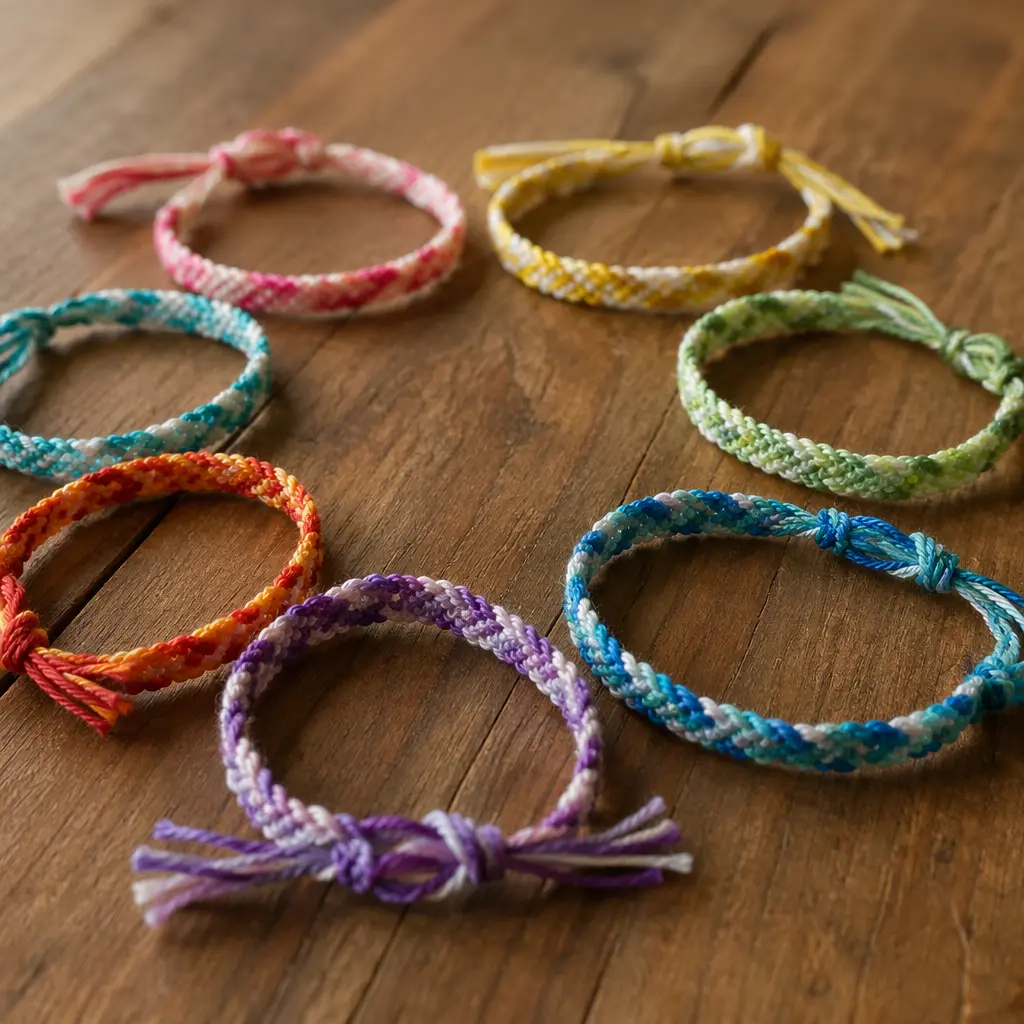
Friendship bracelets are almost too simple to call a toy: just lengths of thread, knotted by hand into stripes, chevrons, or tiny diamonds. And yet they keep coming back. In an age of screens and subscriptions, knotting string together remains a social ritual—made slowly, given freely, and worn as a promise. The appeal isn’t novelty or technology; it’s the act itself, shared time made visible.
Where it came from
The roots of friendship bracelets are global and informal. Variations of knotted thread jewelry appear in Indigenous crafts across the Americas, in macramé traditions, and in sailor knotwork. What we now think of as the modern friendship bracelet took shape in the late 20th century, spreading through summer camps, schoolyards, and youth travel culture rather than a single brand launch.
Their rise has often tracked moments when young people sought identity and connection outside formal structures. In the 1970s and 80s, handmade bracelets fit with DIY culture and camp life. In the 2000s, they resurfaced alongside craft blogs and early social media. More recently, pop culture moments and online tutorials have sparked another wave—proof that the form adapts easily to each generation’s way of sharing.
Why it works
At heart, a friendship bracelet is a small, manageable project. It takes patience but not perfection, and the materials are forgiving. The repetitive motion of knotting is calming, while the visible progress keeps makers engaged. Most importantly, the finished object is meant to be given away, which turns a craft into a social exchange.
- Simple materials: embroidery floss or cotton thread, often already on hand
- Clear patterns: easy-to-learn knots that scale from beginner to complex
- Portable making: can be started at a table or tied to a bag or wrist
- Built-in meaning: colors and patterns often chosen with a person in mind
Unlike many crafts, friendship bracelets rarely aim for perfection. Small mistakes become part of the story. That lowers the barrier to entry and makes the process more about time spent together—talking while knotting, teaching a pattern, or trading bracelets at the end.
Who it’s for
Friendship bracelets are typically introduced around ages 6–8, when fine motor skills can handle basic knots. They’re popular with tweens and teens because they combine creativity with social signaling. Adults return to them too, often for nostalgia or as a mindful, screen-free activity. Because designs can be simple or intricate, the same basic idea works across age groups.
Variants and what to look for today
Today’s friendship bracelets range from classic floss designs to beaded versions and mixed-media styles using charms or recycled materials. Kits are widely available, but many makers still prefer choosing their own threads for color control and texture.
- Embroidery floss sets: versatile and closest to the traditional look
- Pre-cut kits: convenient for beginners or group activities
- Beaded bracelets: quicker to finish, with a different feel and weight
- Pattern cards or books: helpful for learning chevrons, diamonds, and text-style designs
When buying, look for soft, colorfast thread that won’t bleed or fray quickly. Avoid very slick synthetic cords for beginners—they’re harder to knot and keep tension. Generic kits are fine; the craft isn’t about branded components.
Frequently asked questions
How long does it take to make one?
A simple striped bracelet can take 20–30 minutes. More complex patterns may take a few hours, often spread over multiple sessions.
Do the colors mean anything?
There’s no universal code. Some groups assign meanings to colors, but most makers choose palettes based on personal taste or the recipient’s favorites.
Are friendship bracelets durable?
Cotton floss bracelets can last months with regular wear, though water and friction will eventually fade them. That impermanence is often part of the charm.
Is this a good group activity?
Yes. They work well for parties, camps, and classrooms because materials are inexpensive and skill levels can vary without stopping the group.
Friendship bracelets endure because they sit at the intersection of making and meaning. They don’t compete with digital entertainment; they offer something different. In a few strands of string and a series of knots, they capture time, attention, and connection—qualities that never really go out of style.