Gotcha Gadgets: The pocket puzzle toys built for travel
Compact fidget-puzzle hybrids have become a modern desk and travel staple. Gotcha Gadgets blends tactile play, quick problem-solving, and pocket-size design into a toy family made for short bursts of focus.
Compare prices and availability
Check current prices and availability for this guide on eBay.
As an eBay Partner, we may be compensated if you make a purchase.
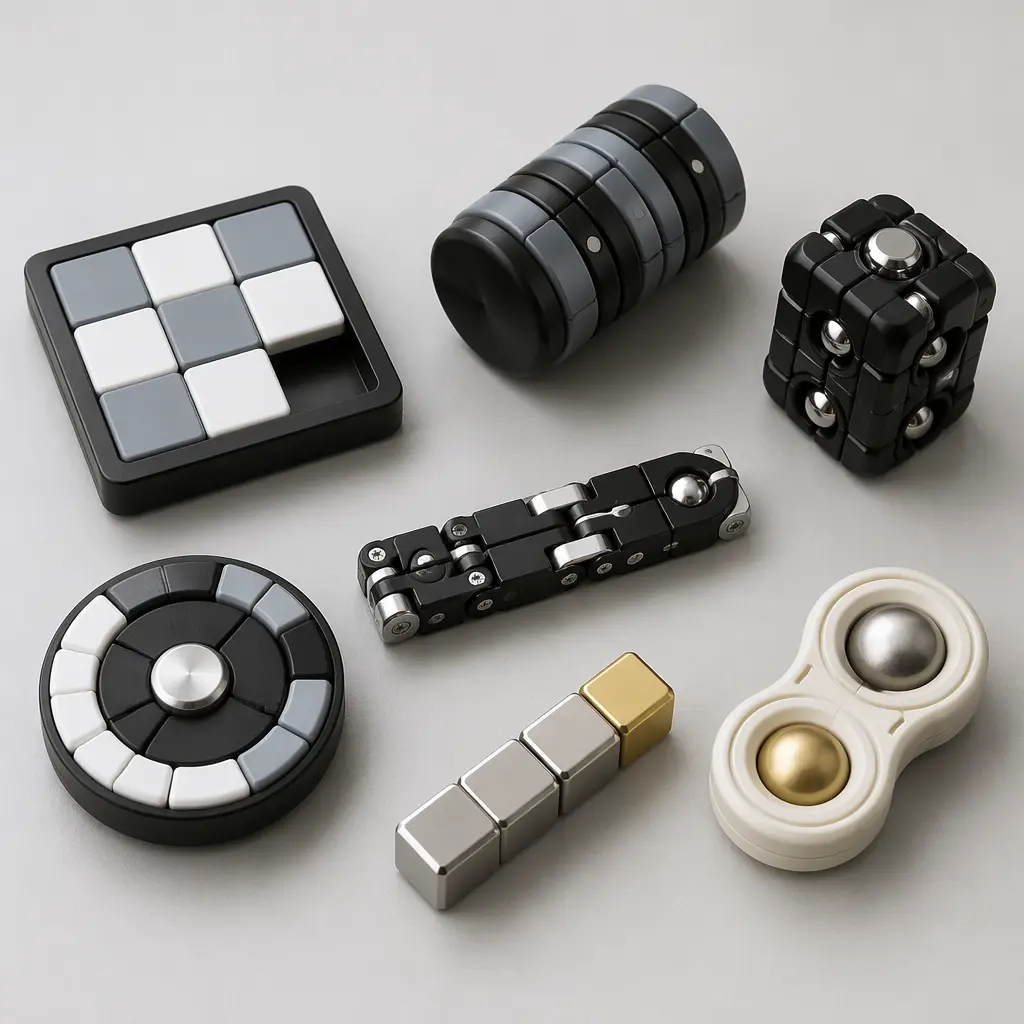
Small enough to disappear into a jacket pocket but busy enough to occupy both hands and attention, compact fidget-puzzle hybrids have become one of the defining toy trends of the modern era. Often grouped under broad names like Gotcha Gadgets, these toys combine the satisfying tactile feedback of fidget tools with the problem-solving loops of classic puzzles. They are designed for quick interactions: a few minutes on a train, a distraction during a long wait, or a reset between tasks at school or work. Unlike traditional board games or large construction toys, their appeal comes from portability and repeatability. A puzzle cube that clicks into place, a magnetic slider that changes shape, or a rotating mechanism that rewards muscle memory can feel equally useful as entertainment and as a calming object to keep nearby.
Where it came from
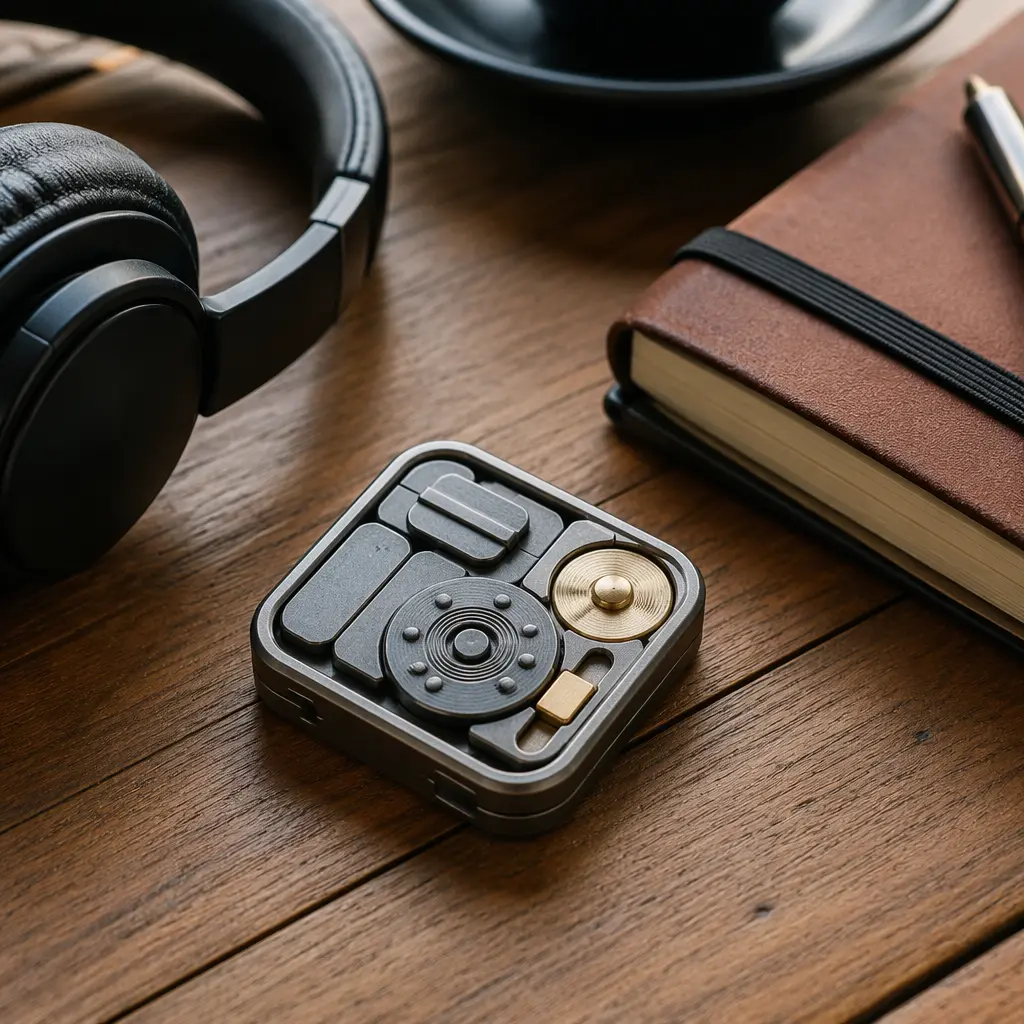
The idea behind modern pocket puzzle gadgets pulls from several older toy categories at once. Mechanical puzzles have existed for centuries, from disentanglement wire puzzles to sliding tile games, while fidget objects have long been used as casual desk toys. The modern wave emerged when toy makers and independent designers started combining these traditions into compact products built around touch, repetition, and portability. Improvements in small-scale manufacturing, molded plastics, magnets, and precision metal parts made it easier to create durable gadgets with moving components that could survive everyday carrying.
By the late 2010s and early 2020s, these toys had spread across classrooms, office desks, social media videos, and travel culture. Their rise was tied partly to changing habits around short-form entertainment. People increasingly wanted objects that delivered quick engagement without requiring setup, screens, or large spaces. Gotcha Gadgets-style toys fit that moment well. They could be used quietly in public spaces, collected in small groups, and learned in seconds. Many brands entered the market, producing everything from minimalist metal puzzles to colorful sensory-focused designs aimed at younger children.
Why it works
The success of these toys comes from the way they balance repetition and challenge. Traditional puzzles are often solved once and then set aside, but fidget-puzzle hybrids are designed for ongoing use. Their mechanics encourage repeated motions that feel rewarding even after the puzzle itself becomes familiar. A rotating dial may line up with a soft click, magnetic pieces may snap satisfyingly into position, or hidden pathways may encourage experimentation. The object stays engaging because the physical interaction matters as much as the solution.
Design also plays a major role. Most successful pocket gadgets are intentionally compact, durable, and easy to understand at a glance. Rounded corners, textured surfaces, and audible feedback make them pleasant to hold for long periods. Some emphasize speed and dexterity, while others lean into calming sensory loops. The best versions avoid becoming frustrating by offering short cycles of discovery and progress instead of long, difficult puzzle chains.
- Pocket-size construction designed for travel and everyday carrying
- Tactile movement such as clicking, sliding, rotating, or snapping
- Short play sessions that work well during breaks or commutes
- Durable materials including molded plastic, silicone, aluminum, or magnetic components
- Simple rules that are easy for children and adults to learn quickly
Who it's for
One reason the category has expanded so quickly is that it crosses age groups more easily than many toy trends. Younger children often enjoy the sensory side of these gadgets, especially toys with bright colors, movement, and simple shape-matching mechanics. Older kids and teenagers tend to gravitate toward dexterity challenges and speed-based play, while adults frequently use them as desk toys or travel companions. Many are suitable for ages six and up, though products with small magnetic or detachable parts are better reserved for older users. Their low learning curve also makes them appealing to people who do not normally think of themselves as puzzle fans. Unlike a complex strategy game, a pocket gadget invites immediate interaction without instructions or preparation.
Variants and what to look for today
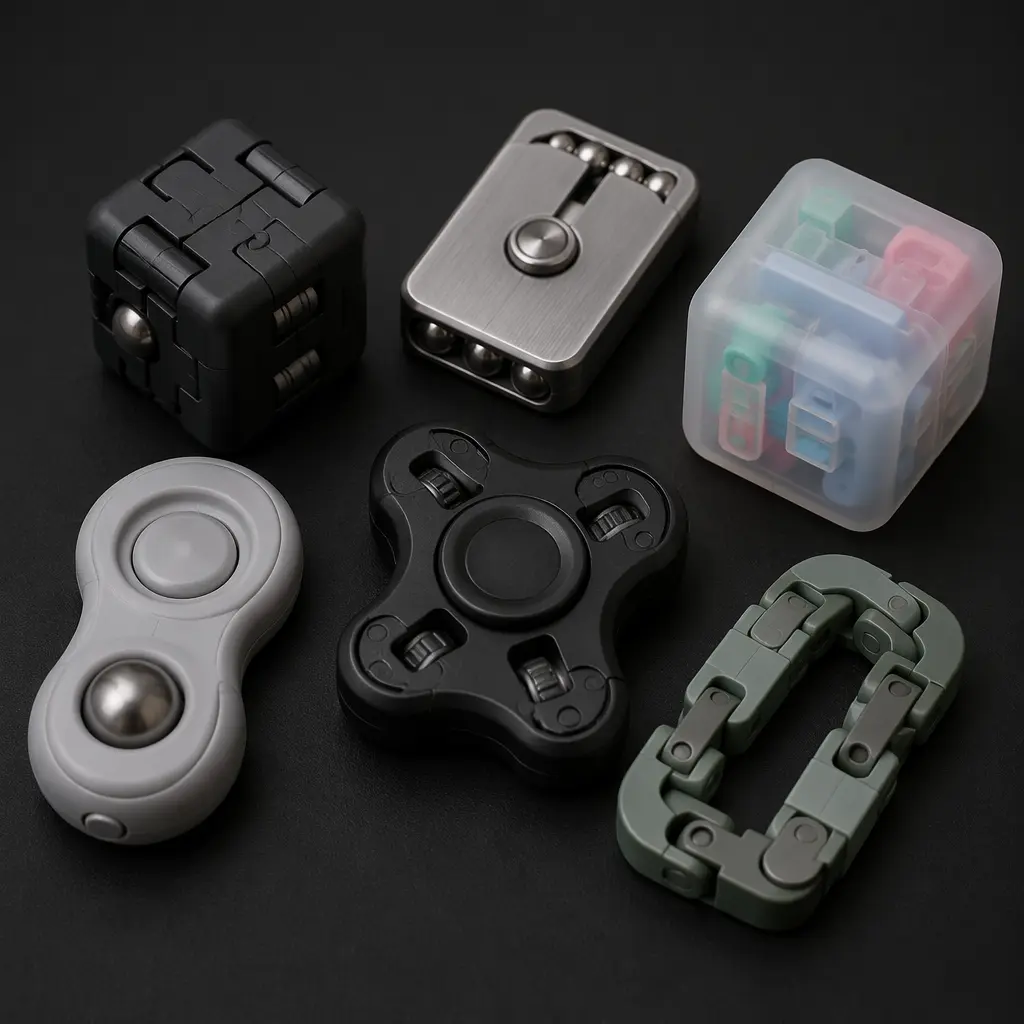
The category now covers a wide range of designs. Some focus on logic puzzles, asking users to align shapes, navigate hidden tracks, or unlock moving sections. Others are more sensory-driven, prioritizing texture and repetitive movement over solving a fixed challenge. Magnetic folding puzzles, mini rotating cubes, chain-link manipulators, and slider-based gadgets are among the most common modern styles. Materials can dramatically change the feel of play. Lightweight plastic versions are inexpensive and easy for children to handle, while metal editions tend to offer smoother motion and a heavier, more premium feel.
Buyers today should pay attention to build quality rather than branding alone. Well-made pocket gadgets usually have clean seams, consistent movement, and parts that stay firmly connected during use. Cheaper copies can feel rough or loose after only a short period of play. If magnets are involved, secure internal construction matters, especially in products aimed at children. It is also worth considering noise level. Some clicky designs are satisfying in private settings but less practical in classrooms, libraries, or shared offices.
- Look for smooth movement without sticking or grinding
- Choose larger pieces for younger children to reduce choking risk
- Metal versions often feel sturdier for adult everyday carry
- Magnetic toys should have securely enclosed components
- Travel-friendly designs usually fit comfortably in one hand or pocket
Frequently asked questions
Are Gotcha Gadgets considered puzzles or fidget toys?
Most sit somewhere between the two categories. Some are genuine mechanical puzzles with defined solutions, while others focus more on sensory movement and repetitive interaction. The hybrid appeal is part of what made the category successful.
Do these toys help with focus?
Many people use compact gadgets as a way to occupy their hands during study, meetings, or travel. Experiences vary from person to person, but the repetitive physical interaction is often described as calming or grounding during routine tasks.
What materials are most common?
Plastic remains the most widely used material because it is lightweight and affordable, but aluminum, stainless steel, silicone, and magnetic composites are also common in modern designs. Each material changes the texture, sound, and weight of the toy.
Are they good travel toys?
Yes. Their portability is one of their defining strengths. Most are designed to fit into a pocket, backpack pouch, or carry-on bag, making them easy to use during flights, road trips, or waiting periods without needing batteries or screens.
Gotcha Gadgets and similar pocket puzzle toys represent a shift in how modern toys fit into everyday life. Instead of demanding dedicated playtime, they are designed to slip into the gaps between activities: a commute, a queue, a quiet moment at a desk. Their popularity comes from a mix of tactile design, approachable problem-solving, and convenience. In an era dominated by screens, the appeal of a small mechanical object that rewards touch, motion, and curiosity remains surprisingly durable.