Hacky Sack: How a bean-filled footbag became a social sport
Born in the 1970s, the Hacky Sack turned a simple bean-filled ball into a cooperative, drop-in game. Its staying power comes from easy rules, social play, and a design that invites everyone in.
Compare prices and availability
Check current prices and availability for this guide on eBay.
As an eBay Partner, we may be compensated if you make a purchase.
At first glance, a Hacky Sack barely looks like a toy at all. It’s small, soft, and quiet—just a palm-sized pouch filled with pellets. But toss one into a schoolyard or park and something interesting happens. A circle forms. Shoes start flicking. Laughter replaces scorekeeping. The Hacky Sack’s magic isn’t about winning; it’s about keeping a moment alive together.
Where it came from
The modern footbag dates to 1972, when John Stalberger and Mike Marshall in Oregon began kicking around a small bean-filled bag as a way to rehabilitate an injured knee. What started as a personal exercise quickly revealed itself as a game—one that rewarded balance, rhythm, and cooperation rather than speed or strength.
Stalberger later trademarked the name “Hacky Sack,” and through the 1970s and 80s the toy spread through counterculture circles, college campuses, and eventually school recesses. Its appeal fit the era: low-cost, portable, and anti-authoritarian in spirit. You didn’t need a field, uniforms, or even a plan—just a few people willing to keep the bag off the ground.
Why it works
The Hacky Sack works because it lowers the barrier to play. There are no official sides, no points required, and no penalty for dropping the bag. The shared goal—keep it going—turns strangers into teammates within minutes. Physically, the soft fill and forgiving shape slow the action just enough to make learning possible.
- Soft, forgiving design that won’t sting or bounce away
- Cooperative play pattern instead of competitive scoring
- Portable size that fits in a pocket or backpack
- Scales from casual kicks to advanced freestyle tricks
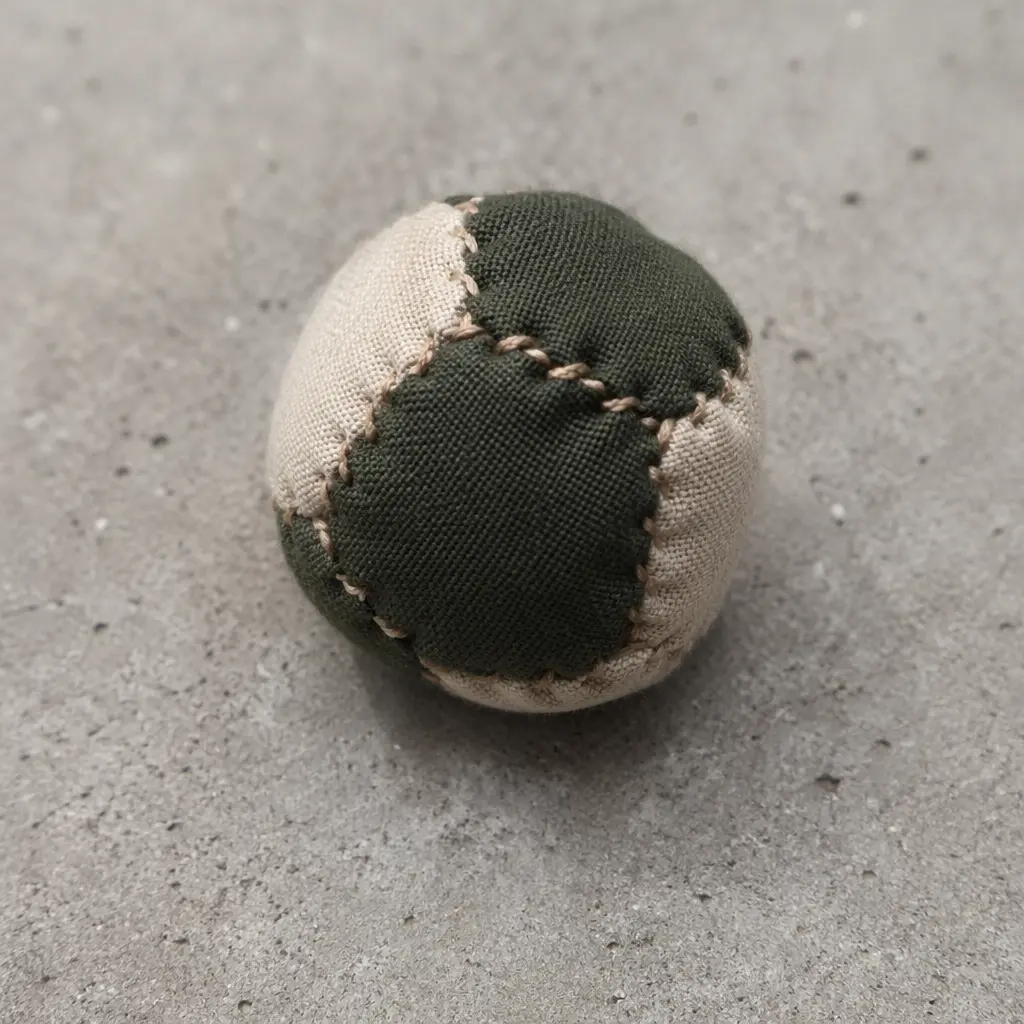
Design-wise, the best footbags balance weight and texture. Too light and they float unpredictably; too heavy and they drop like a stone. The familiar stitched panels and pellet fill create friction against shoes, making controlled stalls and passes possible even for beginners.
Who it’s for
Hacky Sack play typically starts around ages 6–7, once kids have the coordination to kick and track a small object. There’s no upper age limit. Teens and adults often rediscover it as a stress-relieving break or social warm-up. Because it’s non-contact and self-paced, it’s welcoming to mixed ages and skill levels.
Variants and what to look for today
Today’s footbags come in a range of materials and fills, from classic fabric-and-pellet designs to synthetic or suede-like shells. Beginners usually do best with slightly larger, softer bags that slow the game down. More experienced players prefer smaller, firmer options that allow precise control.
Quality stitching matters. Loose seams or uneven panels can change how the bag falls and wears over time. While inexpensive novelty versions exist, a well-made footbag will keep its shape and texture after hundreds of kicks. Look for even stitching, consistent fill, and a surface that offers grip without feeling sticky.
Frequently asked questions
Is Hacky Sack a sport or just a game?
It’s both. Casual circles focus on cooperation and fun, while organised footbag disciplines include freestyle routines and net-based play. Most people encounter it as a social game first.
Do you need special shoes?
No special footwear is required. Flat-soled trainers make learning easier, but many people play in whatever shoes they’re wearing.
Is it safe for indoor play?
Generally yes, as the bag is soft and quiet. Just be mindful of breakables and ceiling height.
Why did it become so popular in schools?
It’s inexpensive, inclusive, and easy for teachers and students to manage. A single bag can occupy a group without supervision or setup.
More than fifty years on, the Hacky Sack endures because it turns downtime into connection. It doesn’t demand attention; it invites participation. In a world of loud, complex toys, that quiet invitation still has power.