Klutz Craft Kits: How clear instructions made crafting click
Klutz craft kits took the fear out of arts and crafts by pairing playful projects with famously clear, foolproof instructions—turning “I can’t” into finished creations for kids and parents alike.
Compare prices and availability
Check current prices and availability for this guide on eBay.
As an eBay Partner, we may be compensated if you make a purchase.
For generations of kids, the hardest part of crafting wasn’t the glue or the scissors—it was knowing where to start. Klutz craft kits became iconic by solving that exact problem. They promised something deceptively simple: if you followed the steps, you would finish the project. No guesswork, no missing leaps, and no adult rescue required.
Where it came from
Klutz began in 1977 as a small publishing idea rather than a toy company. Its founders were focused on making instructional books that were genuinely usable by kids, written in a friendly, funny voice that assumed curiosity rather than expertise. Early Klutz titles mixed humor with precise diagrams, quietly redefining what "how-to" could feel like for young readers.
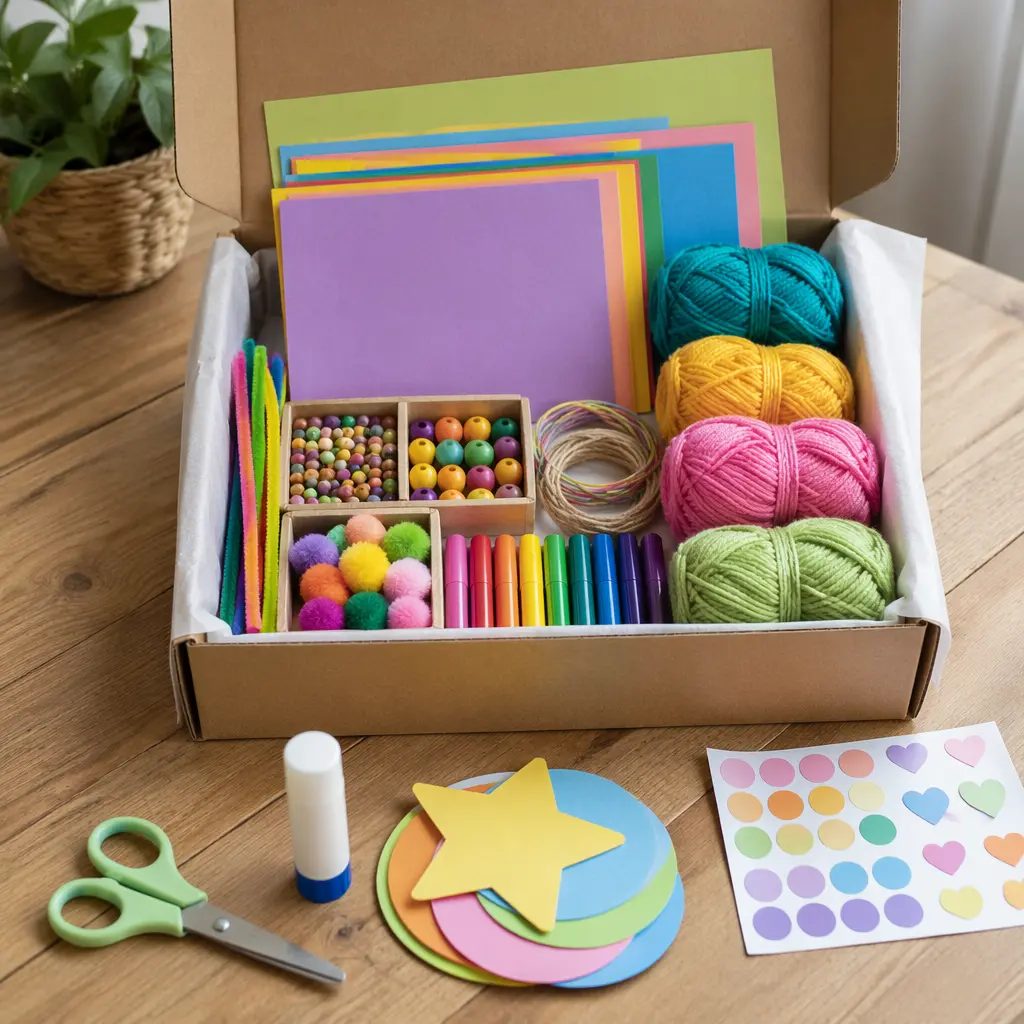
The leap from books to boxed craft kits was a natural extension. Instead of asking families to hunt down supplies, Klutz bundled the tools and materials directly with the instructions. The result was a self-contained experience: open the box, start on page one, and keep going until something recognizable emerged. In a category known for half-finished projects, that reliability stood out.
Why it works
Klutz kits succeed because they treat instructions as part of the product, not an afterthought. The tone is encouraging and forgiving, and the steps are broken down far more than most adult-directed craft books would dare. This lowers the intimidation factor while quietly teaching skills like sequencing, patience, and problem-solving.
- Step-by-step instructions that assume no prior skill
- Humorous, reassuring language that normalizes mistakes
- Materials sized and chosen for small hands
- Projects designed to look good even if not perfect
- A clear beginning, middle, and end to each activity
Equally important is the project selection. Klutz rarely aims for gallery-worthy art. Instead, it focuses on outcomes that feel achievable and satisfying: a bracelet that fits, a paper creation that stands up, or a simple sewn object that holds together. That sense of completion is what keeps kids coming back.
Who it's for
Most Klutz craft kits are aimed at primary-school-age children, roughly from early readers through tweens, with age guidance varying by project complexity. They’re especially appealing to kids who like structure or feel overwhelmed by open-ended art supplies. Parents and caregivers appreciate that the kits can be used independently, yet they’re also enjoyable as shared activities. There’s a quiet adult appeal too: many grown-ups find the clarity refreshing, especially if crafting never came naturally to them.
Variants and what to look for today
Today, Klutz exists as a broad family of kits covering everything from jewelry and paper crafts to simple sewing and activity hybrids that blend art with light science or puzzles. While themes change with trends, the core promise remains the same: clear guidance paired with the right materials.
When choosing a kit now, it’s worth paying attention to the stated age range and the number of projects included. Some focus on one in-depth build, while others offer multiple smaller activities. It’s also wise to be cautious with off-brand kits that mimic the look but skimp on instructions or materials; the clarity and pacing are what make the experience work.
Frequently asked questions
Do Klutz craft kits really work for beginners?
Yes. The kits are designed specifically for beginners, with steps broken down more finely than most craft guides. They assume no prior experience and explain not just what to do, but how it should feel when it’s going right.
How much adult help is usually needed?
That depends on the child’s age and the kit, but many are intended for independent use once started. Adults are most helpful at the beginning, helping set up materials and reading the first steps aloud.
Are the projects meant to be kept or reused?
Most projects are designed to be kept or worn, while the tools and leftover materials can often be reused creatively. The instruction books themselves are frequently revisited for reference.
What skills do kids learn from these kits?
Beyond crafting basics, kids practice following sequences, troubleshooting small mistakes, and finishing what they start. Those skills tend to transfer well to schoolwork and other hobbies.
Klutz craft kits endure because they respect their audience. By taking kids seriously as learners—and by sweating the details of instruction—they turned intimidating crafts into doable projects. The result isn’t just a finished bracelet or paper sculpture, but the confidence that comes from making something work.