Lalaloopsy and the Rag-Doll Revival of the 2010s
Lalaloopsy arrived in 2010 with stitched smiles, button eyes, and a softer idea of fashion dolls. The line mixed collectible design, storytelling, and craft-inspired aesthetics at a moment of change in the toy aisle.
Compare prices and availability
Check current prices and availability for this guide on eBay.
As an eBay Partner, we may be compensated if you make a purchase.
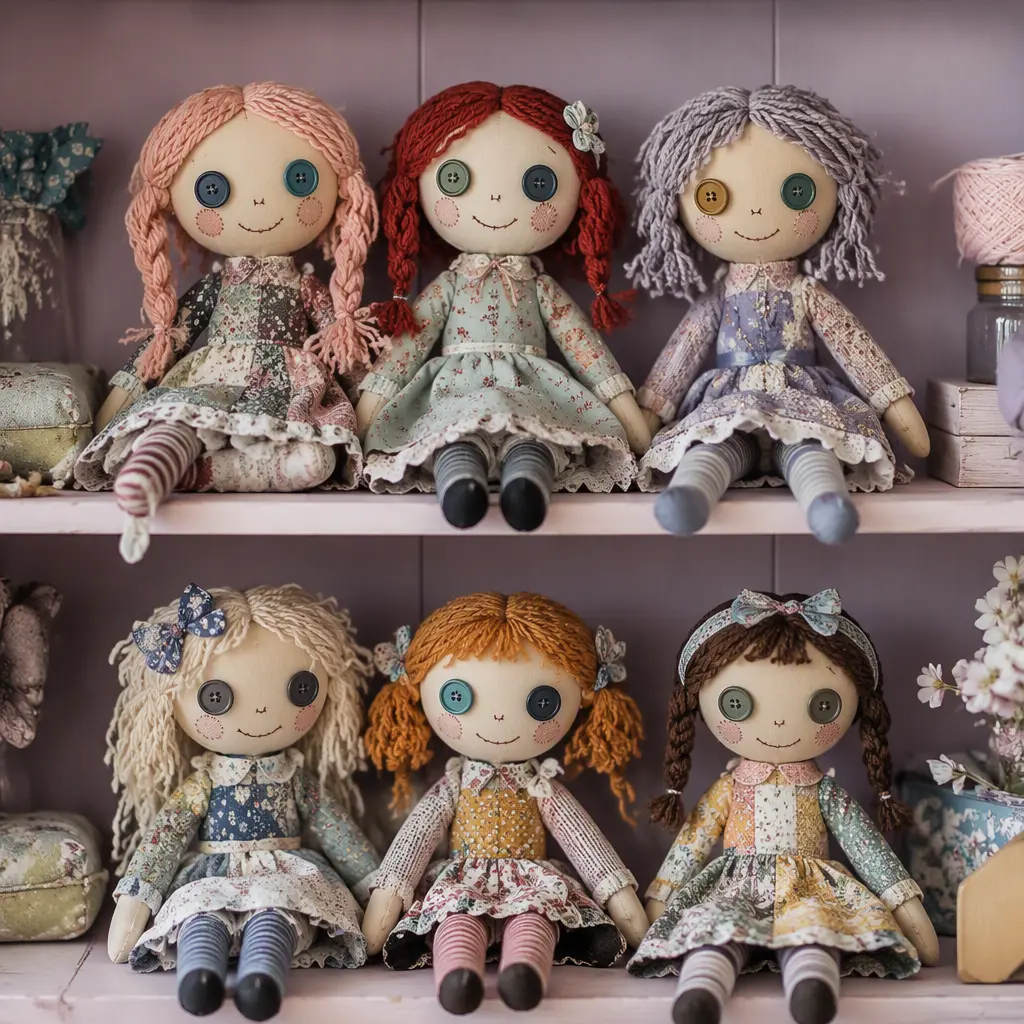
When Lalaloopsy dolls appeared in 2010, they stood apart from many fashion dolls on toy shelves. Instead of glossy realism or celebrity styling, the line leaned into the look of handmade rag dolls, complete with oversized button-style eyes, stitched smiles, patchwork-inspired outfits, and whimsical backstories. The dolls arrived at a moment when parents and children were starting to look for toys that felt imaginative and character-driven rather than strictly aspirational. That unusual timing helped Lalaloopsy become one of the more recognizable doll launches of the early 2010s.
Where it came from
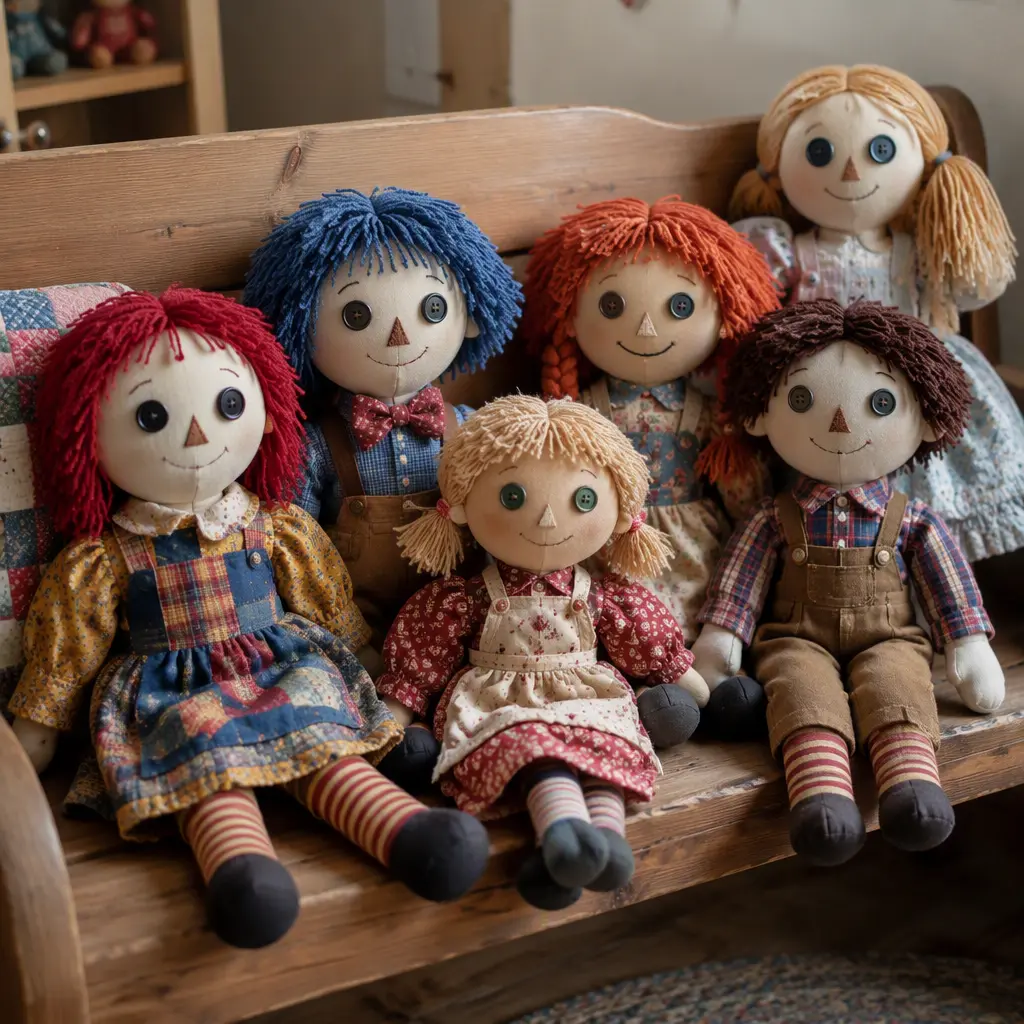
Lalaloopsy was introduced by MGA Entertainment in 2010, during a period when the doll market was becoming increasingly crowded. Fashion dolls had long emphasized glamour, trend cycles, and polished styling, but Lalaloopsy took inspiration from traditional rag dolls and sewing-room craft aesthetics instead. The dolls were designed around the idea that each character had been “sewn” from a specific fabric or material, which shaped their personality, clothing, and even pets.
That concept gave the line a built-in storytelling structure. A doll supposedly made from baking aprons might love cooking, while one stitched from winter scarves might enjoy snow days and cozy activities. The visual design reinforced the idea through faux stitching, bright fabrics, mismatched patterns, and playful proportions. Children could collect characters that felt distinct from one another without relying on a realistic appearance. At the same time, the line tapped into broader early-2010s interest in handmade crafts, vintage-inspired design, and quirky collectibles.
Why it works
Part of Lalaloopsy’s appeal comes from how clearly the dolls communicate their personalities through design alone. Even without reading packaging or watching related cartoons, most children could immediately tell that each doll represented a different hobby, mood, or imaginative world. The large heads, colorful hair, and button-style eyes made the dolls easy to recognize from a distance, while the stitched aesthetic softened the overall look compared with sharper, more fashion-focused dolls of the same era.
The dolls also encouraged a style of play that mixed collecting with storytelling. Unlike some fashion doll lines built mainly around outfit changes, Lalaloopsy characters often inspired role-play scenarios connected to baking, music, art, pets, sleepovers, or outdoor adventures. The accompanying mini dolls, houses, plush toys, and animated media expanded that world without changing the line’s central identity.
- Distinct rag-doll-inspired visual design with patchwork and stitched details
- Character personalities tied directly to fabrics, hobbies, and themes
- Collectible variety without relying on realism
- Bright colors and exaggerated shapes that appealed to younger children
- Expanded world through mini dolls, pets, playsets, and animation
Who it's for
Lalaloopsy originally targeted children roughly in the early elementary age range, especially those interested in imaginative play and collecting. The dolls tended to appeal to kids who enjoyed colorful characters and gentle fantasy more than highly fashion-oriented role-play. Smaller versions and softer plush adaptations also made the brand accessible to younger children under supervision. Adults became interested too, particularly collectors drawn to early-2010s toy trends, craft-inspired aesthetics, or nostalgia for a very specific moment in children’s entertainment. Today, the dolls often attract both longtime fans and newer collectors exploring toy history from the digital-media era.
Variants and what to look for today
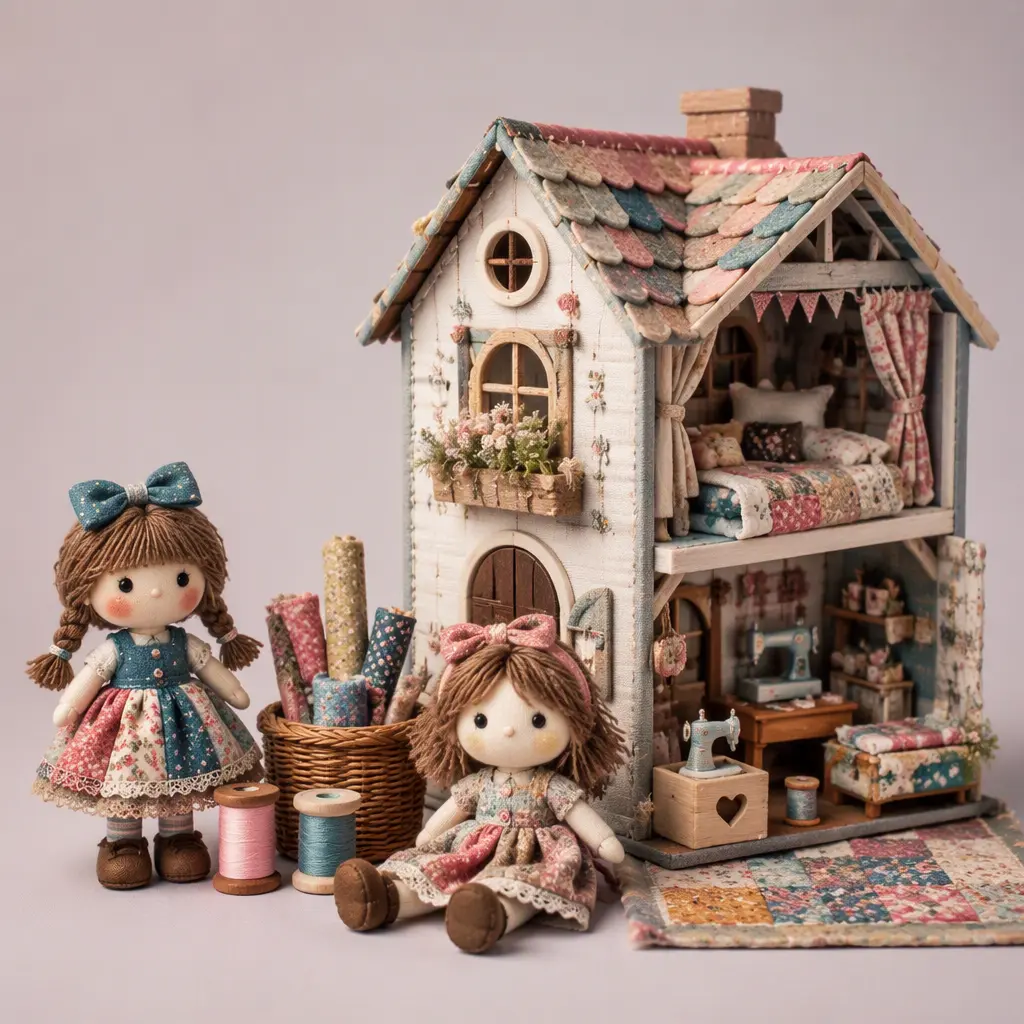
Over time, Lalaloopsy expanded into multiple sizes and formats. The original large dolls remained the centerpiece, but smaller collectible versions became especially popular because they were easier to store and trade. Plush editions softened the rag-doll concept even further, while themed playsets gave individual characters homes, shops, and fantasy environments. Some later releases updated hairstyles, proportions, or accessories to align with changing toy trends, but the stitched visual identity remained consistent.
Collectors looking for Lalaloopsy toys today will find a wide mix of rereleases, secondhand dolls, and accessories from the original 2010s run. Condition matters because many dolls included small accessories, pets, shoes, or themed props that are often missing years later. Hair texture and joint looseness can also vary depending on how heavily a doll was played with. Reproductions and simplified budget versions exist as well, so buyers usually pay attention to paint quality, fabric details, and overall sturdiness rather than simply searching for the rarest version.
- Original full-size dolls with themed outfits and pets
- Mini collectible dolls with compact playsets
- Soft plush adaptations for younger children
- Character houses and accessory-focused sets
- Secondhand dolls with complete accessories tend to hold more collector interest
Frequently asked questions
Why did Lalaloopsy stand out from other dolls?
The line avoided the polished realism common in many fashion dolls and instead used a handmade rag-doll look with stitched details, patchwork styling, and exaggerated proportions. That visual difference made the dolls instantly recognizable.
Were Lalaloopsy dolls mainly collectibles or play dolls?
They worked as both. Children often used them for imaginative storytelling and role-play, while collectors appreciated the themed character designs, colorful packaging, and wide variety of releases.
Are older Lalaloopsy dolls still easy to find?
Many are available through secondhand marketplaces, toy resellers, and collector communities. Common characters are generally easier to locate than special themed releases or complete playsets with all accessories included.
Did the brand expand beyond dolls?
Yes. The franchise grew into mini dolls, plush toys, animated content, playsets, and various licensed products. The broader world-building helped reinforce the personalities of the characters and kept the line visible during its peak years.
More than a decade after its launch, Lalaloopsy still captures a very specific shift in the toy industry. It showed that fashion dolls did not have to follow a single visual formula to succeed. By combining craft-inspired design, collectible characters, and approachable storytelling, the line created an identity that felt playful rather than polished. For many children of the early 2010s, the stitched smiles and patchwork outfits became part of the era’s toy landscape, and for collectors today, they remain a reminder of how quickly doll trends can evolve.