LEGO One Piece Sets and LEGO’s Expanding Anime Audience
LEGO’s planned One Piece sets mark a notable anime crossover for the brick brand, aiming beyond nostalgia toward teen builders, display collectors and manga-anime fans new to LEGO.
Compare prices and availability
Check current prices and availability for this guide on eBay.
As an eBay Partner, we may be compensated if you make a purchase.
LEGO’s move into One Piece territory stands out because it is not simply another retro-media tie-in aimed at adults who grew up in the 1980s or 1990s. The long-running manga and anime series still attracts new viewers globally, including teens and young adults who may not already see themselves as traditional LEGO fans. That gives the partnership a different kind of cultural role: less about revisiting childhood memories and more about connecting LEGO with a modern entertainment audience that treats anime as mainstream pop culture rather than a niche hobby.
Where it came from
The LEGO Group has spent years broadening its partnerships beyond classic movie franchises and superhero brands. Video games, music acts, botanical displays and lifestyle-focused kits have all become part of the company’s wider strategy. Anime, however, has remained a relatively cautious area for LEGO compared with other toy companies that embraced Japanese entertainment properties earlier.
One Piece changes that conversation because of the scale of the property itself. Since debuting as a manga in the late 1990s, the series has expanded into television, films, games, collectibles and live-action adaptations with a large international audience. A LEGO collaboration arriving in 2025 signals confidence that anime-themed building sets can succeed with both dedicated fans and more casual builders. It also reflects how anime fandom has become increasingly multigenerational, with older collectors displaying merchandise alongside younger viewers discovering the series through streaming services and social media.
Why it works
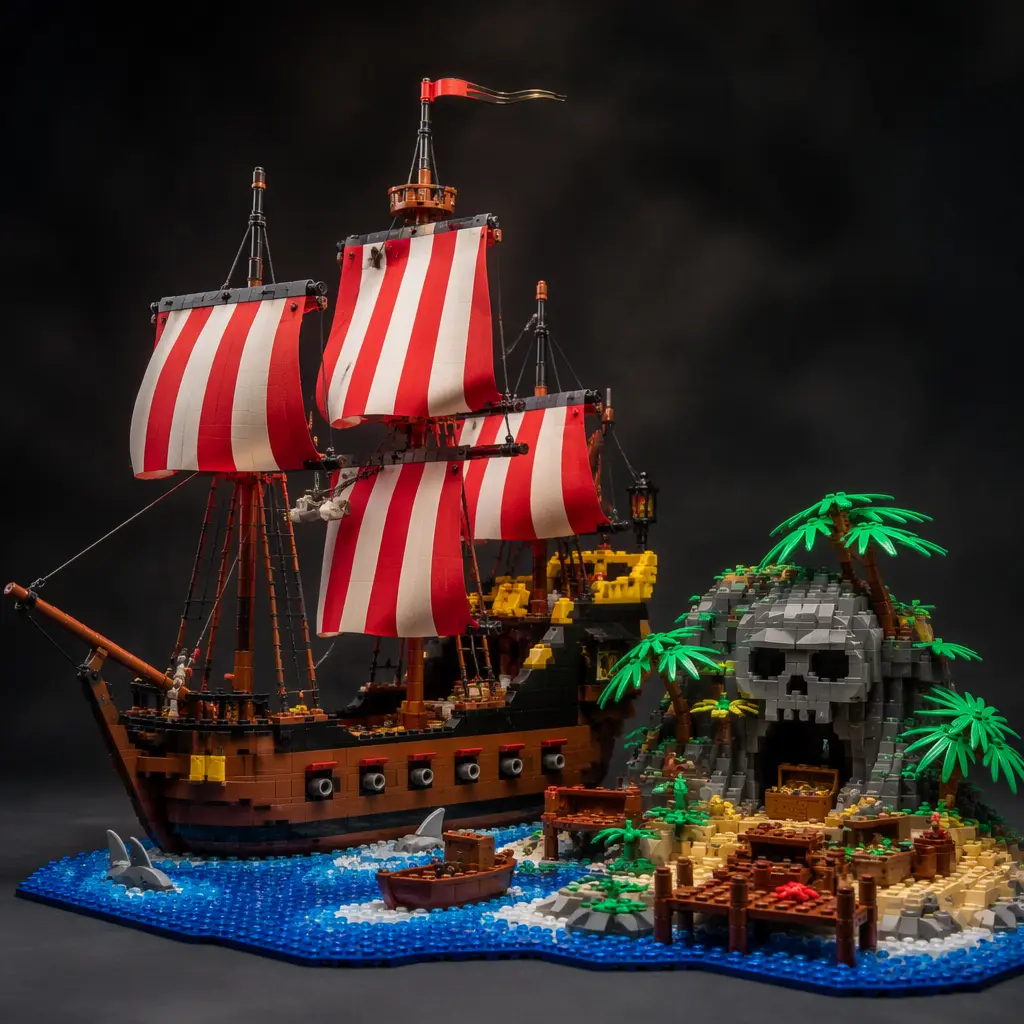
One Piece naturally fits the LEGO format because its world is built around recognizable locations, unusual vehicles and visually distinct crews. Pirate ships, island hideouts, marketplaces and fantasy architecture all translate well into construction play. The exaggerated art style of anime can also work surprisingly well in brick form, where simplified shapes and bold colors often matter more than realism.
There is also a built-in split between play value and display value. Younger builders may focus on action scenes and modular environments, while older fans are more likely to treat completed sets as shelf pieces connected to favorite story arcs or characters. That dual appeal has become increasingly important for LEGO as the company balances toy-store audiences with adult collector markets.
- Pirate ships and fantasy islands that suit large brick-built displays
- Distinct crews and locations that can support multiple set sizes
- Strong crossover appeal between anime fans and established LEGO collectors
- Display-friendly designs likely to attract teen and adult audiences
- Potential for imaginative rebuilding beyond screen-accurate scenes
Who it's for
The likely audience stretches wider than many licensed building themes. Younger fans may be drawn in through the adventure setting and colorful designs even if they are not deeply familiar with the source material. Teen builders and college-age collectors are an especially important group because anime fandom often overlaps with gaming, model kits and display collectibles. Adult LEGO enthusiasts may also view the sets as part of a broader shift toward pop-culture themes that feel newer than traditional movie nostalgia. Parents shopping for younger children may still want to check recommended age ranges carefully, since anime-inspired display sets can include smaller pieces and more complex builds aimed at older builders.
Variants and what to look for today
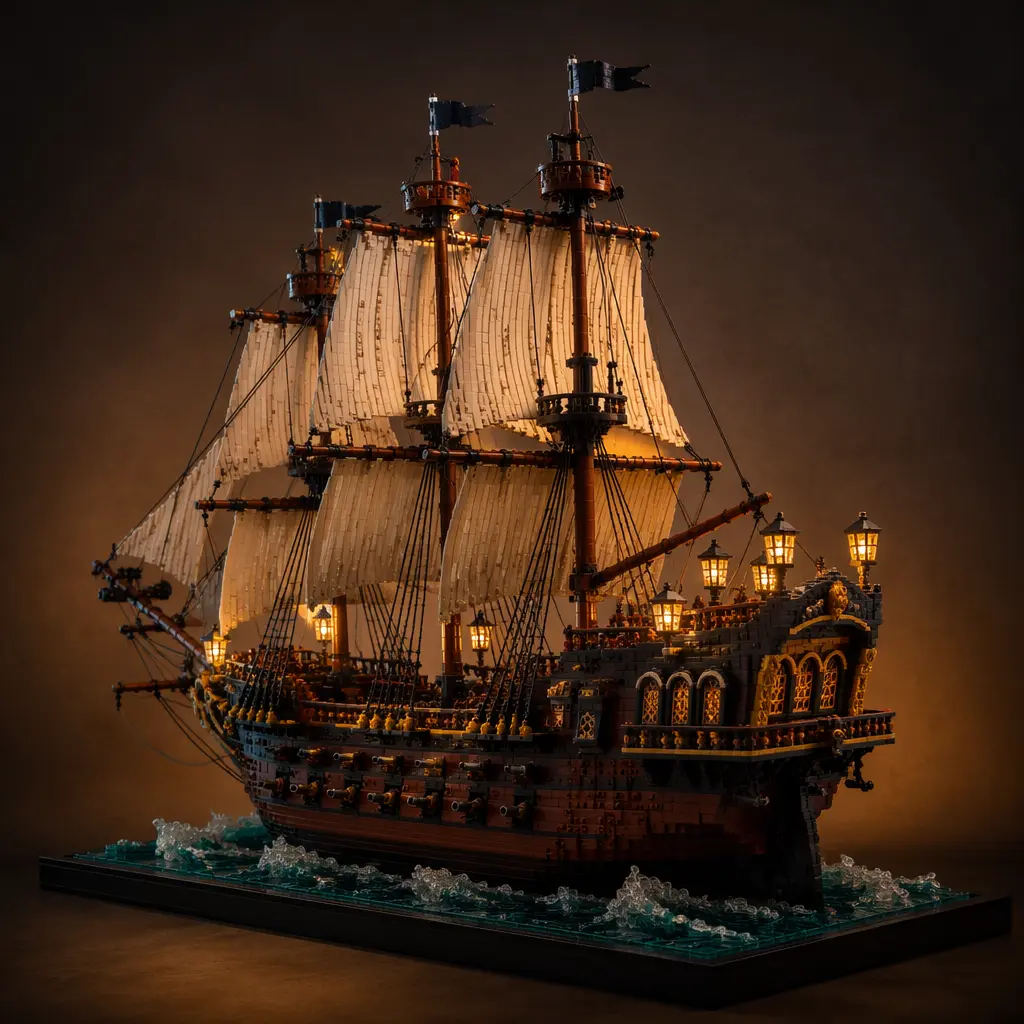
As with most major licensed LEGO launches, the range will likely matter as much as the headline partnership itself. Smaller entry-level builds can introduce younger fans to the theme, while larger display-oriented sets are more likely to target collectors who already buy premium LEGO releases. Ship builds, crew-focused scenes and location-based dioramas all make sense within the One Piece universe, especially because the series spans so many environments and visual styles.
Collectors should also pay attention to the difference between official LEGO products and generic anime-compatible construction sets sold through online marketplaces. Unlicensed alternatives often imitate the overall look of popular franchises without matching LEGO’s part consistency or instructions. For casual buyers, packaging photos can sometimes make unofficial products appear more polished than they are.
- Look for official retailer listings and clear LEGO branding when shopping online
- Younger builders may prefer smaller play-oriented sets over display-heavy builds
- Larger ship or environment sets will likely appeal more to collectors
- Storage space matters because licensed display builds can become surprisingly large
- Some sets may emphasize decoration and posing more than open-ended rebuilding
Frequently asked questions
Why is LEGO partnering with anime franchises now?
Anime has become a major global entertainment category rather than a niche import market. For LEGO, partnerships like One Piece offer access to audiences that may already collect figures, model kits or gaming merchandise but do not necessarily buy traditional construction toys.
Are these sets mainly for adults?
Not exclusively. Licensed LEGO themes usually include a range of complexity levels. Some builds are designed for younger fans and casual play, while others are aimed more at display collectors and experienced builders.
Will One Piece work well as a building theme?
The series is especially adaptable because it features ships, islands, cities and distinctive visual landmarks. Those elements fit naturally into LEGO’s mix of vehicles, structures and character-based play.
Do anime-themed LEGO sets change the brand’s image?
They broaden it more than replace it. LEGO still relies heavily on evergreen themes and family-oriented building, but anime partnerships suggest the company sees long-term value in older kids, teens and adult fandom communities that grew outside traditional toy aisles.
Whether the One Piece sets become a lasting pillar or a shorter experimental partnership, they represent an important moment for LEGO’s modern identity. The company is no longer only competing for children’s attention or adult nostalgia. It is increasingly positioning itself inside wider entertainment culture, where anime, streaming and collector communities overlap. That makes One Piece more than a simple licensed release. It is a sign of how construction toys continue adapting to the tastes of a changing audience.