Melissa & Doug Wooden Puzzles: The quiet power of wood
From chunky peg boards to tidy tray puzzles, Melissa & Doug’s wooden puzzles became a dependable staple of early childhood play by focusing on durability, clarity, and hands-on learning.
Compare prices and availability
Check current prices and availability for this guide on eBay.
As an eBay Partner, we may be compensated if you make a purchase.
In playrooms, classrooms, and waiting rooms, wooden puzzles have a way of fading into the background—until you notice how often they’re being used. Among the most familiar are Melissa & Doug wooden puzzles: solid boards with chunky pieces, friendly illustrations, and an unmistakable sense that they’re built to last. They’re not flashy, and that’s exactly the point. Over the past few decades, these puzzles have become a quiet cornerstone of early childhood play.
Where it came from
Melissa & Doug began in the late 1980s, when founders Melissa Bernstein and Doug Bernstein started designing children’s products with a focus on hands-on, screen-free play. Wooden puzzles were part of that early vision: familiar enough to be trusted by parents, but thoughtfully refined for young hands and developing minds.
The original appeal was practical. Wooden puzzles had long been used in preschools and nurseries because they could survive heavy use and rough handling. Melissa & Doug leaned into that tradition, emphasizing sturdy construction, clear themes, and educational value without turning play into a lesson plan. By the 1990s and 2000s, their puzzles were a common sight in early learning environments, helping cement the brand’s reputation.
Why it works
At their core, these puzzles succeed because they respect how young children actually play. Pieces are thick enough to grip, images are easy to interpret, and the challenge level is carefully calibrated. The goal isn’t speed or complexity—it’s confidence. Completing a puzzle feels achievable, even for first-time players.
Design choices that seem simple add up to a satisfying experience:
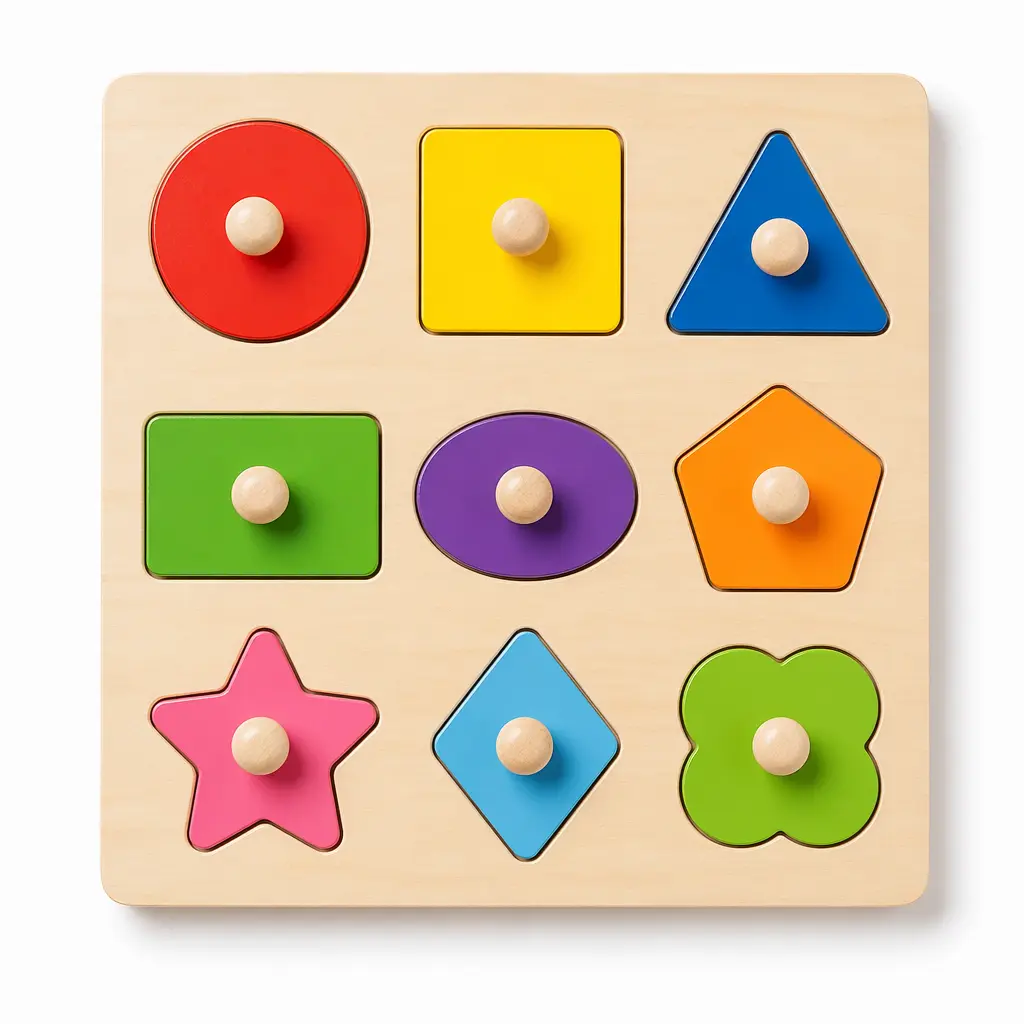
- Chunky wooden pieces that are easy for small hands to grasp
- Peg handles or raised shapes for early fine motor practice
- Clear, familiar themes like animals, vehicles, letters, and everyday objects
- Durable wood construction that resists bending and tearing
- Bright but not overwhelming colors that support visual recognition
Because of this, the puzzles work just as well for independent play as they do for shared moments with an adult. A child can explore freely, while a parent or teacher can gently guide conversation about colors, shapes, or names without interrupting the fun.
Who it’s for
Melissa & Doug wooden puzzles are primarily aimed at toddlers and preschoolers, typically starting around age two and extending into the early primary years depending on puzzle complexity. That said, their appeal isn’t limited to children. Parents appreciate the durability and educational value, while educators rely on them as dependable classroom tools. Even adults often remember them fondly as the puzzles that survived multiple siblings.
Variants and what to look for today
Today, the wooden puzzle range is broad. You’ll find classic peg puzzles for beginners, tray-style jigsaw puzzles with more pieces, and themed sets that introduce numbers, letters, or simple problem-solving concepts. Some designs layer difficulty by adding more pieces or subtler image differences as children grow.
When choosing one now, it’s worth paying attention to piece thickness, smooth edges, and how securely the images are applied. Well-made wooden puzzles should feel solid, with no splintering or loose parts. Be cautious of very lightweight copies that look similar but don’t hold up to repeated use—durability is part of the value here.
Frequently asked questions
Are wooden puzzles better than cardboard for young children?
Wooden puzzles tend to be more durable and easier for small hands to manage. Cardboard puzzles can be great too, but wood holds up better to chewing, bending, and frequent use.
Do these puzzles actually teach anything?
They support fine motor skills, hand–eye coordination, and early problem-solving. While they’re not formal teaching tools, they create a foundation for learning through play.
How long do children usually use them?
Many children return to wooden puzzles over several years, starting with simple matching and gradually mastering more complex designs. Their durability makes long-term use possible.
Are they safe for toddlers?
Quality wooden puzzles designed for toddlers use non-toxic paints and rounded edges. Always check age recommendations and supervise very young children during play.
In a toy market filled with blinking lights and digital tie-ins, Melissa & Doug wooden puzzles stand out by not trying to stand out at all. Their success comes from reliability, thoughtful design, and an understanding that sometimes the best toys are the ones that quietly do their job, day after day.