MGA’s Miniverse Foods and the Rise of Tiny DIY Collectibles
MGA’s Miniverse Foods turned miniature resin meals into a social-media-ready hobby toy, blending crafting, collecting, and display culture into one surprisingly detailed format.
Compare prices and availability
Check current prices and availability for this guide on eBay.
As an eBay Partner, we may be compensated if you make a purchase.
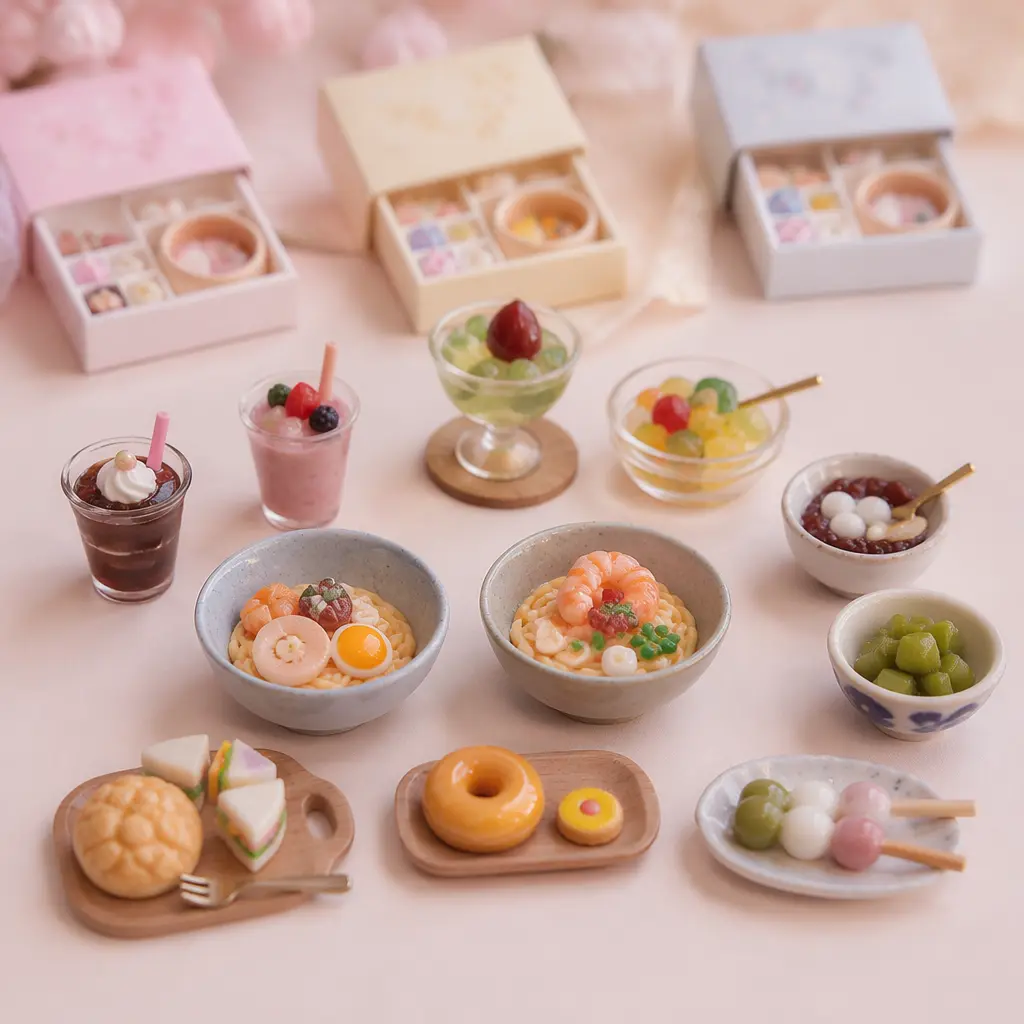
MGA’s Miniverse Foods arrived at a moment when toy trends, craft culture, and social-media collecting were already overlapping. The line takes the familiar surprise-unboxing formula and combines it with miniature DIY food projects that users assemble themselves using resin, tiny accessories, and display-ready containers. What could have been a novelty instead became one of the most recognizable toy-craft hybrids of the early 2020s, especially among tweens, teens, and adults drawn to miniature hobbies. The appeal is easy to understand once you see the scale. Tiny ramen bowls, iced drinks, baked treats, and café-style desserts are recreated with enough detail to resemble scaled-down display props rather than traditional toys.
Where it came from
MGA Entertainment launched Miniverse Foods in 2023 as part of the company’s broader push into collectible and visually shareable toys. The concept borrowed ideas from several existing trends at once: blind-box collecting, dollhouse miniatures, slime and resin crafting, and the online popularity of miniature cooking videos. Instead of offering a finished collectible figure, the product asked users to build the miniature item themselves.
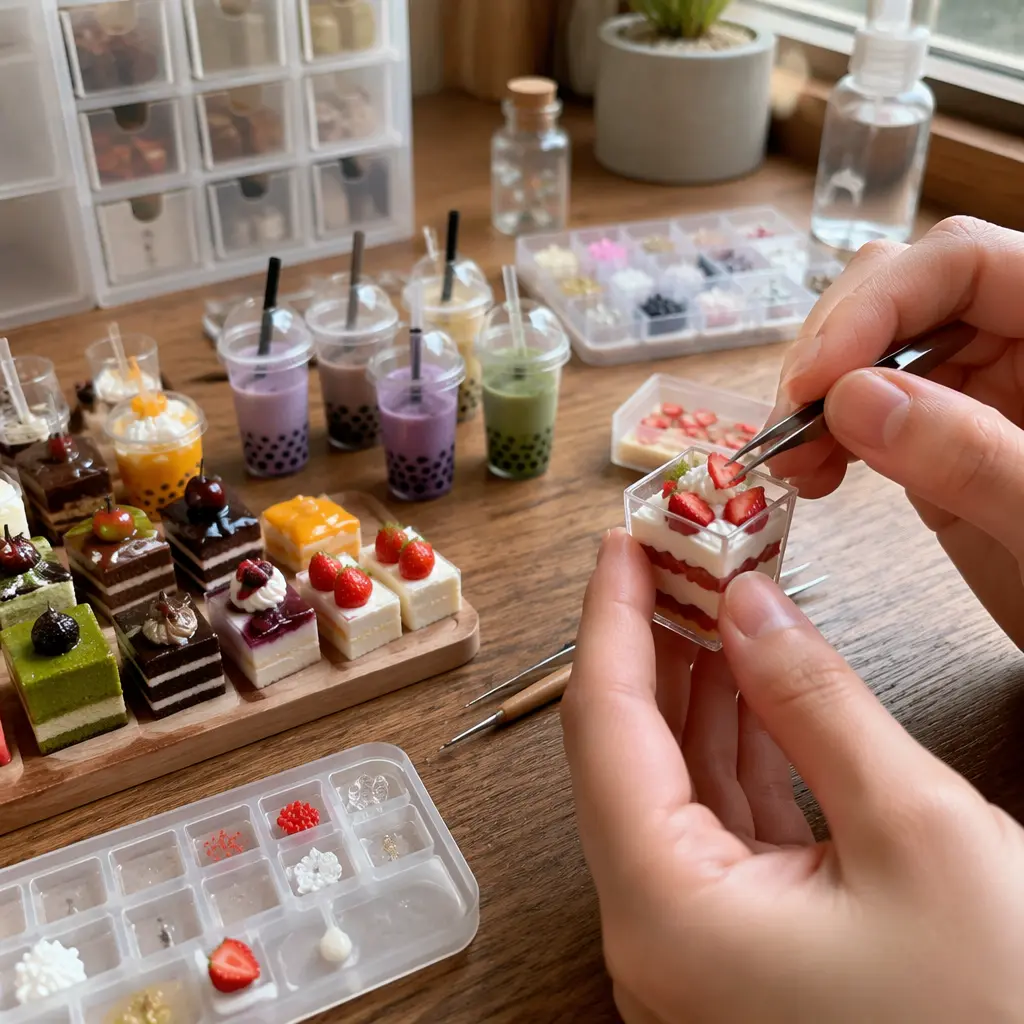
The original sets were packaged like capsule collectibles, with ingredients, containers, and tiny accessories hidden inside layered packaging. After assembly, the resin elements could be cured under sunlight or ultraviolet light to harden into a permanent display piece. That shifted the experience away from ordinary pretend play and toward hobby crafting. For many buyers, especially older kids and adults, the finished item became part desk decoration, part collectible shelf piece, and part social-media project.
Why it works
The strongest idea behind Miniverse Foods is scale. Miniatures have always fascinated collectors because they compress recognizable real-world objects into tiny, highly detailed versions. Miniverse leans fully into that instinct. The containers resemble takeout drinks, bakery trays, cereal bowls, and café desserts, but at dollhouse size. The process of pouring resin, arranging toppings, and curing the final piece gives users a sense of completion that ordinary collectibles usually do not provide.
The kits also fit modern play habits unusually well. They are tactile enough for craft-oriented kids, visually satisfying for collectors, and highly photogenic for short-form video platforms. Unlike many craft kits that are used once and discarded, Miniverse creations are intended to remain on display afterward. That display element helped expand the audience beyond younger children into teen and adult collectors who enjoy shelf aesthetics and tiny decorative objects.
- Blind-pack style unboxing combined with hands-on crafting
- Highly detailed miniature food themes inspired by cafés, desserts, and drinks
- Resin curing process that creates permanent display pieces
- Compact projects that can usually be completed in a short session
- Collectible variety encourages trading and repeat collecting
Who it’s for
Miniverse Foods sits in an unusual age range compared with many collectible toys. Younger children may enjoy the tiny accessories and colorful designs, but the resin process and very small parts make the line more suitable for older kids, teens, and supervised crafting sessions. Adult collectors are also a major part of the audience. Some approach the sets like miniature model kits, while others treat them as desk decorations or part of larger dollhouse and display collections. The line appeals especially to people who enjoy relaxing craft projects without committing to a large or expensive hobby setup.
Variants and what to look for today
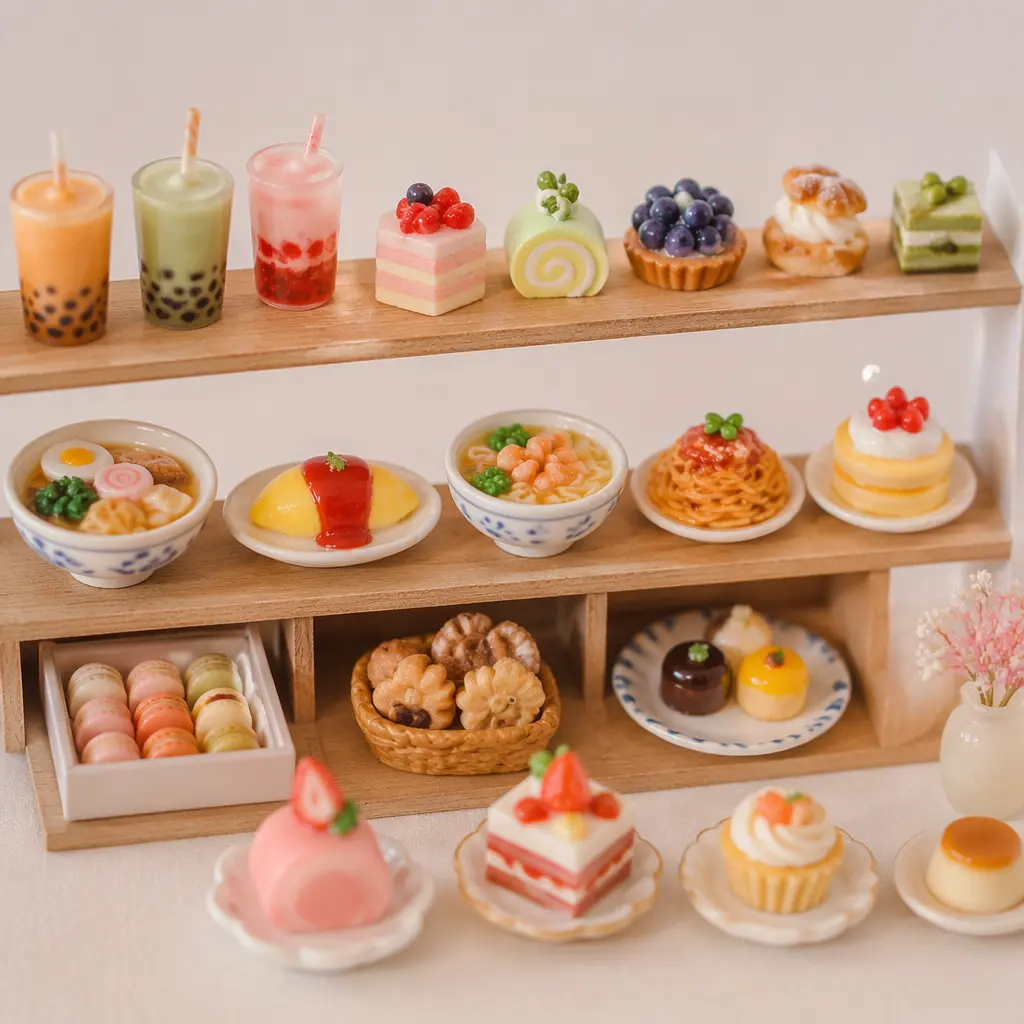
The Miniverse Foods family expanded quickly after launch. Different waves introduced themed cafés, diner-style meals, desserts, holiday treats, and drink collections. Some sets leaned toward realistic food styling while others emphasized bright colors and novelty presentation. Larger themed bundles and display-oriented multipacks also appeared as the line gained popularity.
If you are shopping for Miniverse products today, it helps to pay attention to the crafting format as much as the collectible theme. Some buyers want the surprise element of blind capsules, while others prefer visible sets that show the finished project in advance. Because the products involve resin and miniature accessories, quality and safety matter more than with standard collectibles. Generic imitation kits may use lower-quality materials or poorly fitting accessories.
- Check age guidance carefully because of resin materials and tiny parts
- Look for complete kits with curing instructions included
- Collectors often prefer unopened capsules for trading purposes
- Display shelves and miniature storage containers are popular accessories
- Avoid low-quality imitation mini food kits with unclear material labeling
Frequently asked questions
Are Miniverse Foods toys or craft kits?
They function as both. The collectible packaging and themed series resemble modern toy lines, but the hands-on assembly process feels closer to a beginner craft project or miniature model kit.
Why did the line become so popular online?
The combination of unboxing, miniature assembly, and visually satisfying finished results worked especially well on short-form video platforms. Tiny food replicas are easy to film and photograph, and the projects are compact enough to complete in one sitting.
Do people actually play with the finished miniatures?
Some users incorporate them into dollhouse scenes or imaginative setups, but many collectors primarily display them. The finished resin pieces are often treated more like decorative miniatures than action-oriented toys.
Are these connected to traditional dollhouse miniatures?
They share some similarities with dollhouse collecting, especially in scale and realism, but Miniverse products are designed around accessible DIY assembly and mainstream retail collecting rather than traditional handcrafted miniature hobbies.
Miniverse Foods succeeded because it tapped into several hobbies at once without fully belonging to any single category. It offers the surprise appeal of collectibles, the satisfaction of crafting, and the visual charm of miniature art. In an era where toys increasingly compete with digital entertainment, the line stands out by giving users something tactile, creative, and display-worthy to make with their own hands. That blend of process and collectible payoff helped transform tiny resin snacks into one of the defining toy trends of the contemporary miniature boom.