Mi-Mo the AI Robot and the New Wave of Family AI Toys
Mi-Mo the AI Robot represents a new category of screen-linked AI companions for families, blending conversation, app-connected features and animated robotics with questions about privacy and offline play.
Compare prices and availability
Check current prices and availability for this guide on eBay.
As an eBay Partner, we may be compensated if you make a purchase.
Mi-Mo the AI Robot arrives at a moment when toy companies and consumer tech brands are both experimenting with the same idea: a conversational companion that feels more interactive than a traditional electronic toy, but more approachable than a full smart speaker. Positioned as a family-friendly AI robot with screen-linked features, Mi-Mo sits in the growing category of connected toys that combine voice interaction, animated movement and app-supported content. The appeal is easy to understand. Children increasingly expect toys to react, answer questions and change over time, while parents are trying to balance novelty with concerns about privacy, screen time and long-term usefulness.
Where it came from
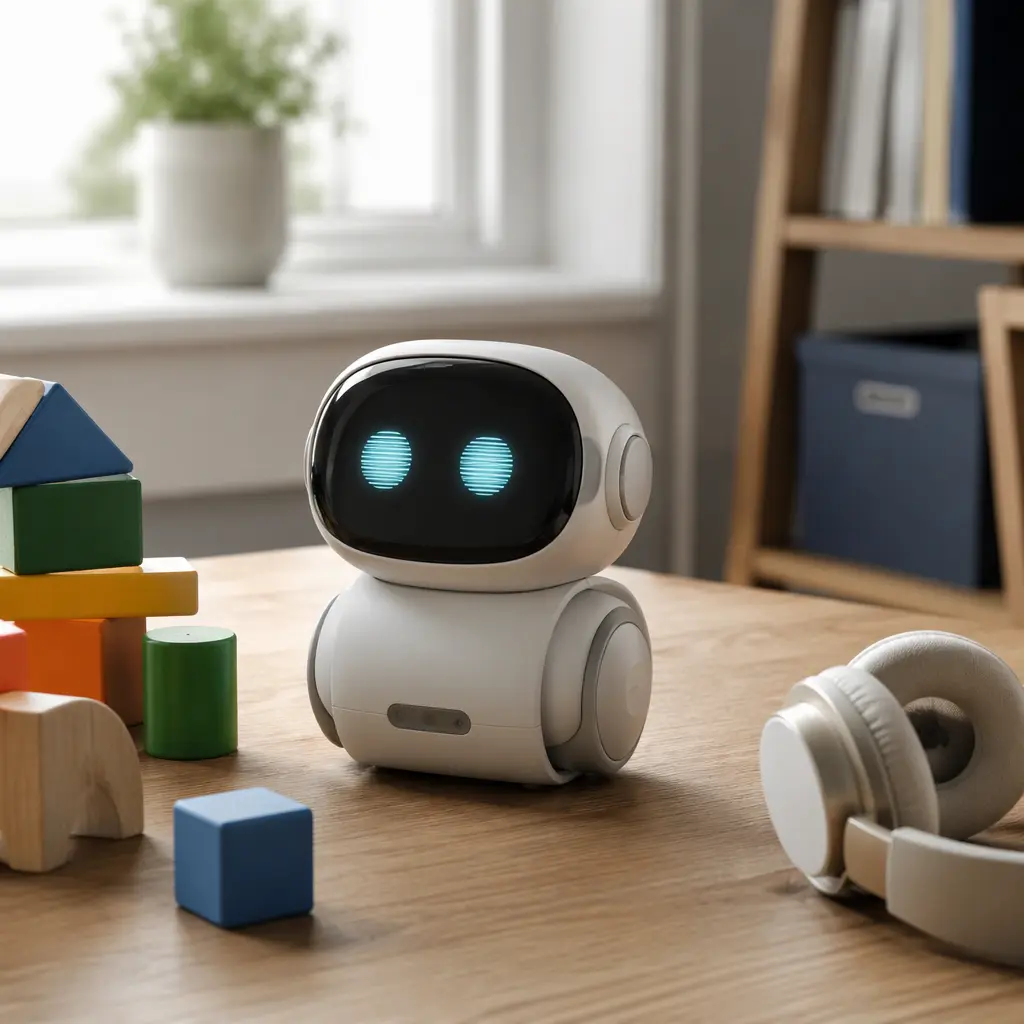
Mi-Mo belongs to a newer generation of AI-linked toys that emerged after advances in consumer voice assistants and generative AI tools became widely accessible. Earlier electronic companions typically relied on pre-recorded phrases or limited scripted interactions. Newer products instead connect to cloud-based systems that can interpret broader questions, generate varied responses and potentially update features over time through companion apps or online services.
That shift changes expectations around what a toy robot is supposed to do. Instead of repeating a small library of responses, connected AI toys are marketed more as ongoing companions or educational helpers. In practice, this also means the experience can depend heavily on internet access, app support and the manufacturer's long-term software plans. For families considering a toy like Mi-Mo, the hardware is only part of the product. The connected ecosystem behind it matters just as much, especially when features involve voice processing, cloud accounts or personalized interactions.
Why it works
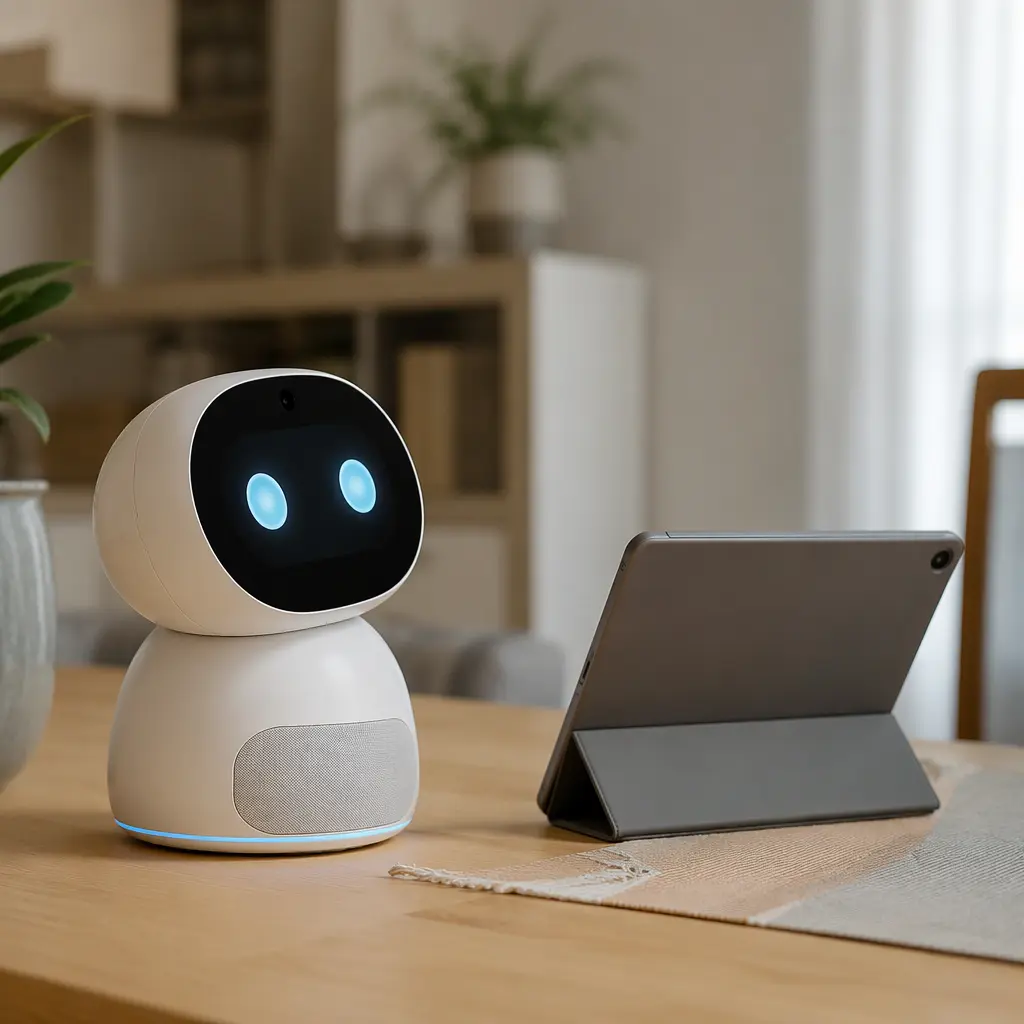
The strongest AI companion toys succeed because they blend several kinds of play at once. A robot like Mi-Mo is part animated gadget, part conversational assistant and part character toy. Movement and sound help make interactions feel more lifelike, while a linked screen or app expands what the toy can display or respond to. That combination can make even simple exchanges feel engaging to younger children, particularly when the robot reacts with gestures, tones or changing expressions.
At the same time, the category raises practical questions that did not apply to older electronic toys. Families often want to know whether conversations are processed locally or sent to cloud servers, whether recordings can be reviewed or deleted, and how much functionality remains available if internet access is disabled. Some connected toys rely heavily on online AI services for their core interactions, while others retain basic offline games, movement routines or scripted responses when disconnected. The difference can shape whether the toy still feels useful after the novelty fades or if support changes later on.
- Voice interaction paired with movement, lights or animated expressions
- Screen-linked activities or app-connected features
- Potential for evolving responses through cloud-based AI systems
- Parental controls and account settings that may affect privacy options
- Offline functionality that can vary depending on the toy's software design
Who it's for
Mi-Mo is aimed primarily at families interested in technology-forward play rather than traditional action toys or collectibles. Younger children are likely to focus on the robot's personality and responsiveness, while older kids may treat it more like an interactive gadget or conversational assistant. Adult interest is also part of the market for modern companion robots, especially among parents curious about how AI tools are entering everyday home products. As with many connected toys, the best experience may depend on a household's comfort level with apps, Wi-Fi setup and account management. Families looking for unplugged play may find a cloud-linked robot less appealing unless offline modes remain substantial and easy to access.
Variants and what to look for today
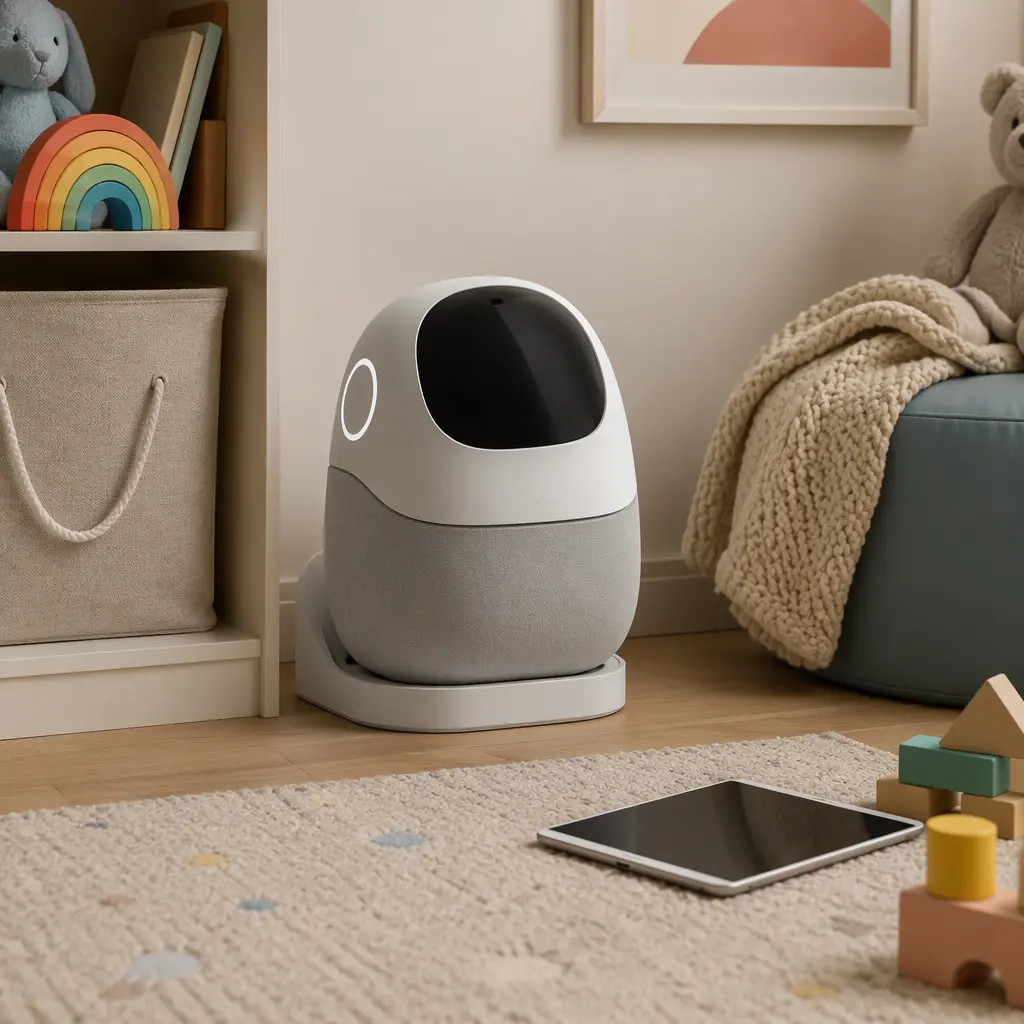
The market around AI companion toys changes quickly, and products like Mi-Mo often evolve through software updates as much as through physical redesigns. Some versions of connected robots focus heavily on educational prompts and storytelling, while others emphasize casual conversation, games or emotional reactions. Retail listings can also differ by region depending on language support, app availability and local privacy regulations.
Families shopping for a connected AI robot should pay close attention to what requires a companion app, whether a subscription or account system is involved, and which features need an active internet connection. Device compatibility matters as well. Some toys support only certain mobile operating systems or regional app stores. It is also worth checking how the manufacturer describes data handling practices, parental controls and software support expectations.
- Look for clear information about app compatibility and required devices
- Check whether key features depend on cloud access or paid services
- Review available parental settings before setup
- Be cautious of generic imitation robots with unclear software support
- Confirm regional language support if voice interaction is important
Frequently asked questions
Does Mi-Mo work without the internet?
That depends on how the robot's features are designed. Many AI-linked toys keep some basic movement routines, sounds or scripted activities available offline, but conversational AI features often rely on cloud processing. Families should expect the online connection to affect the overall experience.
Is Mi-Mo using generative AI?
Connected companion robots may combine several technologies at once. Some responses can come from scripted dialogue trees, while broader question answering may rely on generative AI systems hosted online. Manufacturers do not always separate these clearly in marketing, so feature descriptions are worth reading carefully.
What privacy concerns come with AI toys?
The main concerns usually involve microphones, stored voice data, account systems and cloud processing. Parents often want to know what information is retained, whether recordings are used to improve services and how data can be managed or deleted. Regional privacy rules may also affect which features are available.
Are AI robots replacing traditional toys?
Not necessarily. Most AI companion robots function best as a mix of gadget and toy rather than a replacement for physical play. Many families still use them alongside building toys, crafts, plush characters or outdoor activities rather than as a standalone entertainment device.
Mi-Mo the AI Robot reflects where the toy industry is heading: toward products that blend personality, software and connected services into a single play experience. That makes these toys feel more dynamic than older electronic companions, but it also introduces new questions about privacy, longevity and dependence on cloud systems. For families interested in emerging technology, that balance is now part of the purchase decision just as much as the robot's movements, voice or design.