Mighty Beanz: The wobbling toy that took over school tables
Mighty Beanz turned simple bean-shaped capsules into collectible stunt toys, blending chance, skill, and playground competition during the early 2000s craze.
Compare prices and availability
Check current prices and availability for this guide on eBay.
As an eBay Partner, we may be compensated if you make a purchase.
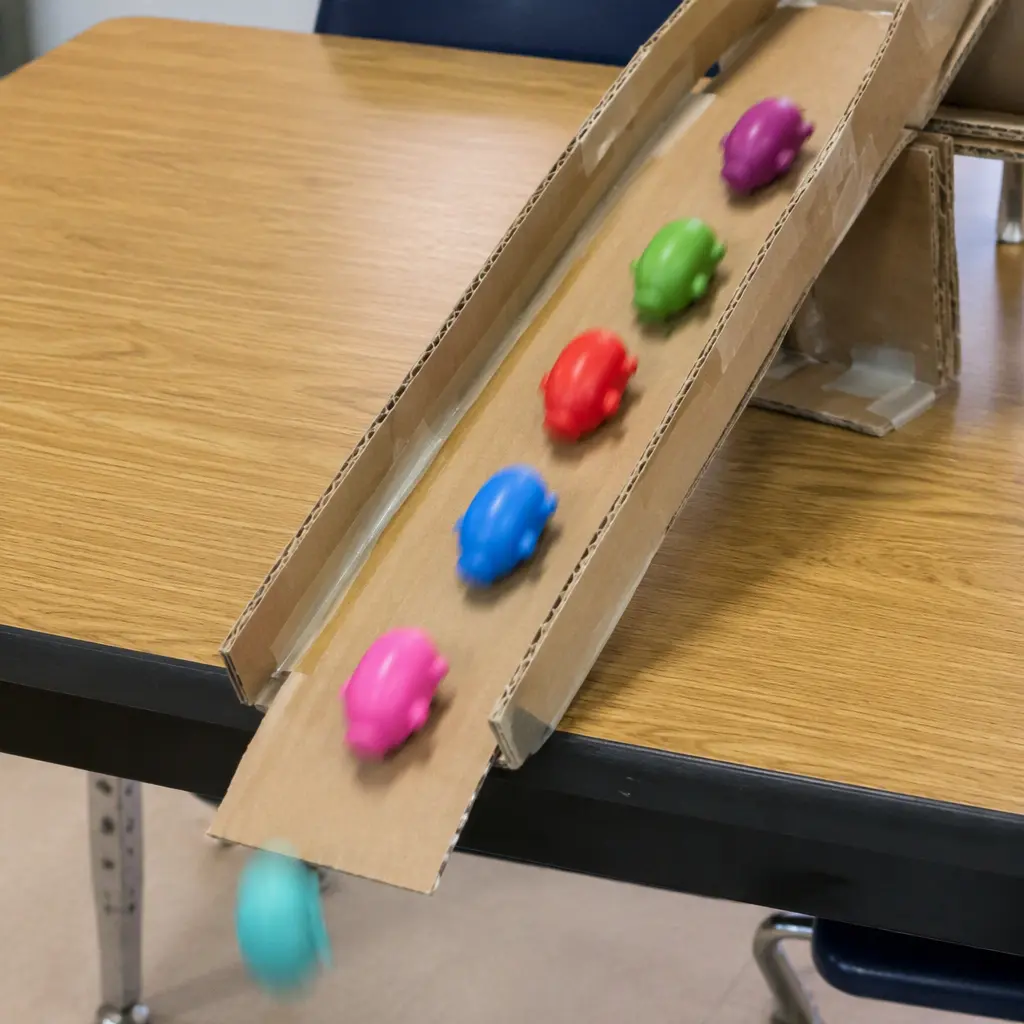
Mighty Beanz arrived during the early 2000s collectible boom, but they stood out because they were built to move. Instead of sitting on a shelf like trading cards or mini figures, these small bean-shaped capsules rocked, rolled, flipped, and bounced unpredictably across cafeteria tables and classroom desks. Kids stacked books into ramps, built obstacle courses from pencil cases, and invented competitions that mixed racing, trick shots, and pure luck. The toys were simple enough to fit in a pocket yet strange enough to feel unlike anything else in the toy aisle at the time.
Where it came from
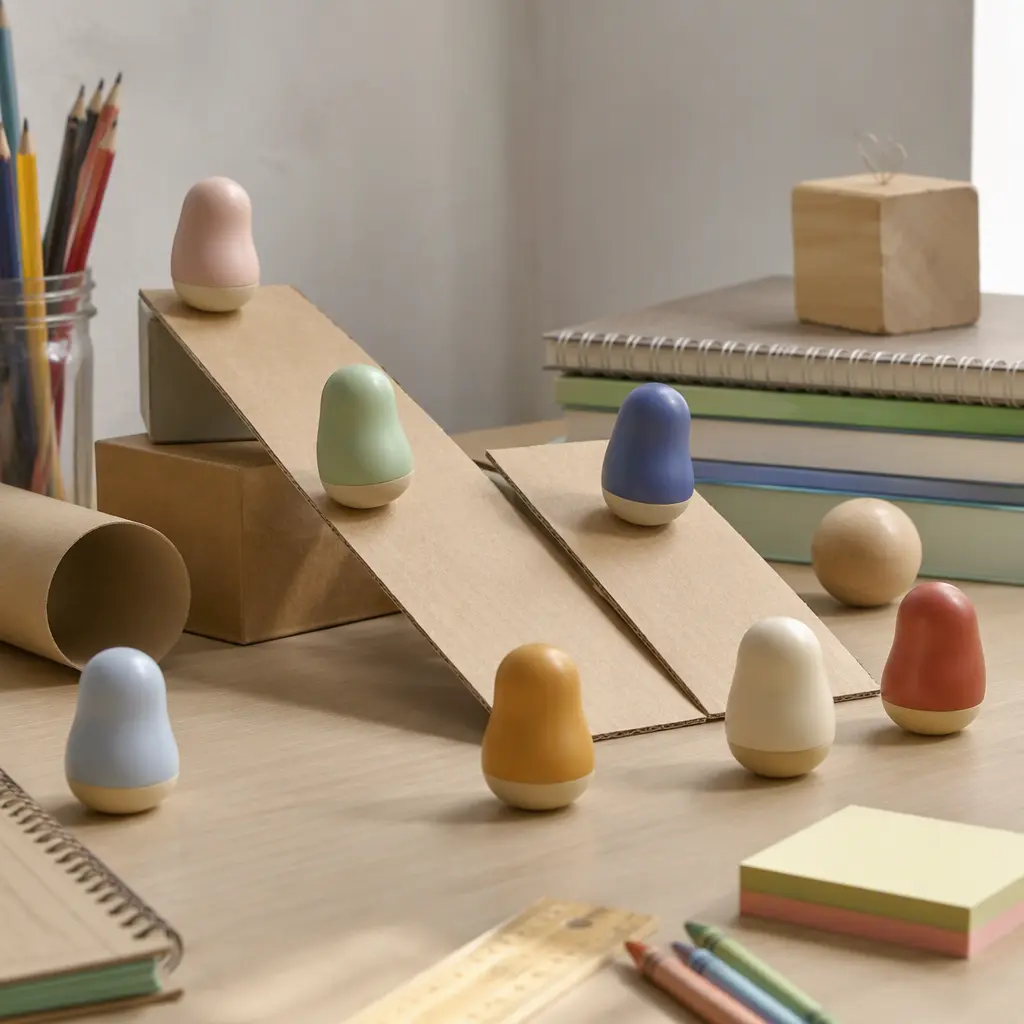
Mighty Beanz launched in 2002 through Australian toy company Moose Toys, a brand that would later become known for collectible lines and surprise-based play patterns. The concept was intentionally uncomplicated: small plastic beans filled with a weighted insert that shifted as the toy moved. That off-center weight gave each bean its signature wobble, making every roll slightly unpredictable. The design encouraged experimentation because players could never fully control how the toy would land or travel.
The timing mattered. Early-2000s playground culture was full of portable collectibles that doubled as social currency. Trading cards, miniature skateboards, and battling tops all created instant games wherever kids gathered. Mighty Beanz fit naturally into that environment because they were durable, pocket-sized, and easy to understand in seconds. A child could dump a handful onto a table and immediately start inventing challenges. Moose Toys also leaned heavily into collectibility, releasing waves with different colors, rarity levels, and character-inspired graphics that encouraged trading and hunting for favorites.
Why it works
The core mechanic behind Mighty Beanz is surprisingly clever. Each bean contains internal weight distribution that shifts the center of gravity, causing the toy to wobble and tumble in unusual ways. That tiny engineering trick transformed a static collectible into an active object. Players could race beans down ramps, aim them at targets, or test which ones handled jumps and obstacles best. Even though the toys were mass-produced, individual beans often felt different in motion, which added personality to collections.
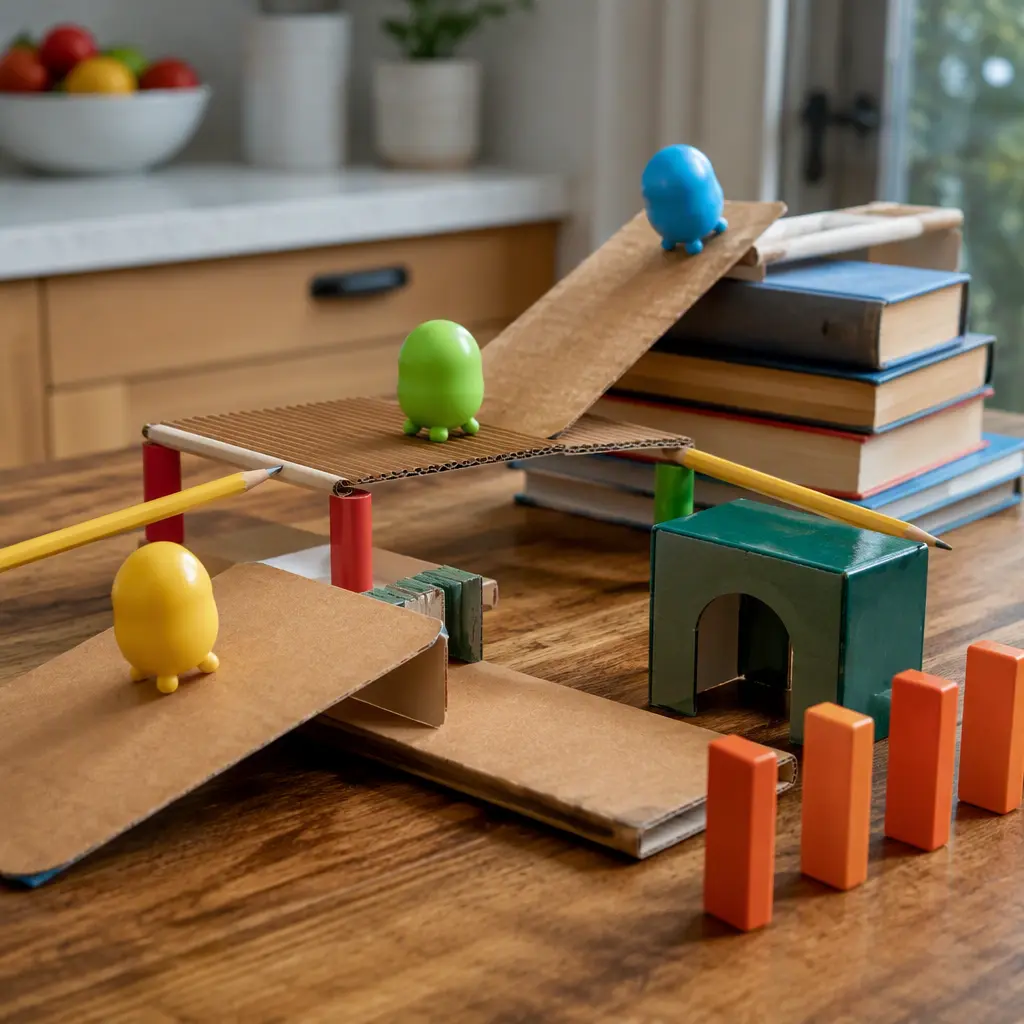
Another reason the line endured is that it encouraged open-ended play rather than a single official rule set. Kids built homemade arenas from school supplies, books, cardboard, and tape. One table might host a race track while another became a trick-shot competition. The toy line supported collecting without depending entirely on collecting. Even a small handful of beans could create a game.
- Weighted interior creates unpredictable wobbling movement
- Pocket-sized format made them easy to carry and trade
- Simple rules encouraged homemade games and stunt courses
- Collectible rarity system added trading appeal
- Durable plastic design handled drops and rough play
Who it's for
Mighty Beanz were mainly aimed at school-age children, especially kids who enjoyed collectibles with a competitive side. Their appeal crossed different play styles because some children focused on gathering rare beans while others treated them more like stunt toys or tabletop racers. The toys also attracted older collectors who grew up during the 2000s toy boom and now revisit them as nostalgia pieces. Today, parents introducing Mighty Beanz to younger children often appreciate that the toys encourage physical experimentation and social play without needing batteries or screens.
Variants and what to look for today
Over the years, Mighty Beanz expanded well beyond the original simple beans. Different series introduced glow effects, metallic finishes, themed graphics, launchers, carrying cases, and larger stunt sets. Some editions leaned harder into collectible rarity while others focused on action play with ramps and trick accessories. The toy line also saw several revivals, reflecting how strongly the brand remained tied to early-2000s nostalgia.
For modern buyers, condition matters more than rarity unless you are a dedicated collector. Because these toys were designed for active play, many surviving beans show scratches, faded graphics, or worn seams from years inside backpacks and desk drawers. Families buying them for children today may prefer mixed lots or newer reproductions intended for play rather than sealed collector pieces.
- Starter packs are useful if you want enough beans for races and games
- Look for smooth rolling action and intact seams on older toys
- Storage cases and ramps are often sold separately in secondhand markets
- Very cheap knock-offs may wobble poorly because of uneven internal weights
- Mixed collections can offer better value than hunting individual rare beans
Frequently asked questions
Were Mighty Beanz mainly collectibles or games?
They worked as both. Some players focused on trading and collecting rare designs, while others built tracks and competitions around movement and tricks. The best part of the toy line was how naturally those two sides blended together.
Why did they become so popular at schools?
Their size and simplicity made them easy to share during short breaks and lunch periods. Kids could create games almost instantly using books, folders, or cafeteria trays as ramps and obstacles.
Are original Mighty Beanz still easy to find?
Many older collections survive through secondhand marketplaces, toy conventions, and resale shops. Complete early-series collections are harder to locate, but loose mixed lots remain fairly common.
Do modern kids still enjoy them?
Many do, especially children who enjoy tactile toys and simple physical challenges. The unpredictable wobble still feels unusual compared with more screen-focused entertainment, and homemade stunt play translates well across generations.
Mighty Beanz succeeded because they transformed a tiny weighted capsule into a social activity. They were collectible without being passive, competitive without needing complicated rules, and cheap enough to spread quickly through schools and playgrounds. Long after the original craze faded, the image of colorful beans tumbling down improvised ramps remains tied to a very specific kind of early-2000s creativity: kids turning ordinary tables into stunt arenas with whatever they had nearby.