Moxie Robot and the Big Question of AI Toys at Home
Moxie Robot arrived as a conversational companion for kids, blending scripted activities with cloud-based AI features and raising lasting questions about privacy, subscriptions and long-term support.
Compare prices and availability
Check current prices and availability for this guide on eBay.
As an eBay Partner, we may be compensated if you make a purchase.
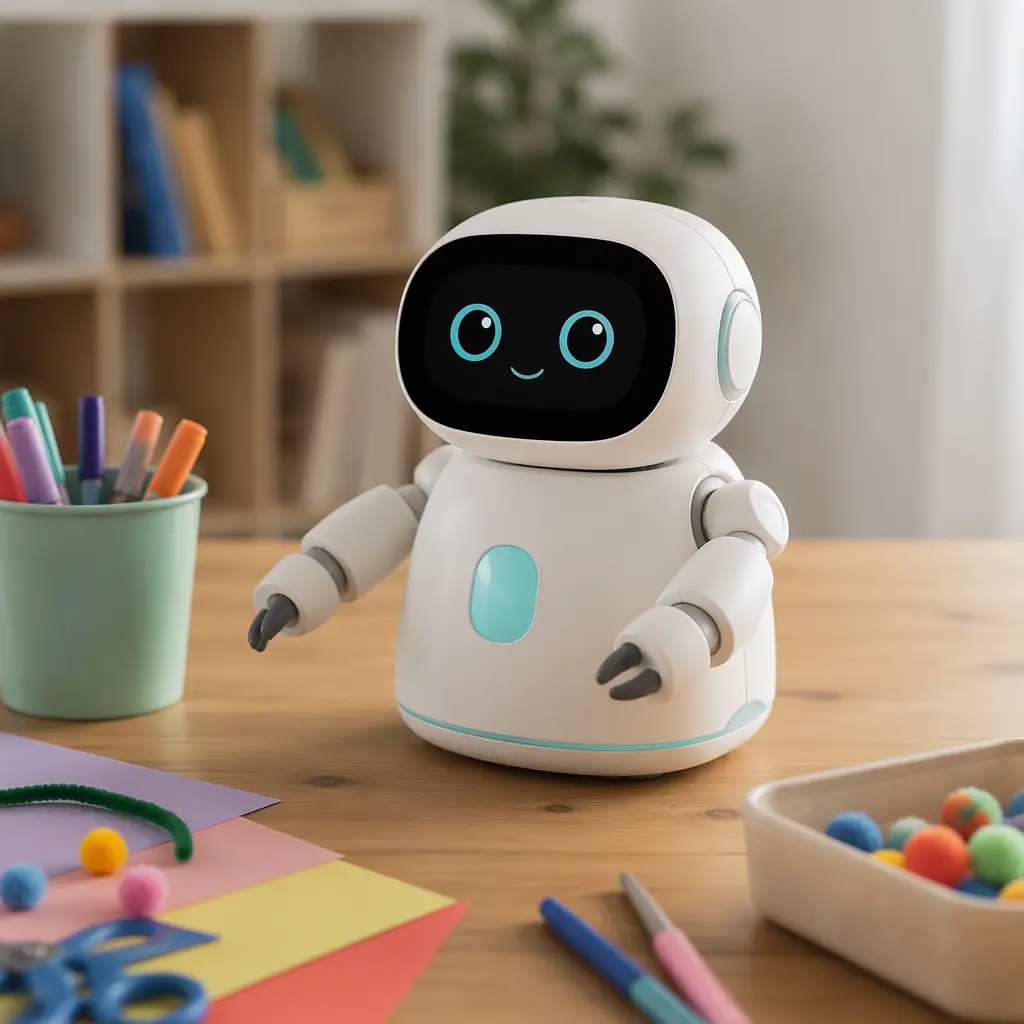
Moxie Robot arrived during a period when toy makers and tech companies were trying to turn conversational AI into something more personal and family-focused. Marketed as a companion robot for children, Moxie combined animated expressions, spoken conversation and guided activities intended to encourage social interaction, storytelling and emotional learning. Unlike simpler talking toys that rely on canned responses, Moxie leaned heavily on cloud-connected software and ongoing updates, making it feel closer to a smart device than a traditional toy.
Where it came from
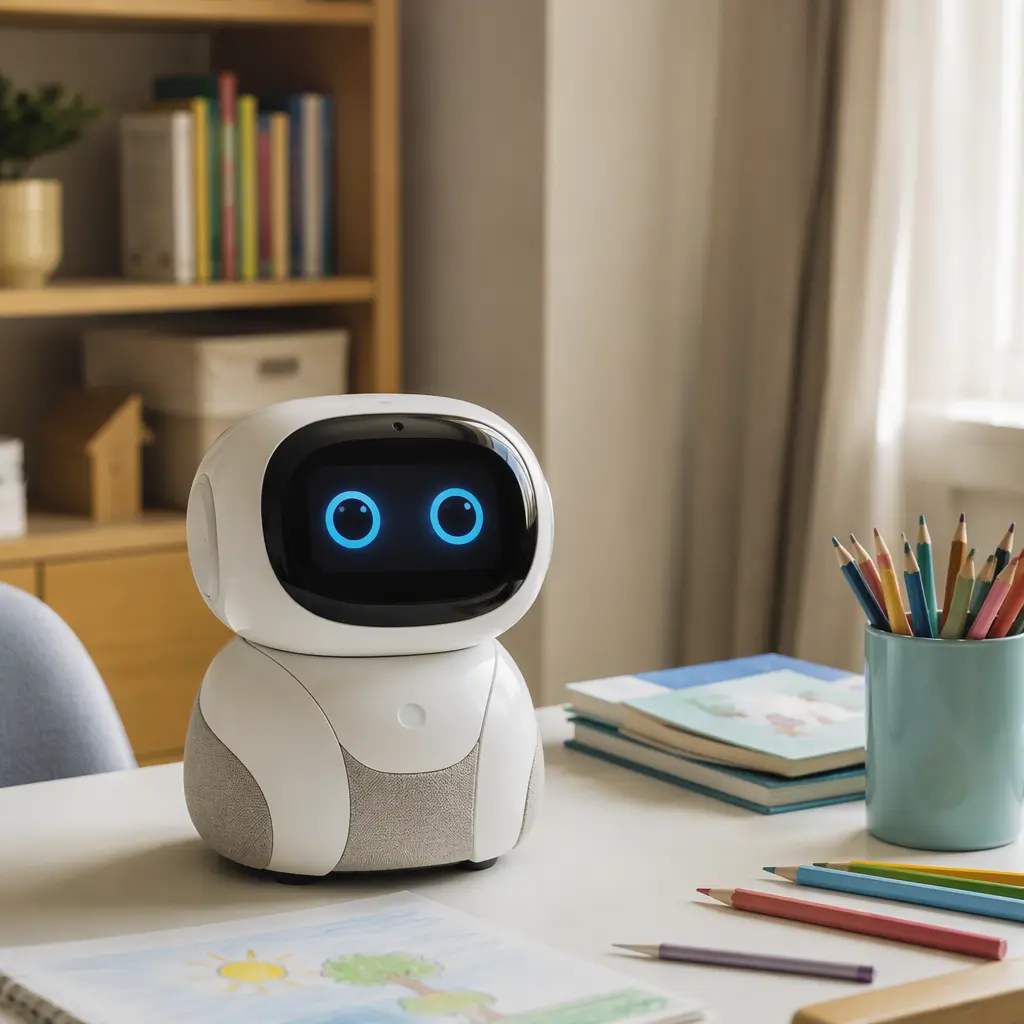
Moxie was introduced in 2020 by Embodied, a robotics company focused on socially interactive technology. The product entered a growing category sometimes described as social robots or companion robots, where the goal is not simply entertainment but extended interaction over days and weeks. The company positioned Moxie as a tool for conversation practice, creative play and routines built around missions, prompts and guided exchanges.
Its launch also reflected a broader shift in consumer technology. Voice assistants and smart speakers had already made conversational interfaces familiar in many homes, while improvements in speech recognition and cloud-based AI opened the door for more natural back-and-forth exchanges. Moxie stood out because it was designed specifically for children rather than for household utility. That focus brought both curiosity and concern, especially around microphones, stored conversations, app connections and the long-term viability of cloud services required to keep the robot functioning as intended.
Why it works
Part of Moxie's appeal comes from presentation rather than raw hardware. The robot uses animated eyes, body movement and pauses in conversation to create the impression of personality and attention. For many children, especially those already comfortable talking to digital assistants, that can make interactions feel more engaging than a tablet app alone. The robot's activities often revolve around collaborative prompts such as storytelling, breathing exercises, games and conversational check-ins rather than competitive play.
The product also reflects an important distinction in modern AI toys: the blend of scripted experiences and adaptive responses. Moxie was not simply generating unrestricted free-form dialogue at all times. Like many child-focused connected products, it combined structured content with cloud-based conversational systems intended to keep exchanges appropriate and coherent for younger users. Parents considering this category often end up evaluating not just the toy itself, but also the reliability of apps, account systems, software updates and company support over time.
- Expressive digital face and animated movements designed to encourage conversation
- Cloud-connected conversational features rather than entirely offline responses
- Guided activities focused on storytelling, routines and social interaction
- Companion-style play instead of competitive gaming or action-based play patterns
- Mobile app setup and account management tied to ongoing software support
Who it's for
Moxie was generally presented as a child-focused companion robot for elementary-age users who enjoy talking, role-play and interactive routines. It is less suited to children looking for fast-paced gaming, building systems or programmable robotics kits. Adult interest has also remained high because Moxie became part of a larger conversation about AI products aimed at families. Some collectors and technology enthusiasts see it as an early example of consumer-facing social robotics, while parents often approach it with practical questions about privacy settings, microphones, internet access and whether the robot still offers useful functions if cloud services change or end.
Variants and what to look for today
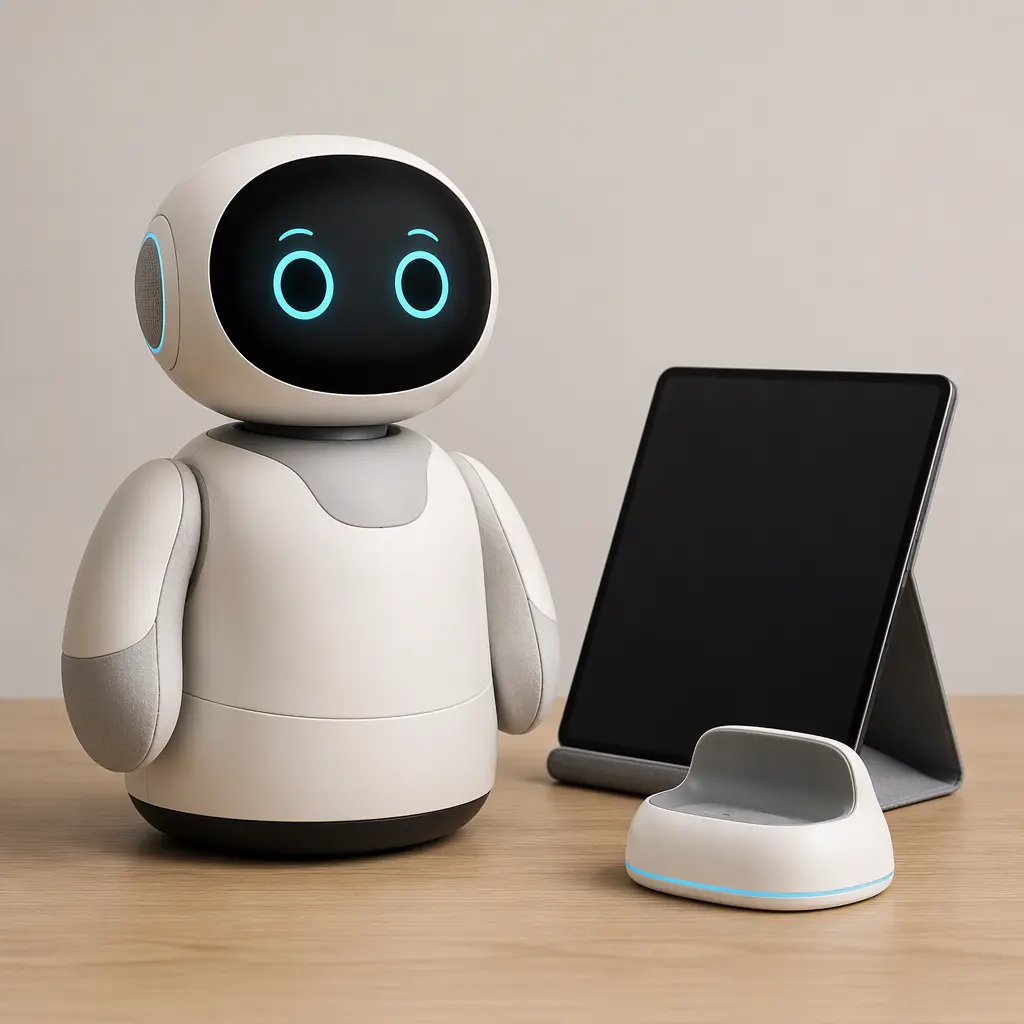
Because Moxie depended heavily on connected services, buyers today often pay close attention to account requirements, app availability and manufacturer support status before purchasing a new or secondhand unit. Connected toys can change significantly after launch through software updates, feature adjustments or changes to online services. A robot that once relied on active cloud infrastructure may not behave the same way years later if services are reduced, regional support changes or subscriptions shift.
Families shopping for companion robots in general may also notice major differences between products marketed as AI-powered. Some toys mainly use scripted responses with limited voice recognition, while others rely more heavily on cloud processing and conversational systems. Features worth checking before purchase include device compatibility, whether Wi‑Fi is required for core functions, parental account controls, microphone management and whether any recurring fees are tied to advanced features or ongoing content access.
- Check whether setup apps are still available for your phone or tablet platform
- Confirm regional support and language availability before buying imported units
- Look for clear information about subscriptions or cloud-service dependence
- Be cautious with heavily used secondhand electronics that may have battery or account issues
- Compare offline functionality versus internet-required features
Frequently asked questions
Is Moxie a fully generative AI robot?
Moxie combined conversational AI systems with structured, curated experiences. It was not simply an unrestricted chatbot placed into a toy body. Like many child-oriented connected products, its interactions were designed around boundaries and guided activities.
Does Moxie work offline?
Many of the robot's core conversational features relied on internet connectivity and cloud processing. The exact balance between online and offline functionality can vary depending on software updates and service availability, so buyers should verify current support before purchasing.
Why do people compare Moxie to smart speakers?
The comparison comes from the use of microphones, speech recognition and cloud-based responses. Moxie differs because it adds movement, emotional presentation and child-focused activities, but some of the same privacy and account-management questions still apply.
Are companion robots replacing traditional toys?
Not entirely. Companion robots occupy a niche between educational technology, entertainment and smart devices. Many families still pair them with creative, physical or outdoor play rather than treating them as a complete replacement for conventional toys.
Moxie Robot became notable not just because it talked, but because it highlighted where the toy industry and consumer AI were heading. It represented a shift from self-contained electronic toys toward connected products shaped by apps, cloud services and ongoing software support. Whether viewed as an educational companion, a technology experiment or an early snapshot of family-oriented AI, Moxie remains part of the broader discussion about how much of childhood play should depend on connected systems that may evolve long after the toy leaves the box.