Best AI Companion Robots for Adults in 2026
A practical guide to AI companion robots for adults, comparing interaction style, privacy, app dependence, subscriptions, noise, maintenance and UK support before you buy.
Compare prices and availability
Check current prices and availability for this guide on eBay.
As an eBay Partner, we may be compensated if you make a purchase.
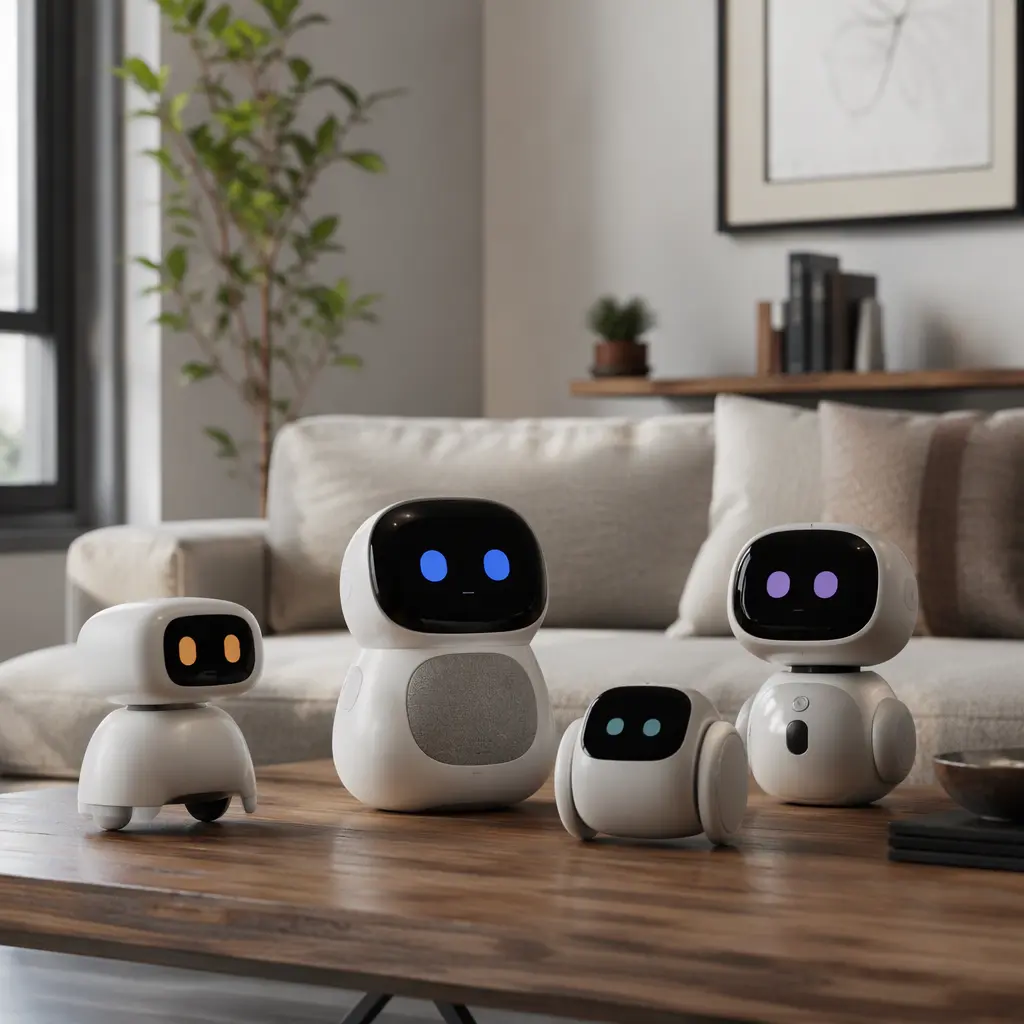
AI companion robots have moved beyond novelty desk gadgets into a category that blends pet-like behaviour, conversational software and app-connected smart devices. Models such as Ropet, Loona, Moflin, Poketomo and Tombot-style companions are aimed largely at teens and adults who want interactive company without the maintenance of a real pet. The biggest differences are not only personality or appearance but how much the robot depends on cloud AI services, what data it collects, whether subscriptions are involved and how useful it remains if servers or apps change over time. Buyers in the UK should also look closely at warranty support, spare parts availability and whether voice or app features are fully supported in their region.
What to look for
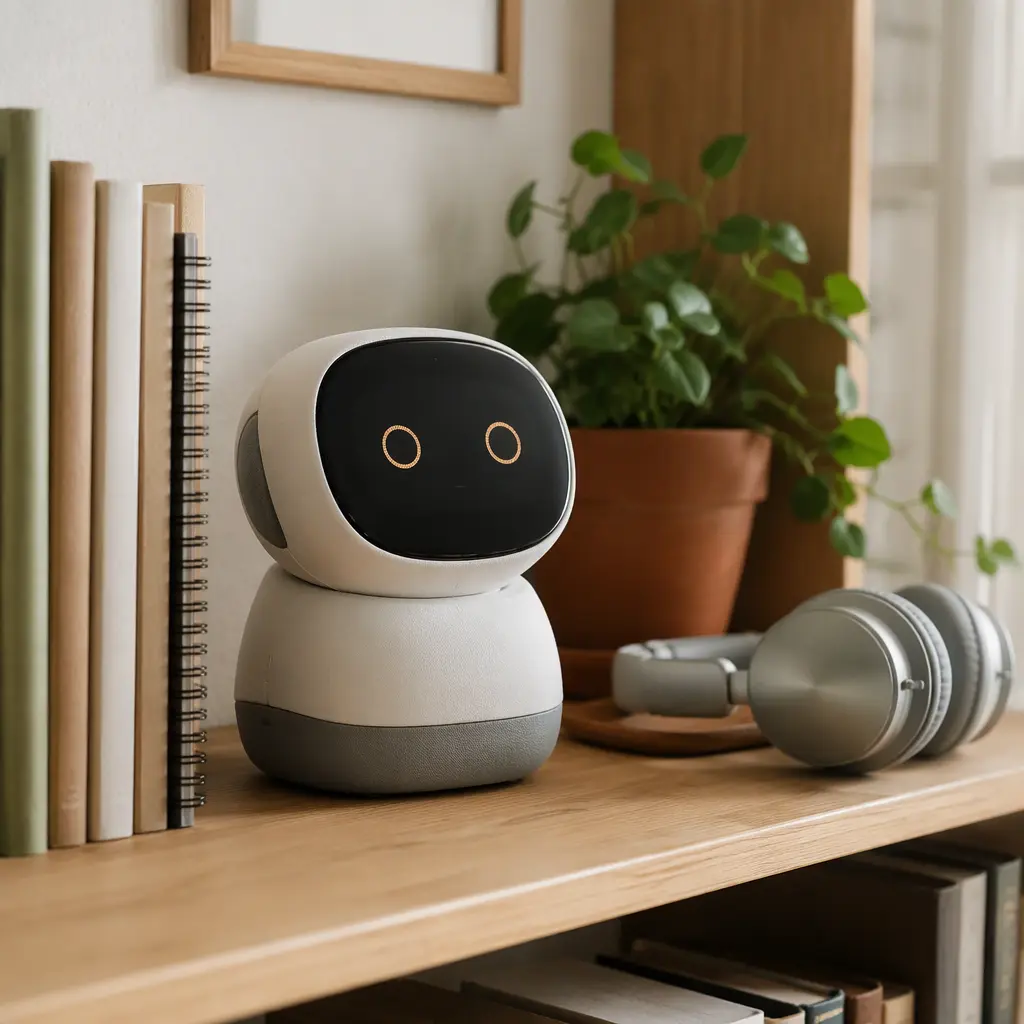
The term “AI companion robot” covers several very different products. Some mainly use scripted responses and sensors to create the illusion of personality, while others connect to cloud-based large language models for open-ended conversation. That difference affects privacy, responsiveness and long-term costs. Buyers who mainly want a comforting desktop presence may prefer simpler pet-like behaviour with fewer microphones and cloud features. Those looking for richer conversation usually need to accept more app integration and internet dependence.
- Check whether conversations are processed locally or sent to cloud servers, especially if microphones are always active.
- Look for clear information about subscriptions, token systems or recurring AI credits before buying.
- Consider offline usefulness. Some robots still move, react and play without internet access, while others lose most core features.
- Noise matters in shared homes or offices. Wheeled robots and animatronic pets can produce motor sounds during movement.
- Battery maintenance varies widely. Some companions need frequent charging docks while plush-style robots may run longer between charges.
- Review app support for iOS and Android, and whether the manufacturer officially supports UK buyers and warranty service.
- Decide whether you want conversational AI, emotional pet simulation or programmable smart-home interaction, since no single device excels at all three.
- Storage and cleaning are practical concerns. Plush exteriors can attract dust, while wheeled robots may struggle on carpets or cluttered floors.
Age suitability
Although these products are often marketed with cute or pet-like designs, most are better suited to older teens and adults than young children. Open-ended AI conversation can produce unpredictable replies, and connected companion robots are not usually designed as child-safe educational toys. Adult buyers may use them as novelty desk companions, conversation starters, programmable smart devices or low-maintenance pet alternatives, but manufacturers generally avoid positioning them as medical or therapeutic products. Parents considering one for teenagers should review privacy settings, in-app purchases and microphone permissions carefully.
Options compared
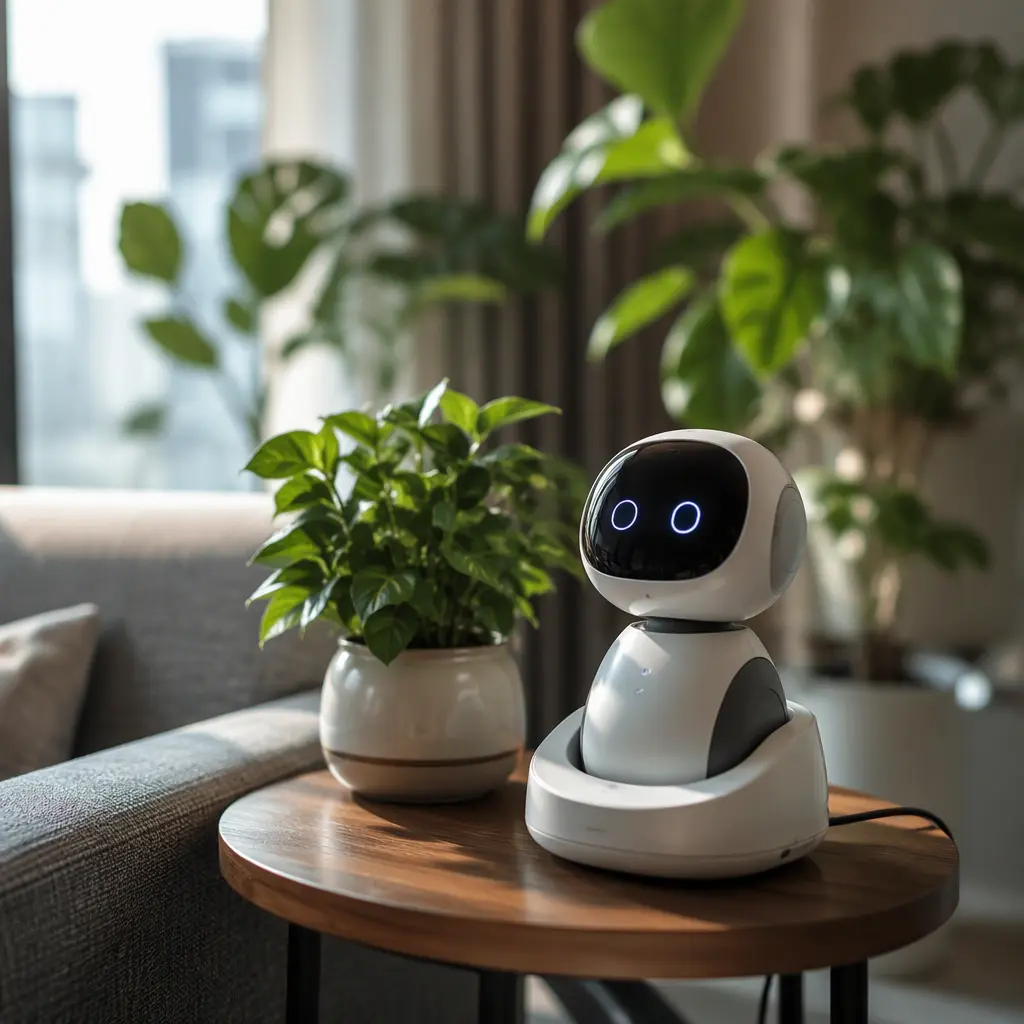
Loona-style robots focus heavily on movement, expressions and interactive play. They usually resemble small robotic pets with cameras, sensors and app-connected behaviours. This category tends to feel more lively and responsive around the home, especially for buyers who enjoy gadgets that patrol rooms or react to gestures. The trade-off is greater reliance on cameras and navigation systems, more motor noise and potentially shorter battery life. These devices also need more floor space and can struggle in cluttered environments or thick carpets.
Moflin-style companions take the opposite approach by focusing on emotional simulation rather than mobility. Plush AI pets are quieter, softer and generally less intrusive in shared spaces. They may appeal to adults who want a calming desk or sofa companion without cameras constantly scanning the room. However, interaction depth is often narrower than with conversational robots, and the experience depends heavily on whether the user enjoys subtle mood-based reactions rather than active conversation or exploration.
- Ropet-style companions: usually centered on conversational interaction and expressive behaviour. Best for buyers curious about AI chat and personality simulation. Less suitable for privacy-sensitive households if cloud conversation processing is required.
- Loona-style mobile robots: suited to tech enthusiasts who enjoy responsive movement, tricks and smart-home style interaction. Expect more setup complexity, more moving parts and higher noise levels.
- Moflin-style plush companions: quieter and lower-pressure for apartments or shared homes. Better for passive companionship than rich conversation or utility features.
- Poketomo-style compact companions: designed for portability and casual interaction. Useful for desks and travel, but typically offer shallower interaction than larger connected robots.
- Tombot-style robotic pets: intended to imitate familiar companion animals with simpler behaviour patterns rather than advanced AI. Potentially easier for less technical users, though cloud features and long-term software support still matter.
- Offline-focused buyers: simpler animatronic companions with limited AI may provide more predictable long-term use because they depend less on external servers or subscriptions.
- Privacy-focused buyers: products with physical mute switches, limited camera use and transparent data policies are generally easier to trust than systems built around constant cloud interaction.
Frequently asked questions
Do AI companion robots work without internet access?
It depends on the model. Some retain basic movement, touch reactions or preset behaviours offline, while conversational features may stop working entirely without cloud access. Manufacturers do not always make these limitations obvious in marketing materials, so buyers should check setup requirements carefully.
Are subscriptions common?
Increasingly, yes. Some AI companions include basic functionality in the purchase price but place advanced conversation systems, cloud processing or expanded personalities behind monthly subscriptions or credit systems. Long-term ownership costs can be much higher than the initial hardware price.
How private are these devices?
Privacy varies significantly between brands. Robots with microphones, cameras and cloud AI processing may collect voice recordings, interaction logs or usage data. Buyers should review privacy policies, account requirements and data deletion options before connecting a device to home Wi-Fi.
Are AI companion robots useful for wellbeing?
Some owners may find pet-like interaction enjoyable or comforting, but these products are consumer electronics rather than medical devices. Manufacturers sometimes describe emotional engagement or companionship features, but buyers should avoid treating AI robots as replacements for professional support, human relationships or real animal care.
Is UK support reliable?
Support quality differs widely, especially for smaller crowdfunded brands. Before buying, check whether the company offers UK shipping, local warranty handling, replacement batteries or official app support in the region. Products that depend heavily on cloud services also rely on the company remaining active long term.
The best AI companion robot for adults depends less on appearance and more on how comfortable you are with connected technology in everyday life. Buyers who want expressive movement and gadget experimentation may prefer mobile robots, while quieter plush-style companions suit smaller homes and lower-maintenance use. Checking privacy policies, cloud dependence and long-term support matters just as much as personality features, especially in a category where software updates can change the experience over time.