Munchkin Bath Toys: Why bath-time basics still work
From floating squirters to stackable cups, Munchkin bath toys became a modern nursery staple by turning bath time into low-pressure sensory play that parents can set up in seconds.
Compare prices and availability
Check current prices and availability for this guide on eBay.
As an eBay Partner, we may be compensated if you make a purchase.
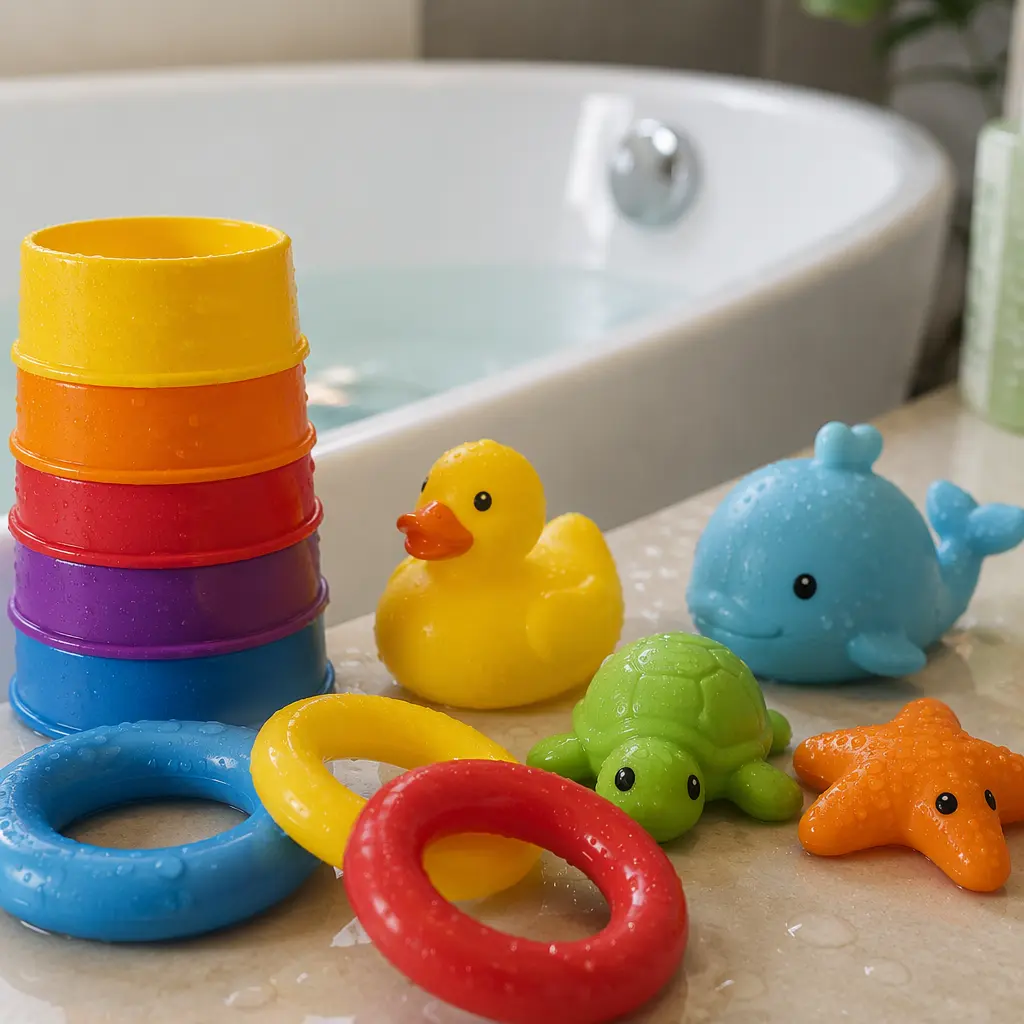
Bath toys rarely become collector items or headline-grabbing launches, but a few product families quietly earn a permanent place in nurseries and bathroom cabinets. Munchkin bath toys are one of those modern staples. Since the early 2000s, the brand has built a reputation around simple floating toys, soft squirters, stackable cups, and water-play gadgets designed for babies and toddlers. Their appeal comes from something straightforward: they make bath time easier to manage while giving young children something active to do with their hands. In an era filled with screens, rechargeable gadgets, and app-connected playthings, these low-tech tub toys continue to thrive because they fit naturally into a daily routine parents already have to navigate.
Where it came from
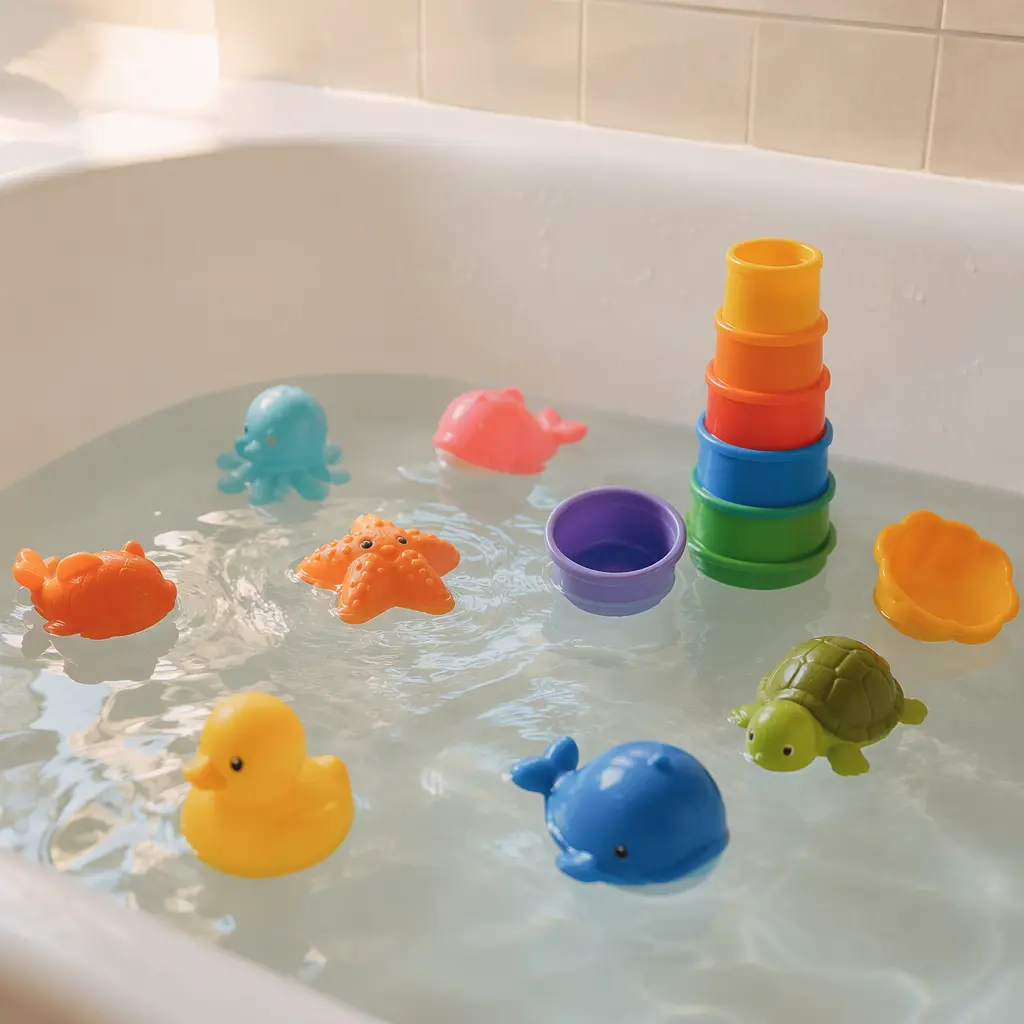
Munchkin entered the baby-products market in the 1990s, but its bath toys became especially visible in the early 2000s as the company expanded into feeding, safety, and everyday infant essentials. Around 2003, brightly colored bath squirters and stackable water toys started appearing widely in big-box retailers and baby stores. The products were not built around licensed entertainment characters or expensive electronics. Instead, they focused on developmental basics: scooping, pouring, squeezing, floating, and sorting.
That timing mattered. Parents were increasingly looking for products that could turn routine care into learning opportunities, and bath time was an obvious candidate. A toddler already sitting in warm water could practice hand coordination, cause-and-effect play, and sensory exploration with very little setup. Munchkin leaned into that practicality. The toys were generally lightweight, affordable, easy to spot in stores, and simple enough for babies to understand immediately. Rather than trying to reinvent bath play, the brand refined familiar toy concepts into a coordinated family of tub-friendly products.
Why it works
The core idea behind Munchkin bath toys is accessibility. A baby does not need instructions to squeeze a floating animal and watch water spray out, or to stack cups and pour water through holes in the bottom. The toys reward experimentation quickly, which is especially important for toddlers with short attention spans. Bath time also changes the feel of play itself. Water slows movement, creates resistance, and adds sensory feedback that ordinary floor toys cannot easily provide.
Another reason these toys endure is that they work across several developmental stages. Younger babies may simply watch floating objects move around the tub. Toddlers begin squeezing, pouring, and stacking. Older preschoolers often turn the same toys into pretend-play props involving boats, sea creatures, kitchens, or simple water experiments. Because the toys are usually compact and modular, parents can rotate different pieces in and out without needing dedicated storage bins or large play areas.
- Soft squirters that encourage grip strength and hand coordination
- Stacking cups and strainers that demonstrate water flow and gravity
- Floating toys that invite chasing, scooping, and sorting
- Bright colors and simple shapes that are easy for toddlers to recognize
- Lightweight plastic and soft materials designed for wet environments
Who it's for
Most Munchkin bath toys are aimed at babies and toddlers, generally from around six months into the preschool years, though the exact age suitability depends on toy size and complexity. Infants tend to respond to the floating motion and bright colors, while toddlers become more interested in squeezing, pouring, and imaginative play. Adults often appreciate the toys for a different reason: they can help make evening routines smoother. A reluctant bather may stay in the tub longer when there is an engaging activity available, and many parents value toys that are easy to clean up after use. The broad age range also makes bath toy sets a common baby-shower or first-birthday gift because they remain useful for several years.
Variants and what to look for today
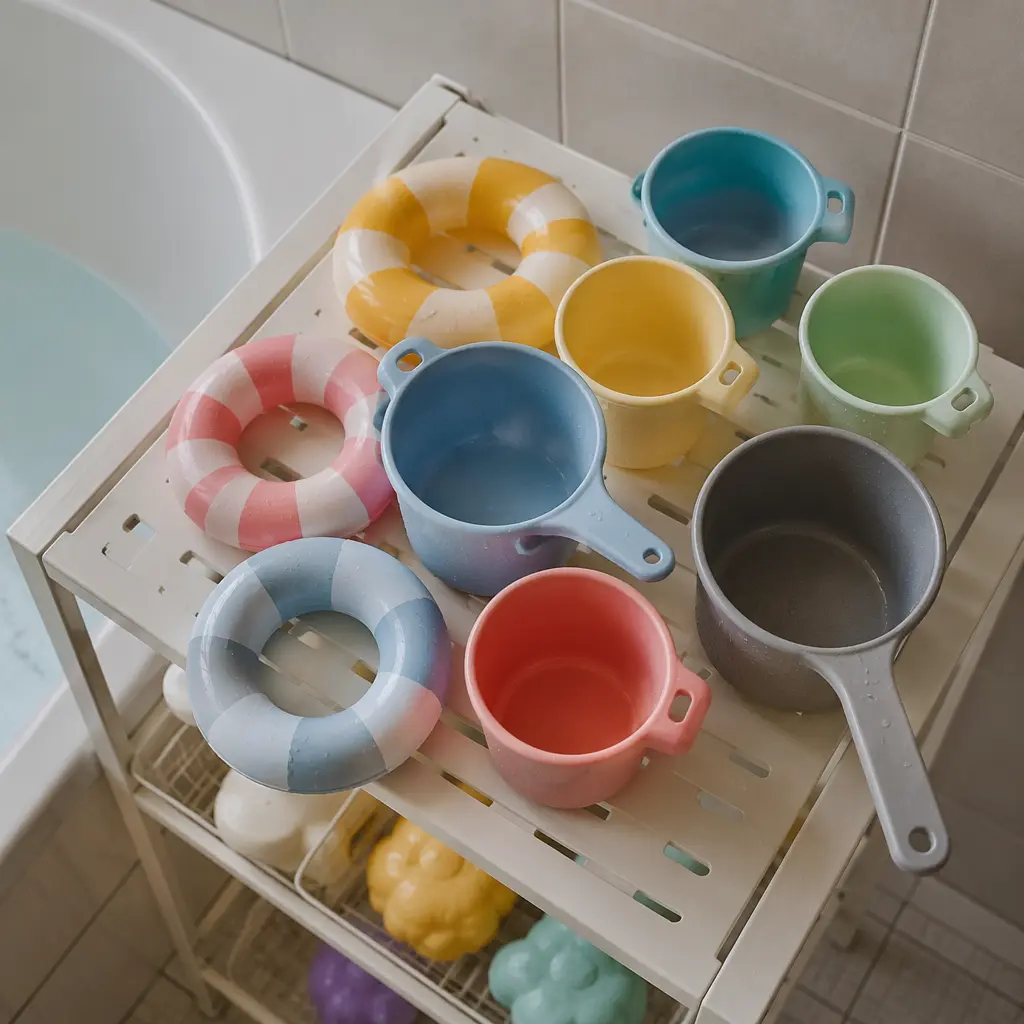
Modern bath toy ranges are much broader than the early squirter-and-cup sets that helped define the category. Today, shoppers will find foam letters, floating boats, spinning water wheels, bath crayons, suction-cup activities, and silicone designs intended to reduce water buildup inside the toys. Some parents prefer openable or fully sealed bath toys because they are easier to dry and clean over time.
Material quality and maintenance matter more than flashy features. Since bath toys spend long periods in warm, damp conditions, buyers should pay attention to how easily the toys can drain and dry. Simple designs often last longer because they have fewer hidden spaces where moisture can collect. It is also worth checking whether small parts detach easily if the toys are intended for younger babies.
- Look for toys that drain and dry quickly between baths
- Choose larger pieces for younger toddlers to reduce choking concerns
- Silicone and openable designs may be easier to clean than sealed squirters
- Simple stackers and pourers often stay engaging longer than novelty gimmicks
- Avoid very thin plastics that can crack or deform with heavy use
Frequently asked questions
Are bath squirter toys still popular?
Yes. Despite concerns about screens dominating playtime, classic squirters remain widely used because they are inexpensive, intuitive, and effective at keeping toddlers engaged during baths. Their simplicity is part of the appeal.
What skills do bath toys help develop?
Bath toys can support fine motor coordination, sensory exploration, hand strength, and early problem-solving. Pouring and stacking activities also introduce simple concepts involving gravity, volume, and cause and effect.
How do parents keep bath toys clean?
Many families rinse toys after each bath and leave them in a ventilated area to dry completely. Some parents prefer bath toys with fewer enclosed spaces or toys that open for cleaning.
Are simple bath toys better than electronic ones?
That depends on the child, but simple bath toys tend to be more durable in wet conditions and encourage open-ended play. They also avoid batteries and usually require less setup and maintenance.
Munchkin bath toys represent a category of modern children’s products that succeeds by staying uncomplicated. They are not built around advanced technology or fast-moving trends. Instead, they focus on familiar forms of play that fit naturally into everyday routines. Floating, squeezing, stacking, and pouring are activities children have enjoyed for generations, and the brand’s enduring popularity suggests that parents still value toys that can entertain, teach, and simplify a small part of daily life at the same time.