Nex Playground: Movement Games Meet the Living Room Camera
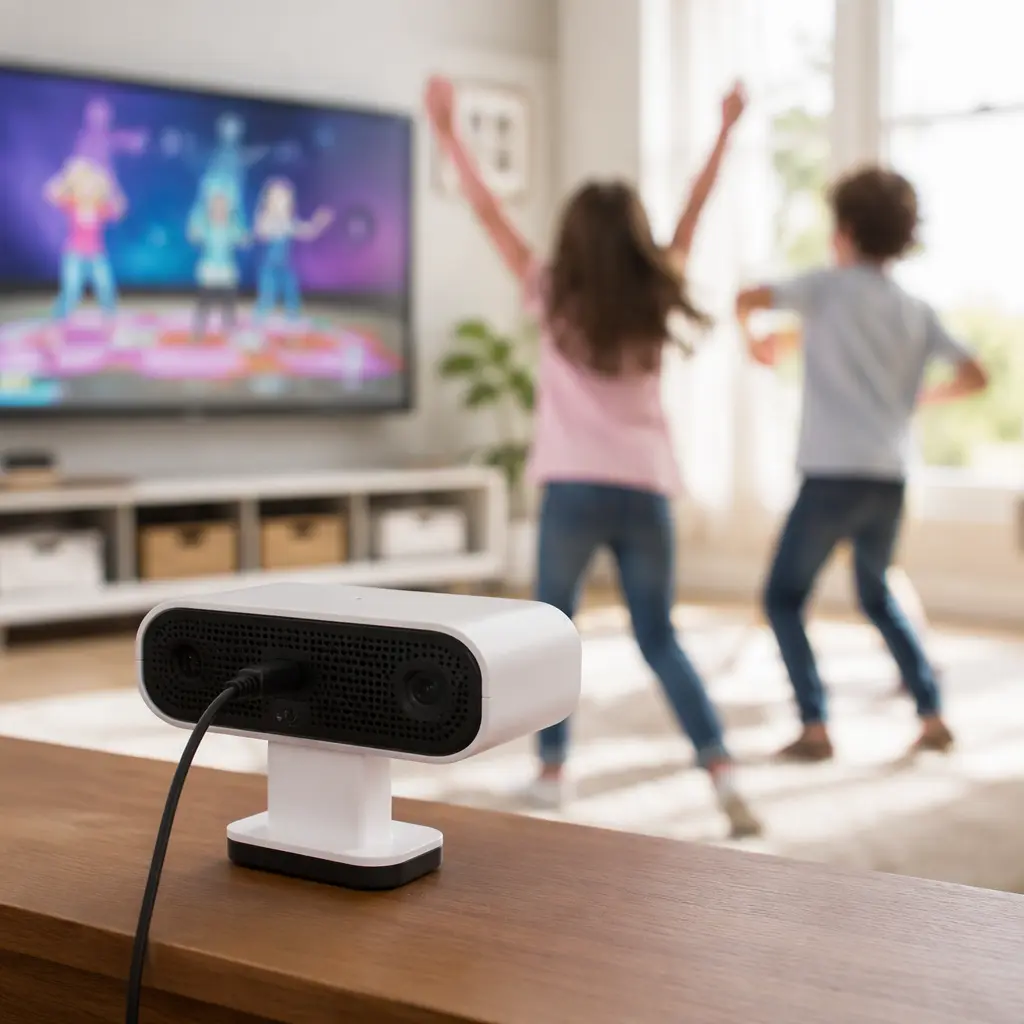
Nex Playground is a camera-based active-play console built around motion games for families and kids, blending screen entertainment with physical movement while raising familiar privacy and screen-time questions.
Compare prices and availability
Check current prices and availability for this guide on eBay.
As an eBay Partner, we may be compensated if you make a purchase.
Nex Playground arrives at a moment when many parents are looking for something between passive screen time and a full gaming console. The system centers on camera-based motion games designed to get children moving in front of the television rather than sitting with a tablet in hand. Its pitch is straightforward: turn the living room into a lightweight activity space with quick games, group play and body movement instead of complicated controllers. That idea is not entirely new, but Nex Playground reflects a newer generation of family tech that borrows from fitness apps, party games and kid-focused streaming habits all at once.
Where it came from
Camera-driven play has been part of the video game business for years, from earlier generations of motion-control systems to smart televisions with gesture features. Nex Playground enters that space with a simpler family-focused approach aimed less at competitive gaming and more at short active sessions that can fit into everyday routines. Rather than relying on handheld controllers, the system uses a camera to follow body movement and interpret gestures directly from players standing in front of the screen.
The timing also matters. By the mid-2020s, many households were already familiar with subscription streaming, app-connected toys and child-focused digital ecosystems. Nex Playground positions itself as an alternative to solo mobile-device use, emphasizing shared physical play in a common room instead of isolated tablet sessions. That framing has helped the category attract attention from parents who want technology that encourages movement without requiring a dedicated exercise setup or advanced gaming skills.
Why it works
The central appeal is accessibility. Traditional game controllers can be difficult for younger children to learn, especially when multiple buttons and analog sticks are involved. Motion-based systems remove some of that barrier by making the body itself the input method. Running, reaching, jumping and posing become the controls. That tends to make games easier to understand immediately, especially in mixed-age households where siblings or parents may join in casually.
The design also reflects shorter attention spans and quick-session play. Many active-play games are structured around mini challenges, rhythm tasks or cooperative activities that can start quickly without long tutorials. For families, that matters as much as the technology itself. A system that can be turned on for fifteen minutes after school may fit more naturally into home routines than a larger console built around lengthy campaigns.
- Camera-based motion tracking instead of handheld controllers
- Designed for group participation and living-room play
- Short-session games that emphasize movement and coordination
- Family-friendly setup aimed at younger children and mixed-age households
- Compact hardware footprint compared with larger game consoles
The camera element is also what makes the product more complicated than a typical toy. Motion tracking requires visual sensing, and connected devices increasingly depend on software updates, online accounts or app ecosystems. Parents considering systems like Nex Playground often weigh the benefits of active play against broader questions about privacy, internet connectivity and how much technology belongs in shared family spaces.
Who it's for
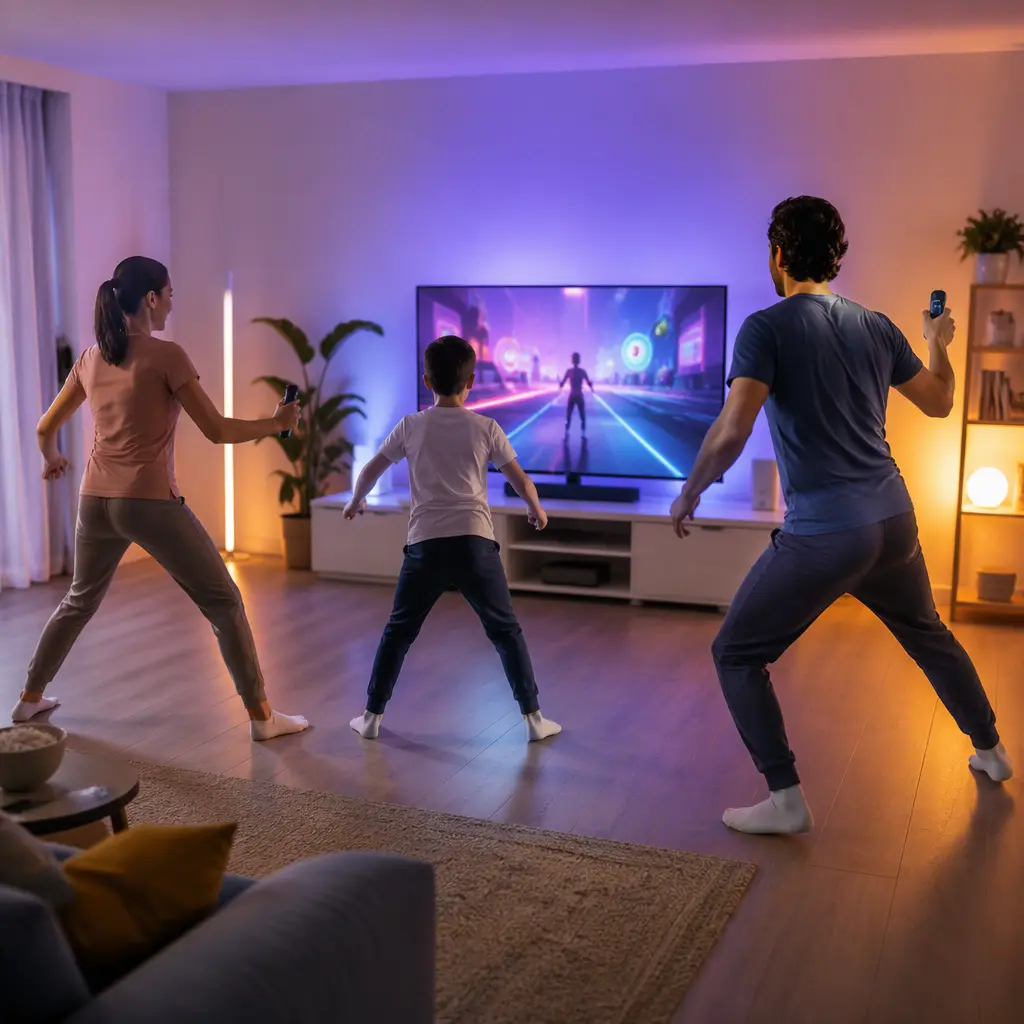
Nex Playground is primarily aimed at children and families looking for low-barrier active entertainment at home. Younger players who may struggle with traditional controllers are a natural fit, and the system's party-style approach can work well during playdates or family gatherings. Adults may also find appeal in the convenience factor: active games without specialized equipment or a complicated setup. That said, the experience still depends on available floor space, television placement and the comfort level of household members with a camera-equipped device in the living room.
Variants and what to look for today
As with many contemporary connected toys and entertainment devices, the software library matters as much as the hardware itself. Buyers typically compare available games, update policies and whether new content requires additional purchases or subscriptions. Because the category evolves quickly, it is worth checking official compatibility information and supported regions before buying, especially for households using older televisions or shared wireless networks.
It is also useful to pay attention to practical setup details. Camera-based systems usually perform best with open floor space and consistent lighting conditions. Extremely small rooms, heavy backlighting or crowded furniture arrangements can affect motion tracking performance. Parents may additionally want to review privacy settings, parental controls and any cloud-account requirements before installation.
- Check which televisions and internet connections are supported
- Review parental controls and camera privacy options
- Look at the range of included and optional games
- Avoid unusually cheap imitation accessories with unclear support
- Confirm whether features depend on companion apps or online accounts
Frequently asked questions
Does Nex Playground use artificial intelligence?
The system uses camera-based motion tracking to interpret player movement, but that is different from generative AI tools that create text or images. In products like this, the technology is generally focused on recognizing gestures, poses or body movement for gameplay.
Does it work without handheld controllers?
The main concept behind Nex Playground is controller-free interaction. Players move in front of the camera, and the system translates body motion into game actions. Exact game mechanics can vary depending on the software being used.
Should parents be concerned about the camera?
Many families will want to review how the device handles camera data, account systems and internet connectivity before bringing it into shared living spaces. Checking manufacturer privacy policies, parental controls and mute or disable options can help households decide whether the setup matches their comfort level.
Is it closer to exercise equipment or a game console?
Nex Playground sits somewhere between the two categories. The focus is entertainment first, but physical movement is built into the experience. Most families are likely to treat it as a casual activity system rather than a structured fitness device.
Nex Playground reflects a broader shift in family entertainment technology: screens are increasingly expected to be interactive, social and physically engaging rather than passive. Whether that balance works for a particular household depends on space, privacy preferences and how families manage screen time overall. For parents seeking a middle ground between tablets and traditional gaming, camera-based active play continues to carve out its own distinct niche.