Pets Alive Mama Duck and the Return of Budget Animatronic Pets
Pets Alive Mama Duck taps into a renewed appetite for affordable animatronic toys, blending simple movement, surprise play, and social-media-friendly charm for a new generation.

Compare prices and availability
Check current prices and availability for this guide on eBay.
As an eBay Partner, we may be compensated if you make a purchase.
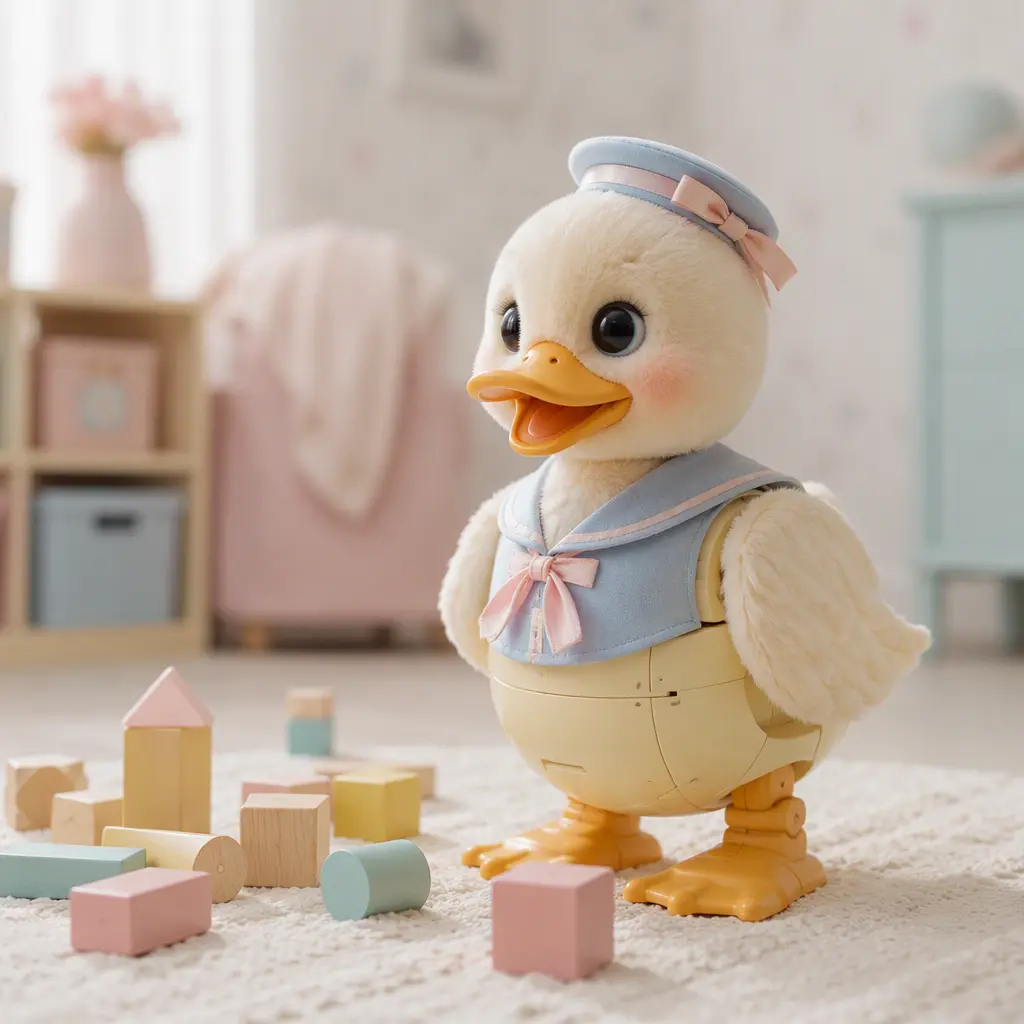
Pets Alive Mama Duck arrived at a moment when toy shelves were filling up again with animated pets, chirping companions, and motion-based surprises aimed at younger children. The concept is simple: a mother duck waddles along while a line of ducklings follows behind, creating a miniature parade that feels lively without needing complicated controls or expensive technology. That simplicity is part of the appeal. In an era shaped by short-form videos and impulse-friendly toy trends, toys that can demonstrate their entire gimmick in a few seconds have become unusually powerful. Mama Duck fits neatly into that category, offering movement, sound, and a visual payoff that works equally well in a living room or a quick social media clip.

Where it came from
The Pets Alive line was introduced by toy company ZURU as part of a broader push toward accessible electronic pets and animated companions. By the early 2020s, many parents already recognized a familiar cycle in toys: trends from the late 1990s and early 2000s were returning in softer, simpler, and often more affordable forms. Animatronic pets had once dominated toy aisles through barking dogs, interactive kittens, and robotic creatures that attempted increasingly advanced responses. But over time, many of those toys became expensive, app-dependent, or overly complicated for younger children.
Mama Duck, released in 2022, leaned in the opposite direction. Instead of promising advanced artificial intelligence or voice interaction, it focused on a clear physical action that children immediately understood. The duck walks, quacks, and guides ducklings behind it. That straightforward loop echoes classic pull-along toys and battery-powered animal toys from earlier decades, while adding just enough movement and sound to feel contemporary. The toy also benefited from the rise of social video platforms, where short clips of waddling duck families quickly became recognizable visual content.
Why it works
Part of the toy's success comes from how readable its play pattern is. Children do not need instructions to understand what is happening. The duck moves, the ducklings follow, and the child naturally wants to chase, rearrange, or guide the procession. For younger kids especially, repeating motion can be surprisingly engaging because it creates predictability and participation at the same time. There is also a gentle comedic quality to a line of ducklings trailing behind a larger duck that appeals to adults watching nearby.
The design avoids the common problem of many electronic toys that try to do too much at once. Instead of layering in screens, menus, or voice systems, the focus remains on tactile play and visible movement. That helps keep the toy approachable and relatively durable for its category. It also means children can combine it easily with other pretend-play setups, from farm animals to dollhouse environments or obstacle courses made from household objects.
- Motorized waddling movement that creates visible action across floors
- Simple sound effects designed for younger children
- Ducklings that visually reinforce the nurturing or family-play theme
- Compact size that works well for bedrooms and playrooms
- Demonstration-friendly design that translates easily to short videos and social sharing
Who it's for
Mama Duck is primarily aimed at preschool and early elementary-age children, especially kids who enjoy animal toys or motion-based play. The toy works best for children who like immediate interaction rather than complicated building or competitive games. Adults may also recognize why these toys continue to cycle back into popularity: they provide a low-pressure form of entertainment that feels physical and playful without requiring screens. For collectors and trend-watchers, Mama Duck also represents a broader category of affordable electronic toys that have found renewed attention through online toy culture and gift-focused social media videos.
Variants and what to look for today
As the popularity of affordable animatronic pets has grown, retailers have stocked many similar products with different animals, sounds, and movement styles. Some versions emphasize plush materials and softer aesthetics, while others focus more heavily on lights, music, or exaggerated motion. Mama Duck sits in the middle of that spectrum, balancing softness with visible mechanical action. Parents shopping today will often encounter similar duck families, walking pets, or follow-along animal toys inspired by the same formula.
When comparing options, build quality matters more than extra features. Battery-powered movement toys experience wear in their wheels, joints, or internal gears over time, especially when used on thick carpet or rough outdoor surfaces. Looking for secure battery compartments, stitched fabric seams, and smooth movement usually matters more than finding the loudest or most feature-heavy version.
- Look for smooth walking motion without jerky pauses
- Check that small accessories attach securely for younger children
- Soft plush materials tend to feel more durable for repeated indoor play
- Avoid extremely lightweight knock-offs that wobble or tip over easily
- Consider floor type since hard floors often improve movement performance
Frequently asked questions
Why are animatronic pet toys popular again?
Many current electronic pet toys combine nostalgia with simpler, lower-cost technology. Short video platforms also reward toys that can show a clear and amusing action almost immediately, making animated pets especially shareable.
Does Mama Duck require an app or internet connection?
No. The toy is designed around self-contained movement and sound play rather than connected features. That makes it easier for younger children to use independently.
Are toys like this mainly for very young children?
They are most popular with preschoolers and younger elementary-age kids, but they also attract collectors and gift buyers interested in toy trends or nostalgic electronic pets.
What makes this different from older robotic pets?
Older animatronic pets often emphasized increasingly advanced interaction, including voice recognition or complicated sensors. Mama Duck succeeds by narrowing the experience to one clear visual idea: a waddling duck family moving together.
Pets Alive Mama Duck is not trying to compete with sophisticated robotics or high-end interactive gadgets. Its success comes from understanding that many children still respond strongly to movement, repetition, and character-driven play. In the current toy landscape, where expensive technology often dominates headlines, the toy stands out by delivering a recognizable, charming idea at a more accessible level. That combination of affordability, instant visual appeal, and social-media-friendly motion helps explain why simple animatronic pets continue finding new audiences.