Play-Doh Kitchen Creations and the Rise of Pretend Food Play
Play-Doh Kitchen Creations turned a familiar modeling compound into a full pretend kitchen system, blending sensory play, role-play, and toy food trends for a new generation.
Compare prices and availability
Check current prices and availability for this guide on eBay.
As an eBay Partner, we may be compensated if you make a purchase.
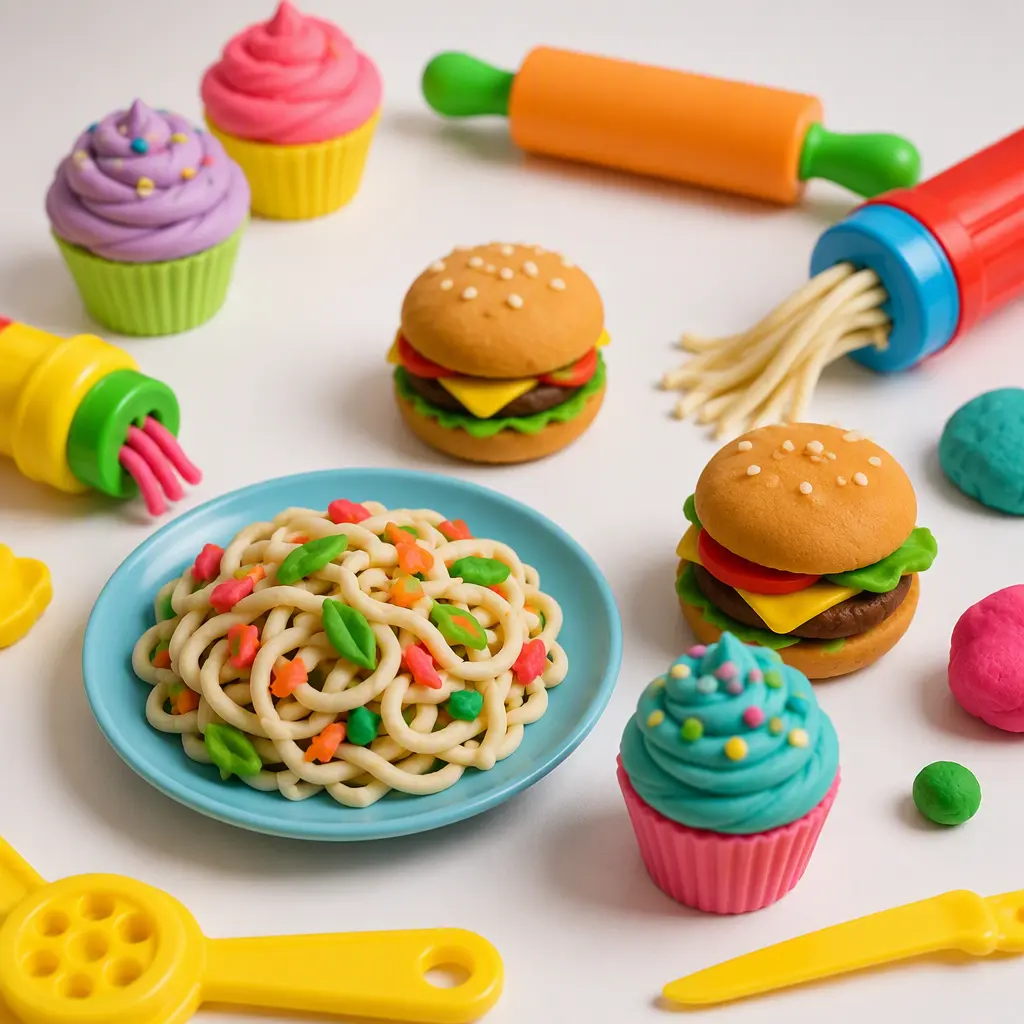
For decades, Play-Doh was mostly associated with freeform sculpting: snakes, flattened pancakes, rough animals, and the occasional handprint preserved by proud parents. Then the toy line shifted direction. Play-Doh Kitchen Creations transformed the familiar soft compound into a pretend cooking experience built around noodle makers, ice cream stations, pizza ovens, and miniature grills. The idea was simple but effective. Instead of asking children what they wanted to build, these sets gave them a playful framework that mixed arts-and-crafts with role-play. The result helped keep Play-Doh relevant in an era crowded with digital entertainment and highly themed toys.
Where it came from
Play-Doh itself dates back to the mid-20th century, when the soft reusable compound was originally developed for cleaning wallpaper before becoming a children's craft material. Its texture, bright colors, and low barrier to entry made it a staple in homes, classrooms, and daycare centers. Children did not need instructions to start using it, which became one of the brand's greatest strengths.
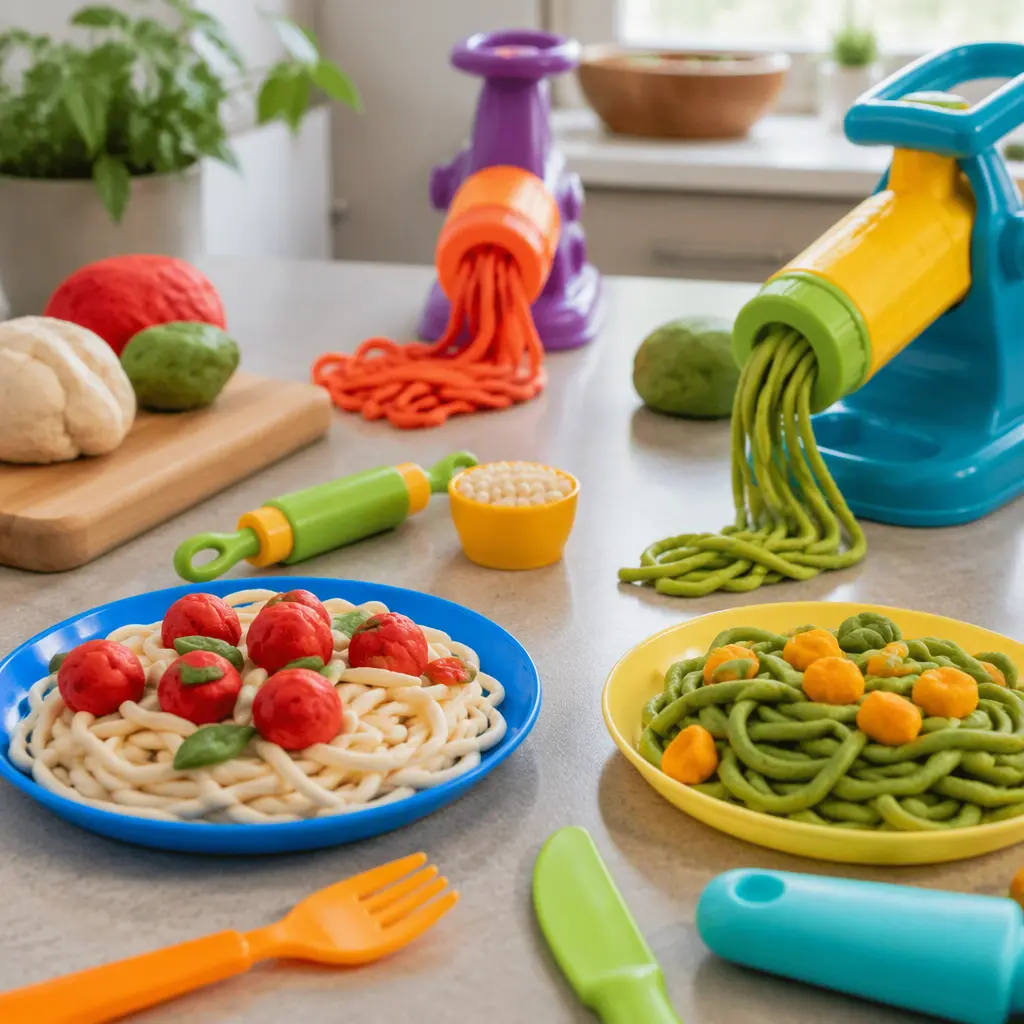
Kitchen-themed sets emerged gradually as toy companies realized children were naturally using the compound to imitate food and cooking. By the 2000s and 2010s, pretend cooking toys were a major category across the toy industry, and Play-Doh expanded aggressively into that space with Kitchen Creations. Instead of isolated tubs of compound, children could now squeeze pretend spaghetti through presses, stamp cookies into shape, or load soft dough into toy ovens that produced textured cakes and pastries. The sets tapped into the popularity of cooking shows, toy kitchens, and social media food culture without requiring batteries, screens, or complicated setup.
Why it works
Kitchen Creations succeeds because it combines several kinds of play at once. At the most basic level, children still get the sensory experience that made Play-Doh popular in the first place. The compound is soft, moldable, and forgiving. Mistakes disappear instantly when the dough is rolled back together. But the kitchen format adds structure. A child may not know what to sculpt from scratch, yet almost everyone understands the idea of making pretend pizza or serving cupcakes.
The mechanical parts of the sets also matter more than they first appear. Extruders, presses, molds, rollers, and stampers create repeatable patterns that feel satisfying to operate. There is a small sense of cause and effect built into every action: push the handle, and noodles appear; press the mold, and fries emerge. This gives younger children a feeling of competence while encouraging fine motor development and imaginative storytelling.
- Sensory play through squishing, rolling, and shaping soft compound
- Pretend cooking and restaurant role-play
- Simple mechanical actions like pressing and extruding
- Bright colors and recognizable food shapes
- Reusable materials that encourage experimentation
- Easy mix of solo and group play
Who it's for
Most Kitchen Creations sets are designed for preschool and early elementary ages, especially children who enjoy hands-on pretend play. The appeal often starts around age three, when children begin imitating adult routines like cooking and serving meals. Older children may use the sets in a more decorative or creative way, focusing on detailed food presentation or mixing colors. Adults are not immune to the appeal either. Parents often appreciate the low-tech nature of the activity, while collectors and nostalgia-driven fans sometimes display vintage food-themed Play-Doh sets alongside classic toy kitchens and craft toys.
Variants and what to look for today
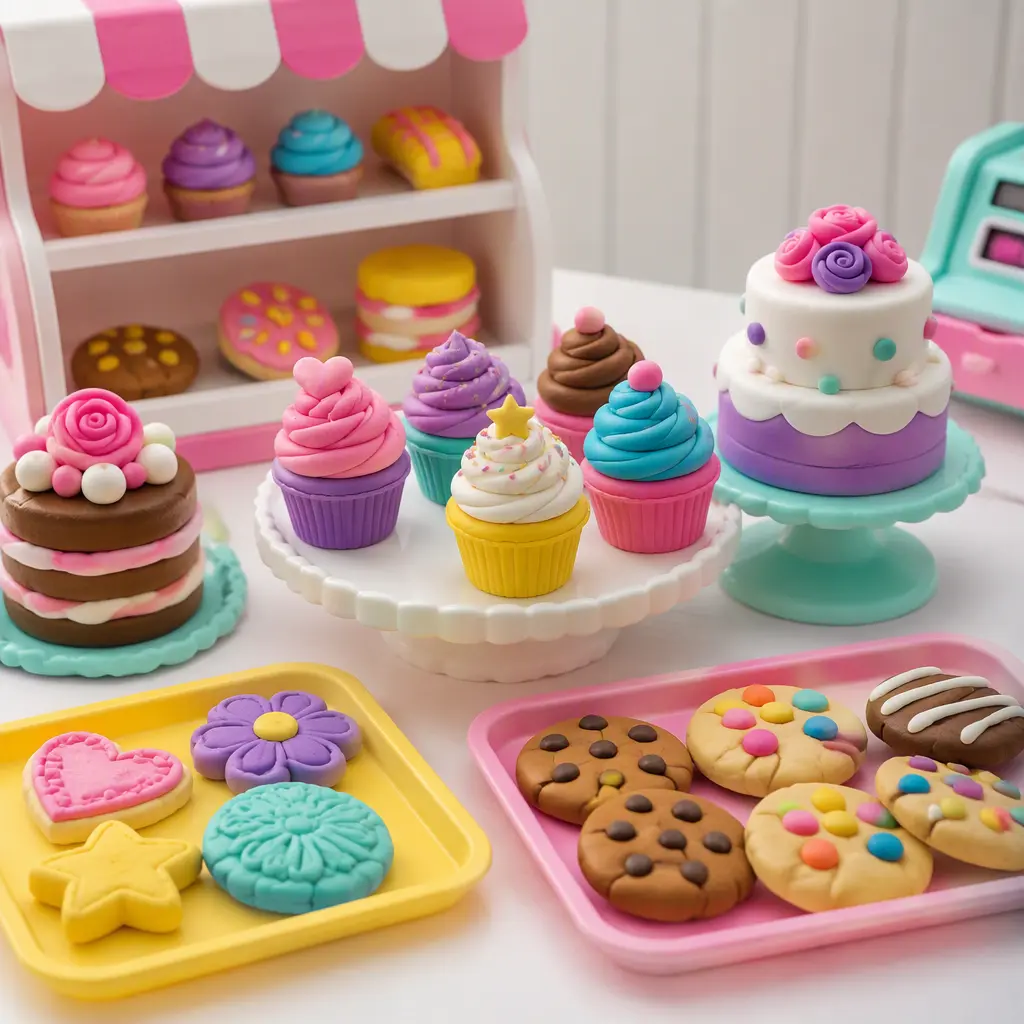
The Kitchen Creations name now covers a wide range of themes. Some sets focus on desserts like ice cream or cupcakes, while others imitate fast food, barbecue grills, breakfast stations, or sushi counters. The core idea remains consistent across the line: combine shaping tools with pretend food preparation. Many sets are intentionally modular, allowing children to mix tools and compounds from different kits.
When shopping today, parents usually focus less on rarity and more on usability. The best sets tend to include sturdy presses, enough compound colors to support open-ended play, and accessories that are easy to clean. Generic modeling compounds can work with many tools, but texture quality varies noticeably. Lower-quality compounds may dry out faster or crumble during use. It is also worth checking whether secondhand sets still include the small molds and accessories that make the kitchen gimmicks work properly.
- Dessert-themed sets with cupcake and ice cream molds
- Pasta and noodle makers with extruder tools
- Pretend grill, pizza, and sandwich stations
- Compact travel-sized kits for easier cleanup
- Larger playsets designed for shared play between siblings
Frequently asked questions
Is Play-Doh Kitchen Creations mainly a craft toy or a pretend play toy?
It sits comfortably between both categories. Children use the compound creatively like an arts-and-crafts material, but the kitchen themes encourage storytelling, serving, and role-playing in ways closer to a toy kitchen or pretend restaurant.
Do the sets require batteries or electronics?
Most Kitchen Creations products rely entirely on manual tools and molded parts. The play pattern centers on squeezing, pressing, stamping, and shaping rather than electronic features, which helps keep the experience simple and tactile.
Can different sets be combined together?
Yes. One of the strengths of the line is compatibility. A noodle maker from one set can usually be used alongside molds or serving accessories from another, allowing children to build larger pretend kitchens over time.
Why do children enjoy pretend food so much?
Food preparation is one of the most visible activities children observe from adults every day. Pretend food toys allow them to imitate routines they already recognize while adding humor, creativity, and colorful exaggeration.
Play-Doh Kitchen Creations helped extend the life of a classic toy by changing the context rather than the core material. The compound itself stayed familiar, but the addition of toy kitchens, food molds, and role-play mechanics gave children clearer ways to engage with it. In doing so, the line bridged arts-and-crafts play and imaginative storytelling at a time when many toy brands were chasing screens and electronics. That balance remains a large part of why these sets continue to occupy shelves, classrooms, and kitchen tables today.