Mattel’s AI-Powered Hot Wheels Concept and the Future of Play
Mattel’s emerging AI-powered Hot Wheels ideas point toward a more connected style of vehicle play, blending physical cars, apps and adaptive digital features with classic track racing.
Compare prices and availability
Check current prices and availability for this guide on eBay.
As an eBay Partner, we may be compensated if you make a purchase.
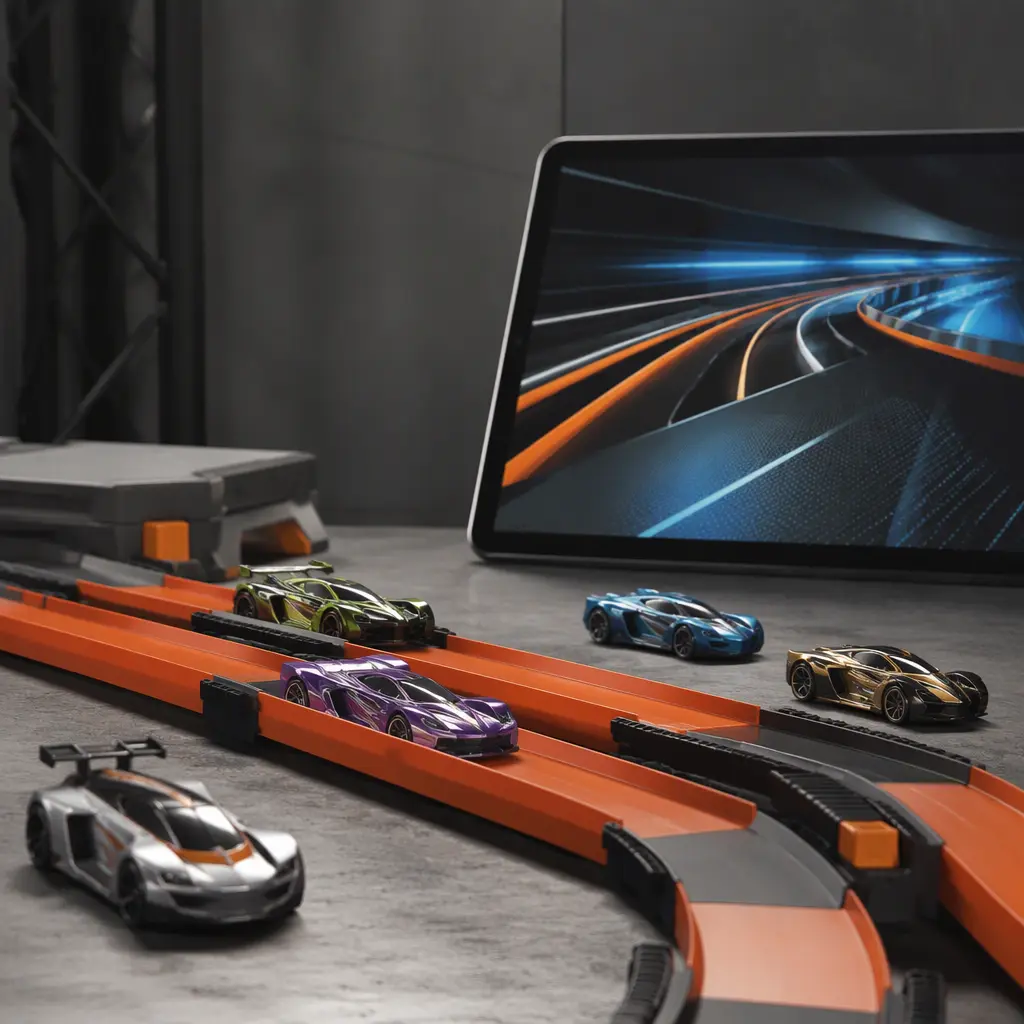
Hot Wheels has spent decades turning simple die-cast cars into one of the world’s most recognizable toy brands. Mattel’s emerging AI-powered concepts suggest the next phase may be less about a single car and more about a connected play ecosystem. While details around specific products remain limited, the broader direction is clear: blending physical racing toys with apps, adaptive digital features and interactive feedback that can respond to how children play. That matters because connected vehicle toys are increasingly competing not only with traditional toy aisles, but also with video games, tablets and smart devices that already shape how many children engage with entertainment.
Where it came from
Hot Wheels launched in 1968 as Mattel’s answer to miniature car play, with faster-rolling wheels and exaggerated styling that distinguished it from more realistic die-cast competitors. Over the decades, the brand expanded far beyond small metal cars into elaborate orange track systems, battery-powered boosters, stunt sets, video games and licensed entertainment. The formula worked because it combined collecting with physical action. A child could race cars down a ramp one moment and line them up on a shelf the next.
Mattel’s recent interest in AI and connected toys reflects broader changes across the toy industry. Manufacturers increasingly see physical products as part of a larger digital platform that can include companion apps, cloud-connected features and personalized interactions. In vehicle play, AI concepts could potentially support adaptive race modes, voice interaction, digital coaching, automated track recognition or app-driven storytelling layered onto traditional racing sets. Unlike fully virtual racing games, the appeal here is the combination of hands-on play and responsive technology.
Why it works
The Hot Wheels format already lends itself naturally to connected features because the core play pattern is simple and repeatable. Children build tracks, race cars, experiment with speed and test outcomes. Adding AI elements can make those sessions feel more dynamic without replacing the physical toy itself. A connected system could track lap times, suggest challenges, recognize specific cars or alter digital events based on performance. Even relatively lightweight AI systems can create the impression that the toy is reacting to the player rather than simply operating on fixed rules.
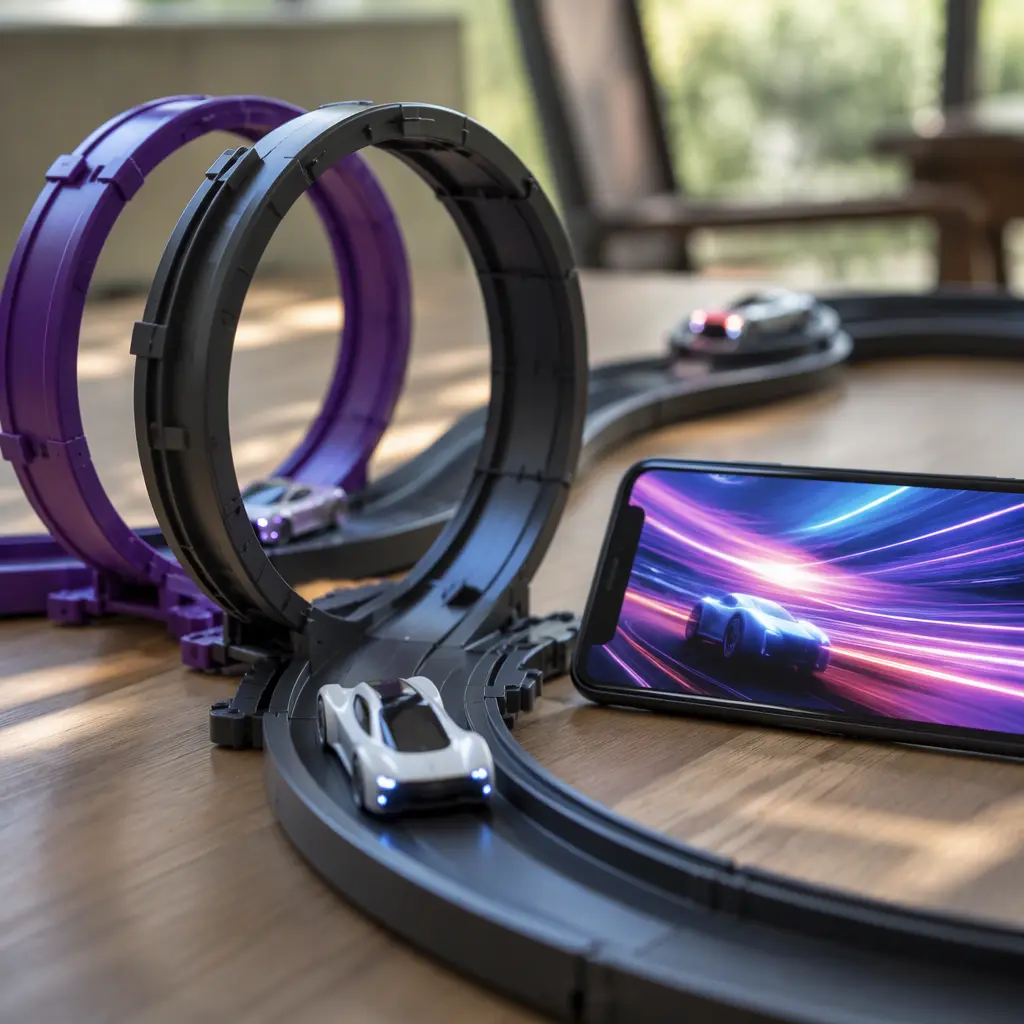
There is also a strong screen-to-toy advantage. Many children already move fluidly between watching racing videos, playing driving games and using physical toy cars. Mattel’s strategy appears aimed at making those transitions smoother rather than treating digital play and toy play as separate categories. The challenge is balancing novelty with accessibility. Parents often prefer toys that still function offline or without constant app interaction, especially for younger children.
- Physical track racing combined with app-linked challenges or scoring
- Potential for adaptive gameplay rather than fully scripted interactions
- Collectible vehicle play that can extend into digital experiences
- Expandable track systems that support repeat experimentation
- Possible voice, sensor or mobile-device integration depending on final products
Who it’s for
Connected Hot Wheels concepts are likely aimed at children who already enjoy both physical racing toys and digital gaming experiences. Older elementary-age children may be especially comfortable navigating app-connected features, while collectors and adult fans may be interested in the technology angle itself. Families considering connected toys may want to pay attention to whether app accounts, internet access or mobile-device compatibility are required for key features. In many AI-enabled toy categories, the most durable products are the ones that still offer satisfying offline play even if cloud features change over time.
Variants and what to look for today
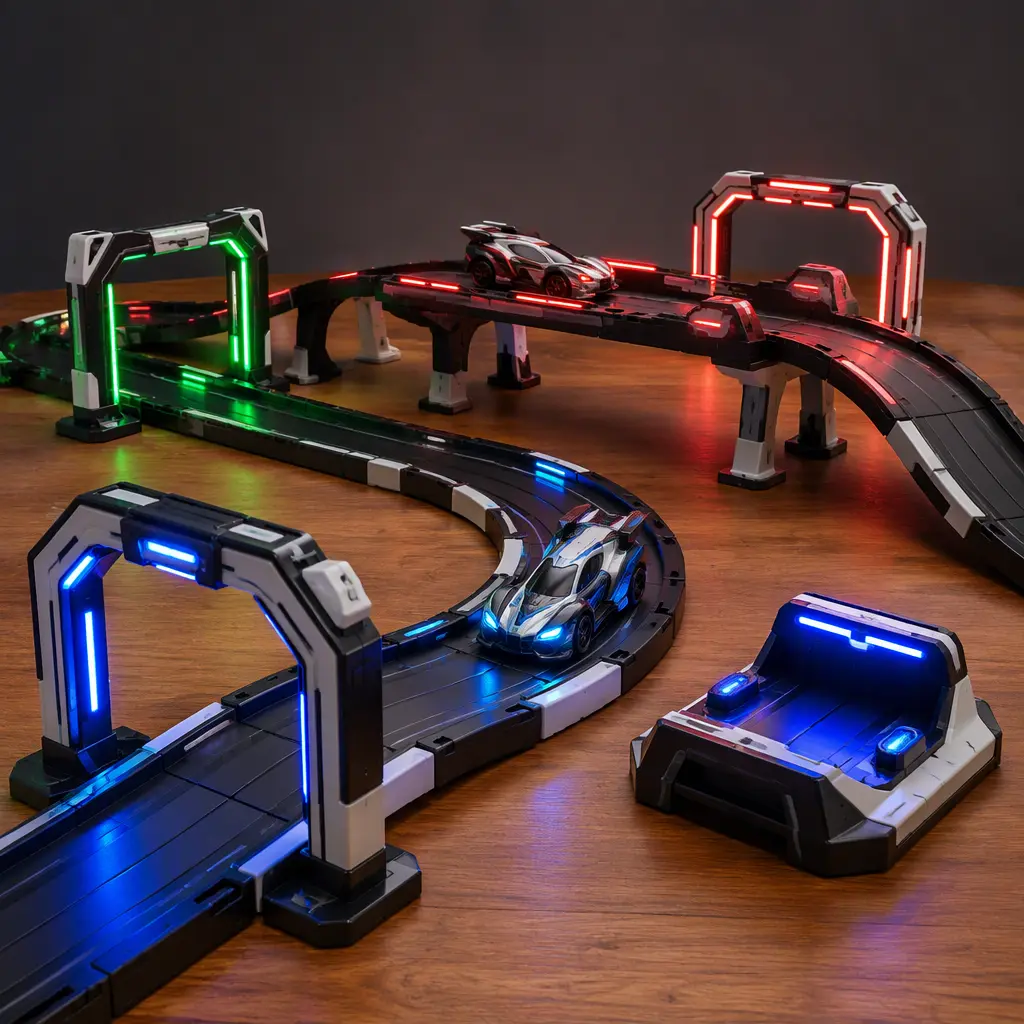
Because Mattel’s AI-focused Hot Wheels direction is still emerging, shoppers are more likely to encounter connected racing experiments and app-enhanced sets than a single defining AI product line. Existing smart-play vehicle categories across the industry often rely on Bluetooth pairing, companion apps, sensors embedded in tracks or mobile-device cameras. Some systems emphasize competitive racing, while others focus on customization, digital rewards or augmented-reality overlays.
Parents shopping in this category should look closely at practical details rather than marketing language alone. App support policies, device compatibility and regional availability can matter as much as the toy hardware itself. Some connected toys lose features if apps are discontinued or cloud services change. Battery requirements and update schedules are also worth checking, especially for toys intended to work across multiple devices in a household.
- Check whether core racing functions work without internet access
- Look for clear parental-control or privacy information if microphones or accounts are involved
- Confirm compatibility with household phones or tablets before buying
- Compare track expandability and replacement-part availability
- Be cautious with generic copycat track systems that may not fit reliably
Frequently asked questions
Are these AI-powered Hot Wheels toys fully autonomous?
Current connected toy concepts are more likely to use app-linked software, sensors or adaptive gameplay systems than true autonomous AI. In toy marketing, “AI” can refer to a wide range of technologies, from personalized responses to basic pattern recognition and digital coaching.
Will connected features require an internet connection?
That depends on the final product design. Some connected toys use local Bluetooth connections and continue functioning offline, while others depend on cloud-based features, account logins or software updates delivered through an app.
Do AI toy cars raise privacy concerns?
Potentially. Any toy that uses microphones, cameras, voice interaction or online accounts may collect some form of user data. Parents should review manufacturer privacy policies, app permissions and parental-control settings before setup.
Can traditional Hot Wheels tracks still matter in an AI-focused future?
Very likely. The enduring appeal of Hot Wheels comes from tactile racing, experimentation and collecting. Connected features may add layers of interaction, but physical track play remains central to the brand’s identity.
Mattel’s AI-powered Hot Wheels direction reflects a larger shift happening across the toy business: physical toys are increasingly expected to interact with digital spaces rather than compete against them. Whether these concepts become long-term staples will depend on how well they preserve the fast, hands-on fun that made Hot Wheels popular in the first place. For families, the most compelling versions will probably be the ones that treat technology as an enhancement to imaginative racing play rather than a replacement for it.