Plugo: The hybrid learning system making tablets tactile again
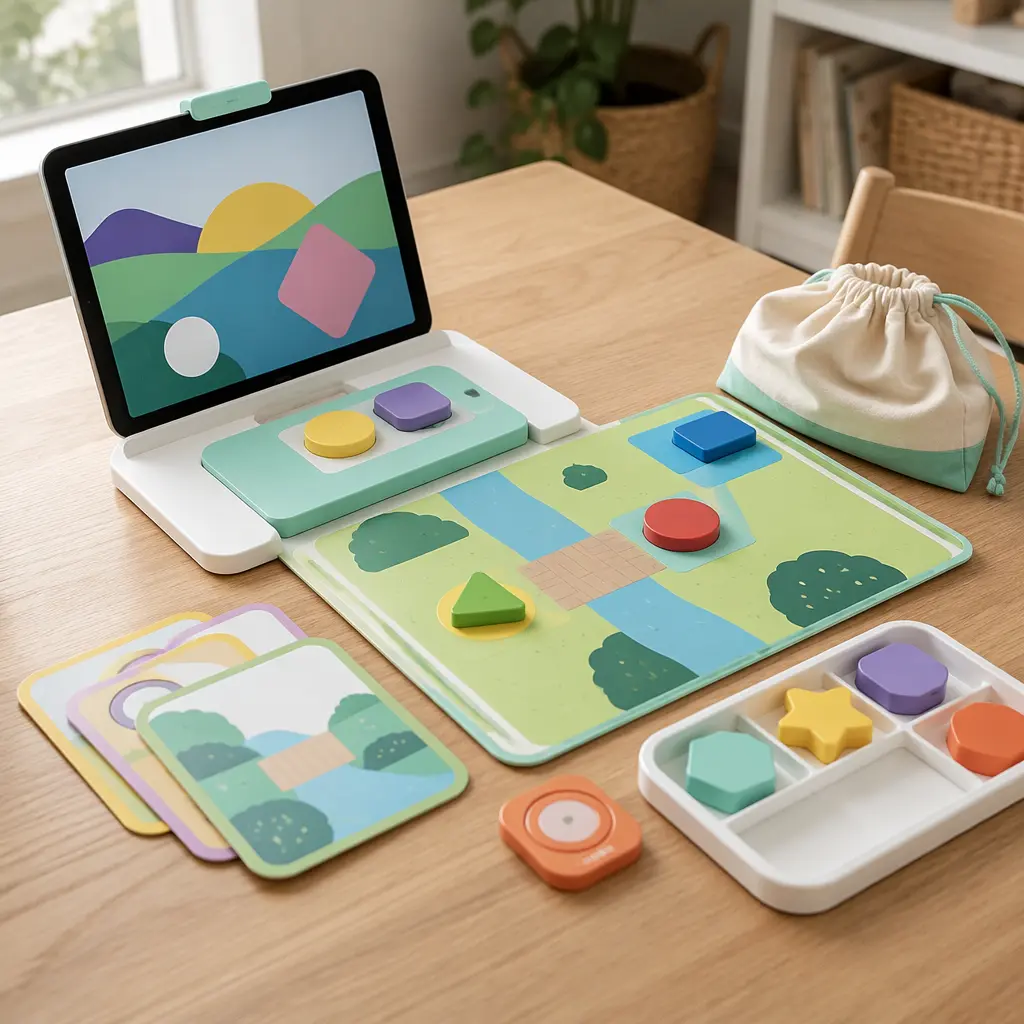
Plugo blends physical play pieces with tablet-based learning games, aiming to keep young kids engaged through hands-on STEM, reading, and problem-solving activities.
Compare prices and availability
Check current prices and availability for this guide on eBay.
As an eBay Partner, we may be compensated if you make a purchase.
Plugo arrived at a moment when many parents were questioning how much screen time was too much, especially for younger children. The idea behind the system was straightforward: if tablets were already part of family life, could they be turned into something more physical, collaborative, and active? Instead of relying only on tapping a screen, Plugo combines a tablet with tactile game kits that ask children to build, count, spell, move pieces, and solve problems in the real world while digital games respond on-screen. That mix of physical interaction and app-based feedback helped Plugo stand out in the crowded educational toy category.
Where it came from
Plugo was developed by PlayShifu, a company focused on educational technology for young children. The system emerged during a period when toy makers and education companies were increasingly experimenting with augmented reality and interactive learning tools. Around 2020, the idea of blending physical toys with digital experiences was gaining traction, partly because tablets had become common household devices and partly because educators were emphasizing active learning over passive viewing.
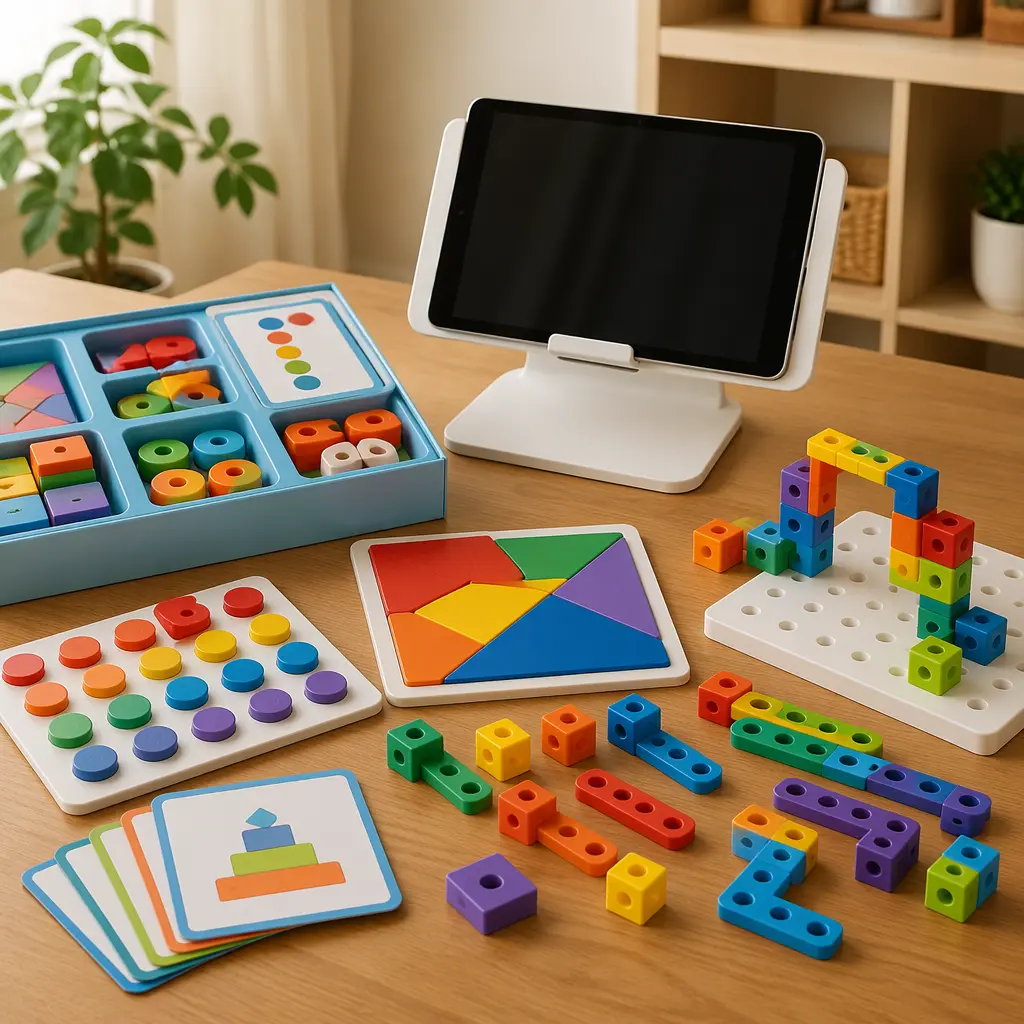
Rather than building a single toy, PlayShifu designed Plugo as a platform. Different kits focused on different learning goals, including math skills, storytelling, spatial reasoning, coding basics, and music. The common thread was the use of physical manipulatives that interacted with a tablet camera or stand system. Children were not just watching animations. They were placing pieces, rotating objects, solving puzzles, and experimenting with cause and effect. The system was designed for early elementary ages, where hands-on learning is especially important for attention, coordination, and confidence.
Why it works
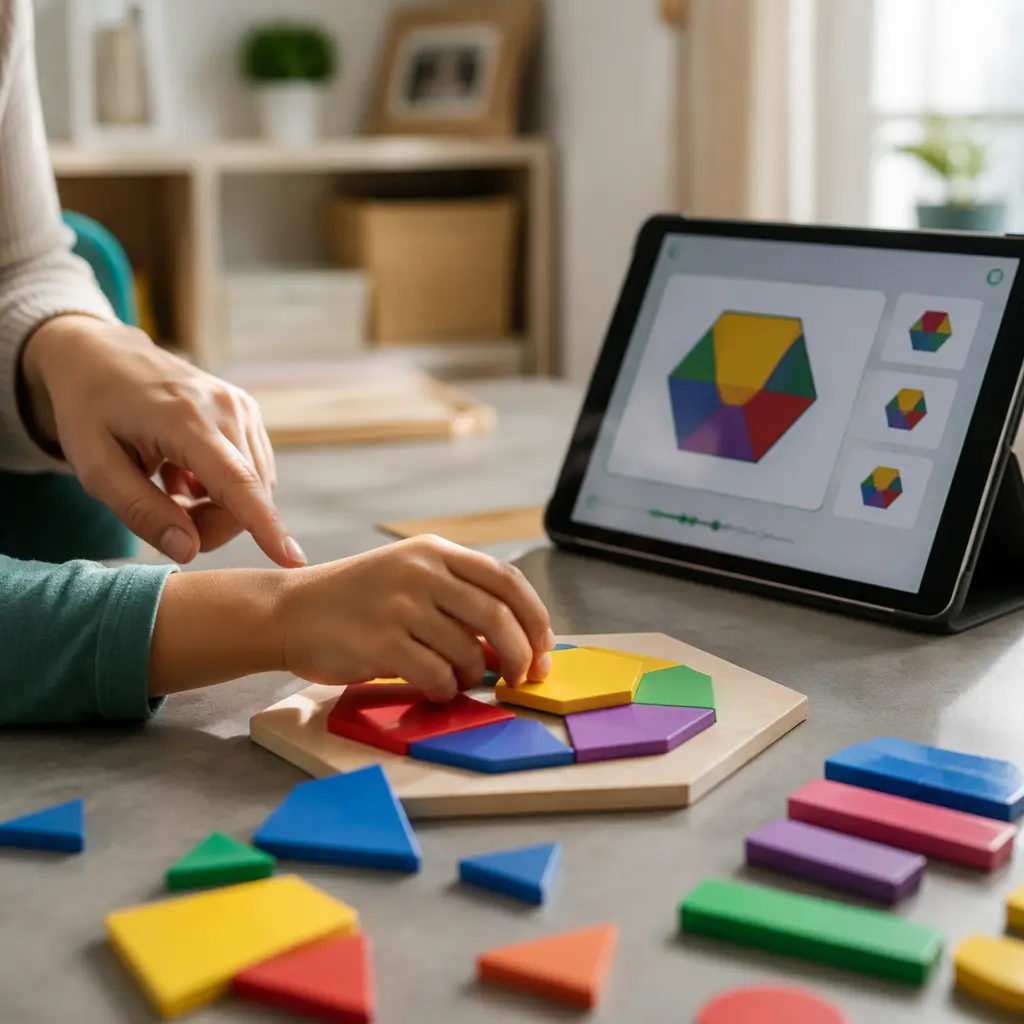
The appeal of Plugo comes from the way it bridges two kinds of play that are often separated. Traditional educational toys encourage touching, stacking, sorting, and experimenting. Tablet apps tend to offer fast feedback, colorful animation, and adaptive challenges. Plugo combines those strengths by turning the screen into a responsive guide instead of the entire activity. Children still manipulate physical objects, but the app reacts instantly with sounds, scoring, prompts, and changing scenarios.
That design approach matters because younger children often learn best through movement and repetition. Picking up a counting piece or rotating a puzzle component engages different skills than tapping an icon. Many parents also appreciate that the system encourages children to stay focused on the table in front of them rather than holding a tablet in their hands for long stretches.
- Modular kits covering math, reading, puzzles, music, and coding-style logic
- Physical game pieces that interact with tablet-based activities
- Progressive difficulty levels designed for different ages and skill stages
- Compact fold-out play setups that store more easily than large learning centers
- Bright, approachable design aimed at early elementary learners
Who it's for
Plugo is mainly aimed at children in preschool and early elementary school, though the exact age range depends on the kit. Simpler counting and spelling activities work well for younger learners, while puzzle and logic sets tend to appeal to slightly older children. The format also attracts parents and educators looking for educational screen time that feels more active than watching videos or playing touch-only games. Adults may not see Plugo as a collectible toy in the way they would classic building systems or action figures, but many families appreciate it as a practical learning tool that can be shared between siblings.
Variants and what to look for today
One of Plugo's strengths is that it functions as a family of related products rather than a single fixed toy. Different expansion kits emphasize different subjects, so parents can choose a setup that matches a child's interests or school needs. Some kits focus heavily on arithmetic and problem-solving, while others lean toward storytelling, spatial puzzles, or introductory coding concepts. Because the core system is designed around compatible hardware and apps, many families gradually add new kits over time instead of replacing the entire setup.
When shopping for Plugo today, compatibility is the biggest thing to check. Since the system depends on a tablet and app support, buyers should confirm that their device works with the current software requirements. It is also worth looking at the durability of the physical pieces, especially for younger children who may handle components roughly. Generic imitation systems exist in the educational toy market, but many do not offer the same level of app support or ongoing updates.
- Look for complete sets with stands, play mats, and all physical pieces included
- Check tablet compatibility before buying, especially with newer devices
- Choose subject-focused kits based on the child's interests and age
- Consider storage space for smaller pieces used during gameplay
- Avoid poorly reviewed imitation systems with limited software support
Frequently asked questions
Does Plugo require an internet connection?
Many activities can run after the app is installed, though updates and downloads may require internet access. Exact requirements vary by device and software version.
Is Plugo mainly a toy or a learning tool?
It sits somewhere in the middle. The games are designed to feel playful and rewarding, but the activities are built around educational goals such as counting, reading, logic, and coordination.
Can siblings share the same system?
In many households, yes. Different kits and difficulty levels make it possible for children of different ages to use the same base setup, although younger children may need more supervision.
How durable are the physical pieces?
The components are generally designed for repeated family use, but durability depends on storage habits and how roughly the pieces are handled. Keeping sets organized helps extend their lifespan.
Plugo reflects a broader shift in educational toys toward blending digital convenience with tactile play. Instead of treating screens as the center of the experience, the system uses them as responsive companions to hands-on problem-solving and experimentation. Whether it becomes a long-term favorite depends largely on a child's interest in guided learning games, but its core idea remains notable: technology does not have to replace physical play to feel modern.