Pokémon Trading Card Game: From recess swaps to a global hobby
The Pokémon Trading Card Game began as a simple collectible card game in 1996 and grew into a worldwide hobby built on strategy, trading, tournaments, and nostalgia across generations.
Compare prices and availability
Check current prices and availability for this guide on eBay.
As an eBay Partner, we may be compensated if you make a purchase.
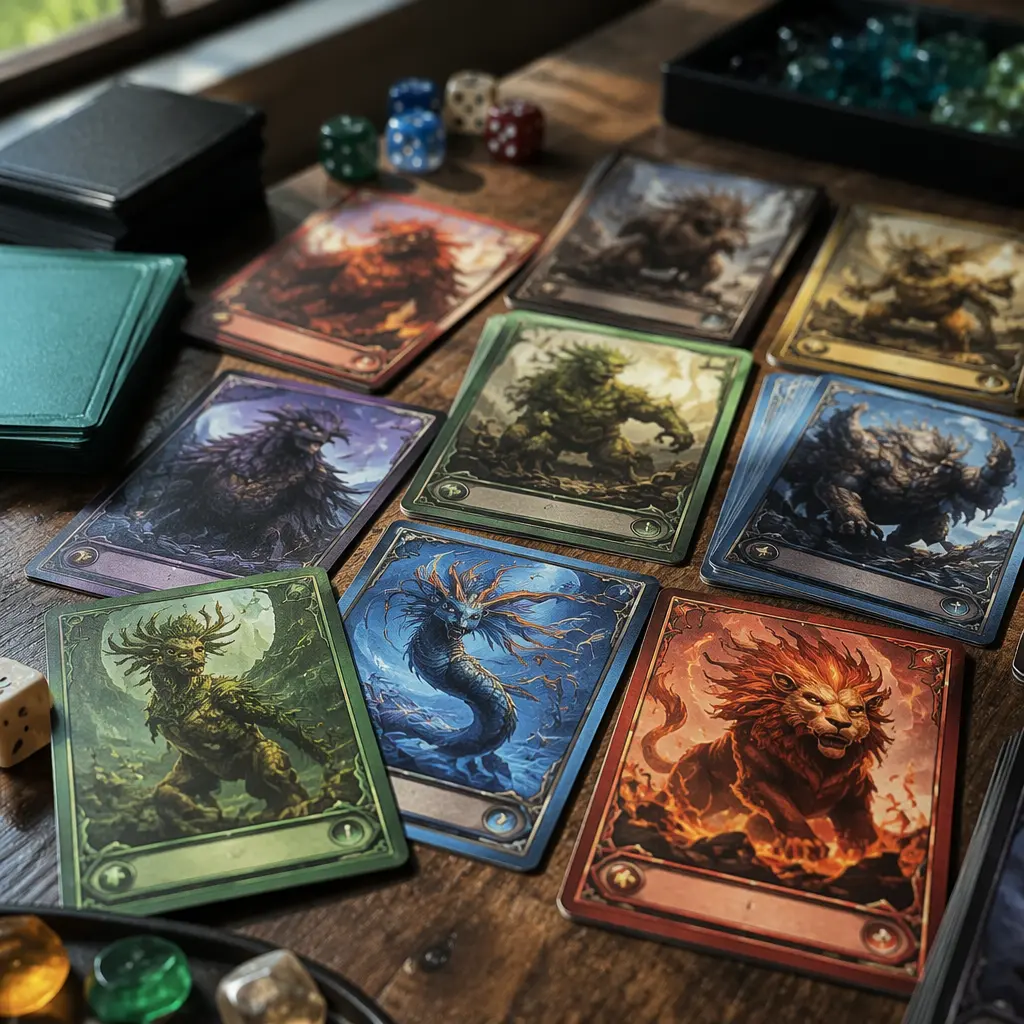
The Pokémon Trading Card Game arrived during the late 1990s collectible boom, but it lasted long after many similar fads faded away. Part strategy game, part trading hobby, and part social ritual, it turned playground swaps into a structured global pastime. Children learned the basics of collecting, probability, and deck-building while adults found a hobby with deep strategy and strong nostalgia. Few toys or games have crossed generations this successfully. What began as a companion to a hit video game series became its own long-running culture, with local leagues, major tournaments, rare-card collecting, and a steady stream of new expansions keeping the game active decades after its launch.
Where it came from
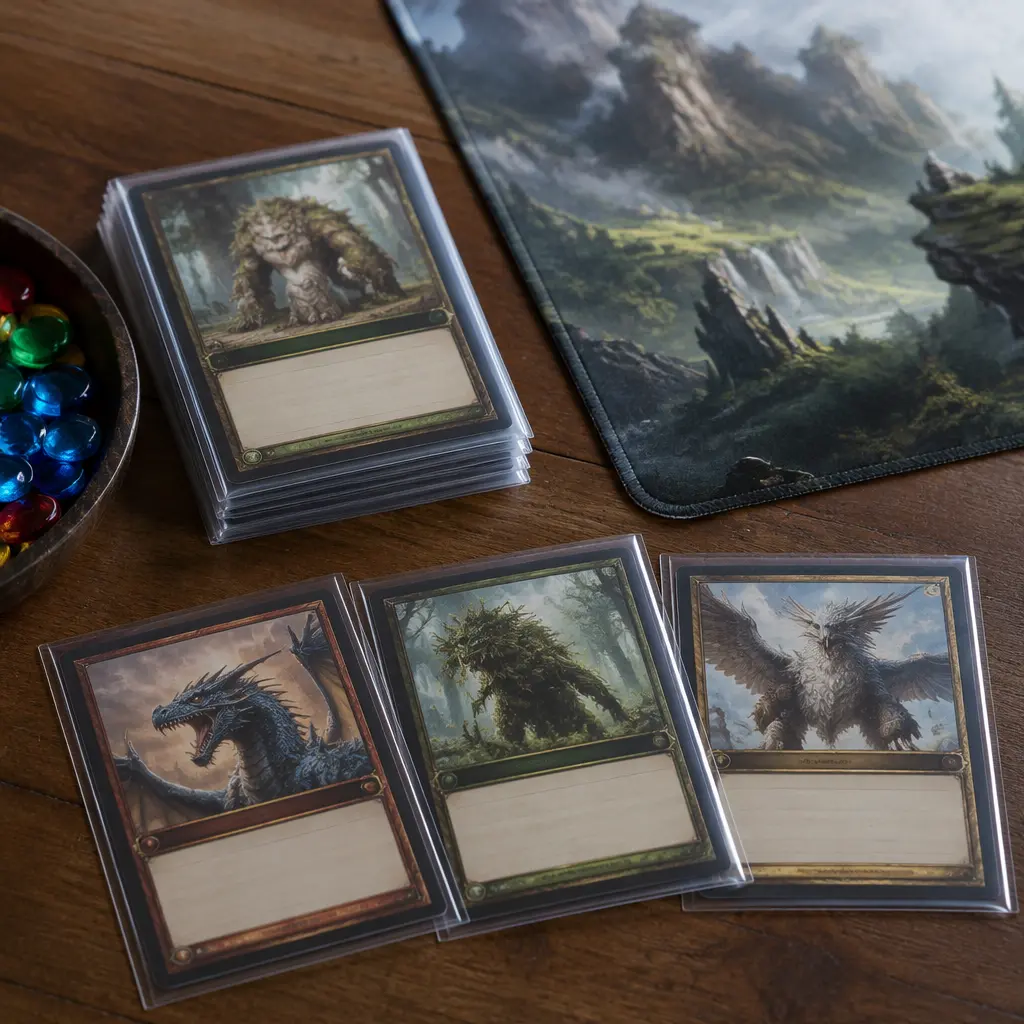
The Pokémon Trading Card Game first launched in Japan in 1996, following the breakout success of the original Pokémon video games. Developed by Media Factory and later managed internationally by The Pokémon Company, the card game adapted the video games' creature battles into a turn-based tabletop format. Players built decks around different creature types, energy resources, and evolving characters, creating a system simple enough for children to learn but flexible enough to support serious competition.
Its arrival outside Japan quickly became a cultural event. Schoolyards filled with binders of cards, improvised trades, and debates over which creatures were strongest or rarest. The game benefited from a wider entertainment wave that included animation, toys, handheld games, and magazines. Unlike many licensed products, though, the card game developed a dedicated identity of its own. Organized tournaments and regular card expansions gave players reasons to stay engaged year after year rather than treating the cards as a short-lived collectible craze.
Why it works
A major reason for the game's longevity is the balance between accessibility and depth. Younger players can enjoy the excitement of opening packs, recognizing favorite creatures, and learning straightforward battle rules. More experienced players can spend years refining strategies around deck construction, timing, and resource management. Because the rules evolve gradually instead of changing completely, players who leave the hobby often find they can return without starting from scratch.
The physical design also matters. The cards are colorful, easy to sort, and satisfying to collect. Rarity tiers encourage trading, while expansions introduce new mechanics without replacing the core formula. The social aspect has always been central as well. Children compare collections, families learn together, and competitive players travel to organized events. The hobby creates interaction in a way many digital games struggle to replicate.
- Simple turn-based rules with room for advanced strategy
- Collectible artwork and rarity systems that encourage trading
- Regular expansions that refresh the game without fully resetting it
- Strong organized play scene from local stores to international tournaments
- Appeal for both casual collectors and competitive players
Who it's for
The Pokémon Trading Card Game is often recommended for children around ages six and up, though reading ability and patience with rules matter more than strict age ranges. Younger children may focus mostly on collecting and trading, while older players usually enjoy deck-building and organized matches. Adults remain a major part of the audience too. Some return because of childhood nostalgia, while others approach the game as a serious strategy hobby or collectible market. Families often find it approachable because matches are relatively short and the basic mechanics can be learned together at a kitchen table.
Variants and what to look for today
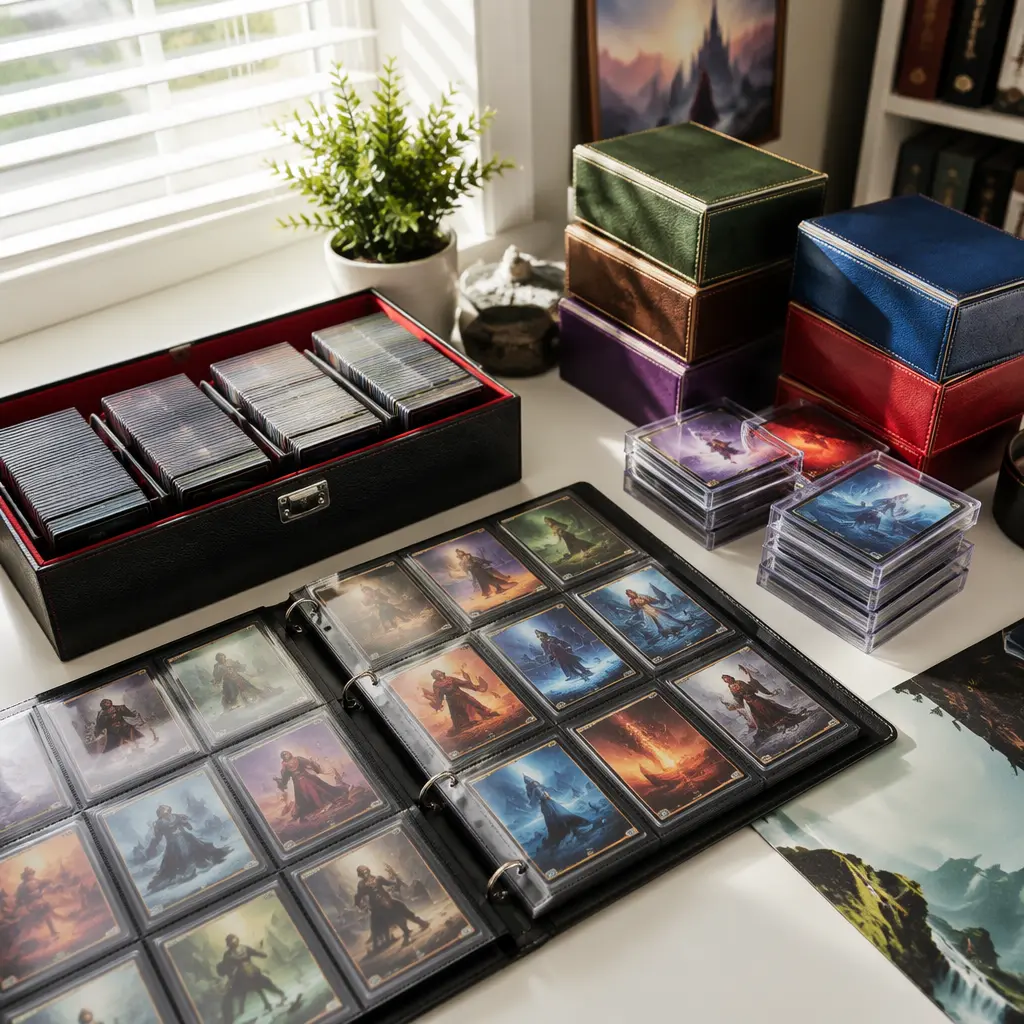
Modern versions of the Pokémon Trading Card Game range from beginner-friendly starter sets to highly competitive tournament products. Introductory decks usually provide the easiest way to learn because they include ready-to-play card combinations and simplified guides. Booster packs remain popular with collectors, while premium storage products such as sleeves, binders, and deck boxes have become an entire subcategory of the hobby.
Collectors today should pay attention to condition, authenticity, and storage quality rather than chasing internet hype alone. Counterfeit cards are common in online marketplaces, especially in large mixed lots offered at unusually low prices. Genuine cards generally have consistent print quality, sturdy cardstock, and accurate coloring. For players, the best approach is often to focus on building enjoyable decks instead of trying to acquire every rare card from a set.
- Starter decks for beginners learning the rules
- Booster packs aimed at collectors and experienced players
- Protective sleeves and binders for long-term storage
- League and tournament products for competitive play
- Older cards for nostalgia collectors, especially early-era artwork
Frequently asked questions
Is the Pokémon Trading Card Game difficult to learn?
The basics are approachable for most school-age children. Players mainly learn how to manage energy cards, evolve creatures, and use attacks strategically. More advanced competitive play can become quite complex, but beginners can start with simplified decks and casual matches.
Why do some cards become so collectible?
Rarity, artwork, historical importance, and nostalgia all influence collectibility. Early print runs and visually distinctive cards often attract long-term interest. Condition also matters greatly, especially for older cards that survived years of handling during the game's peak playground era.
Can the game still be played casually?
Yes. While competitive tournaments receive attention online, many people continue to play casually with friends or family. Kitchen-table play remains one of the hobby's biggest strengths because decks can be adjusted to suit different skill levels and interests.
Are digital versions replacing the physical cards?
Digital adaptations have expanded the audience, but physical cards remain central to the hobby. Collecting, trading, and in-person matches are major reasons people stay engaged. The tactile experience of opening packs and organizing collections still carries strong appeal.
Nearly three decades after its debut, the Pokémon Trading Card Game remains one of the clearest examples of a toy evolving into a lasting social hobby. Its success comes from combining strategy with collecting and competition with community. Children may first arrive because of favorite creatures or shiny cards, but many stay because the game creates stories, routines, and connections that extend well beyond the tabletop.