The Rubber Duck: How a bath toy became a childhood icon
From postwar plastics to bedtime routines, the rubber duck’s simple float-and-squeak design turned bath time into play and made it one of the most recognizable toys of the 20th century.
Compare prices and availability
Check current prices and availability for this guide on eBay.
As an eBay Partner, we may be compensated if you make a purchase.
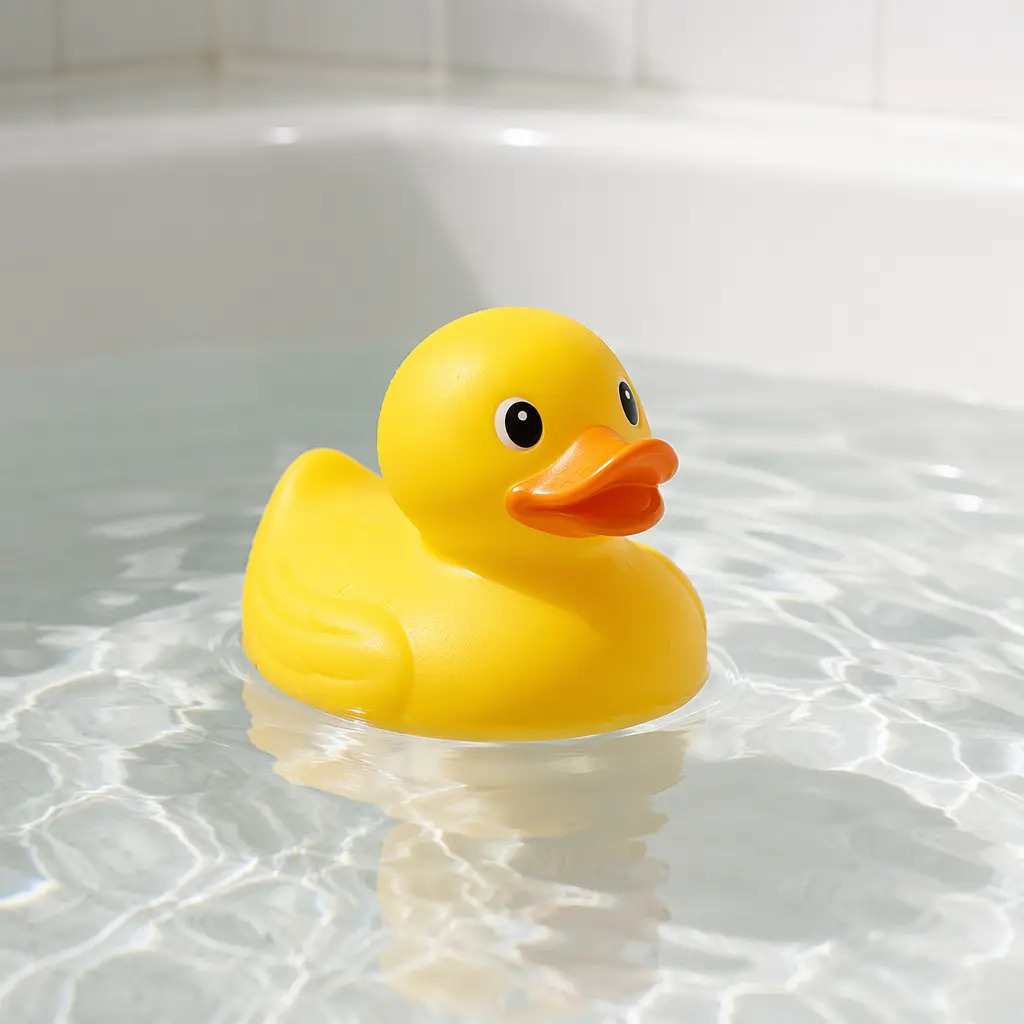
Few toys are as instantly recognizable as the rubber duck. Small enough to fit in a child’s hand and simple enough to explain without words, it has become shorthand for bath time itself. What began as a novelty float has grown into a cultural symbol, turning everyday routines into moments of play for generations of children.
Where it came from
The rubber duck’s story begins in the late 1940s, when advances in plastics made lightweight, waterproof toys affordable for families. Early versions appeared around 1949, produced by small manufacturers experimenting with soft rubber and vinyl. These ducks were often sturdier than today’s versions and sometimes designed as pull toys before finding a natural home in the bathtub.
Its rise coincided with changing attitudes toward childhood and hygiene. Bathing was increasingly framed as a daily routine for children, and parents welcomed toys that made the process easier. The duck’s friendly shape and buoyancy made it a natural fit, and over time it became the default bath companion.
Why it works
At its core, the rubber duck succeeds because it does exactly what a young child expects it to do. It floats, it bobs, and often it squeaks. There’s no setup, no rules, and no right or wrong way to play. That reliability is comforting, especially during routines that can otherwise feel unfamiliar or rushed.
- Simple floating design that works in any amount of water
- Soft, rounded shape that’s easy to grasp
- Bright color that stands out in the bath
- Optional squeaker for cause-and-effect play
The duck’s shape also invites imagination. It can be a pet, a boat captain, or just a cheerful presence nearby. That open-ended play is part of why it has endured while more complicated bath toys have come and gone.
Who it’s for
Rubber ducks are typically introduced in infancy, once babies can sit with support and enjoy water play. They remain appealing through the toddler years, and their nostalgic charm keeps them popular with adults as well. Many parents choose them as first toys because they’re unintimidating and familiar.
Variants and what to look for today
Today’s rubber ducks come in a wide range of sizes and materials, from classic soft vinyl to modern silicone versions designed to be easier to clean. Some are weighted to sit upright, while others are hollow and squeak when squeezed.
When shopping, parents often look for sealed designs or ducks with removable parts that allow water to drain and dry. These features help reduce moisture buildup inside. Generic novelty ducks are common, but it’s worth avoiding poorly made versions with strong odors or rough seams.
Frequently asked questions
Are rubber ducks safe for babies?
Most are designed with babies in mind, using soft materials and rounded edges. Always check the age guidance and supervise bath play.
Why are most rubber ducks yellow?
Yellow is highly visible in water and associated with cheerfulness. Over time, it became the default color people expect.
Do all rubber ducks squeak?
No. Some are designed without squeakers to be fully sealed, which many parents prefer for easier cleaning.
Can adults enjoy rubber ducks too?
Absolutely. Many people collect them or keep one as a playful reminder of childhood.
The rubber duck’s lasting appeal lies in its modesty. It doesn’t try to teach, light up, or connect to anything. It simply floats and waits to be noticed, proving that sometimes the simplest designs are the ones that stay with us the longest.