Rummikub: How luck and logic built a lasting numbers game
Rummikub blends card-game chance with puzzle-like logic, using numbered tiles instead of cards. Since the 1970s it’s become a cross‑generational staple for families who like strategy without heaviness.
Compare prices and availability
Check current prices and availability for this guide on eBay.
As an eBay Partner, we may be compensated if you make a purchase.
Rummikub is one of those games many people feel they’ve always known — pulled out at holidays, played with grandparents, or rediscovered on a rainy afternoon. It looks simple: tiles, racks, numbers. But under that calm surface is a clever blend of luck and logic that has helped Rummikub stay popular for decades, crossing ages, cultures, and gaming tastes.
Where it came from
Rummikub was created by Ephraim Hertzano, an Israeli game designer who began developing it in the 1940s. At the time, card games like rummy were popular, but political restrictions limited access to playing cards. Hertzano’s solution was to translate the familiar rummy-style gameplay into a tile-based format.
After years of refinement, Rummikub was first published internationally in the late 1970s and quickly found an audience. By using durable tiles instead of cards, the game felt both novel and substantial. It spread through Europe and North America largely by word of mouth, becoming a staple in family game cupboards rather than a fad tied to a particular moment.
Why it works
At its core, Rummikub succeeds because it balances chance with meaningful decision-making. Tiles are drawn at random, so no two games feel the same, but success depends on spotting patterns, timing your moves, and reworking what’s already on the table. Players are rewarded for flexible thinking rather than memorising complex rules.
- Simple rules that can be learned in minutes
- Constant table interaction, with shared sets and runs
- A mix of long-term planning and short-term opportunity
- A pace that stays engaging without feeling rushed
- Enough depth to reward repeat play
Unlike many classic games, Rummikub avoids player elimination and long downtime. Everyone stays involved, watching the table for chances to reshape existing groups of tiles. That sense of shared space — and shared risk — is a big part of its appeal.
Who it's for
Rummikub is typically recommended for children aged around eight and up, once basic number recognition and simple arithmetic are comfortable. For adults, the appeal often grows over time. The game’s gentle learning curve makes it accessible, while its tactical depth keeps it interesting for players who enjoy puzzles, card games, or light strategy.
Variants and what to look for today
Today, Rummikub is available in several forms, from the traditional boxed set to travel-friendly versions with smaller tiles. Some editions are designed for younger players, simplifying the rules or using fewer tiles, while others introduce subtle twists for experienced fans.
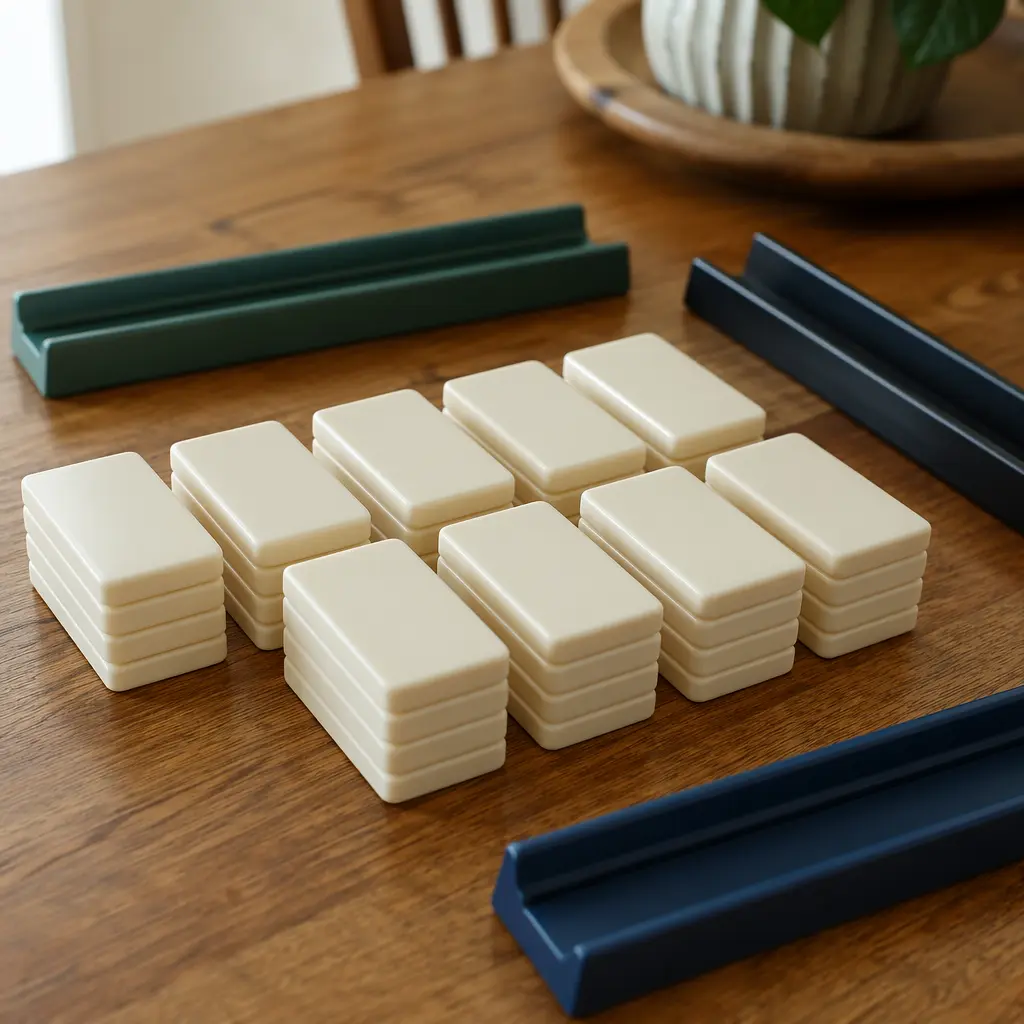
When choosing a set, look for sturdy tiles that stack cleanly and racks that stand firmly without tipping. Poor-quality knock-offs often have slippery tiles or unclear colouring, which can make the game harder to follow. Digital versions exist too, but many players still prefer the tactile feel of physical tiles.
Frequently asked questions
Is Rummikub more luck or skill?
Both matter. Tile draws introduce luck, especially early on, but skilled players consistently do better by managing their racks, watching opponents, and choosing the right moment to play.
How long does a typical game last?
Most games take between 30 and 60 minutes, depending on player count and familiarity with the rules.
Can younger children play?
With guidance, younger children can join in, especially if they’re comfortable with numbers. Junior versions may be a better fit for first-time players.
Is it good for two players?
Yes. While it shines with three or four players, Rummikub still works well as a thoughtful head-to-head game.
Rummikub’s lasting success comes from its quiet confidence. It doesn’t rely on themes or gimmicks, just a well-balanced system that invites players back again and again. For families looking for a numbers game that grows with them, it remains a modern classic.