Classic Board Games That Work Across Mixed Ages
A parent-focused guide to classic board game styles that help siblings of different ages play together, with tips on age fit, setup, and keeping play fair and fun.
Compare prices and availability
Check current prices and availability for this guide on eBay.
As an eBay Partner, we may be compensated if you make a purchase.
Finding board games that work for siblings of different ages can be tricky. Younger kids need simple rules and quick turns, while older kids want real choices and a sense of challenge. The good news is that many classic game styles have stood the test of time precisely because they bring mixed ages together. These games rely on clear goals, shared turns, and light strategy, making them easier for families to enjoy together without constant rule changes.
What to look for
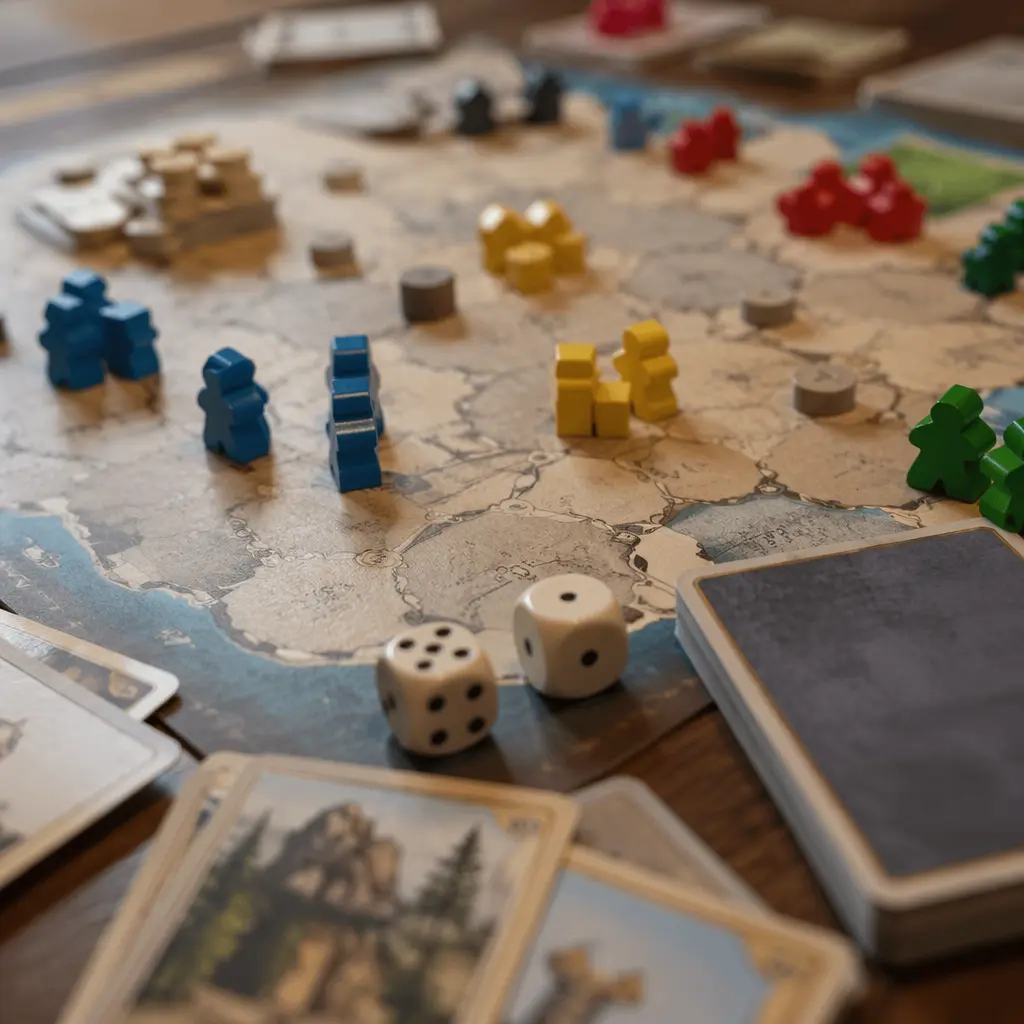
When choosing a board game for mixed ages, the goal is balance. You want a game that younger players can understand and enjoy, while still giving older players meaningful decisions. The following features tend to make classic games more inclusive for a wide age range.
- Simple core rules that can be explained in a few minutes
- Turns that move quickly, so younger players don’t lose focus
- Limited reading or math, or ways to help younger players with it
- A mix of luck and choice, so skill differences don’t dominate
- Clear end conditions, avoiding games that drag on too long
Age suitability
Many classic board games are labeled for a specific minimum age, but those labels are usually based on safety and basic understanding, not enjoyment. In mixed-age play, younger kids can often join earlier with small adjustments, such as open hands, shared decision-making, or gentle reminders. Older kids usually adapt easily as long as the game still lets them think ahead or influence outcomes. Looking at how a game scales, rather than the number on the box, is key.
Standout categories or types
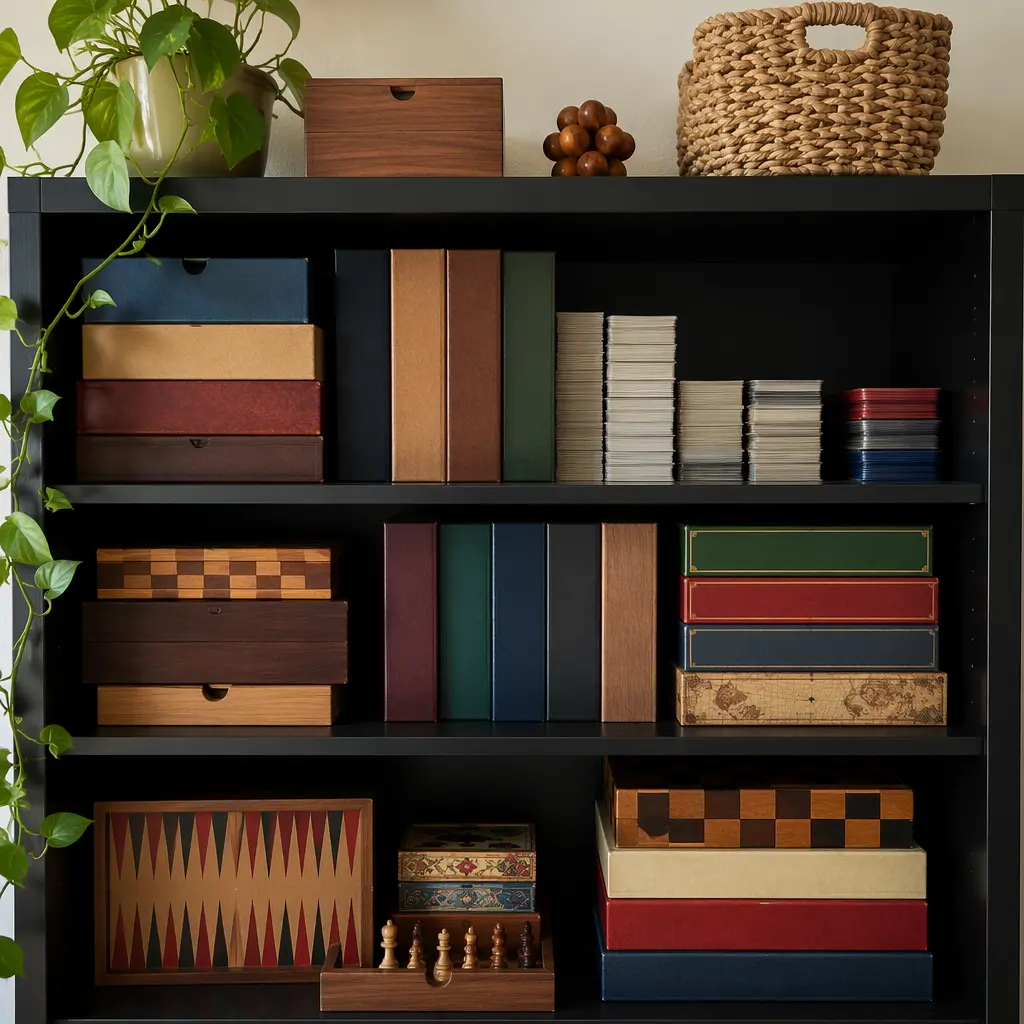
Certain types of classic board games consistently work well across age gaps. These categories focus more on shared experience than deep strategy, which helps level the playing field while still keeping older kids engaged.
- Roll-and-move games that rely on dice or spinners, keeping turns predictable and fair
- Set-collection games where players gather matching items over time
- Cooperative games that encourage players to work toward a shared goal
- Light deduction or guessing games with simple choices and clear clues
- Card games with straightforward patterns or matching rules
These classic formats also make it easier for parents to join in without acting as referees. Rules are usually familiar, and younger kids can watch and learn by playing alongside older siblings. Over time, many families find that these games become part of regular routines, especially during weekends or holidays.
Frequently asked questions
Can younger kids really play without slowing the game down?
Yes, especially with games that use short, repeatable turns. Younger players may take a little longer at first, but clear turn structures and visual cues help keep things moving. Older siblings often adapt by offering quick reminders rather than taking over.
What if older kids get bored?
Look for games that mix chance with choice. Random elements keep outcomes uncertain, while small decisions give older players something to think about. You can also add light house rules, such as optional challenges, to increase engagement.
Are cooperative games better for mixed ages?
Cooperative games can be a great fit because everyone works toward the same goal. This reduces direct competition and allows older players to support younger ones. The key is choosing a game where one player can’t easily control all decisions.
How long should a mixed-age game last?
For most families, 20 to 45 minutes is a sweet spot. Shorter games help younger kids stay engaged and make it easier to play multiple rounds if everyone is having fun.
Do these games help kids learn skills?
Many classic games naturally support skills like turn-taking, counting, planning ahead, and handling wins and losses. Mixed-age play also builds patience and communication, especially when siblings learn to help each other.
Classic board games remain popular for a reason. When chosen with mixed ages in mind, they offer a simple way for siblings to connect, laugh, and learn together. Focusing on flexible rules, clear goals, and shared fun makes game night more enjoyable for everyone at the table.