Shopkins: How tiny grocery collectibles took over playground trading
Launched in 2014, Shopkins turned miniature grocery items into a major playground craze. Their mix of surprise reveals, trading culture, and affordable collecting helped define toy trends of the 2010s.
Compare prices and availability
Check current prices and availability for this guide on eBay.
As an eBay Partner, we may be compensated if you make a purchase.
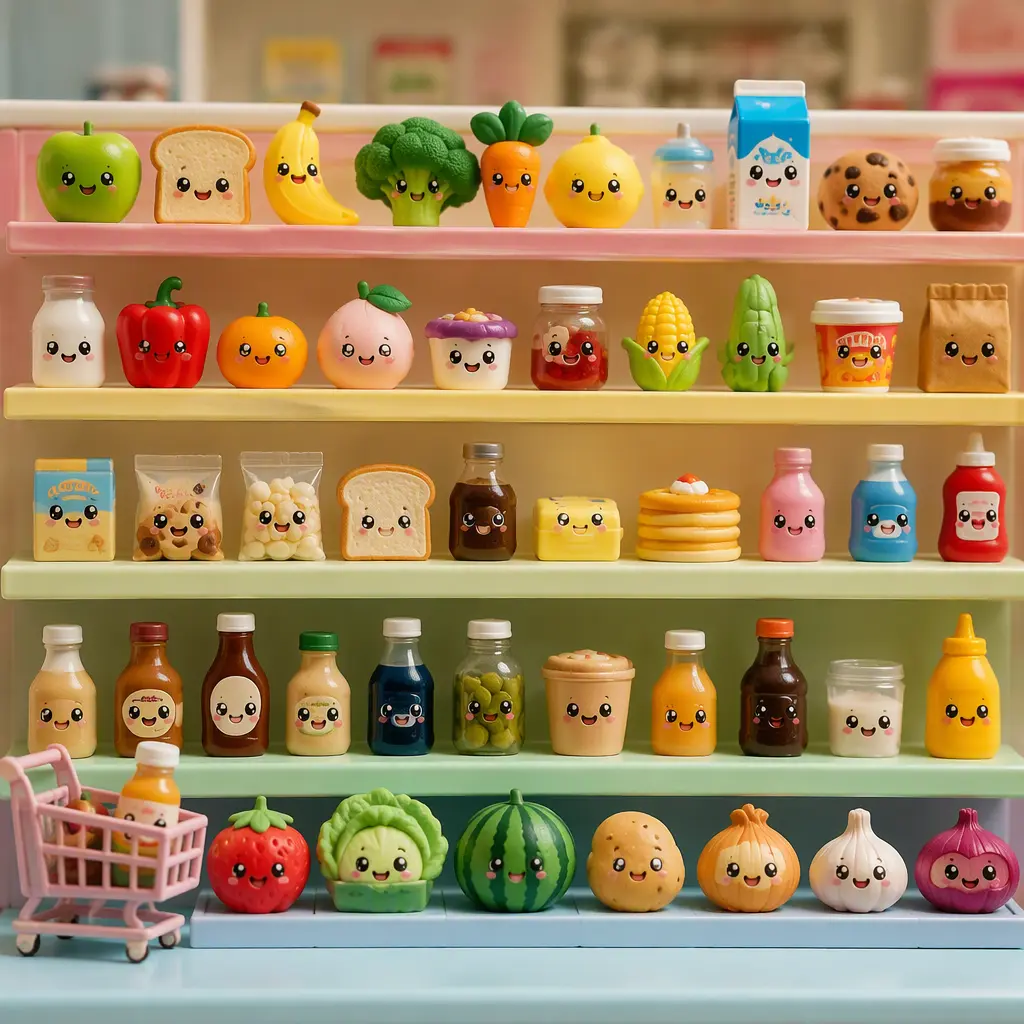
Shopkins arrived at a moment when small collectibles were becoming a major force in the toy aisle, but the line stood out by turning ordinary grocery products into colorful miniature characters. Released in 2014 by Moose Toys, the series mixed surprise-pack excitement with the social ritual of trading duplicates at school, on playgrounds, and during playdates. Children could collect tiny cartoon-inspired versions of fruit, snacks, cleaning products, bakery treats, and household items, each with its own name and personality. The formula was simple, affordable, and easy to expand, which helped Shopkins grow from a toy trend into a recognizable part of 2010s childhood culture.
Where it came from
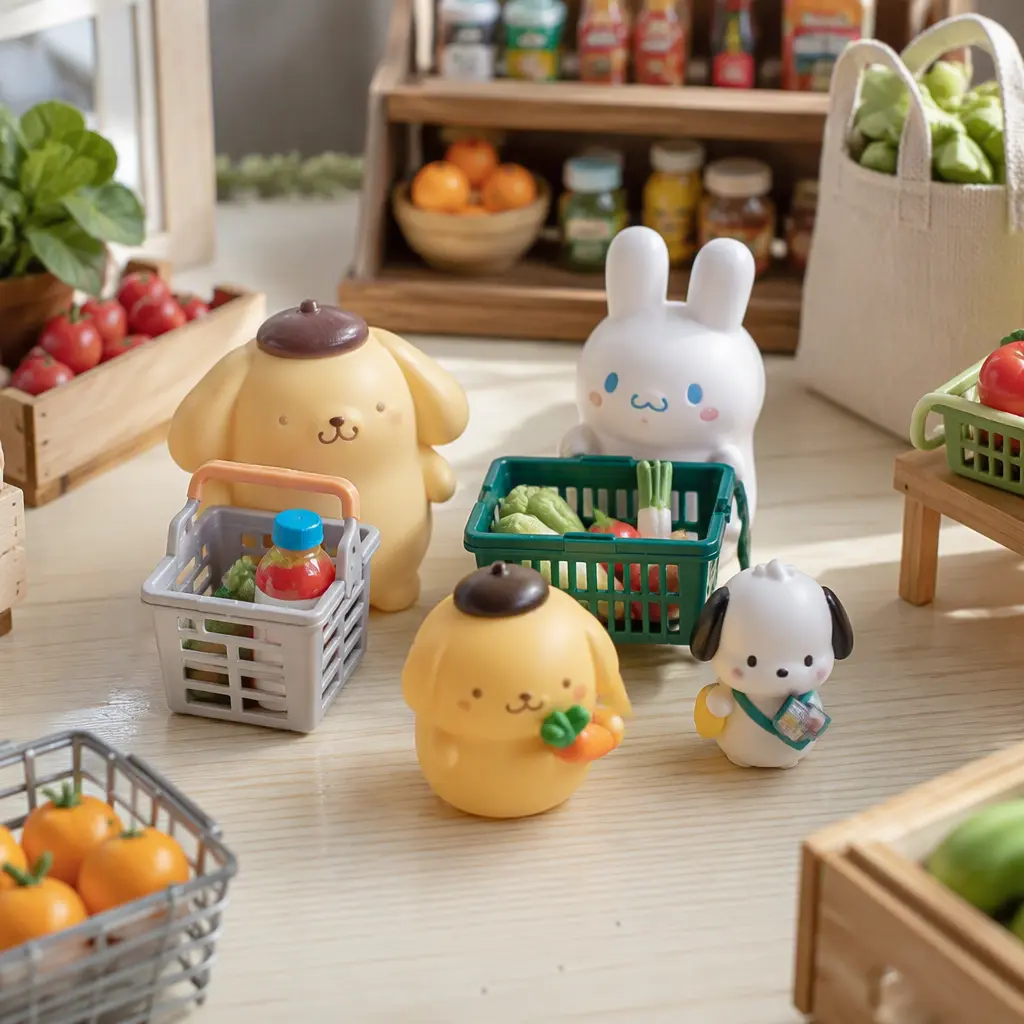
Shopkins debuted in 2014 during a period when collectible toys were shifting toward blind-pack surprises and low-cost impulse purchases. Moose Toys, an Australian company known for interactive and collectible toy lines, designed Shopkins around a familiar real-world setting: the supermarket. Instead of fantasy creatures or action figures, children collected smiling versions of everyday products such as apples, cupcakes, detergent bottles, and ice cream bars.
The idea connected strongly with pretend play. Grocery shopping was already a recognizable activity for many children, and Shopkins transformed that routine into a colorful miniature world. Early releases came packaged in tiny shopping baskets and included shopping lists, collector guides, and themed playsets modeled after stores and food aisles. New waves, often called seasons, introduced fresh categories and encouraged continued collecting without changing the core concept.
Why it works
A major reason Shopkins succeeded was accessibility. Individual figures were small enough to fit in a pocket, inexpensive compared with larger toys, and easy to trade. Children rarely needed a huge play area or complicated setup. A handful of figures and a basket could become a game of pretend shopping, a collection challenge, or a social activity with friends.
The design also balanced consistency with variety. Most figures shared a similar rounded, expressive style, but each category introduced different colors, finishes, and personalities. Some were common finds while others were intentionally harder to discover, adding a treasure-hunt element that kept collectors engaged. The surprise-pack format created excitement while encouraging swapping duplicates with classmates and siblings.
- Small size made the toys portable and easy to trade
- Everyday grocery themes felt familiar and imaginative at the same time
- Blind-pack reveals added surprise and repeat-play appeal
- Large cast of characters encouraged collecting and organizing
- Playsets expanded the world without changing the core toy
- Bright colors and soft cartoon styling appealed across a wide age range
Who it's for
Shopkins primarily targeted elementary-school children, especially kids who enjoyed collecting, organizing, and imaginative role-play. The toys were generally simple enough for younger children to understand, though very small pieces meant parents needed to watch age recommendations carefully. Older children often approached Shopkins more like a hobby collection, sorting by category, rarity, or color. Adult collectors also became part of the audience, particularly during the height of the brand's popularity, when completing full seasonal sets became a challenge and online trading communities appeared around the world.
Variants and what to look for today
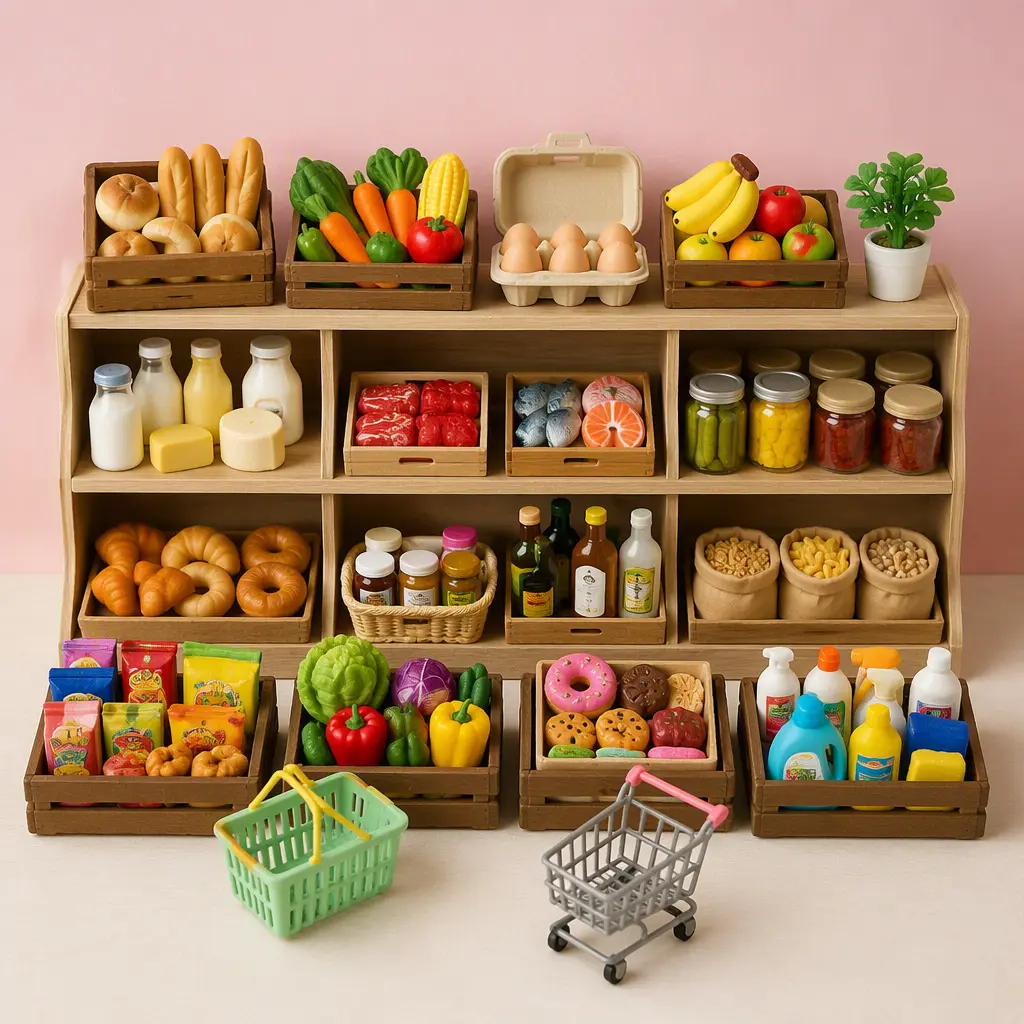
As the brand expanded, Shopkins moved beyond groceries into broader themed worlds that included fashion, pets, vacation settings, and larger dolls connected to the tiny characters. Some releases leaned more heavily into glitter finishes, metallic coatings, or seasonal themes. There were also storage cases, checkout counters, mini markets, and carrying tins designed to support collecting and display.
For buyers today, condition matters more than rarity for most casual collecting. Because the toys were heavily traded and carried around in pockets or backpacks, paint wear is common on older figures. Complete sets with original baskets, accessories, or packaging can appeal to longtime fans, but many families simply look for mixed lots to recreate the play experience at a lower cost. Generic imitation mini collectibles also became common during the peak craze, so shoppers looking for original releases often check sculpt quality, paint detail, and packaging consistency.
- Starter lots are useful for children who want instant variety
- Playsets add pretend-shopping features without requiring huge storage space
- Mixed collections often include duplicates intended for trading
- Older figures may show paint wear from heavy handling
- Storage cases can help keep tiny accessories from getting lost
Frequently asked questions
Why did Shopkins become so popular so quickly?
The line combined several trends at once: collectible toys, blind surprises, low entry cost, and social trading. Children could participate without needing expensive sets, and new releases arrived often enough to keep interest high.
Are Shopkins mainly for collecting or for pretend play?
They work as both. Some children focused on completing sets and organizing characters by rarity or theme, while others used them in miniature grocery-store games and imaginative storytelling.
Do people still collect Shopkins?
Yes, although the peak craze has passed. Nostalgia from children who grew up with the brand has helped maintain interest, and collectors still search for older figures, themed sets, and well-kept collections.
What makes original Shopkins different from similar mini collectibles?
The recognizable grocery theme, consistent art style, and large interconnected world helped Shopkins stand out. Many later toy lines borrowed elements of the formula, but Shopkins was one of the defining miniature collectible brands of the mid-2010s.
Looking back, Shopkins captured a specific toy-industry moment when collecting became social, portable, and heavily tied to surprise reveals. The figures themselves were tiny, but the culture around them was unusually large. For many children of the 2010s, trading a duplicate cupcake or searching for a hard-to-find character became just as memorable as playing with the toys themselves. Even years later, Shopkins remains closely associated with the rise of modern collectible play patterns and the playground economies that grew around them.