Skylanders: When toys and video games finally met
Skylanders launched in 2011 and showed how physical toys could unlock digital worlds. This profile looks at how the figures, portal, and game design changed family gaming.
Compare prices and availability
Check current prices and availability for this guide on eBay.
As an eBay Partner, we may be compensated if you make a purchase.
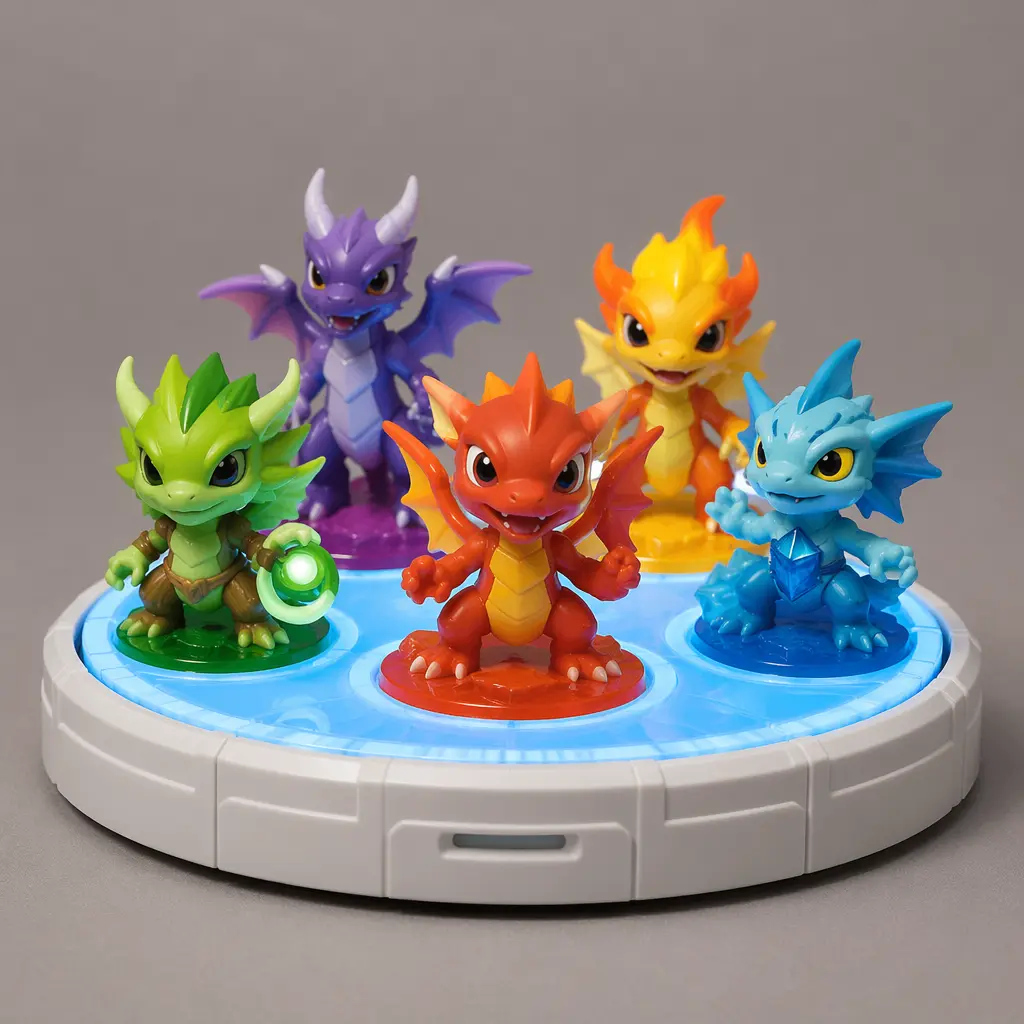
Skylanders was the moment many families realised toys and video games didn’t have to compete for attention. Instead of choosing between action figures on the carpet or a console on the TV, Skylanders invited both at once. You placed a toy on a glowing portal, and it appeared instantly inside the game. For kids, it felt like magic. For parents, it was a clever bridge between physical play and screen time.
Where it came from
Skylanders launched in 2011, developed by Toys for Bob and published by Activision. The idea was bold for its time: each physical figure contained a small chip that could be read by a USB portal connected to a console. Put the toy on the portal, and that exact character loaded into the game, complete with its own progress and upgrades.
The original goal was accessibility. The first Skylanders game was designed so younger players could jump in easily, while still offering enough depth to keep older siblings and parents engaged. It also arrived at a moment when many toy brands were looking for ways to stay relevant in a digital-first childhood. Skylanders didn’t just add a companion app or website—it made the toy itself essential.
Why it works
At its core, Skylanders works because it makes ownership feel meaningful. Each figure isn’t just a collectible; it’s a key that unlocks content, abilities, and emotional investment. Kids quickly understood that swapping toys meant changing the game world in front of them.
The design leaned into simple, readable ideas rather than complicated controls. Characters were colour-coded by element and role, encouraging experimentation without overwhelming players. Standout features included:
- Physical figures that save progress between play sessions
- A portal that makes switching characters instant and tactile
- Bright, toy-like character designs that read clearly on screen
- Drop-in, drop-out co-op play suited to families
Who it's for
Skylanders was primarily aimed at children roughly aged 6–12, but its appeal stretched wider. Younger kids enjoyed the simple action and collectible aspect, while older players and adults appreciated the light role-playing systems and humour. For parents, it became a shared living-room activity—something closer to a board game night than a solitary gaming session.
Variants and what to look for today
Over several years, Skylanders expanded into multiple game entries, each introducing new figures and mechanics. Some added swappable parts, others larger figures meant to feel more powerful in-hand. While the main game releases eventually stopped, the toys remain widely available second-hand and through resale marketplaces.
If you’re exploring Skylanders today, compatibility is the key thing to check. Different game entries require a portal and console support that match your setup. It’s also worth being selective—collections can grow quickly, and not every figure adds something meaningfully new to play. Well-made original figures tend to hold up better than very cheap generic alternatives.
Frequently asked questions
Do Skylanders toys work without the video game?
On their own, Skylanders figures function like small action figures. The full experience—saving progress, unlocking levels, and abilities—requires a compatible game and portal.
Are Skylanders still being made?
New Skylanders releases have stopped, but many toys and games remain available through second-hand sellers. The series is now seen as a completed chapter rather than an ongoing line.
Is Skylanders suitable for younger children?
Yes, with supervision. The controls are simple, and the tone is light, but younger children may need help managing menus and swapping figures.
Why did Skylanders matter so much?
Skylanders proved that toys-to-life could work at scale. Its success paved the way for similar ideas and changed how the toy and games industries thought about hybrid play.
Looking back, Skylanders feels like a snapshot of a specific moment in family entertainment. It didn’t just sell toys or games—it sold an experience that lived on the floor, the coffee table, and the TV screen at the same time. Even years later, it remains a reference point for how physical and digital play can truly connect.