Steiff Teddy Bears: The plush toys that set the standard
Handcrafted since the early 1900s, Steiff teddy bears helped define what a plush toy could be, blending careful design, durability, and emotional appeal that still resonate with families today.
Compare prices and availability
Check current prices and availability for this guide on eBay.
As an eBay Partner, we may be compensated if you make a purchase.
Few toys are as instantly recognisable, or as emotionally loaded, as a teddy bear. Among them, Steiff teddy bears occupy a special place. These were not just early plush toys; they helped define what a teddy bear should look like, how it should feel, and why it could become a lifelong companion rather than a passing novelty. More than a century on, they remain a reference point for quality and craft in soft toys.
Where it came from
Steiff teddy bears trace their origins to Germany in 1902. The Steiff company was founded by Margarete Steiff, a trained seamstress who began by making felt toys despite being confined to a wheelchair. Her nephew, Richard Steiff, designed an early bear with movable arms and legs, inspired by visits to the zoo. This design stood out at a time when most soft toys were static and purely decorative.
The timing proved fortuitous. Around the same period, the term “teddy bear” entered popular culture following a political cartoon linked to U.S. President Theodore Roosevelt. Steiff’s jointed bear design matched the public imagination perfectly, and international demand followed. What began as a small family workshop evolved into a global name, with the teddy bear as its most enduring creation.
Why it works
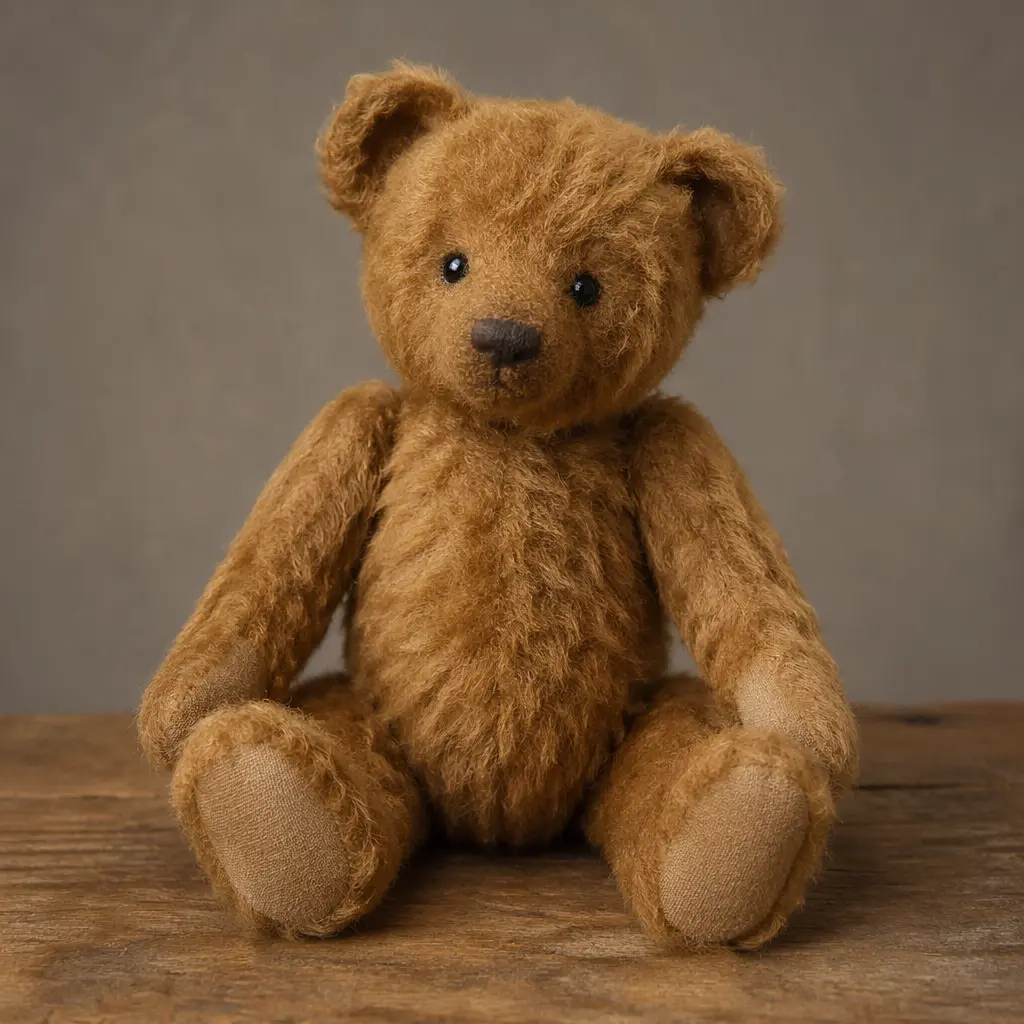
At the heart of the Steiff teddy bear’s appeal is its construction. These bears were designed to be handled, hugged, and moved. Jointed limbs allow the bear to sit, stand, or slouch in a way that feels expressive, giving it more personality than a fixed soft toy. The proportions are deliberately balanced: not overly cute, not overly realistic, but somewhere in between.
Materials and finish also matter. Traditionally made with dense plush fabrics and firmly stuffed, Steiff bears feel substantial in the hand. That weight and resistance are part of the experience, especially for older children and adults. Standout features include:
- Jointed arms, legs, and often head for poseable play
- Durable stitching designed to withstand decades of handling
- Expressive but simple facial features
- A balance between softness and structure
Who it's for
Steiff teddy bears sit at an unusual intersection. They can be comforting soft toys for children, but they also appeal strongly to adults as keepsakes, gifts, or collectibles. Many families treat them as heirloom objects, passed down rather than worn out. While some designs are suitable for younger children, others are better appreciated by older children or adults who value their craftsmanship.
Variants and what to look for today
Over the decades, Steiff has produced teddy bears in many sizes, fabrics, and styles. Some lean toward traditional mohair-like plush and vintage proportions, while others use softer modern materials and rounder shapes. You will also find bears dressed in outfits or themed around occasions, alongside very plain, classic designs.
If you are looking for a Steiff-style teddy bear today, consider what you want from it. For cuddling, softer fabrics and simpler joints may suit better. For display or gifting, a more traditional jointed bear with firmer stuffing often feels more special. Be cautious of generic bears marketed as “Steiff-like” without clear quality cues; loose joints, thin fabric, or weak stitching can undermine the experience.
Frequently asked questions
Are Steiff teddy bears meant to be played with?
Yes, although some are better suited to gentle play or display. Historically, they were designed as toys, but modern buyers often treat them as keepsakes.
What makes them different from ordinary teddy bears?
The difference lies in construction and design philosophy. Jointed limbs, firmer stuffing, and careful proportions give them a distinctive feel and presence.
Do they appeal to children today?
They can, particularly older children who appreciate character and durability. Younger children may prefer softer, simpler plush toys for everyday use.
Are they collectibles or toys?
They are both. That dual identity is part of their longevity and cultural importance.
Steiff teddy bears endure because they were never just about cuteness. From the beginning, they treated the teddy bear as a crafted object with character and intent. In doing so, they helped shape expectations for plush toys across generations. Whether held, displayed, or passed down, they remain a quiet reminder that thoughtful design can turn a simple toy into something lasting.