Stikbot: The toy that turned kids into stop-motion filmmakers
Stikbot combined poseable stick-figure toys with smartphone stop-motion apps, giving kids a simple way to experiment with animation, storytelling, and practical filmmaking at home.
Compare prices and availability
Check current prices and availability for this guide on eBay.
As an eBay Partner, we may be compensated if you make a purchase.
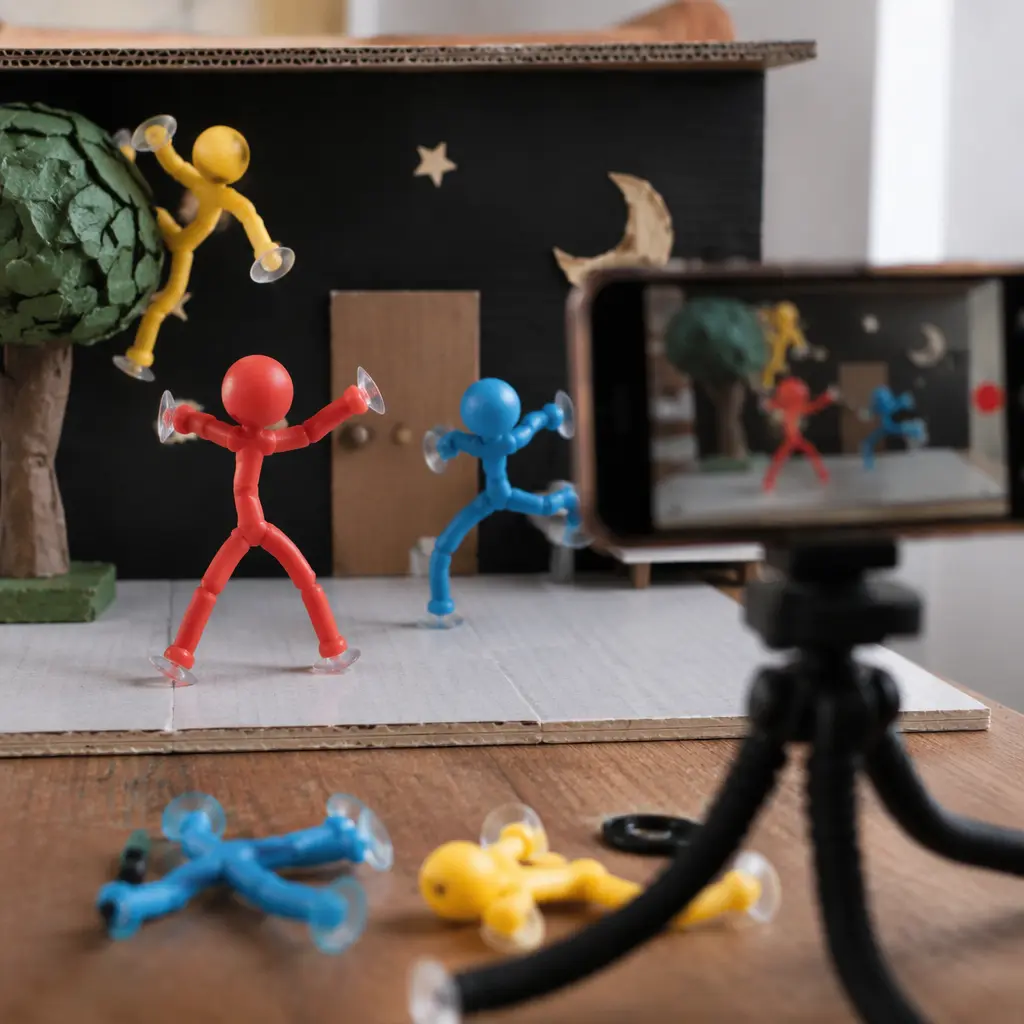
Stikbot arrived at a moment when kids were already recording videos on phones and tablets, but most toys still treated screens as distractions rather than creative tools. The small bendable figures, built with suction-cup hands and feet and paired with a simple stop-motion app, turned bedrooms and kitchen tables into tiny animation studios. What made the concept stand out was not technical complexity but accessibility. A child could move a figure a fraction at a time, snap photos frame by frame, and suddenly understand how animated movies are made. In an era dominated by polished digital entertainment, Stikbot offered a hands-on process that felt surprisingly old-school.
Where it came from
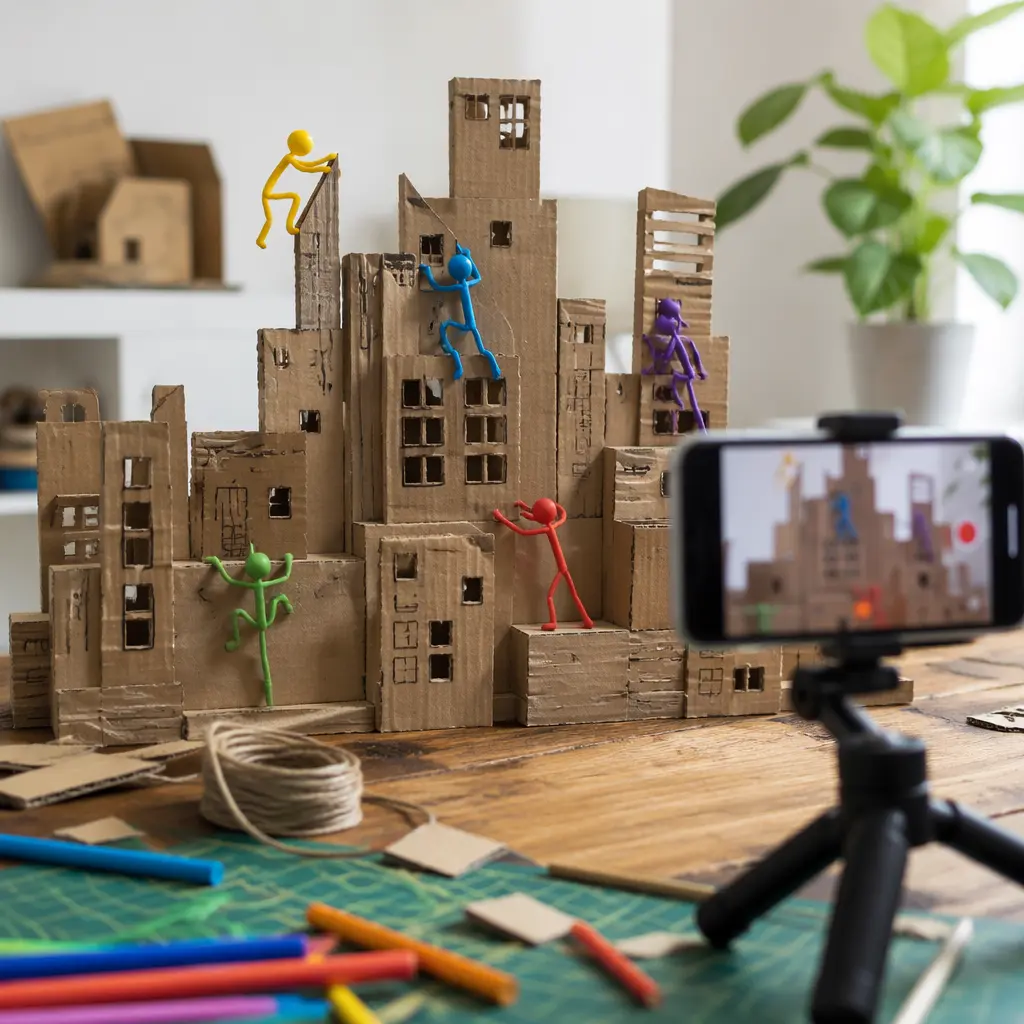
Stikbot launched in 2015 through the toy company Zing, which focused on toys built around movement, experimentation, and active play. The idea was simple but well timed: combine inexpensive poseable figures with mobile filmmaking tools that many families already owned. Stop-motion animation had existed for more than a century, but for most children it remained something mysterious, associated with professional studios or complicated hobby equipment. Stikbot reduced the barrier to entry dramatically.
The original figures were lightweight plastic stick characters with articulated joints and suction cups that allowed them to cling to smooth surfaces. The companion app guided users through frame-by-frame capture and playback, effectively introducing basic animation principles without making the experience feel educational. That balance mattered. Kids were not being asked to study filmmaking theory. They were making toy characters dance across a countertop, stage monster battles, or invent comedy sketches, and learning cinematic timing along the way.
Why it works
The appeal of Stikbot comes from how directly physical play connects to digital results. Many toys promise creativity but rely heavily on preprogrammed outcomes. Stikbot instead rewards patience, experimentation, and improvisation. A child moves a figure slightly, takes a picture, repeats the process dozens of times, and then watches the illusion of motion appear. That instant feedback loop is satisfying in the same way flipbooks and clay animation have always been satisfying.
The figures themselves are intentionally simple. Their stick-like shape keeps them expressive without demanding fine artistic skill. The suction cups are the key mechanical trick, allowing characters to hang from windows, crawl across walls, or hold dramatic poses that ordinary action figures cannot manage easily. Combined with household props and craft materials, the toys encourage low-cost world building. A cereal box can become a skyscraper. A blanket becomes a mountain range. The toy invites children to direct scenes rather than merely collect characters.
- Poseable joints that support frame-by-frame movement
- Suction-cup hands and feet for climbing and unusual poses
- Easy integration with phones and tablets
- Open-ended storytelling without fixed rules
- Compact size that works well with homemade sets
- Creative crossover between crafts, photography, and play
Who it's for
Stikbot works best for children who enjoy tinkering, storytelling, photography, or arts-and-crafts activities. Younger children can enjoy posing the figures and making simple videos with help from adults, while older kids often become more interested in editing, sound effects, and longer animated stories. The toy family also developed a small adult following among hobby animators, teachers, and social-media creators because it offers an inexpensive introduction to stop-motion techniques. Unlike many screen-connected toys, the screen here functions more like a creative tool than passive entertainment.
Variants and what to look for today
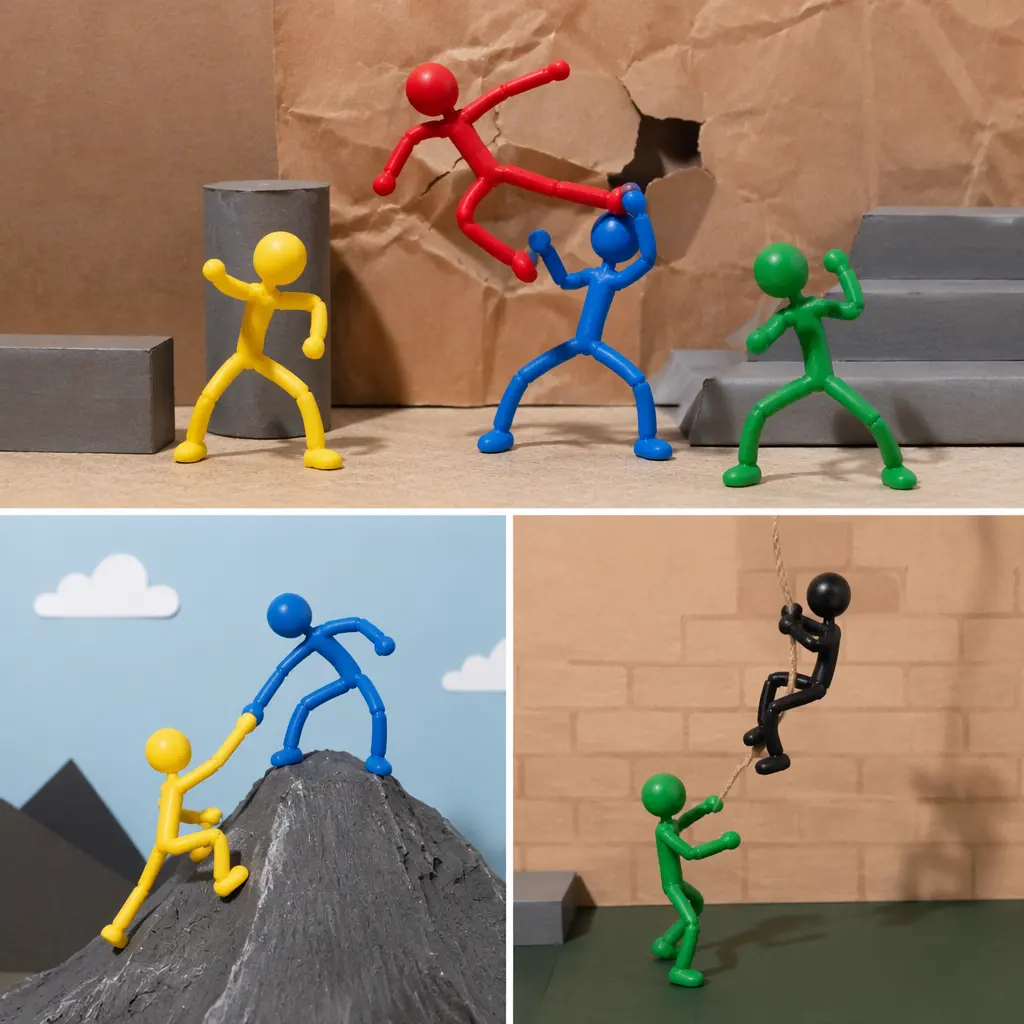
Since its launch, the Stikbot line has expanded into themed figure packs, creatures, pets, larger characters, and playsets designed to support more ambitious animation scenes. Some sets include green or blue backdrop panels intended for simple chroma-key effects, allowing users to swap digital backgrounds into their movies. The broader range helped the toy stay relevant as children became more comfortable with video creation on social platforms.
Families shopping for Stikbot products today should pay attention to flexibility and build quality. The joints need enough resistance to hold poses without becoming frustratingly stiff. Lower-quality imitation figures often struggle here, making animation difficult because limbs slip between frames. It is also worth considering whether the included accessories encourage storytelling rather than simply adding clutter. Simple props and stable surfaces tend to matter more than large plastic environments when making stop-motion videos.
- Starter figure packs for basic stop-motion play
- Creature or monster variants for action scenes
- Pet-themed sets for comedy or adventure videos
- Backdrop kits designed for homemade visual effects
- Accessory packs with props and miniature scenery
Frequently asked questions
Do you need the app to enjoy Stikbot?
No. The figures can still work as ordinary poseable toys, but the stop-motion experience is what gives the line its distinctive appeal. Many children quickly become interested in making short videos once they see how the animation effect works.
Is Stikbot educational?
In a practical sense, yes. The toy introduces basic animation, sequencing, patience, visual storytelling, and simple filmmaking concepts. It also encourages planning and experimentation without feeling like a classroom activity.
How durable are the figures?
The figures are lightweight and generally designed for repeated posing, though heavy bending or rough handling can loosen joints over time. The suction cups also work best when kept clean and used on smooth surfaces.
Why did Stikbot become popular online?
The toy arrived during a major rise in short-form video culture. Children and teens were already sharing homemade videos online, and Stikbot fit naturally into that environment by giving users a simple way to create original animated clips without expensive equipment.
Stikbot endures because it bridges physical toys and digital creativity in a way that still feels refreshingly direct. The figures themselves are uncomplicated, but the experience around them can become surprisingly ambitious. One child might make ten-second comedy clips, while another builds elaborate miniature worlds and experiments with editing techniques. The core idea remains the same: animation becomes something you can hold in your hand rather than just watch on a screen.