StoryDream AI and the new wave of bedtime tech
StoryDream AI blends projection, audio and AI-generated storytelling into a bedtime-focused toy-tech category that also raises questions about privacy, parental controls and cloud dependence.
Compare prices and availability
Check current prices and availability for this guide on eBay.
As an eBay Partner, we may be compensated if you make a purchase.
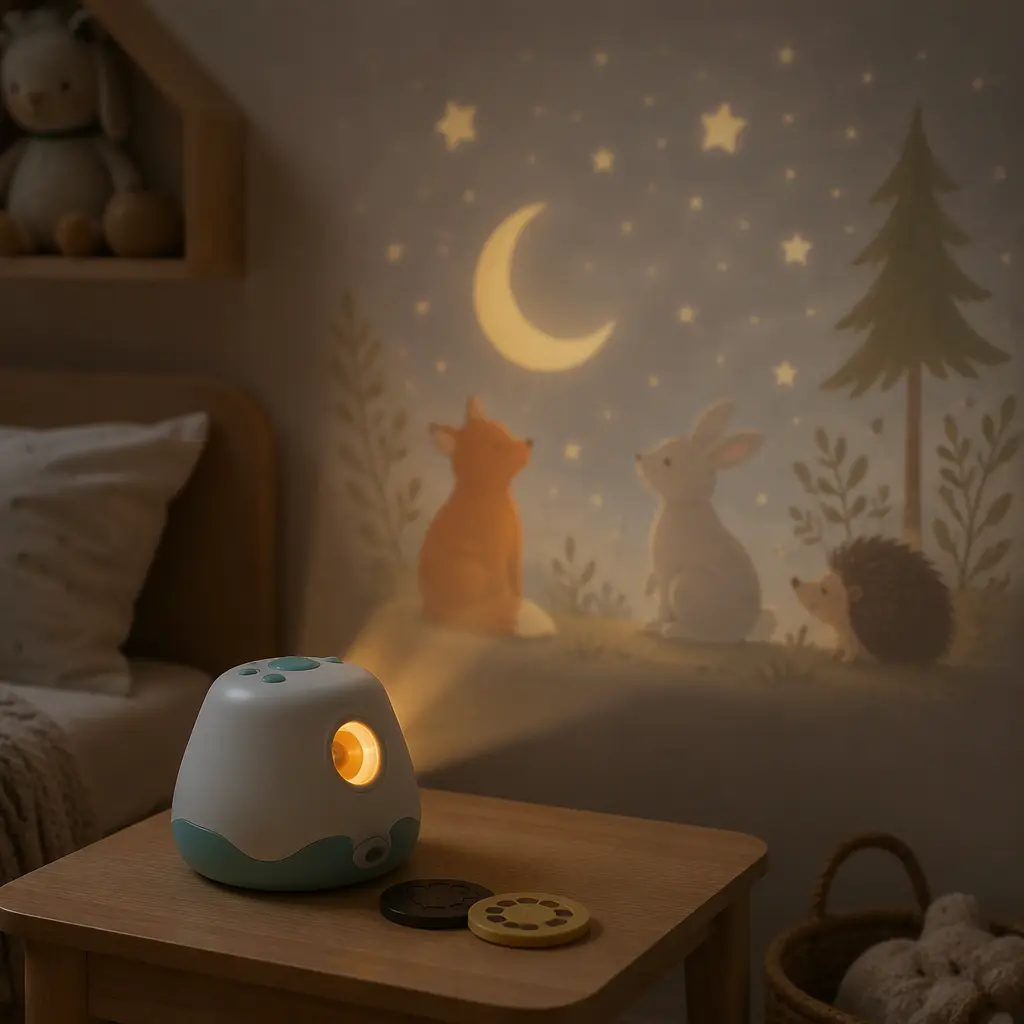
StoryDream AI arrives at a moment when toy makers and consumer-tech brands are experimenting with generative AI as part of everyday play. Positioned as a storytelling projector for children and families, the device combines spoken narration, projected visuals and AI-assisted story creation in a format designed for bedtime routines. That combination makes it more than a traditional projector toy or audio storyteller. It also places the product in the middle of wider debates about connected toys, cloud-generated content and how much parents want AI shaping screen-free family time.

Where it came from
The recent surge in consumer AI tools has quickly spread into children's entertainment products, especially toys focused on creativity and education. StoryDream AI is part of that contemporary category: devices that promise personalized stories, adaptive narration or interactive bedtime experiences using cloud-connected systems. Unlike classic cassette-based story players or simple projectors that replay fixed content, AI storytelling toys can potentially generate new material on demand based on prompts, themes or parental settings.
That shift changes the conversation around what a bedtime toy actually is. Earlier generations of storytelling products were mostly closed systems with prewritten scripts and predictable playback. AI-connected toys introduce more variability because responses may be generated dynamically rather than selected from a fixed library. Manufacturers in this space often present that flexibility as a creativity feature, while parents and digital-safety experts tend to focus on moderation tools, privacy handling and whether the toy remains useful if internet services change or subscriptions evolve over time.
Why it works
The appeal of a product like StoryDream AI is easy to understand. Bedtime routines are repetitive by nature, and many families already rotate through books, white-noise devices, audio players and night lights. Combining projection, narration and interactive storytelling into one device creates a focused environment that can feel calmer and more immersive than handing a child a tablet. Projection-based toys also avoid the close-up eye strain associated with small handheld screens, while still delivering visual stimulation.
The AI angle adds another layer. Instead of replaying the same stories repeatedly, a connected storytelling system may be able to vary characters, settings or themes based on prompts and preferences. Whether that feels magical or unnecessary depends partly on what families want from bedtime media. Some parents value unpredictability and novelty, while others prefer the consistency and editorial oversight of fixed children's stories.
- Projected visuals designed for dim-room bedtime use
- Audio narration that may blend scripted and AI-generated content
- Potential cloud connectivity for new stories or updates
- Companion app or parental settings in some ecosystems
- Voice interaction or prompt-based customization depending on configuration
- Hybrid role as both comfort device and entertainment gadget
Who it's for
StoryDream AI is primarily aimed at families with younger children who already use audio stories, sleep routines or projector-style comfort toys. The strongest appeal is likely for households interested in guided bedtime experiences but hesitant to give children unrestricted access to phones or tablets. Adults interested in emerging AI products may also see the toy as a softer, family-oriented introduction to generative technology. At the same time, parents who prefer fully offline toys or carefully curated storytelling may find the connected features less appealing unless robust controls are available.

Variants and what to look for today
Because AI toy categories are evolving quickly, buyers should pay close attention to how features are described rather than assuming all storytelling devices work the same way. Some products use generative AI to create original dialogue or story structures, while others rely mostly on scripted content with limited personalization layered on top. The distinction matters because moderation, reliability and content consistency can vary widely between those approaches.
Connectivity is another major factor. A cloud-dependent storytelling toy may require Wi‑Fi for core functions such as generating new stories, updating voices or accessing libraries. Families considering a device like StoryDream AI should check whether any features remain available offline and whether playback still works without app access or account logins. Regional availability can also affect language support, voice options and app functionality.
- Check whether stories are generated live or selected from a fixed library
- Look for clear parental controls and content-filtering options
- Confirm device compatibility if a companion app is required
- Review microphone and voice-data policies before setup
- Consider whether offline playback is available
- Buy from established retailers to reduce the risk of unsupported copycat devices
Frequently asked questions
Does StoryDream AI work without the internet?
That depends on how the platform is designed. Some AI storytelling toys can replay downloaded or preloaded content offline, while others rely heavily on cloud services for story generation and updates. Families should confirm which features continue working without Wi‑Fi before buying.
Is the storytelling fully generated by AI?
Not always. Many products in this category combine prewritten scripts, curated prompts and AI-assisted responses. Manufacturers may use generative AI for customization while still relying on fixed content libraries for safety and consistency.
What should parents know about privacy?
Connected toys may collect voice inputs, account details or usage information depending on their features. Parents should check whether microphones can be muted, whether recordings are stored and how child accounts are managed. Reading the privacy documentation is especially important for cloud-connected toys aimed at younger users.
Are AI storytelling toys replacing books?
Most families are likely to treat products like StoryDream AI as a supplement rather than a replacement. Traditional books offer consistency, shared reading and established favorites, while AI storytelling devices focus more on novelty, interaction and atmosphere.
StoryDream AI reflects a broader shift in the toy industry toward connected, adaptive entertainment products that blur the line between toys, smart devices and media platforms. Whether that feels exciting or excessive depends on how much value a family places on personalization versus simplicity. Either way, the product represents a growing category worth watching as AI moves further into children's entertainment and everyday home routines.