Strider Balance Bikes: How pedal-free riding changed childhood
Born in 2007, Strider balance bikes helped rewrite how kids learn to ride. By removing pedals, they focused on balance first—simplifying the learning curve and reshaping early cycling worldwide.
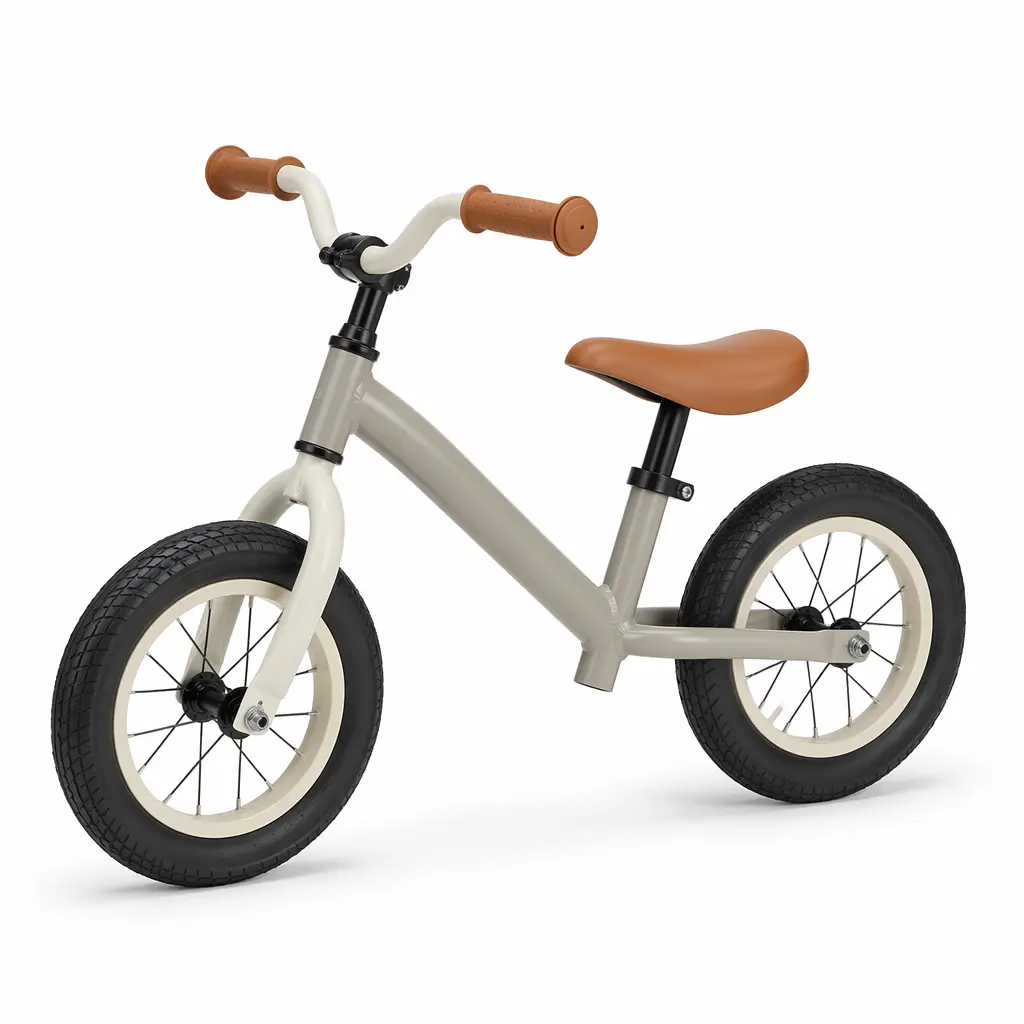
Compare prices and availability
Check current prices and availability for this guide on eBay.
As an eBay Partner, we may be compensated if you make a purchase.
Before balance bikes, learning to ride usually followed a familiar script: a small bike, a pair of training wheels, and a long, wobbly transition to pedaling on two wheels. Strider balance bikes helped flip that script. By taking pedals out of the equation entirely, they reframed cycling as a skill built on balance first—something toddlers could explore naturally, often years earlier than previous generations.
Where it came from
Strider balance bikes trace their origins to 2007, when founder Ryan McFarland, an avid cyclist, set out to find a better way to teach his own child to ride. Frustrated by the limitations of training wheels—which teach pedaling but not balance—he built a small, pedal-free bike that let kids push with their feet and glide when ready.
The idea wasn’t entirely new—pedal-free “run bikes” had appeared in Europe decades earlier—but Strider refined the concept for modern families. Lightweight materials, wide adjustability, and a clear focus on very young riders helped the brand bring balance bikes into the mainstream, particularly in North America.
Why it works
The success of Strider balance bikes comes down to a simple insight: balance is the hardest part of cycling. By letting children sit low, push with their feet, and coast at their own pace, balance becomes intuitive rather than intimidating. Pedaling can be added later, once the core skill is already mastered.
This approach also changes the emotional experience of learning to ride. Kids stay in control, stop easily, and fall less often, which builds confidence. Parents often notice that the transition from a balance bike to a pedal bike happens almost overnight.
- Pedal-free design that prioritises balance
- Low seat height so feet stay close to the ground
- Lightweight frame that young children can manage
- Wide adjustment range to grow with the child
- Simple construction with fewer parts to maintain
Who it's for
Strider balance bikes are typically aimed at toddlers and preschoolers, often from around 18 months through to about five years, depending on the model and the child’s size. That early start is part of the appeal. There’s also a surprising adult audience: parents, educators, and even cycling coaches who see balance bikes as a smarter foundation for lifelong riding.
Variants and what to look for today
Over time, the Strider family has expanded to include different sizes and feature sets, from ultra-small starter bikes to larger models designed for older children. Materials can range from steel to aluminium, and tyres may be foam or air-filled, depending on where the bike is meant to be ridden.
When shopping today, the biggest things to look for are fit and adjustability. A proper balance bike allows the child to sit comfortably with knees slightly bent and feet flat on the ground. It’s also worth paying attention to weight—lighter bikes are easier for kids to control and for parents to carry.
Frequently asked questions
Do balance bikes really replace training wheels?
For many families, yes. Balance bikes teach the skill training wheels don’t: how to stay upright on two wheels. Most children who start on a balance bike skip training wheels entirely.
At what age can a child start?
Some children start as young as 18 months, as long as they can walk confidently and reach the ground while seated. Readiness matters more than age alone.
Are they safe for indoor use?
They can be, especially on smooth floors and with supervision. Many families use them indoors during bad weather, though outdoor space gives more room to glide.
Will my child get bored without pedals?
Most children don’t. The freedom to move, coast, and explore keeps them engaged, and many naturally increase speed and challenge as their confidence grows.
Strider balance bikes didn’t just introduce a new product—they shifted expectations. By proving that kids could learn balance first and pedal later, they helped redefine early cycling. Nearly two decades on, that idea has become the standard, and countless first rides now start without pedals at all.