Sylvanian Families Treehouse and the Appeal of Gentle Play
The Sylvanian Families Treehouse helped define a quieter style of imaginative play, pairing woodland animal figures with detailed homes that encouraged storytelling over competition.
Compare prices and availability
Check current prices and availability for this guide on eBay.
As an eBay Partner, we may be compensated if you make a purchase.
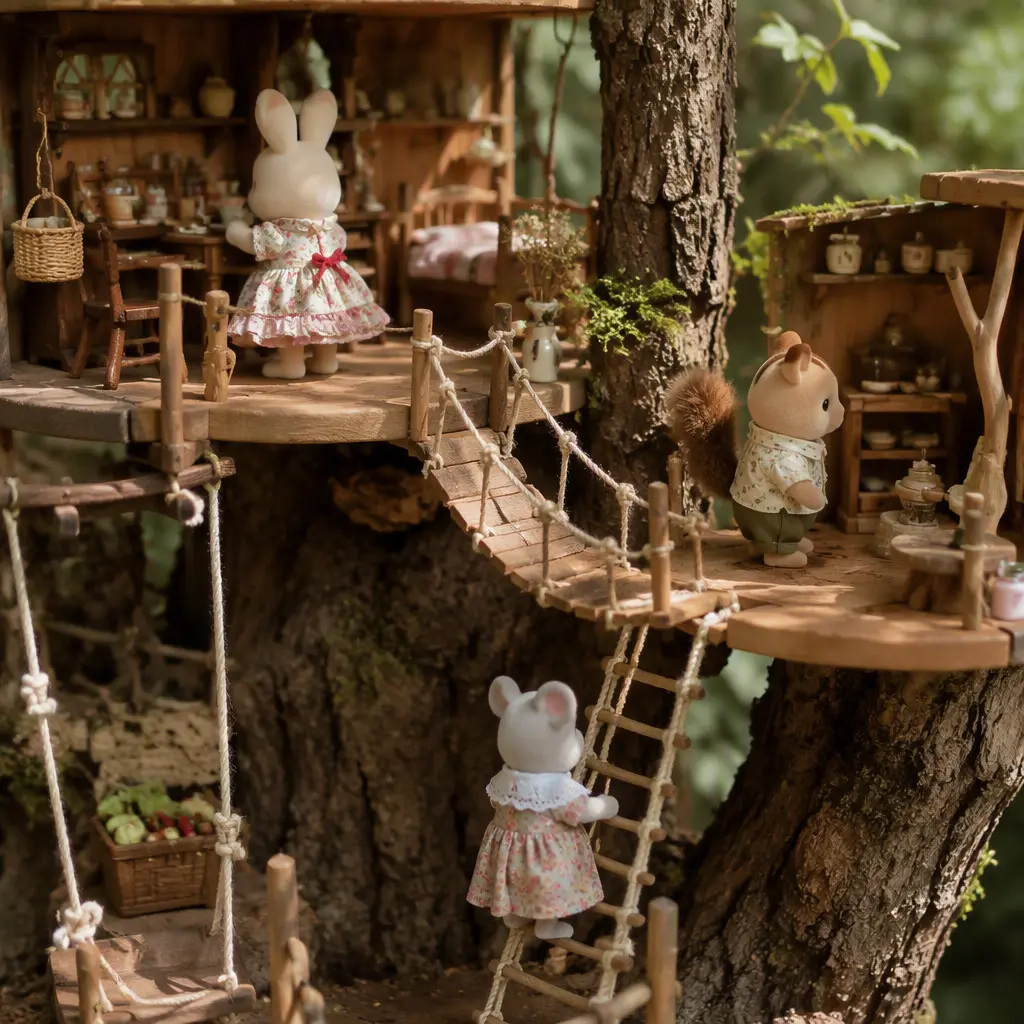
The Sylvanian Families Treehouse arrived during a decade filled with loud electronic toys, action lines, and heavily branded entertainment tie-ins, yet it succeeded by moving in the opposite direction. Its appeal came from quiet routines, tiny furniture, woodland scenery, and small animal families designed for open-ended storytelling. For many children, the treehouse became less about collecting a single playset and more about building an entire miniature community. That slower style of play helped the line travel far beyond its Japanese roots and become a long-running global toy brand.
Where it came from
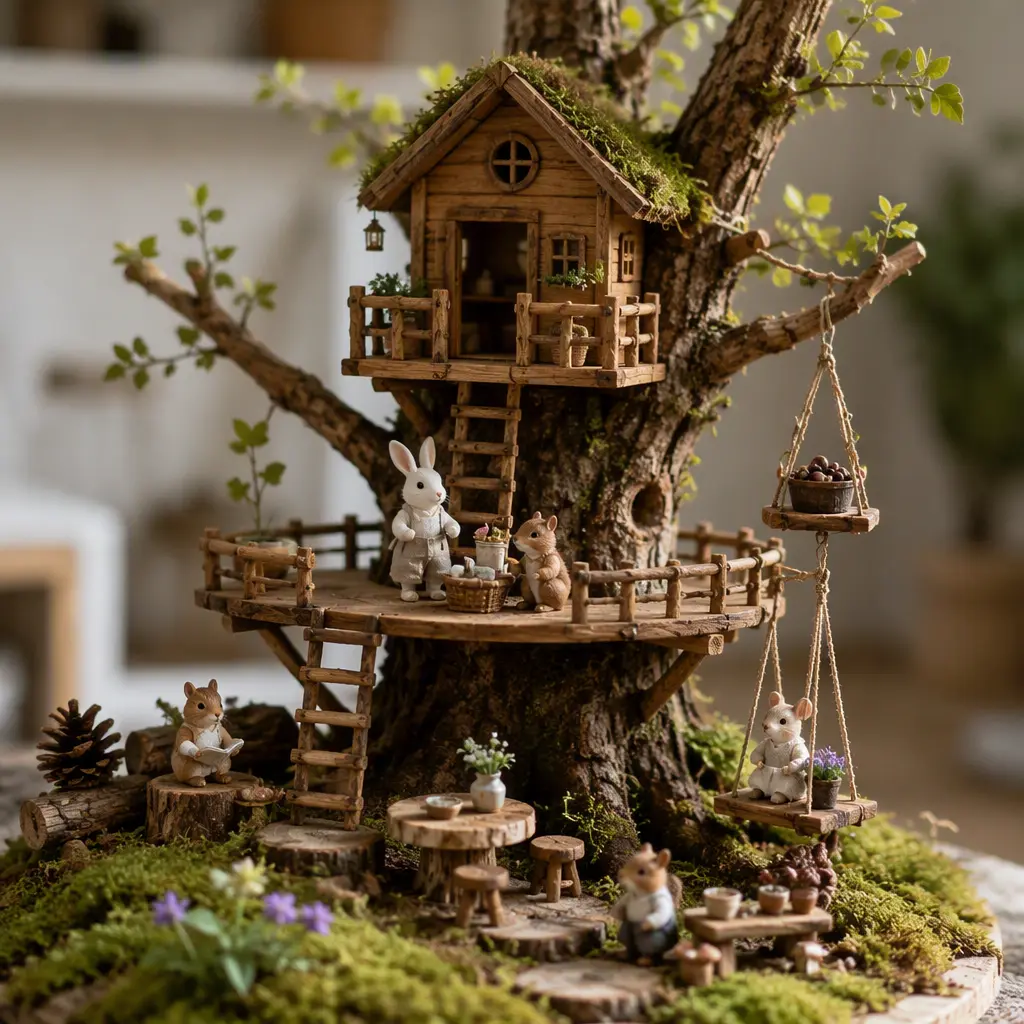
Sylvanian Families debuted in Japan in 1985 through the toy company Epoch. The idea combined several familiar play patterns into one package: dollhouse play, collectible figures, and nature-inspired settings. Instead of human dolls, the line used flocked animal characters with soft textures and gentle facial expressions. Families of rabbits, bears, mice, and other woodland creatures lived in cottages, shops, schools, and treehouses connected through a shared fictional village.
The treehouse quickly became one of the line’s signature settings because it captured the atmosphere the brand wanted to create. Unlike urban dollhouses or fantasy castles, the treehouse suggested a peaceful outdoor world built around friendship and everyday life. Children could imagine picnics, sleepovers, school days, and family routines rather than battles or competitions. The design also matched the broader 1980s interest in cozy countryside aesthetics, miniature collectibles, and highly detailed play environments.
Why it works
Part of the treehouse’s lasting appeal comes from scale and detail. The figures are small enough to make furniture, dishes, ladders, and accessories feel surprisingly realistic, but large enough for younger children to handle comfortably. The flocked texture gives the animals a handmade quality that stands apart from glossy plastic dolls. Combined with warm colors and nature-themed architecture, the result feels inviting rather than overstimulating.
The play pattern also rewards patience and imagination. There are no built-in missions, sounds, or score systems. Children create stories through arranging rooms, assigning roles to characters, and expanding the village over time. Parents often notice that the sets encourage cooperative play because several children can manage different parts of the same imaginary world at once.
- Woodland-inspired architecture with ladders, balconies, and hidden spaces
- Small flocked animal figures designed around families and community roles
- Highly detailed miniature furniture and accessories
- Open-ended storytelling instead of rule-based gameplay
- Expandable world with compatible homes, shops, and vehicles across generations
Who it's for
Sylvanian Families sets are generally aimed at children who enjoy imaginative and nurturing play, especially ages three and up with supervision for smaller accessories. The treehouse format tends to appeal strongly to children who like arranging spaces and creating daily-life stories rather than competitive games. Adults have also kept the line alive through collecting, photography, and miniature crafting communities. Because many releases remain stylistically compatible across decades, older collectors can mix vintage pieces with newer ones without losing the overall look of the village.
Variants and what to look for today
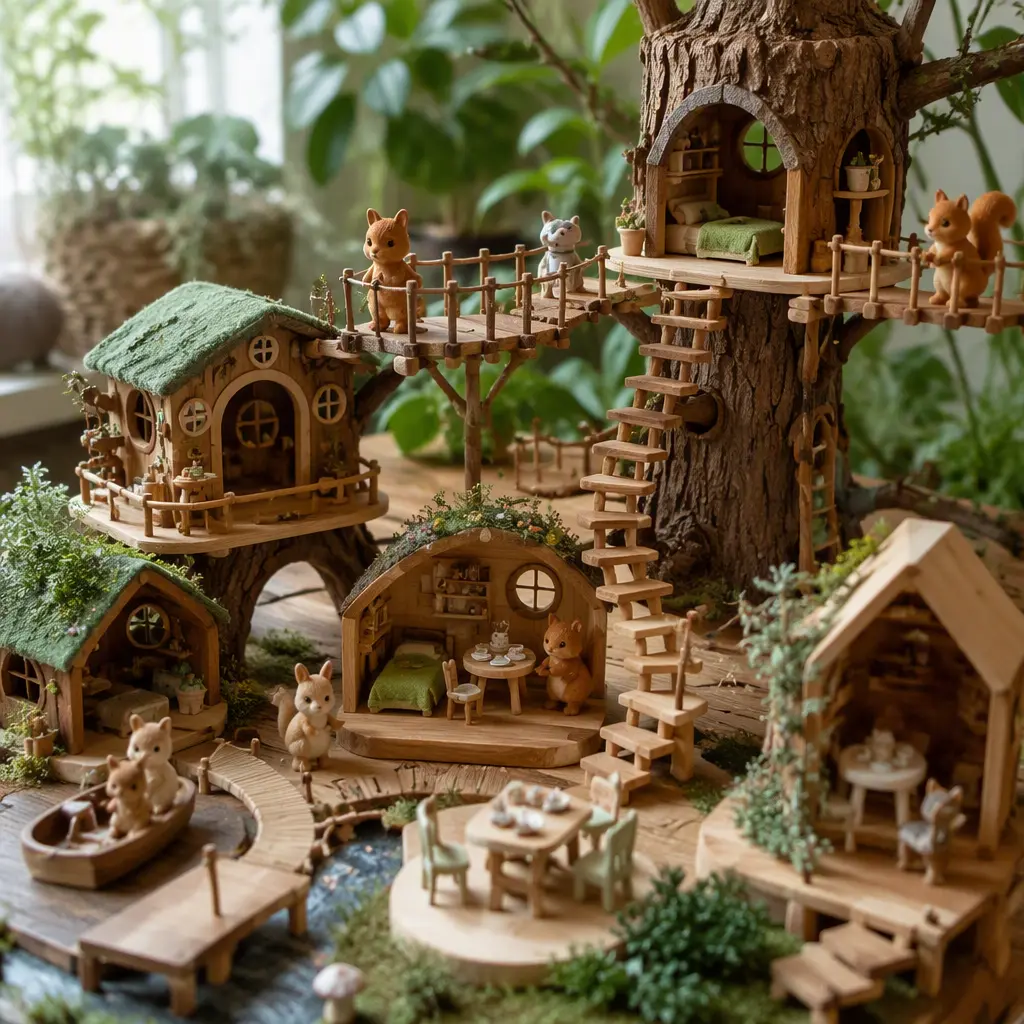
The treehouse concept has appeared in several forms over the years, from compact starter sets to larger multi-level woodland homes with swings, slides, bridges, and lookout platforms. Some editions focus on adventure-style outdoor play, while others lean toward cozy interiors with kitchens, bedrooms, and dining spaces tucked into the branches. The visual language has remained consistent: rounded shapes, earthy colors, and nature-inspired details that connect the sets into one larger village.
Collectors and parents shopping today will find a mix of new releases, reissues, and older secondhand sets. Vintage pieces are often valued for slightly softer color palettes and nostalgic packaging, while newer sets may have sturdier connectors and updated accessory designs. Because the line has been popular for decades, there are also imitation woodland-animal playsets on the market that may not match the scale or durability of the original ecosystem.
- Check that accessories and figures match the same approximate scale before combining sets
- Vintage flocked figures may show wear on ears, paws, or clothing after years of handling
- Modern sets often use brighter colors and easier snap-together construction
- Secondhand bundles can be a practical way to build a larger village quickly
- Storage matters because tiny cups, utensils, and furniture pieces are easy to lose
Frequently asked questions
Are Sylvanian Families and Calico Critters the same thing?
In many regions they are effectively the same toy line sold under different branding. The figures, homes, and accessories are generally compatible, although packaging and character naming can vary between markets.
Why do adults collect Sylvanian Families?
Collectors are often drawn to the detailed miniature furniture, the nostalgic woodland aesthetic, and the continuity of the world across decades. The line also overlaps with interests in dollhouses, miniature photography, and handcrafted displays.
Are older treehouse sets compatible with new figures?
Most classic and modern releases remain broadly compatible in scale, which is one reason the brand has stayed popular for so long. Older accessories may fit a little differently, but the overall proportions have stayed fairly consistent.
What made the treehouse especially memorable?
The treehouse combined adventure and comfort in a single setting. It offered ladders, lookout points, and outdoor scenery while still feeling domestic and safe, giving children a flexible backdrop for many different kinds of stories.
Nearly forty years after its debut, the Sylvanian Families Treehouse still stands out because it never depended on fast-moving trends or complicated technology. Its world is intentionally small, calm, and detailed. That simplicity gave children room to invent stories at their own pace, and it helped the line become one of the most recognizable miniature play families in the world.