Best Dolls for Imaginative Storytelling Play (Ages 3–5)
A parent-friendly guide to dolls that spark imaginative storytelling for ages 3–5. Learn what features support open-ended play, age suitability tips, and safe, screen-free options.
Compare prices and availability
Check current prices and availability for this guide on eBay.
As an eBay Partner, we may be compensated if you make a purchase.
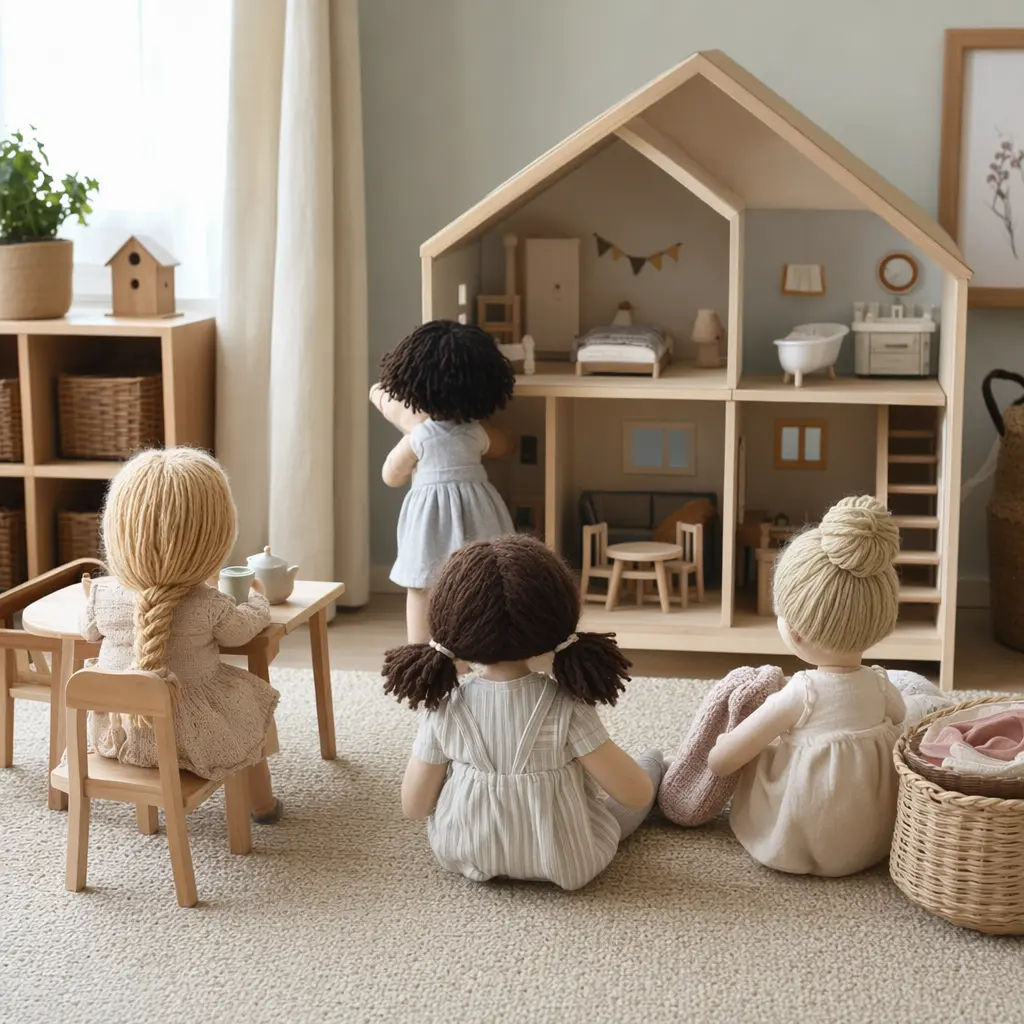
For preschoolers, dolls are less about collecting and more about creating stories. At ages 3–5, children use dolls to act out daily routines, try on different roles, and explore feelings through pretend play. The best dolls for this age group are simple, durable, and flexible enough to become any character a child imagines.
What to look for
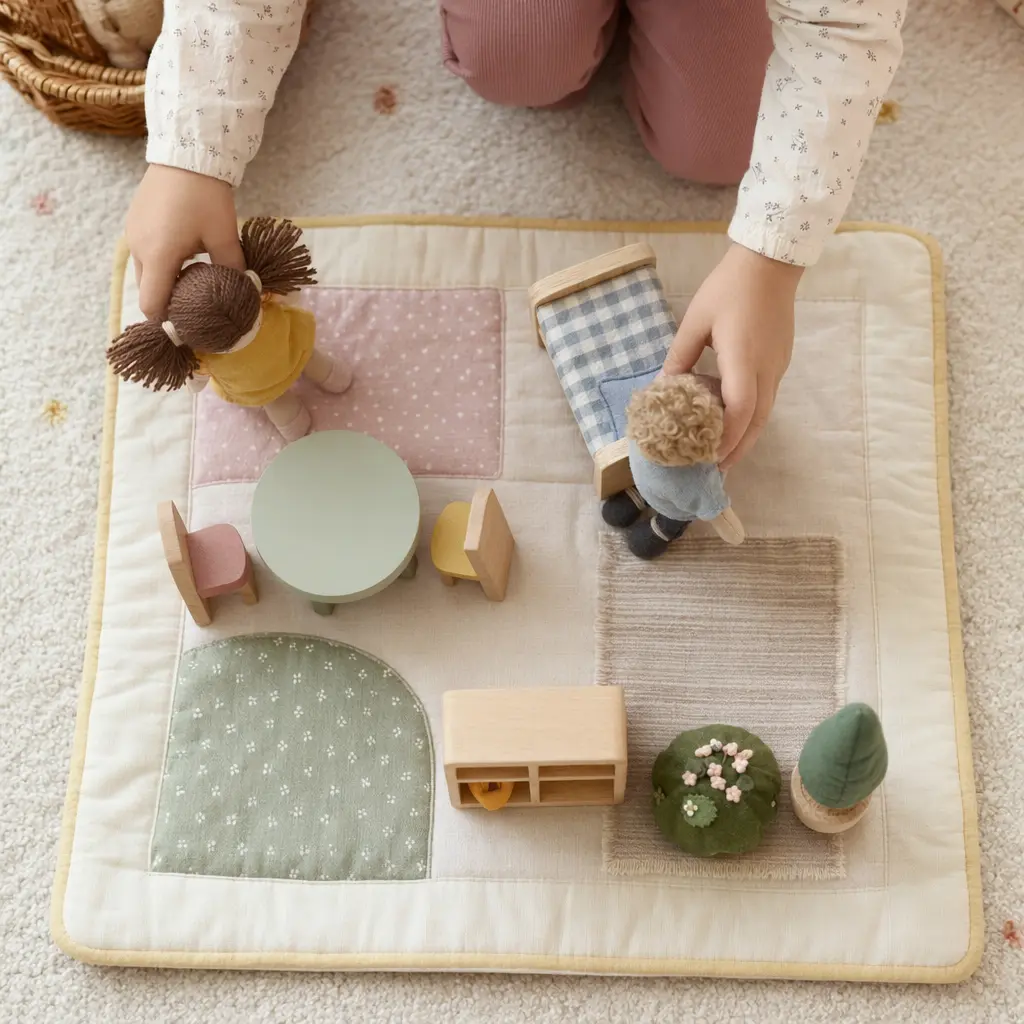
When choosing dolls for imaginative storytelling, focus on features that encourage open-ended play rather than fixed scripts. The goal is to give children tools that adapt to many stories, moods, and settings as their creativity grows.
- Simple, expressive design that suggests emotions without limiting the story
- Soft or flexible bodies that are easy for small hands to pose and carry
- Durable materials that hold up to daily play and frequent drops
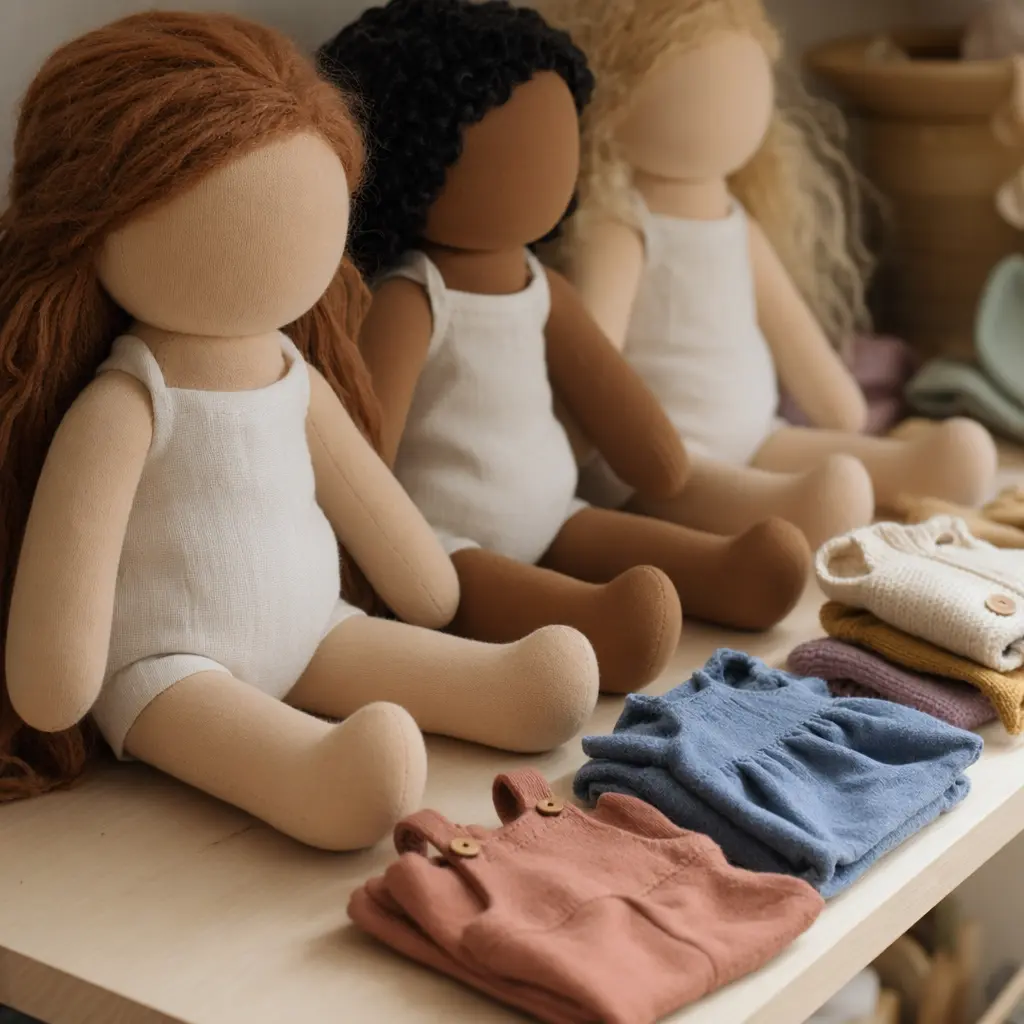
- Clothing that can be removed and swapped to support role changes
- Neutral or everyday themes instead of fantasy-only or highly stylized looks
Age suitability
For children ages 3–5, dolls should be sized for preschool hands and free of small parts. At this stage, kids are developing language, empathy, and social understanding. Dolls that represent everyday people—such as caregivers, children, or community helpers—support familiar storytelling, while still leaving room for imaginative twists.
Standout categories or types
Different doll styles support storytelling in different ways. Choosing one or two complementary types can broaden the range of stories a child creates without overwhelming the play space.
- Soft-bodied dolls: Lightweight and cuddly, these are easy for young children to manipulate and often become comfort items in stories.
- Everyday family dolls: Sets that include adults, children, or babies help kids act out real-life routines like meals, bedtime, and outings.
- Dolls with adaptive features: Simple hair, removable clothes, or neutral expressions allow a single doll to take on many roles.
- Inclusive dolls: Varied skin tones, abilities, and appearances encourage broader storytelling and representation.
Frequently asked questions
Why are simple dolls better for storytelling?
Simple dolls leave more to the imagination. When a doll is not tied to a specific character or storyline, children can decide who the doll is and how the story unfolds.
How many dolls does a preschooler need?
A small group—often two to four dolls—is enough to support rich storytelling. This allows for interaction without clutter or decision overload.
Are accessories necessary?
Accessories can help start a story, but they are not required. Simple items like a bed, chair, or blanket are usually enough for imaginative scenes.
Do dolls help with social skills?
Yes. Through pretend conversations and role-play, children practice empathy, problem-solving, and language skills in a low-pressure way.
When chosen thoughtfully, dolls can be powerful tools for imaginative storytelling. Look for open-ended designs that grow with your child, encourage empathy, and fit comfortably into everyday play. For ages 3–5, the best dolls are the ones that quietly invite stories, again and again.