TCL Ai Me and the Rise of the Family Companion Robot
TCL Ai Me enters the growing companion-robot category with cameras, conversational AI features and family-focused positioning, raising familiar questions about privacy, usefulness and life at home.
Compare prices and availability
Check current prices and availability for this guide on eBay.
As an eBay Partner, we may be compensated if you make a purchase.
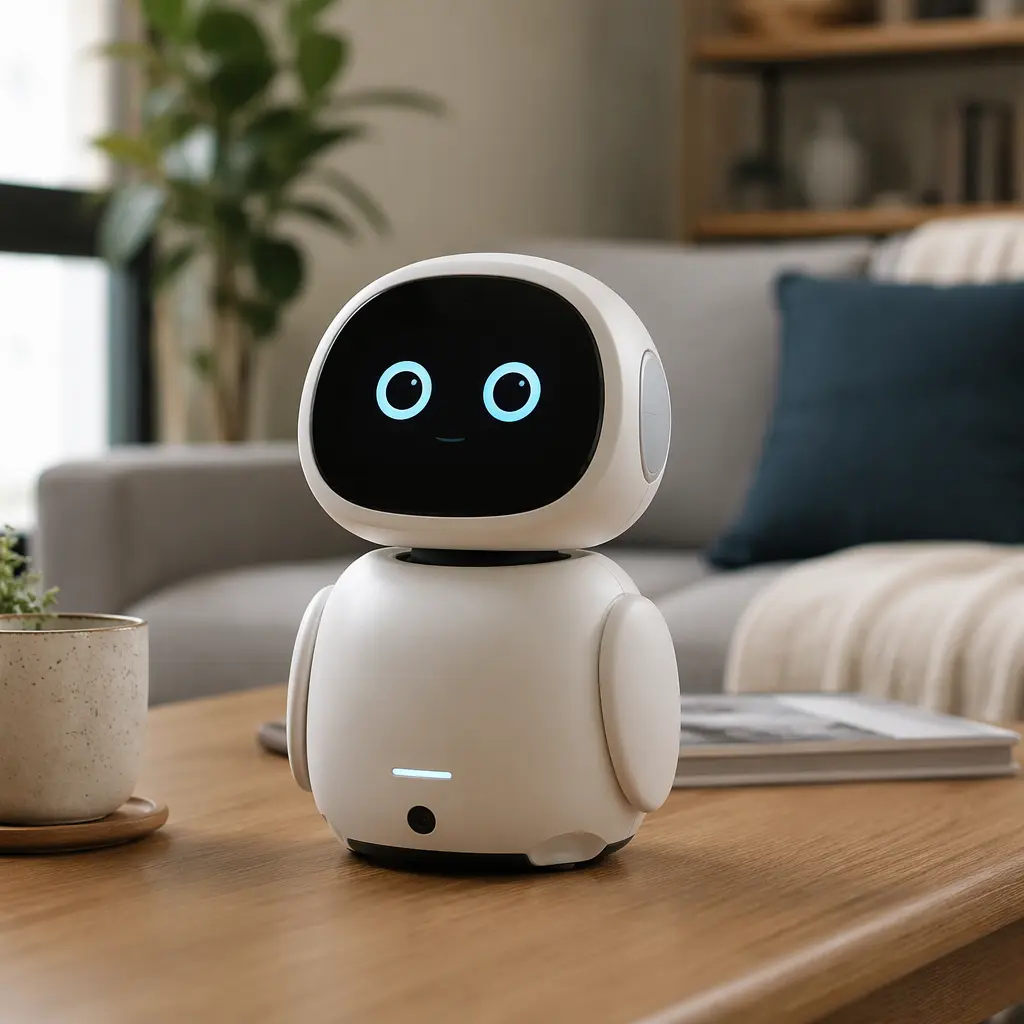
TCL Ai Me arrives at a moment when consumer electronics companies are trying to redefine what a home robot should actually do. Instead of focusing only on vacuuming floors or teaching coding basics, newer companion robots are being positioned as conversational devices that blend entertainment, communication and AI-assisted interaction. TCL’s entry leans into that idea with a family-focused design that combines cameras, voice interaction and expressive behavior meant to feel more approachable than a conventional smart speaker.
Where it came from
Companion robots have existed for decades in one form or another, from programmable toy robots to pet-like interactive gadgets. What changed in the 2020s was the rapid growth of cloud-connected AI systems capable of handling more natural conversations, voice recognition and adaptive responses. Companies in consumer technology began exploring whether those tools could turn a robot into something more emotionally engaging than a smart display or speaker.
TCL Ai Me emerged from that broader wave of AI-assisted home devices. TCL, better known internationally for televisions and consumer electronics, presented the product as a social and family-oriented robot rather than a utility appliance. Public demonstrations and promotional material emphasized expressive movement, camera-based awareness and conversational interaction. The product also entered the market during a period when “emotional AI” became a major marketing phrase across the technology industry, even though many systems still rely on pattern recognition, scripted interactions and cloud-based language processing rather than genuine emotional understanding.
Why it works
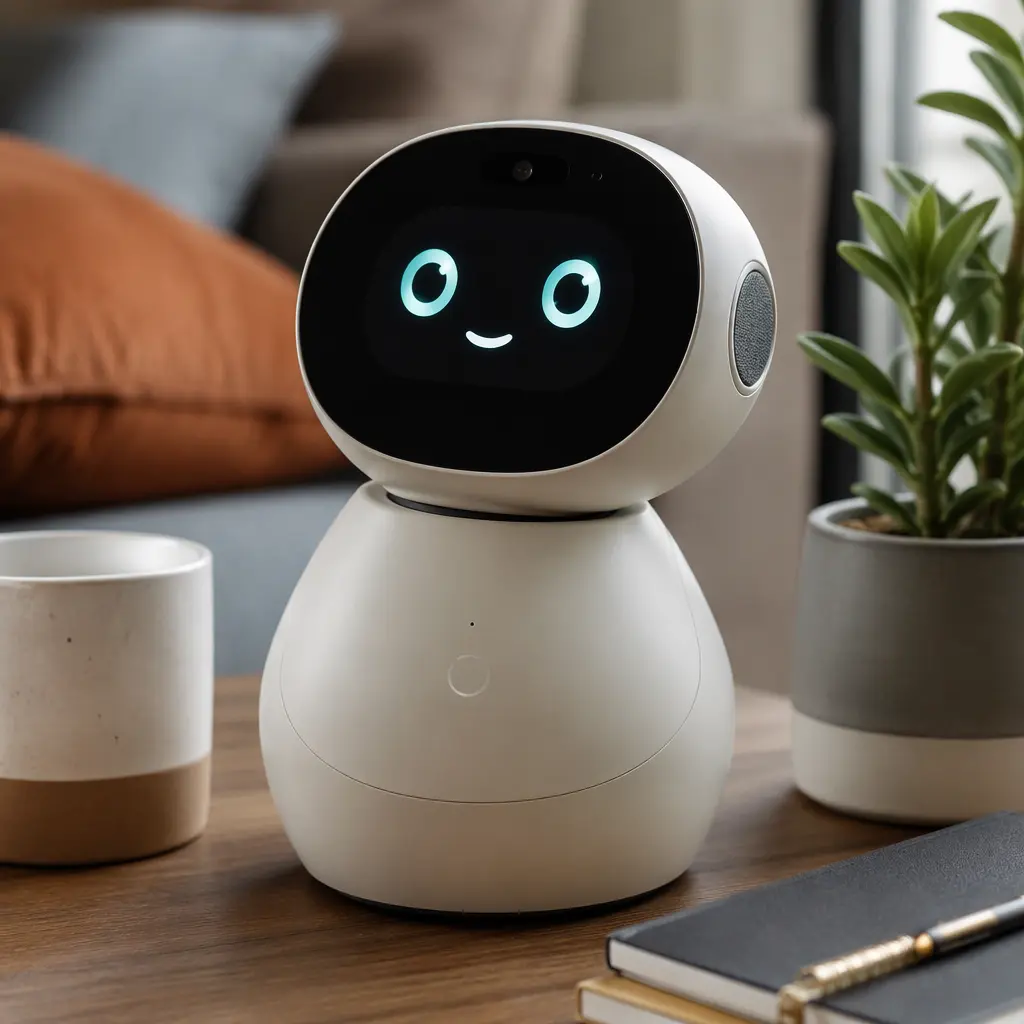
Part of the appeal of companion robots is that they turn familiar technologies into something physically present in the room. A camera on a smart display can feel passive or invisible, while a robot that moves, reacts and appears to “look” toward users creates a stronger sense of interaction. TCL Ai Me appears designed around that principle, using a compact, approachable form factor instead of an industrial or mechanical look.
The concept also benefits from the overlap between entertainment and convenience. Families already use connected devices for video calls, reminders, streaming media and voice assistants. A robot adds movement, animated responses and social framing to those same functions. That can make interactions feel more playful for children while giving adults a clearer visual cue that cameras and microphones are active.
- Conversational AI-style interaction aimed at family use
- Built-in cameras and microphones for communication and awareness features
- Expressive movement and animated reactions designed to feel approachable
- Compact home-friendly design intended for shared living spaces
- Cloud-connected functionality likely tied to apps, updates or online services
Who it's for
TCL Ai Me is positioned more as a shared household device than a traditional toy. Families interested in emerging AI technology are the clearest audience, particularly those already comfortable using smart speakers, connected cameras or app-based home electronics. Older children may find the robot engaging because it combines conversational responses with visible movement and personality cues, but younger children will still need adult supervision around setup, privacy permissions and online features. Adults interested in robotics, home automation or conversational AI may also see it as part gadget and part technology showcase rather than a pure entertainment product.
Variants and what to look for today
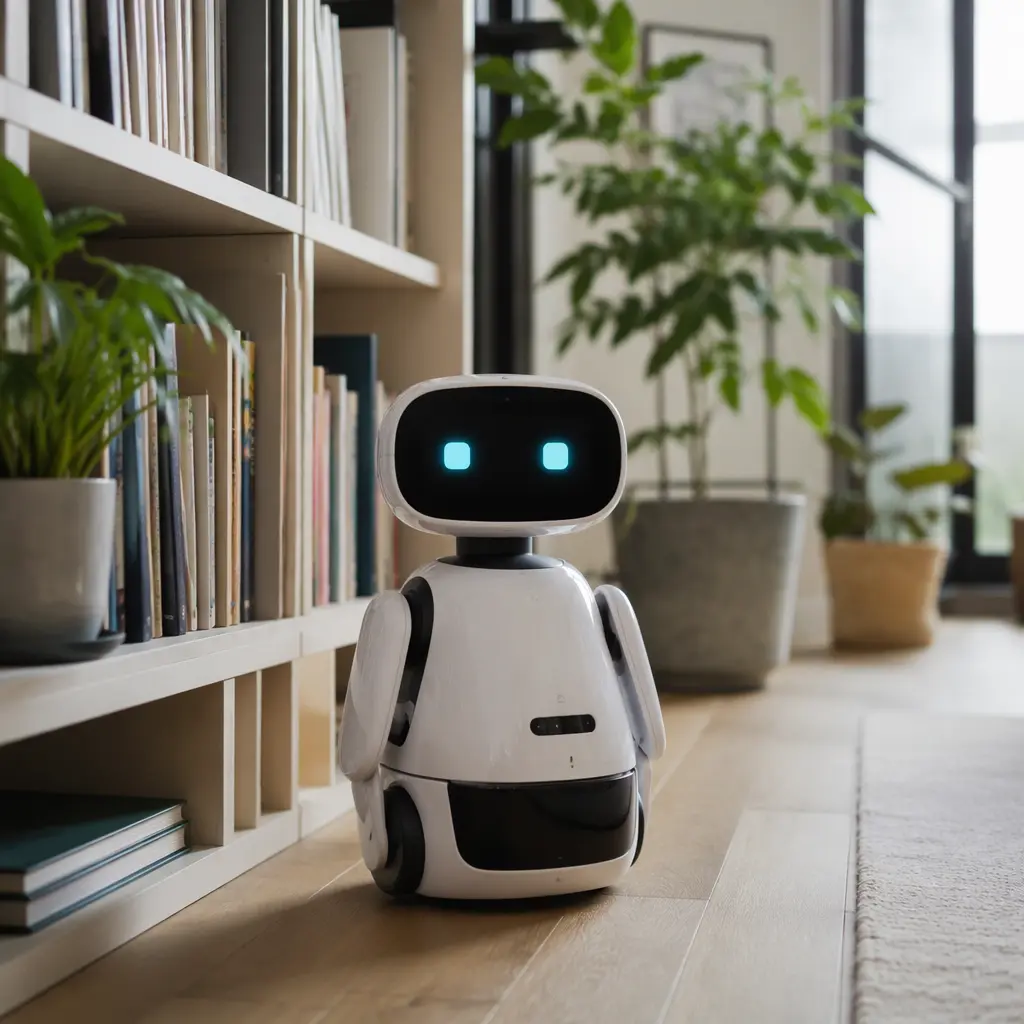
As with many connected electronics, the most important differences between companion robots are not always visible from the outside. Buyers comparing products in this category should pay close attention to app requirements, account systems, software support policies and regional availability. Some AI features may depend heavily on cloud processing, meaning internet access could be necessary for conversational functions or updates.
Privacy is also central to the conversation around products like TCL Ai Me. Any device with microphones and cameras raises questions about where data is processed, how recordings are handled and what parental controls are available. Manufacturers may offer mute functions, permission settings or local controls, but the exact experience can vary by region and software version. Families considering a companion robot should review current privacy documentation and compatibility requirements before purchase rather than assuming all features work identically worldwide.
- Check whether key AI features require a constant internet connection
- Review device compatibility for companion apps and home-network setup
- Look for available microphone or camera controls and parental settings
- Consider where the robot will be used in the home before enabling cameras
- Buy through established retailers to reduce the risk of unsupported imports or imitation devices
Frequently asked questions
Is TCL Ai Me a toy or a smart home device?
It sits somewhere between the two categories. The design and interaction style are playful, but the underlying technology is closer to connected home electronics and AI-assisted communication devices than to a conventional standalone toy.
Does it use generative AI?
Promotional descriptions around companion robots often combine several technologies under the term “AI.” Some responses may come from cloud-based language models, while other behaviors are scripted animations, voice triggers or sensor-driven reactions. The exact balance depends on the software and services TCL provides.
Can it work offline?
Many connected robots can still perform basic movements or limited local functions without internet access, but conversational features, updates and cloud-based AI tools often depend on an online connection. Buyers should expect at least some level of app or network dependence.
Why are privacy concerns part of the discussion?
Companion robots frequently include cameras, microphones and cloud connectivity so they can recognize voices, respond to commands or support communication features. That convenience also means households should think carefully about data collection, account security and where the device is placed in the home.
Whether companion robots become long-term household staples or remain a niche category, devices like TCL Ai Me show how quickly consumer electronics are shifting toward more social forms of AI interaction. The product is part gadget, part conversation piece and part experiment in how families may interact with connected technology in shared spaces. For some households that blend of novelty and convenience will feel exciting. For others, the privacy tradeoffs and cloud dependence may outweigh the appeal. Either way, companion robots are moving from science-fiction imagery into ordinary home-tech discussions.