Thomas & Friends Take-n-Play and the Rise of Portable Train Play
Thomas & Friends Take-n-Play turned preschool train collecting into something portable, durable, and easy to mix into everyday play, helping the line outlast many short-lived collectibles.
Compare prices and availability
Check current prices and availability for this guide on eBay.
As an eBay Partner, we may be compensated if you make a purchase.
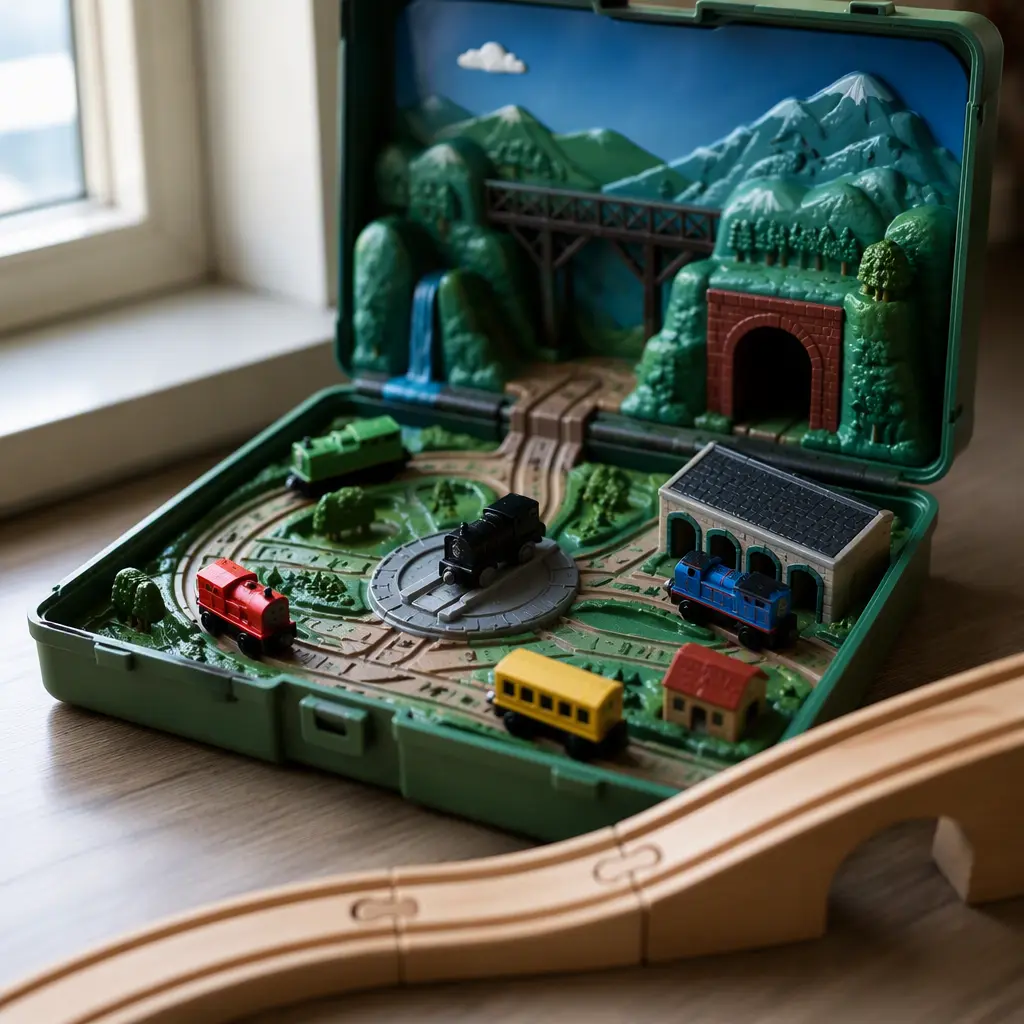
Thomas & Friends Take-n-Play arrived at a moment when many preschool collectible toys were chasing the same idea: small, affordable characters that children could carry anywhere. Most faded quickly once the novelty wore off. Take-n-Play lasted because it tied portability to a play pattern children already understood. Instead of asking kids to learn a new game system, it miniaturized one of the most durable preschool formats around: toy trains. The line combined familiar Thomas & Friends characters with die-cast construction, folding track sets, magnetic connections, and a size that fit easily into backpacks or car cup holders. For many families, it became the travel version of the larger railway worlds children already loved at home.
Where it came from
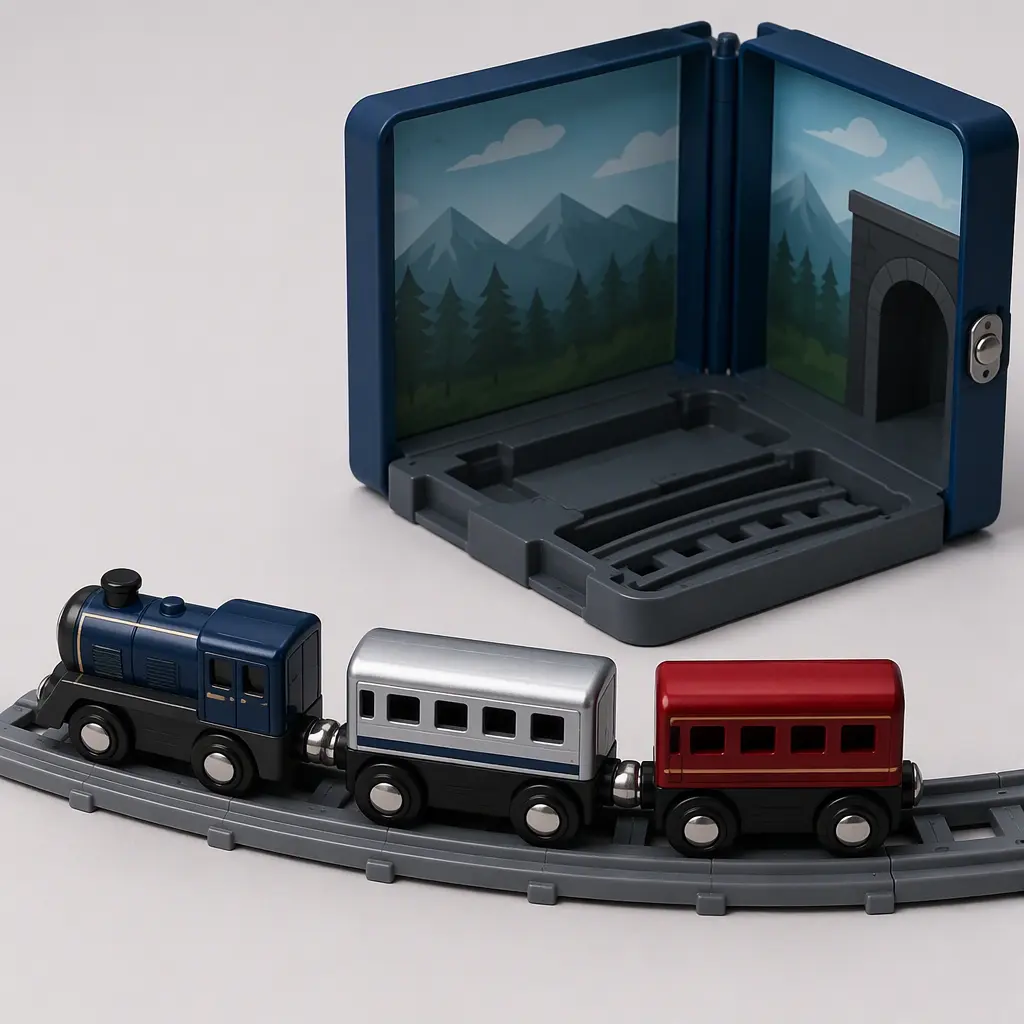
Take-n-Play launched in 2009 as part of the long-running Thomas & Friends toy ecosystem. By that point, the franchise had already spent decades evolving through wooden railway toys, battery-powered trains, and larger push-along systems. The portable line was designed to fit changing family routines. Preschool toys increasingly needed to work outside the playroom, whether during travel, restaurant visits, or quick trips in the car. A compact train system made practical sense because trains naturally connect, roll, and encourage open-ended storytelling without requiring batteries or screens.
The timing also mattered. The late 2000s and early 2010s were filled with collectible mini-toy lines tied to television brands, many built around blind packaging or highly structured collecting systems. Take-n-Play approached collecting differently. Children could still gather favorite engines and railway vehicles, but each piece remained functional even on its own. A single train could become part of imaginative play immediately. The die-cast feel also gave the toys more physical presence than many lightweight preschool collectibles of the era, making them feel closer to traditional toy trains than novelty figures.
Why it works
The core idea behind Take-n-Play was simplicity. The trains were small enough for young children to handle comfortably, but heavy enough to feel substantial. Magnetic couplers allowed quick connections without complicated hooks, and the rolling wheels encouraged active movement across floors, tables, and portable tracks. Because the toys represented recognizable characters from Thomas & Friends, children often entered play with ready-made personalities and stories already in mind.
The portability changed how children used train toys. Traditional train tables often keep play in one room. Take-n-Play sets folded into cases, clipped shut, and traveled easily. That portability encouraged shorter but more frequent bursts of imaginative play. Parents also appreciated that the toys generally packed away faster than larger railway systems with dozens of loose wooden track pieces.
- Die-cast construction that felt durable for everyday handling
- Magnetic train connections that were easy for preschool hands
- Compact folding playsets designed for travel and storage
- Character-based storytelling tied to familiar television episodes
- Compatibility with open-ended floor play even without track
- Collectible variety without requiring a complicated game system
Who it's for
Take-n-Play was primarily aimed at preschool children, especially ages three to six, though older Thomas & Friends fans often collected the trains as display pieces. The line worked well for children who liked vehicles, storytelling, or repetitive rolling play. Because the trains were compact and durable, many families treated them as travel toys rather than room-sized play systems. Adult collectors were drawn to the broad range of engines and railway vehicles released over time, especially because the die-cast format preserved some of the appeal of older toy train traditions while remaining affordable and approachable.
Variants and what to look for today
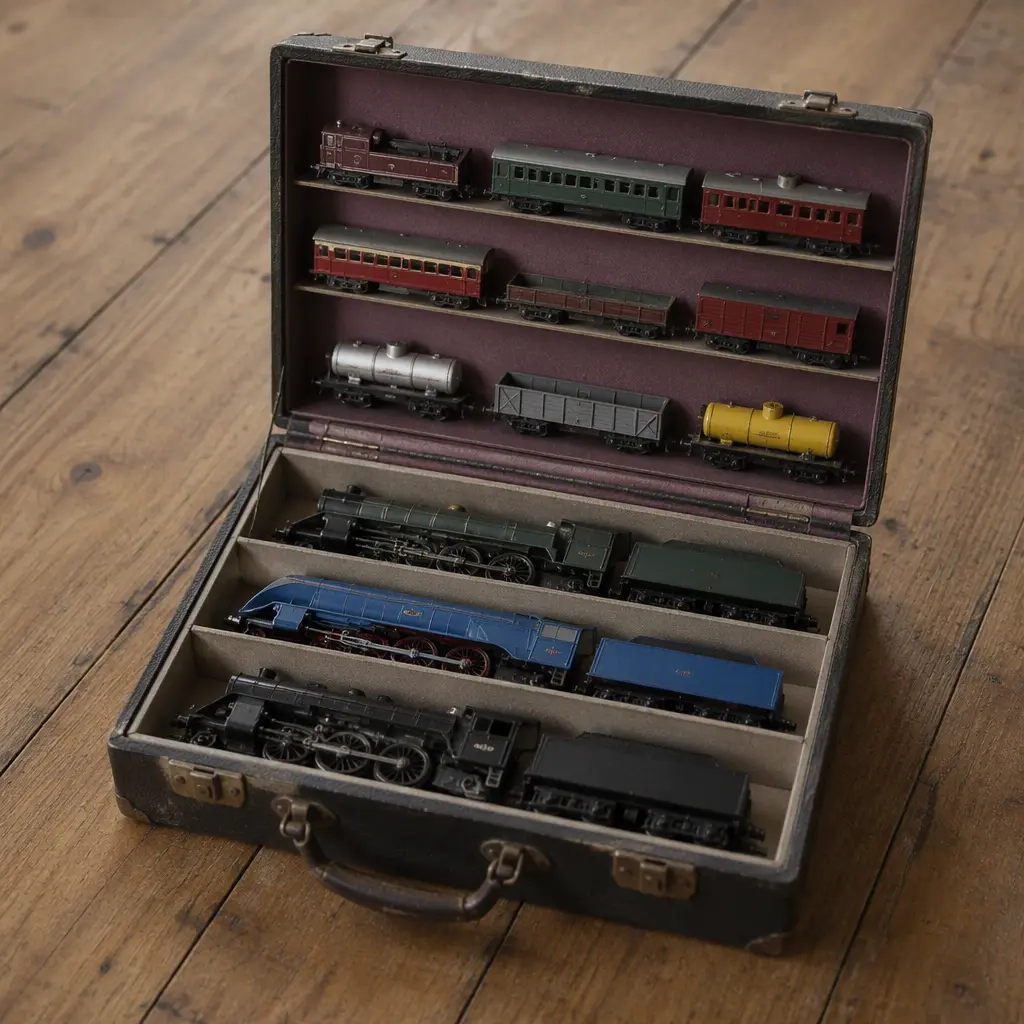
Over the years, the portable Thomas train format evolved through several branding changes and compatible systems. Some families still group Take-n-Play together with earlier or later portable die-cast railway lines because the overall scale and play style remained similar. Folding playsets, bridges, tunnels, carrying cases, and themed destinations were all common parts of the range. Character selection expanded far beyond the core engines, which helped maintain collector interest and encouraged children to build larger story worlds.
When shopping today, condition matters more than rarity for most buyers. Magnetic couplers, wheel alignment, and hinge durability on folding sets are usually more important than packaging. Some heavily used trains develop chipped paint or stiff wheels after years of play. Families buying for younger children often prefer larger lots or mixed bundles because the line was designed around combining vehicles rather than displaying sealed collectibles.
- Look for smooth-rolling wheels and secure magnetic couplers
- Check folding playsets for cracked hinges or missing connectors
- Mixed train bundles can offer better value for active play
- Portable carrying cases are popular because they simplify cleanup
- Be cautious of extremely lightweight imitations with weak wheel assemblies
Frequently asked questions
Are Take-n-Play trains compatible with wooden railway tracks?
Many children use them alongside wooden railway systems informally because the trains roll freely on flat surfaces and some track layouts. However, the portable line was designed around its own compact track and folding playsets rather than strict wooden railway compatibility.
Why did portable train toys stay popular longer than many preschool collectibles?
The toys connected collecting with practical play. Even a single train worked immediately as a rolling vehicle and character toy. Children did not need complete sets, special rules, or digital tie-ins to enjoy them, which gave the line stronger long-term play value.
Do adults collect Take-n-Play trains?
Yes. Some collectors focus on character variety, while others appreciate the compact die-cast design and the history of Thomas & Friends merchandise. The toys also appeal to adults who grew up with earlier train systems and want a smaller format for display.
What made the folding playsets important?
The folding sets solved a practical problem for families with limited space. They gave children a recognizable railway environment while still packing into a portable case, making setup and cleanup much easier than larger train layouts.
Thomas & Friends Take-n-Play succeeded because it respected how preschoolers actually play. It did not reinvent toy trains or depend entirely on collecting psychology. Instead, it combined portability, recognizable characters, and tactile rolling play in a format that traveled well and survived rough handling. That balance helped the line remain visible long after many competing preschool collectibles disappeared from toy shelves.