Tombot Puppy: A comfort robot built to feel familiar
Tombot Puppy is a robotic comfort dog designed to offer companionship without the demands of live pet care. Here is how its realism, sensors and app-connected features shape the experience.
Compare prices and availability
Check current prices and availability for this guide on eBay.
As an eBay Partner, we may be compensated if you make a purchase.
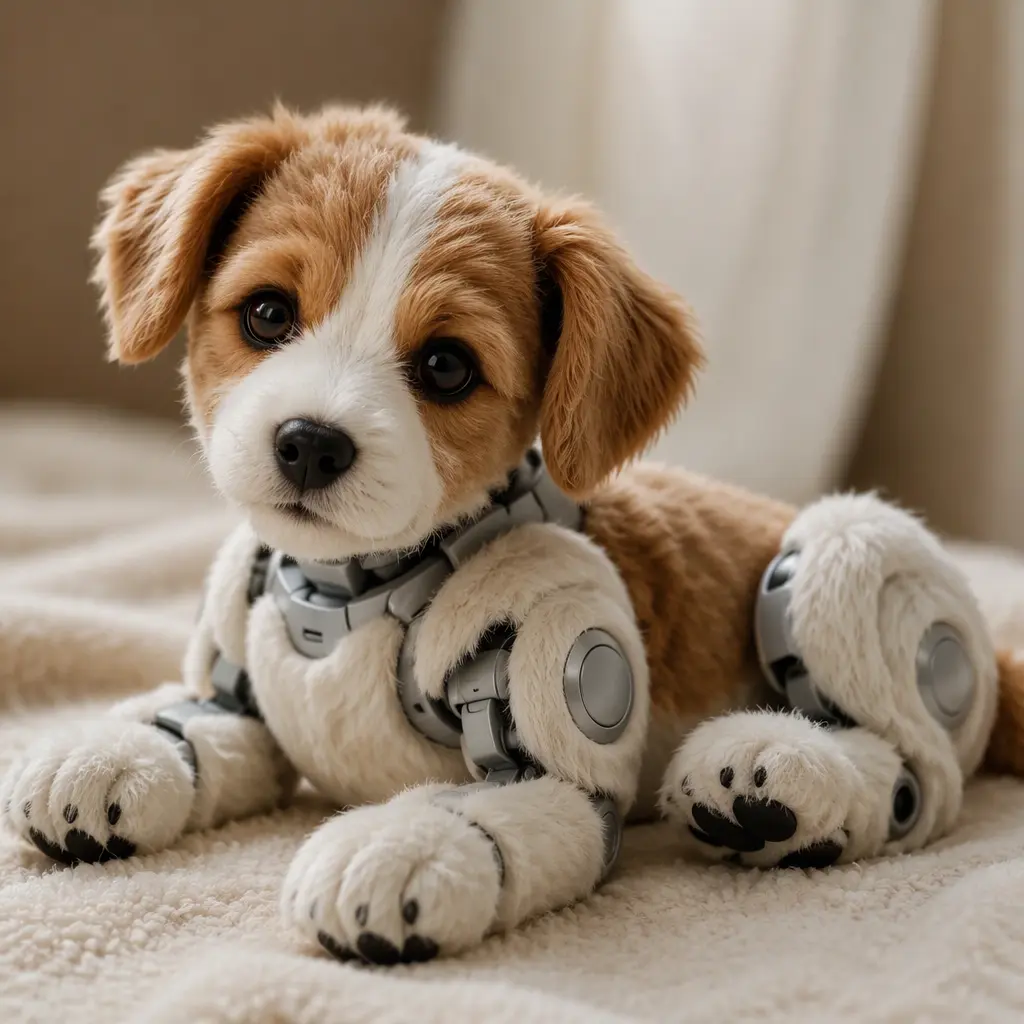
Tombot Puppy sits in a category that barely existed a decade ago: robotic comfort companions designed to mimic the reassuring presence of a pet without requiring feeding, walks or veterinary care. The product has drawn attention from families, caregivers and older adults looking for a calmer form of companionship technology, especially in homes where a live animal is impractical. Rather than framing itself as a toy built around tricks or novelty, Tombot positions the Puppy as an emotional support-style companion with realistic movement, touch responses and familiar dog-like behaviors.
Where it came from
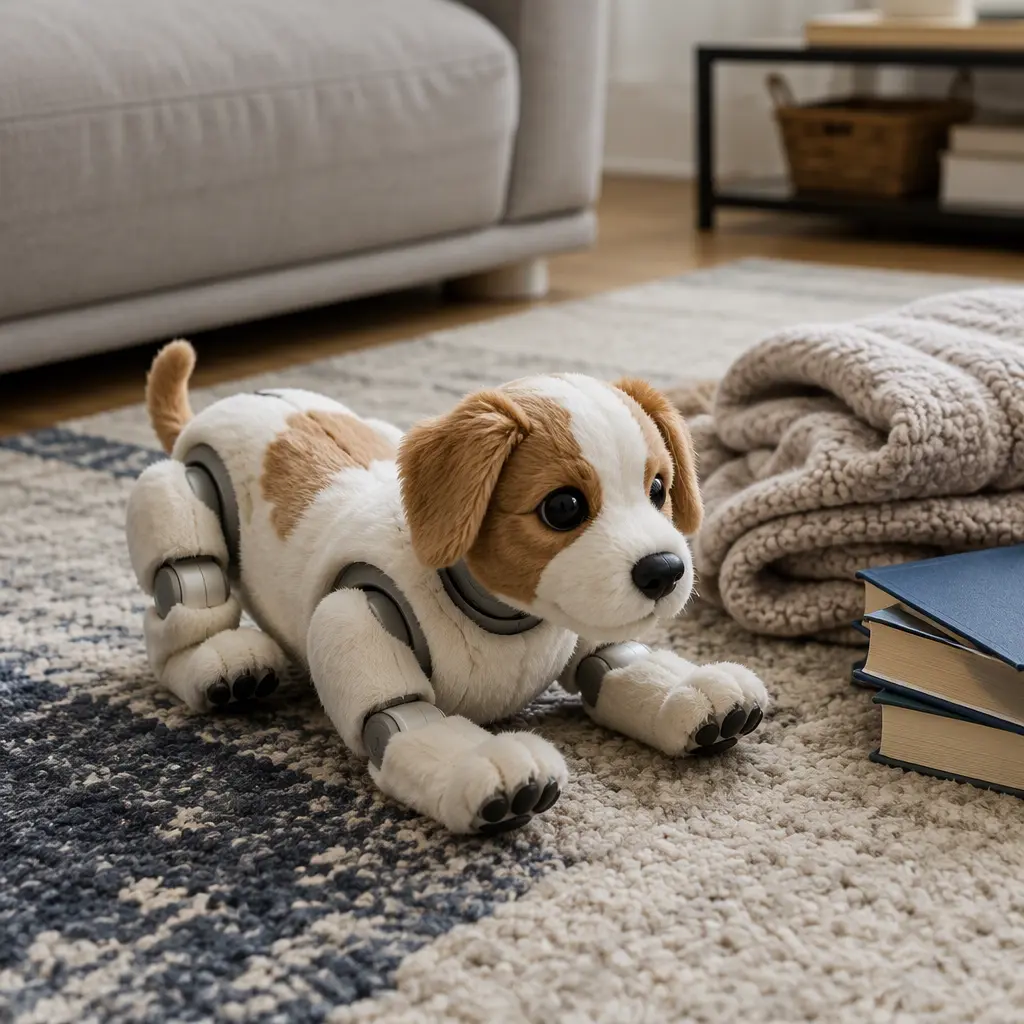
Robotic pets have existed for years, from simple plush animals with prerecorded sounds to more advanced electronic companions with sensors and responsive movement. Tombot emerged during a period when technology companies were increasingly exploring wellness-focused robotics aimed at companionship rather than entertainment alone. The concept behind Tombot Puppy centers on recreating the comforting routines associated with a calm household dog while removing the physical demands and unpredictability of caring for a live pet.
The product has often been discussed in relation to older adults, memory care and emotional support settings, though it also attracts families interested in interactive plush technology. Unlike many robotic animals designed primarily for children, Tombot Puppy leans heavily into realism. Its appearance, fur texture and body language are intended to feel closer to a companion animal than to a cartoon character. That realism is part of the appeal, but it also shapes the conversation around expectations, privacy and long-term support. Families considering connected comfort devices increasingly want to know how much processing happens locally, whether microphones are involved, and how dependent the experience is on apps or cloud services over time.
Why it works
The core idea behind Tombot Puppy is familiar behavioral feedback. A user pets the dog, speaks nearby or interacts physically, and the robot responds with movement or sound cues that resemble a calm puppy. This type of interaction can feel more emotionally immediate than a standard talking toy because the response pattern is designed around recognition and reassurance instead of scripted storytelling. The design also avoids some of the maintenance barriers associated with live animals, which can matter for apartment living, allergies or mobility limitations.
From a design perspective, the realism matters as much as the electronics. The Puppy combines soft-touch materials with internal motors and sensors that allow head movement, vocal reactions and physical responsiveness. Families looking at robotic comfort products should pay attention to how the device handles sensing and connectivity. Some robotic companions operate mostly offline with basic local responses, while others rely more heavily on apps, firmware updates or cloud-connected features for expanded interaction. Manufacturer support policies, app compatibility and regional availability can affect how useful the companion remains several years later.
- Realistic dog-inspired movement and posture designed for comfort-focused interaction
- Touch-responsive sensors that react to petting or nearby engagement
- Soft exterior materials intended to feel closer to a companion animal than a hard robot
- Electronic sound and motion systems that simulate familiar puppy behaviors
- Potential app or firmware dependence depending on feature rollout and platform support
Who it's for
Tombot Puppy is unusual because it crosses several audiences at once. Some families may view it as an advanced plush companion for children interested in robotics or interactive pets. Others may approach it as a comfort-oriented device for older relatives or adults who miss having an animal nearby. The calmer interaction style makes it different from fast-paced robotic toys aimed at competitive play or educational coding activities. Prospective buyers should still pay attention to age guidance, especially around moving mechanical parts, charging components and supervision for younger children. Adults are arguably the more significant audience here, particularly people seeking companionship technology that feels less clinical than traditional assistive devices.
Variants and what to look for today
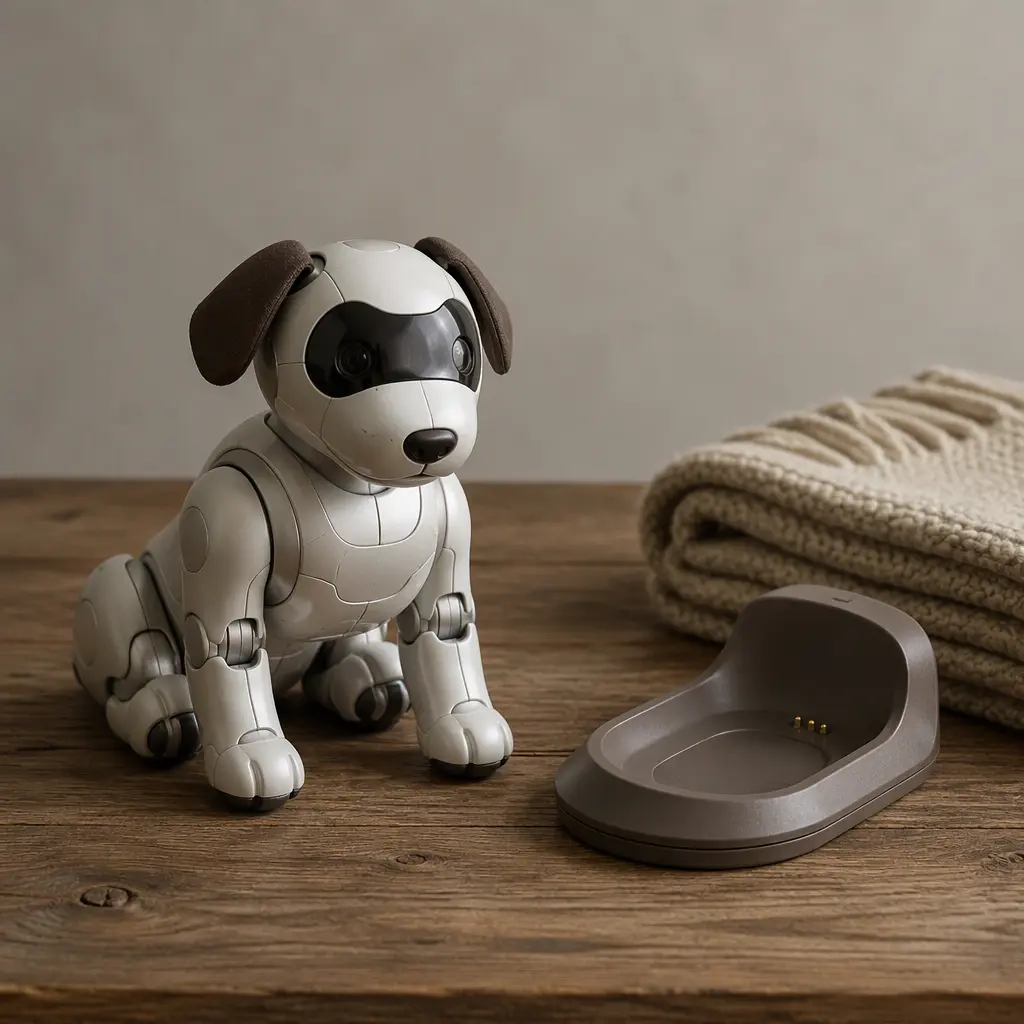
As with many connected robotic products, availability and features may evolve over time through updated software, revised hardware or new companion apps. Families looking into Tombot Puppy should focus less on collectible versions and more on practical considerations such as charging methods, app support, replacement parts and warranty coverage. Devices in this category depend on electronics and moving components, which makes long-term support more important than with traditional plush toys.
It is also worth distinguishing between robotic comfort companions and generative AI companions. Tombot Puppy is generally discussed as a responsive robotic pet rather than a free-form conversational AI system. That means the interaction model is more about reactions, sounds and physical presence than open-ended dialogue generation. Buyers should still review what sensors are included and whether any voice-related features require microphones, mobile apps or online accounts.
- Check whether key features work without a constant internet connection
- Review current mobile app compatibility before buying
- Look for clear information about charging and battery maintenance
- Buy from established retailers or directly from the manufacturer when possible
- Be cautious of generic imitation robotic pets with unclear support policies
Frequently asked questions
Does Tombot Puppy use artificial intelligence?
The product is generally described as a responsive robotic companion rather than a fully conversational generative AI device. Its interactions focus on movement, touch response and familiar pet-like behaviors instead of unrestricted conversation.
Can it replace a real pet?
For many users, the appeal is not replacement so much as accessibility. A robotic comfort dog can provide routine interaction and companionship cues without the responsibilities of feeding, walking or medical care. The experience is still different from living with an actual animal.
Does it need an app to function?
That depends on the specific feature set and software support available at the time of purchase. Some robotic companions offer basic offline behaviors while reserving updates or expanded settings for companion apps. Checking current support documentation is important because app requirements can change over time.
What should families know about privacy?
Any connected robotic product may involve sensors, microphones or data-sharing policies depending on how it is designed. Families should review manufacturer privacy disclosures, understand whether voice data is processed locally or online, and confirm what controls are available for disabling optional connected features.
Tombot Puppy reflects a broader shift in the toy and robotics industry toward products that blend emotional design with consumer technology. Its appeal comes less from flashy gimmicks and more from familiarity: soft fur, responsive movement and the recognizable comfort cues associated with a calm dog nearby. Whether buyers see it as a therapeutic-style companion, an interactive plush or an example of social robotics, it highlights how connected toys are increasingly moving into spaces once occupied only by traditional pets and household companionship.