Transformers: How shape-shifting toys became an action icon
Since the mid‑1980s, Transformers have turned clever engineering into endlessly replayable action toys, blending vehicles, robots and storytelling in a way few toy lines have matched.
Compare prices and availability
Check current prices and availability for this guide on eBay.
As an eBay Partner, we may be compensated if you make a purchase.
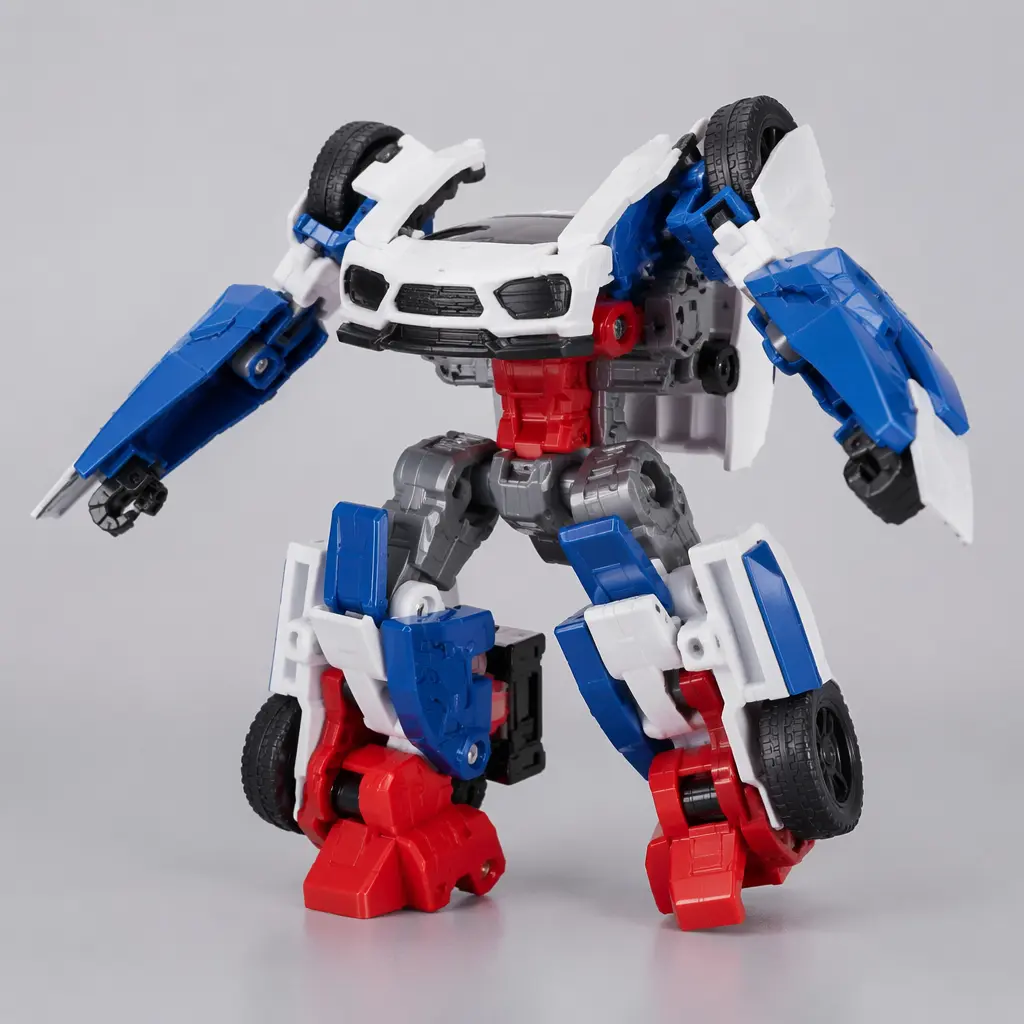
Transformers are toys with a simple but powerful trick: they change. With a few twists, folds and clicks, a truck becomes a robot, a jet turns into a mechanical warrior, and play instantly doubles. First launched in the 1980s, Transformers didn’t just offer action figures — they offered puzzles, vehicles and characters all in one. That combination turned them into a lasting obsession for kids and collectors alike.
Where it came from
Transformers arrived in 1984, when a US toy company partnered with Japanese manufacturers who had already been experimenting with toys that could convert between forms. The idea was refined and unified into a single toy family, backed by a shared story about rival factions of robots from another world.
Unlike many toys of the time, Transformers were designed from the start to support storytelling across multiple platforms. An animated TV series, comics and merchandise all reinforced the idea that each toy wasn’t just a robot or a car, but a character with a role in a larger conflict. That narrative hook helped the toys stand out in a crowded 1980s toy aisle.
Why it works
At their core, Transformers are mechanical puzzles disguised as action figures. The act of transforming is part of the play, not a one‑time novelty. Kids learn sequences, experiment with alternative configurations, and feel a sense of achievement when a complicated transformation finally clicks into place.
The designs also invite open‑ended storytelling. A vehicle mode suggests speed and missions; robot mode suggests battles, teamwork and personalities. That flexibility is a big reason the line has survived multiple generations.
- Dual play patterns: vehicle and robot in one toy
- Mechanical complexity that scales from simple to advanced
- Durable joints designed for repeated transformations
- Strong visual silhouettes that read clearly in both modes
Who it's for
Transformers are typically aimed at school‑age children, with simpler designs suitable for younger kids and more intricate figures intended for older ones. At the same time, the brand has always had strong adult appeal. Many parents today remember owning Transformers themselves, and collectors often appreciate the engineering and nostalgia as much as the play value.
Variants and what to look for today
Over the decades, Transformers have expanded into a wide range of sizes and complexity levels. Some modern figures focus on quick, satisfying transformations for younger players, while others lean into detailed engineering with dozens of steps. There are also playsets, vehicles that combine with others, and figures designed primarily for display.
When shopping today, it’s worth checking how sturdy the joints feel and whether the transformation process matches the child’s patience and skill level. Very cheap copies often look impressive but may have loose parts or unclear transformation steps, which can lead to frustration.
Frequently asked questions
Are Transformers hard to transform?
It depends on the figure. Some are designed to change in just a few steps, while others are intentionally complex. Packaging usually gives a rough idea of difficulty.
Do Transformers still appeal to kids today?
Yes. While styles have evolved, the core idea of a toy that turns into something else remains appealing, especially for kids who enjoy action play and construction.
Are they safe for younger children?
Most Transformers are made for ages 6 and up due to small parts and complex mechanisms. Always check the age guidance before buying.
Why do adults collect Transformers?
Collectors often appreciate the engineering, design evolution and nostalgia. Some figures are bought primarily for display rather than play.
More than 40 years after their debut, Transformers remain a standout example of how clever design can fuel imagination. By turning engineering tricks into stories kids can act out, these shape‑shifting toys earned a place in toy history — and on playroom floors — that few others can match.