Trivial Pursuit: The trivia game that made knowledge competitive
Born in Canada in 1981, Trivial Pursuit turned pub-style trivia into a living-room phenomenon, blending broad general knowledge, social play, and friendly rivalry across generations.
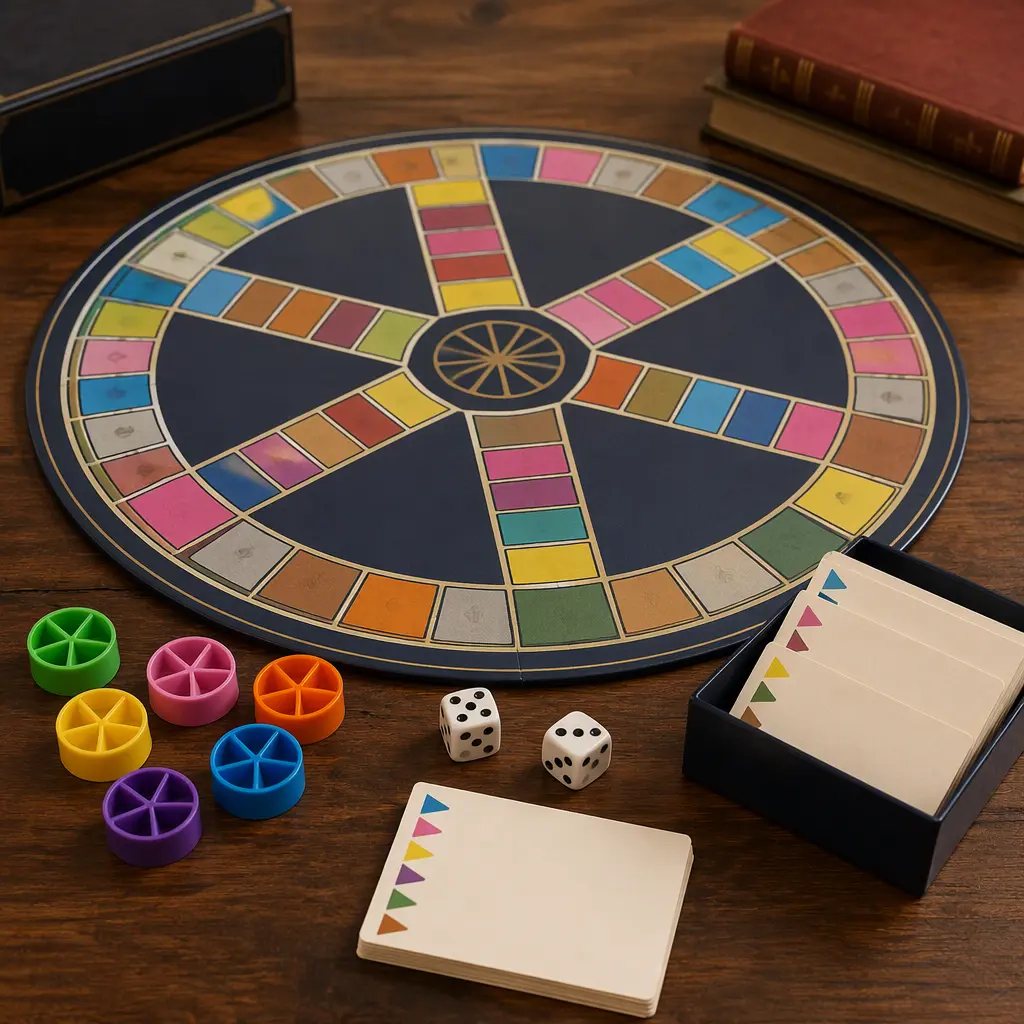
Compare prices and availability
Check current prices and availability for this guide on eBay.
As an eBay Partner, we may be compensated if you make a purchase.
Some board games depend on luck, while others reward strategy or quick reflexes. Trivial Pursuit succeeded by turning something more ordinary into a competitive event: the random facts people carry around in their heads. First released in the early 1980s, the game transformed general knowledge into a social activity that could fill a family living room, a college dorm, or a neighborhood gathering for hours. At its peak, it became one of the defining board game crazes of the decade, helping prove that adults would happily gather around a tabletop game if the experience felt lively, accessible, and just challenging enough.
Where it came from
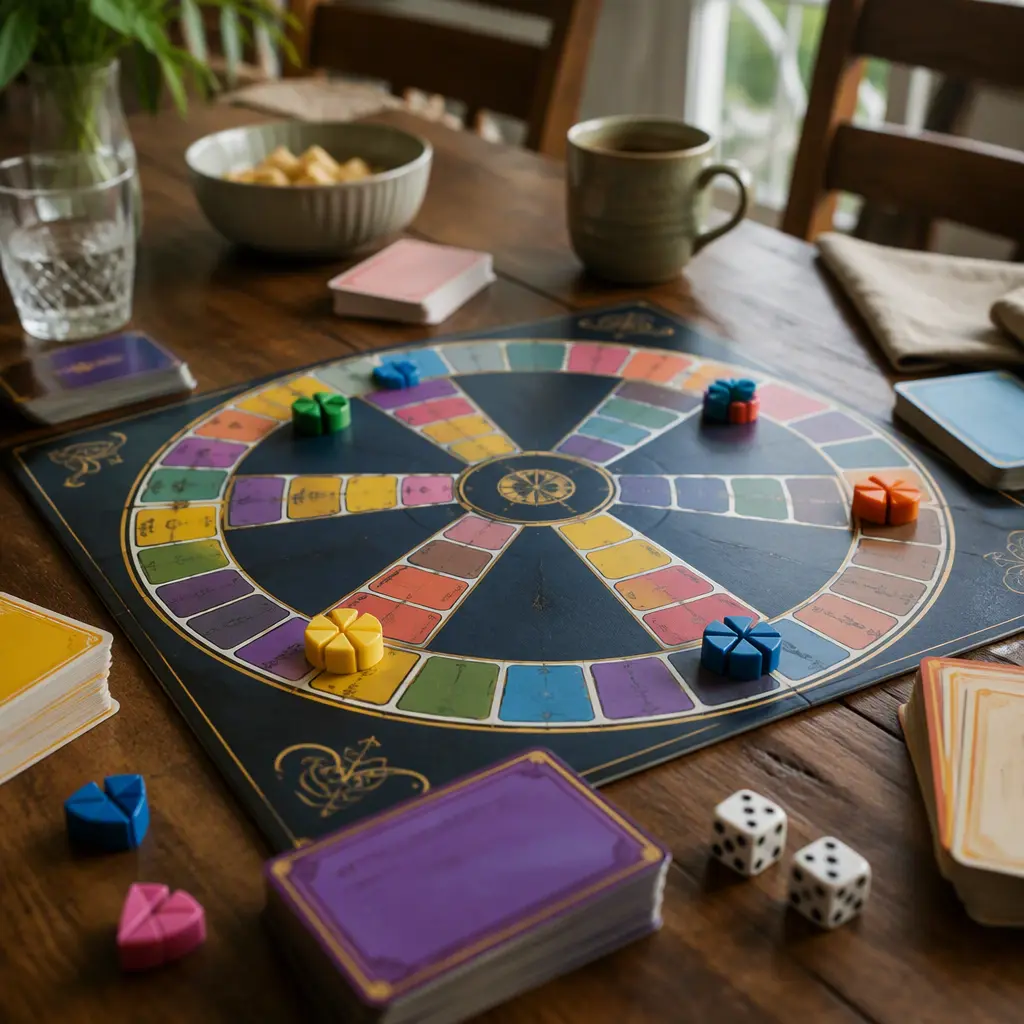
Trivial Pursuit was created in Canada in 1981 by Chris Haney and Scott Abbott, reportedly after the pair discovered they were missing pieces from their Scrabble set and began discussing ideas for a new kind of game. Their concept centered on trivia questions divided into categories, with players moving around a circular board while collecting colored wedges that represented mastery in different subjects.
The timing mattered as much as the idea itself. During the early 1980s, interest in quiz shows, pub trivia, and general-knowledge competitions was already growing. Trivial Pursuit packaged that energy into a polished home experience. Instead of focusing on one narrow topic, the game mixed entertainment, sports, geography, history, science, and arts questions into a broad cultural snapshot. That balance gave nearly every player a category where they could shine and another where they might struggle, which kept matches unpredictable and often funny.
Why it works
The core mechanic is remarkably simple. Players move around the board, answer questions from different categories, and collect wedges before attempting a final challenge. Yet the design encourages constant participation because everyone at the table listens to the questions, even when it is not their turn. That creates one of the game's most enduring strengths: spectators become mentally involved instead of waiting passively for their next move.
Trivial Pursuit also benefits from the way trivia naturally sparks conversation. Questions can trigger debates, memories, and side stories that become as entertaining as the competition itself. A missed answer often produces laughter rather than frustration, especially in family settings where generations compare what they know. The game rewards knowledge, but it also rewards confidence, educated guessing, and the ability to stay calm under pressure.
- Category-based questions that let different players specialize in different topics
- Simple turn structure that is easy for new players to understand
- Strong replay value thanks to large card libraries
- Social gameplay where every question engages the whole table
- Expandable format that supports themed and updated editions over time
Who it's for
Classic editions of Trivial Pursuit generally work best for older children, teenagers, and adults because many questions rely on accumulated cultural knowledge. Families often adapt the experience by teaming younger players with adults, which keeps the pace moving while making the game more inclusive. Over time, publishers introduced junior editions and themed versions aimed at specific age groups or interests, broadening the audience considerably. Adults still make up a large part of the fan base, especially players who enjoy quiz nights, crossword puzzles, or conversational party games that encourage competition without requiring complex strategy.
Variants and what to look for today
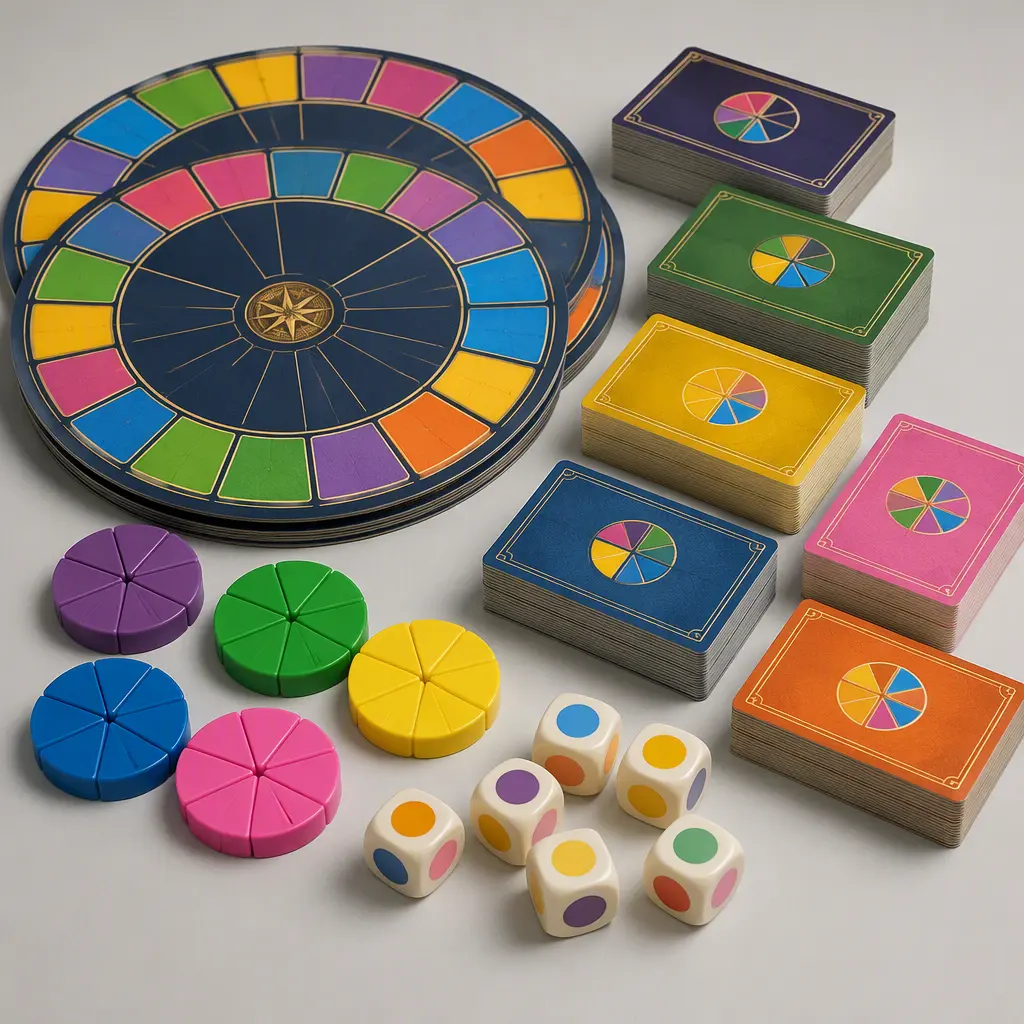
One reason Trivial Pursuit has endured is its flexibility. The original general-knowledge format eventually expanded into countless themed and updated editions covering movies, television, sports, music, and decade-specific pop culture. Some versions shorten the playtime or simplify the rules, while others increase the challenge for dedicated trivia fans. Modern editions often include refreshed questions designed to reflect current events and contemporary entertainment references.
Collectors sometimes seek out older editions because the questions themselves become accidental time capsules. Playing a 1980s or 1990s set today can reveal what counted as common knowledge at the time, though it can also make the game harder for younger players unfamiliar with older celebrities, events, or media references. When shopping for used copies, condition matters less than completeness since missing wedges, cards, or dice can affect gameplay.
- Classic general-knowledge editions remain the closest to the original experience
- Junior and family editions usually feature simpler or more contemporary questions
- Themed versions work best when all players share interest in the subject
- Secondhand copies should include cards, wedges, board pieces, and dice
- Generic trivia games may imitate the format but vary widely in question quality
Frequently asked questions
Why did Trivial Pursuit become so popular in the 1980s?
The game arrived at a moment when adults were increasingly interested in social board games and quiz-style entertainment. Its easy rules, broad appeal, and competitive but conversational atmosphere helped it spread quickly through families, parties, and workplaces.
Are older editions still fun to play?
Many players enjoy older editions precisely because they reflect the culture and assumptions of their era. The challenge is that some references may feel dated or obscure to modern audiences, especially younger players unfamiliar with older television shows, athletes, or political events.
Is Trivial Pursuit mostly luck or skill?
Skill plays the larger role because knowledge determines most outcomes, but luck still matters. Dice rolls influence movement around the board, and question difficulty can vary widely depending on category and card order.
Can younger children play?
Younger children may struggle with classic editions aimed at adults, but family and junior versions are designed with simpler questions and broader accessibility. Team play is also a common way to include mixed ages.
More than four decades after its debut, Trivial Pursuit remains one of the clearest examples of a board game built around conversation rather than elaborate mechanics. Its lasting appeal comes from the simple pleasure of recognizing an answer before everyone else does. Even in an era dominated by smartphones and instant information, the game still captures something satisfying about memory, curiosity, and the friendly competition that emerges whenever people gather around a table to test what they know.