Ty Girlz: When plush dolls met online avatars
Ty Girlz arrived in 2007 as plush fashion dolls tied to online avatars, capturing a brief moment when toy companies rushed to blend physical collectibles with virtual play.
Compare prices and availability
Check current prices and availability for this guide on eBay.
As an eBay Partner, we may be compensated if you make a purchase.
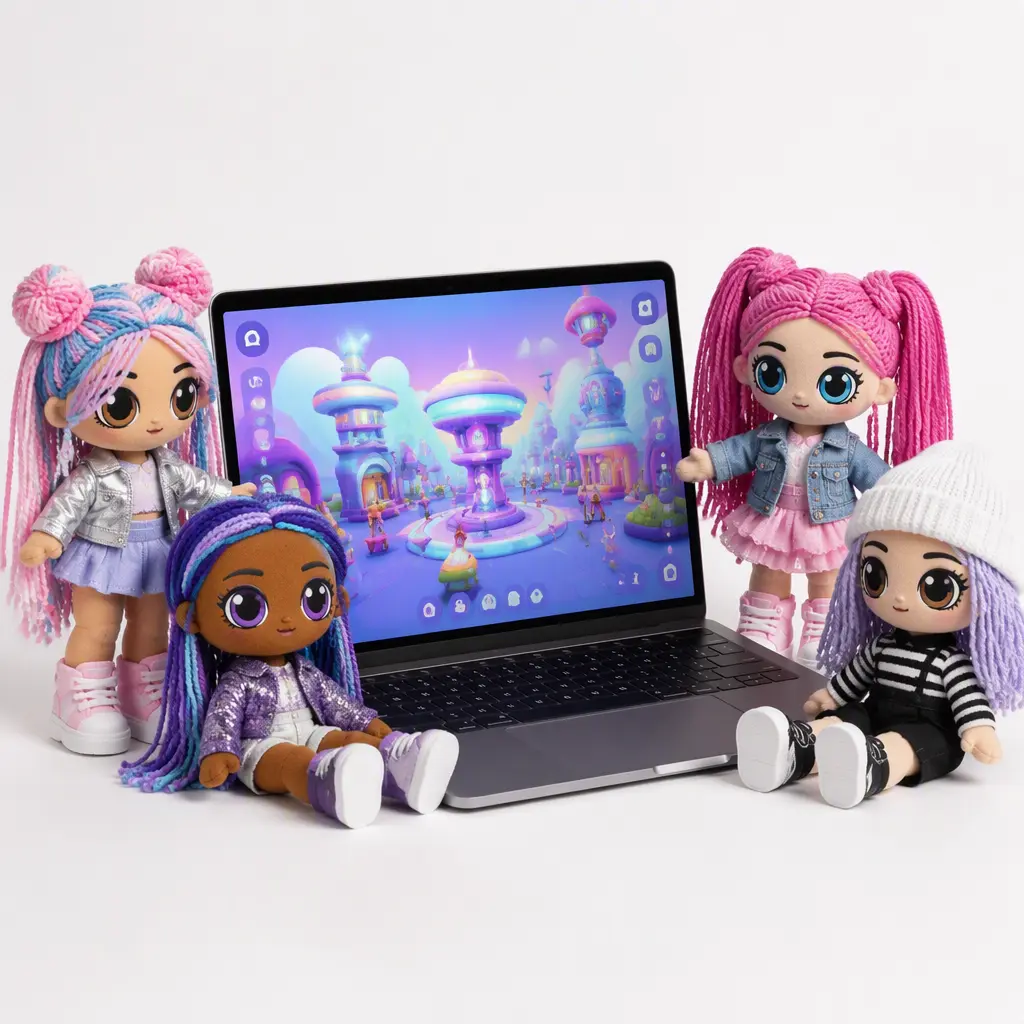
Ty Girlz arrived at a very specific moment in toy history. In the late 2000s, toy companies were racing to connect traditional play with the growing appeal of online games, virtual worlds, and digital avatars. Best known for Beanie Babies, Ty entered that space in 2007 with a line of plush fashion dolls that came packaged with codes unlocking online characters. The idea was simple but ambitious: a child could carry a soft collectible toy in the real world while also building a matching identity online. For a few years, Ty Girlz reflected the industry's belief that the future of toys would live equally on bedroom shelves and computer screens.
Where it came from
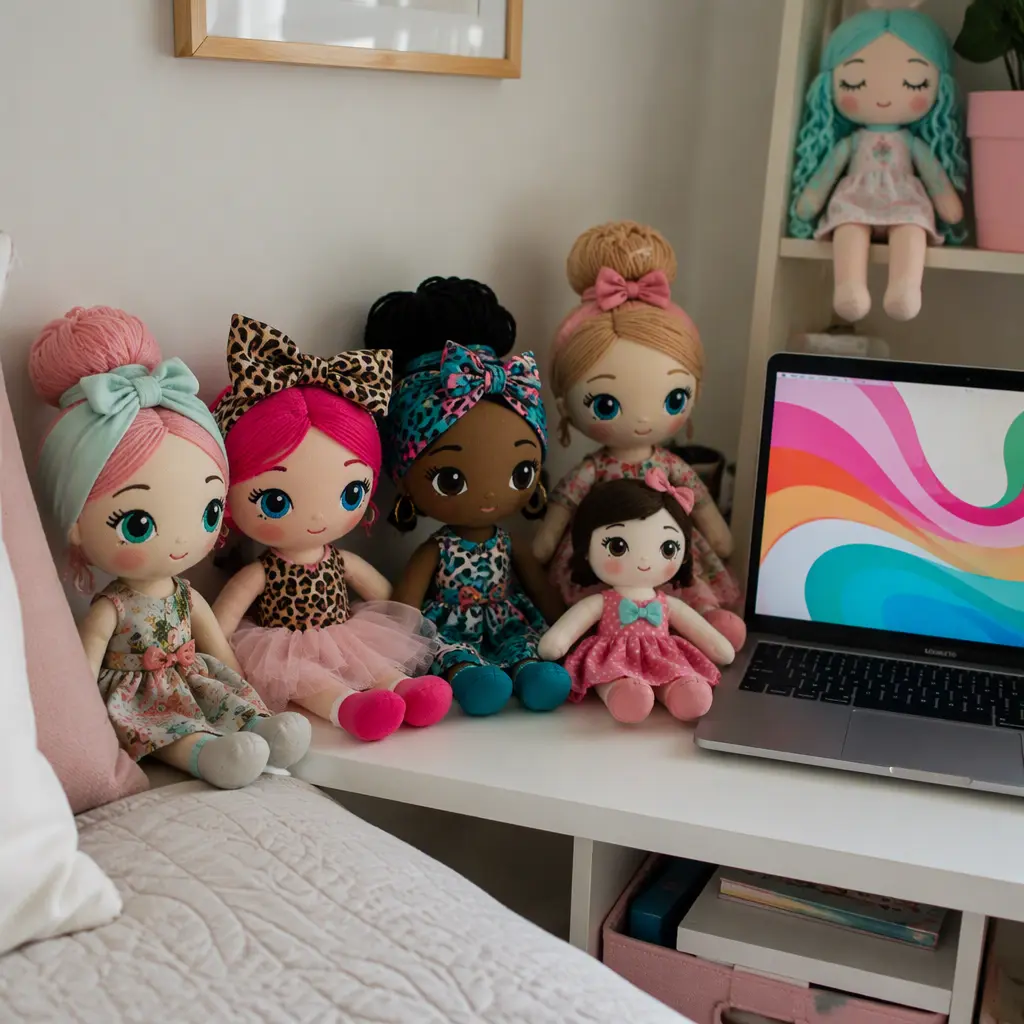
Ty launched Ty Girlz in 2007 during a period when Webkinz, Club Penguin, and other child-focused online worlds were changing expectations around play. Children increasingly expected toys to come with some kind of digital extension, and brands saw online connectivity as a way to keep kids engaged between purchases. Ty, already experienced with collectible toy trends through Beanie Babies, adapted that formula into a more fashion-oriented line aimed primarily at girls.
Each Ty Girlz doll featured stylized clothing, oversized eyes, and a soft plush body rather than the hard plastic construction used by many fashion dolls of the era. Included codes allowed owners to enter a companion online world where they could customize rooms, interact with avatars, and play simple browser-based games. The toys were not trying to compete directly with traditional dolls like Barbie. Instead, they sat somewhere between plush collectibles, fashion accessories, and digital companions. That hybrid identity became the line's defining feature, but also part of why it remains such a snapshot of its time.
Why it works
The appeal of Ty Girlz came from how many trends they combined into one product. The dolls borrowed the collectible scarcity and soft tactile feel associated with Beanie Babies while adding fashion styling that matched the late-2000s toy aisle. Their embroidered faces and plush construction made them feel approachable and less fragile than many hard-bodied dolls. Children could toss them onto a bed like stuffed animals while still treating them as characters with personalities and wardrobes.
The online component added another layer. At a time when many children were beginning to spend more time online but smartphones were not yet dominant, browser-based virtual worlds felt exciting and modern. Ty Girlz gave owners a reason to return to the brand after the initial purchase. The toy became both a physical object and an access point to a digital social space. Even though the online features were relatively simple by current standards, the concept helped push forward the broader industry trend of connected play.
- Soft plush construction that felt more like a stuffed toy than a traditional doll
- Fashion-focused styling with bright colors and patterned fabrics
- Collectible character lineup designed for trading and display
- Online avatar tie-ins through included web access codes
- Portable size that worked well for travel or bedroom display
Who it's for
Originally, Ty Girlz targeted children who were old enough to use a family computer independently but still interested in plush toys and dress-up play. The dolls appealed especially to kids drawn to collecting, decorating virtual spaces, and building character identities. Today, the audience has shifted somewhat. Modern collectors often approach Ty Girlz as nostalgic artifacts from the early internet era rather than active playthings. Adults who grew up during the rise of browser-based virtual worlds sometimes seek them out because they capture a transitional period between classic toys and app-connected entertainment. Younger children may still enjoy the dolls as soft collectibles, though the original online ecosystem is no longer central to the experience.
Variants and what to look for today
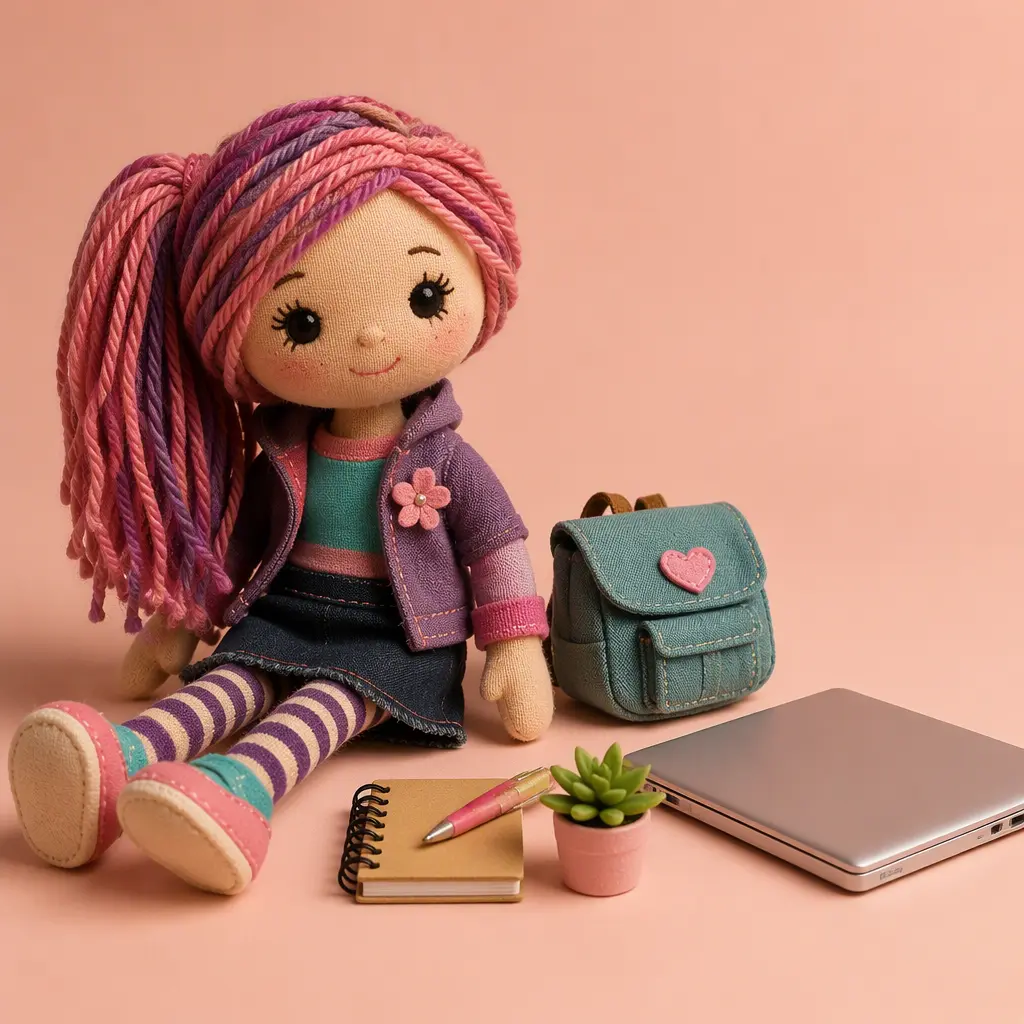
Ty Girlz appeared in many character styles, with differences mostly focused on outfits, hair colors, accessories, and themed personalities. Some emphasized trendy fashion looks, while others leaned into softer pastel styling or seasonal themes. Because the line depended heavily on character collecting, packaging and condition can matter significantly to current collectors. Unused online codes were once considered important, although today they mainly function as nostalgic extras since the original online platform is no longer active in its original form.
When shopping today, buyers usually encounter loose dolls from secondhand sellers, collector listings, or mixed toy lots. Condition is worth checking carefully because plush fabrics can attract wear, loose stitching, or discoloration over time. Since Ty Girlz were produced during a peak collectible era, there are also many listings that exaggerate rarity. In most cases, common examples remain fairly accessible, especially compared with truly scarce vintage toy lines.
- Look for clean plush fabric without matting or strong odors
- Check stitched facial details and seams for loose threads
- Original tags and packaging may appeal more to collectors
- Do not expect the original online world to function as it did at launch
- Be cautious of inflated resale claims based purely on age or discontinued status
Frequently asked questions
Did Ty Girlz work like Webkinz?
They shared a similar concept in that both connected physical toys to online experiences through access codes. Ty Girlz focused more on fashion avatars and social-style customization, while Webkinz centered more heavily on virtual pet care.
Can the original online game still be played?
The original Ty Girlz online world is no longer a major active platform in the way it operated during the late 2000s. Most modern interest comes from collecting the dolls themselves rather than accessing online features.
Were Ty Girlz considered dolls or stuffed animals?
They sat somewhere in between. Their styling and character themes aligned with fashion dolls, but their soft plush bodies made them feel closer to stuffed toys in texture and handling.
Why do collectors still remember Ty Girlz?
The line represents a distinctive period when toy companies experimented heavily with online integration before mobile apps and tablets became dominant. For many people, Ty Girlz capture the feel of early social internet culture aimed at children.
Ty Girlz did not become a permanent giant of the toy industry, but that is part of what makes the line interesting today. It reflects a transitional era when companies were still figuring out how physical toys and digital play could coexist. The dolls combined plush collecting, fashion styling, and online identity into a package that now feels unmistakably tied to the late 2000s. Even with the virtual world largely gone, the toys remain reminders of a moment when logging into a browser game with a toy code felt like the future.