Barbie: The doll that reimagined childhood and possibility
First sold in 1959, Barbie became more than a fashion doll. She reflected changing ideas about girlhood, work, and imagination—while quietly reshaping what play could look like for generations.
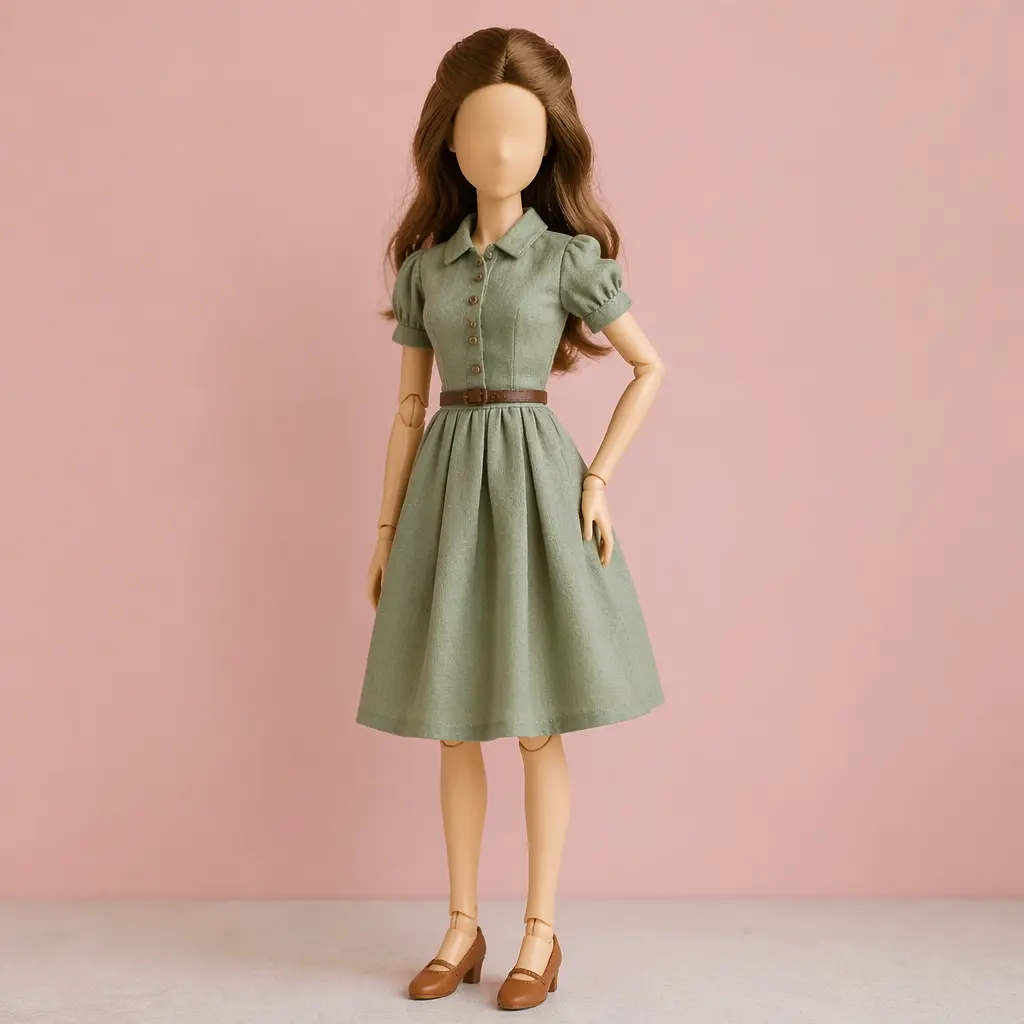
Compare prices and availability
Check current prices and availability for this guide on eBay.
As an eBay Partner, we may be compensated if you make a purchase.
Few toys have carried as much cultural weight as Barbie. Introduced at a time when most dolls were baby-like and domestic, Barbie arrived as something new: an adult-shaped fashion doll with a life already in motion. Over the decades, she became a mirror for social change, a lightning rod for debate, and a constant presence in toy boxes around the world.
Where it came from
Barbie debuted in 1959, created by American businesswoman Ruth Handler and introduced by Mattel. Handler reportedly observed her daughter giving adult roles and personalities to paper dolls and saw an opportunity: a three-dimensional doll that let children imagine a future version of themselves, rather than rehearsing infancy.
The original doll was marketed as a “teenage fashion model,” a radical departure from the baby dolls that dominated the market. From the start, Barbie was positioned not just as a toy, but as a character with a wardrobe, hobbies, and an implied independence. That framing helped the doll stand out—and sparked conversations that continue today.
Why it works
At its core, Barbie works because she is a platform for storytelling. The doll itself is relatively simple; the power lies in what children project onto her. Clothes, accessories, homes, vehicles, and careers all function as prompts, encouraging open-ended play rather than fixed narratives.
- An adult-shaped doll that invites future-focused role play
- Changeable outfits that encourage creativity and self-expression
- A broad range of careers and hobbies represented over time
- A consistent scale that supports an expandable play world
Design-wise, Barbie’s clean lines and stylised proportions made clothing easy to swap and accessories easy to hold. That practicality helped sustain a vast ecosystem of add-ons, making the doll feel endlessly new even when the core figure stayed familiar.
Who it's for
Traditionally aimed at children aged around 3 to 10, Barbie has always had a strong adult following as well. Some adults engage with the doll nostalgically, others as collectors or customisers. The broad appeal comes from Barbie’s flexibility: she can be a simple dress-up toy for younger children or a more complex imaginative outlet for older kids and adults alike.
Variants and what to look for today
Over the years, Barbie has appeared in countless forms—different body shapes, skin tones, hairstyles, fashions, and professions. Modern lines tend to emphasise diversity and everyday realism more than earlier versions, while still retaining the core fashion-doll concept.
If you’re shopping today, it’s worth focusing on build quality and compatibility. Dolls that follow standard sizing work best with existing clothing and accessories. Be cautious of very cheap off-brand options that may use brittle plastics or poorly secured small parts, especially for younger children.
Frequently asked questions
Why was Barbie controversial?
From early on, critics questioned Barbie’s body proportions and the messages they might send about beauty. Others worried about consumerism tied to fashion play. These debates have shaped how the brand evolved, leading to broader representation and different body types over time.
Did Barbie really have careers before it was common?
Yes. Barbie was depicted in professional roles decades before many women held those jobs in large numbers. While not always handled perfectly, these career dolls introduced the idea that girls could imagine themselves in a wide range of futures.
Is Barbie still relevant today?
Despite changing tastes and competition from digital play, Barbie remains relevant by adapting. Updates in design, storytelling, and representation have helped the doll stay connected to contemporary childhood experiences.
What makes a Barbie collectible?
Collectors often look for dolls tied to specific eras, fashions, or themes, as well as condition and originality. For most families, though, play value matters far more than long-term collectability.
More than six decades after her debut, Barbie remains a touchstone in toy history. She has reflected social values, challenged assumptions, and provided a flexible canvas for imagination. Whether loved, criticised, or reinterpreted, her influence on play—and on how children imagine their futures—is hard to overstate.