Ty Plush: How Bean-Filled Toys Became a Status Symbol
Ty plush toys turned small stuffed animals into playground collectibles through clever branding, retirements, and perceived scarcity that reshaped the toy market in the 1990s.
Compare prices and availability
Check current prices and availability for this guide on eBay.
As an eBay Partner, we may be compensated if you make a purchase.
Few toys blurred the line between plaything and collectible as successfully as Ty plush animals. During the 1990s, the company’s bean-filled toys became a cultural phenomenon that reached far beyond children’s bedrooms. They appeared in gift shops, pharmacy checkout aisles, office cubicles, and collector conventions. Part of the appeal came from their approachable design: small stuffed animals with soft bodies, simple features, and names that encouraged emotional attachment. But the real story behind Ty’s rise involves branding, limited availability, and the careful creation of perceived rarity. The company transformed ordinary plush toys into objects people hunted, traded, and stored away like investments.
Where it came from
Ty Inc. was founded by businessman Ty Warner in 1986, initially focusing on plush toys that looked different from the heavily stuffed animals common at the time. Early Ty plush products emphasized softness, flexibility, and approachable animal designs rather than oversized cartoon styling. The company’s breakthrough came in the early 1990s with Beanie Babies, a line of small bean-filled plush animals that used pellets instead of dense stuffing to create a floppy, poseable feel.
The toys arrived at a moment when collecting culture was already expanding through trading cards, comics, and promotional merchandise. Ty applied many of the same ideas to plush toys. New animals appeared frequently, while older ones were “retired,” meaning stores could no longer reorder them. Retail distribution stayed intentionally limited, especially in the beginning, with many toys sold through smaller gift shops instead of major chains. That strategy created urgency. Parents bought them as affordable treats, while adult collectors began tracking rare versions, production changes, and retired animals with surprising intensity.
Why it works
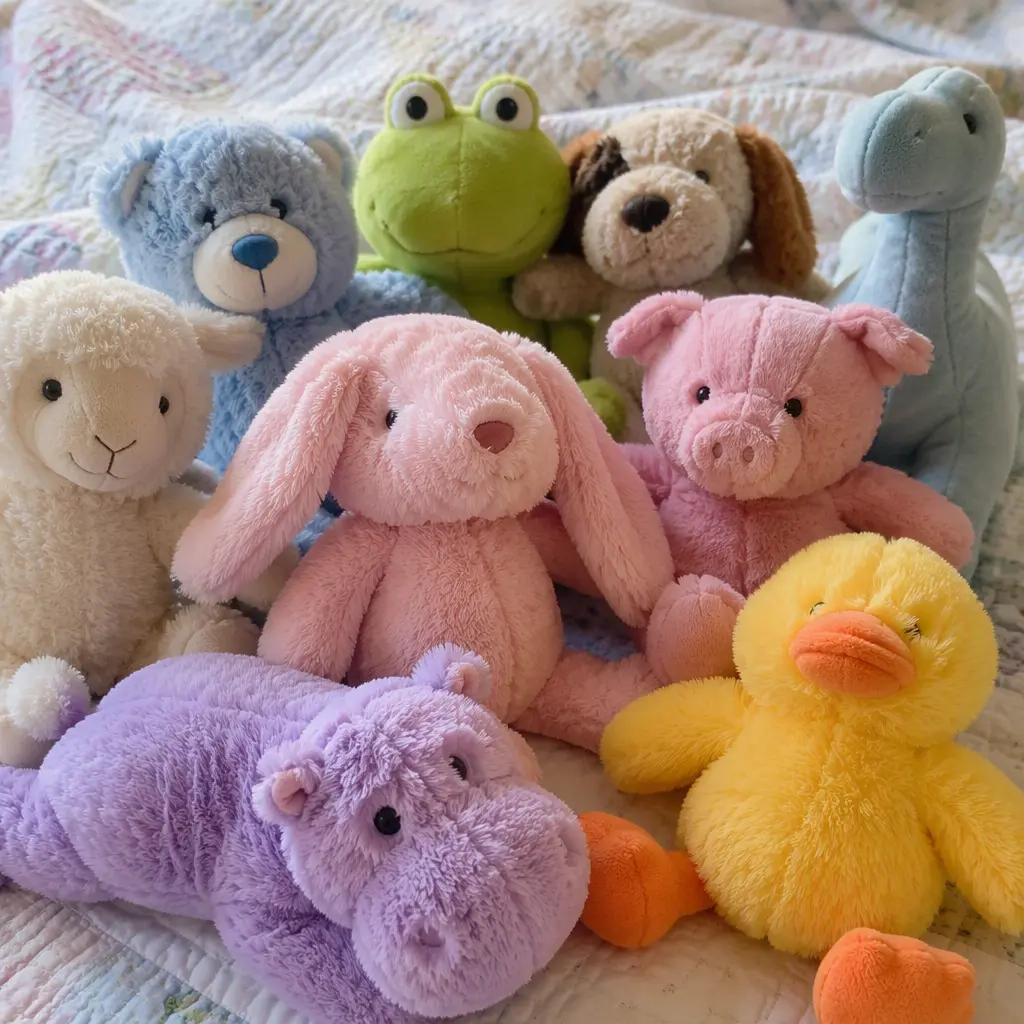
On a design level, Ty plush toys succeeded because they balanced simplicity with personality. Most animals shared a similar visual language: rounded bodies, oversized eyes, soft fabric, and recognizable silhouettes. They were small enough to carry around easily and inexpensive enough to collect in groups. The bean-filled construction gave them a tactile quality that stood apart from rigid stuffed animals. They slumped naturally into a hand or backpack, which made them feel more alive and interactive despite their minimal detailing.
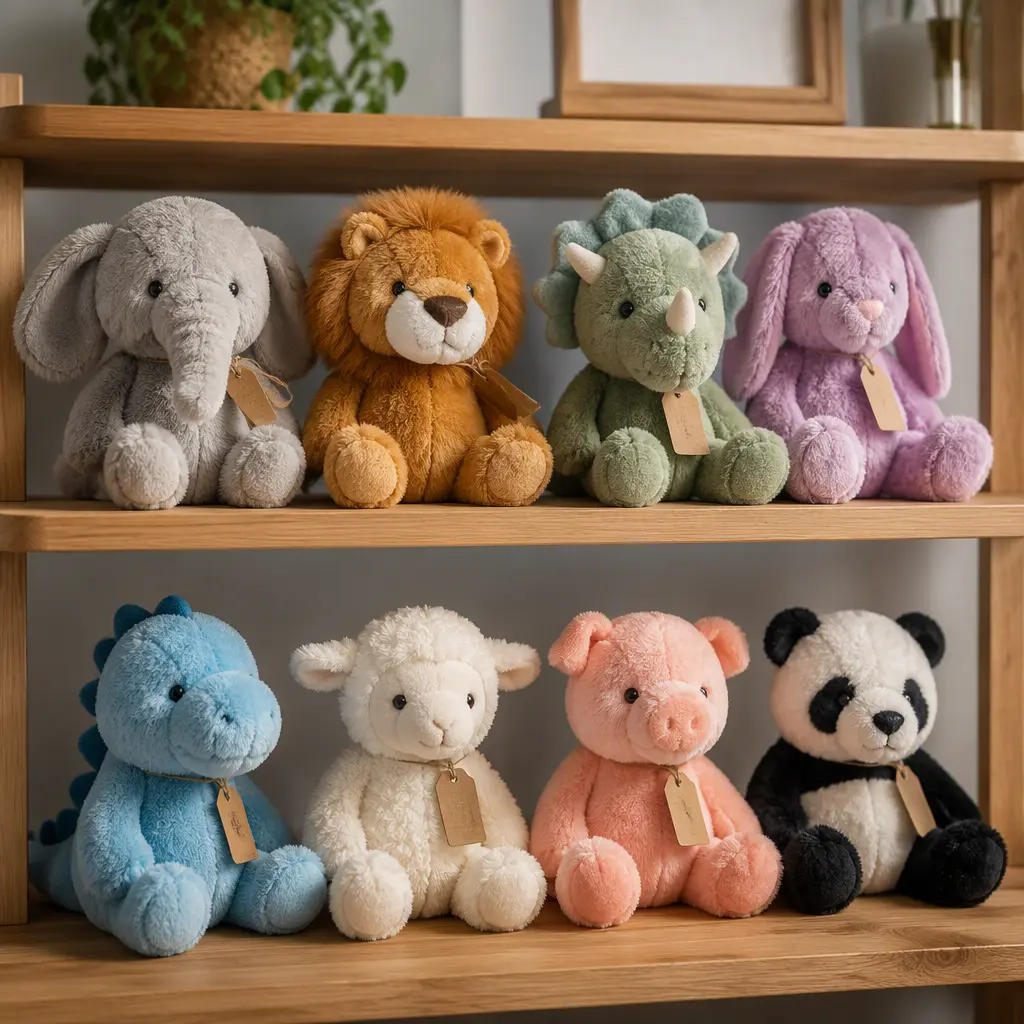
The company also understood how presentation affects perceived value. Heart-shaped swing tags encouraged buyers to treat each plush like a named character with its own identity. Frequent retirements and subtle production differences gave collectors reasons to search for specific versions. Scarcity was often more psychological than truly rare, but it generated a strong sense of competition and discovery. For many children, the appeal was social as much as personal: trading plush animals at school became part of the experience.
- Small bean-filled bodies that felt softer and more flexible than traditional plush toys
- Compact size that encouraged collecting multiple animals
- Character names and birthdays that created emotional attachment
- Retirement cycles that increased urgency and collectibility
- Wide variety of animal types, colors, and seasonal themes
Who it's for
Ty plush toys originally targeted children, but their audience quickly widened. Young kids enjoyed the softness and portability, while older children became interested in collecting and trading. Adults also entered the market in large numbers during the late 1990s collecting boom, sometimes preserving toys in protective cases rather than using them as playthings. Today, Ty plush appeals to several groups at once: nostalgic adults revisiting childhood favorites, younger children who still enjoy soft collectible toys, and collectors interested in toy history and pop-culture trends. Most designs remain suitable for general family audiences, although vintage toys with detachable accessories or aging pellets should be checked carefully before being given to very young children.
Variants and what to look for today
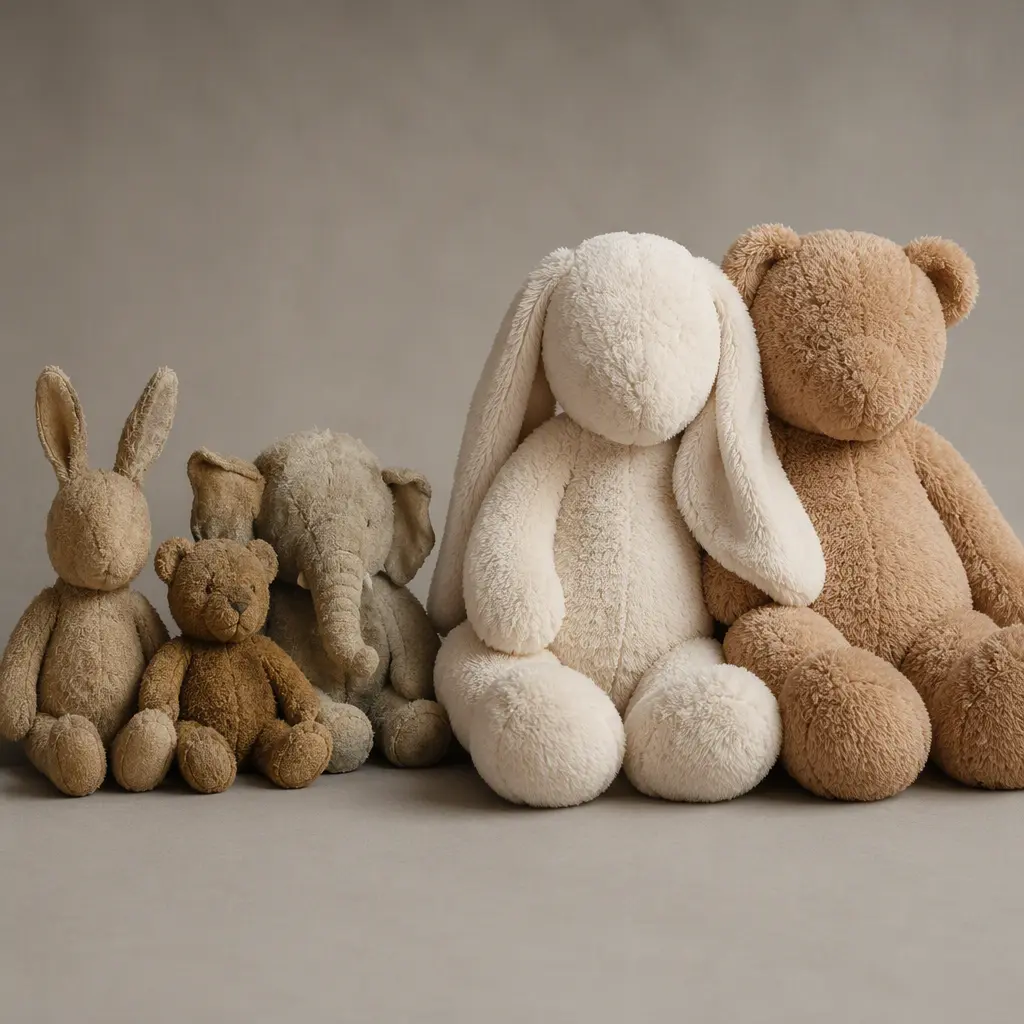
The Ty brand expanded far beyond its original bean-filled animals. Over the years, the company introduced larger plush lines, bright glitter-eyed designs, seasonal collections, and oversized versions aimed at younger audiences. Some collectors still focus specifically on early bean-filled animals from the 1990s, especially retired releases or toys associated with memorable cultural moments. Others simply enjoy the playful variety of animals and fantasy creatures now available in stores.
For buyers today, condition matters more than hype. Many vintage plush toys were produced in very large quantities despite the perception of rarity at the time. Clean fabric, intact tags, and proper storage tend to matter more than dramatic online claims about value. Modern Ty plush products are easier to find and generally intended more for casual collecting and comfort than speculation. When shopping secondhand, it is worth watching for excessive wear, damaged seams, or pellet leakage in older toys.
- Classic bean-filled animals remain the most recognizable style
- Modern plush lines often feature brighter colors and larger eyes
- Vintage toys with clean tags are popular among nostalgia-focused collectors
- Secondhand purchases should be checked for worn stitching or damaged pellets
- Avoid sellers making unrealistic rarity or investment claims without evidence
Frequently asked questions
Why were Ty plush toys so collectible in the 1990s?
Ty used limited retail distribution, frequent retirements, and constant new releases to create a sense of scarcity. Combined with affordable pricing and strong word-of-mouth, the toys became highly collectible during a decade already interested in trading and collecting culture.
Are old Ty plush toys actually valuable?
Most vintage Ty plush toys are common today because millions were produced. Certain unusual production runs or well-preserved examples may attract collector interest, but many claims about extreme values are exaggerated. Condition and authenticity matter more than rumors.
What made bean-filled plush different from regular stuffed animals?
The pellet-filled bodies gave the toys a softer, floppier feel that made them easier to pose and hold. That tactile difference helped Ty products stand out from heavily stuffed plush animals common during the 1980s and early 1990s.
Do children still play with Ty plush today?
Yes. While collecting remains part of the brand’s identity, modern Ty plush toys are still widely used as comfort toys, travel companions, and casual collectibles for children. The appeal of soft, expressive animal designs remains strong across generations.
Ty plush toys remain an important case study in how presentation and psychology can transform a simple product into a cultural event. At their core, they were approachable stuffed animals with soft textures and friendly designs. What elevated them was the company’s understanding of collecting behavior and emotional attachment. Decades later, the toys still represent a defining moment in 1990s consumer culture, when a bean-filled plush animal could become both a childhood companion and a symbol of scarcity-driven demand.