VTech KidiZoom Snap Touch and the New Kid Camera Era
The VTech KidiZoom Snap Touch reflects a new wave of kid-first cameras that mix touch controls, playful editing and offline-friendly photography with growing parental questions about storage and sharing.
Compare prices and availability
Check current prices and availability for this guide on eBay.
As an eBay Partner, we may be compensated if you make a purchase.
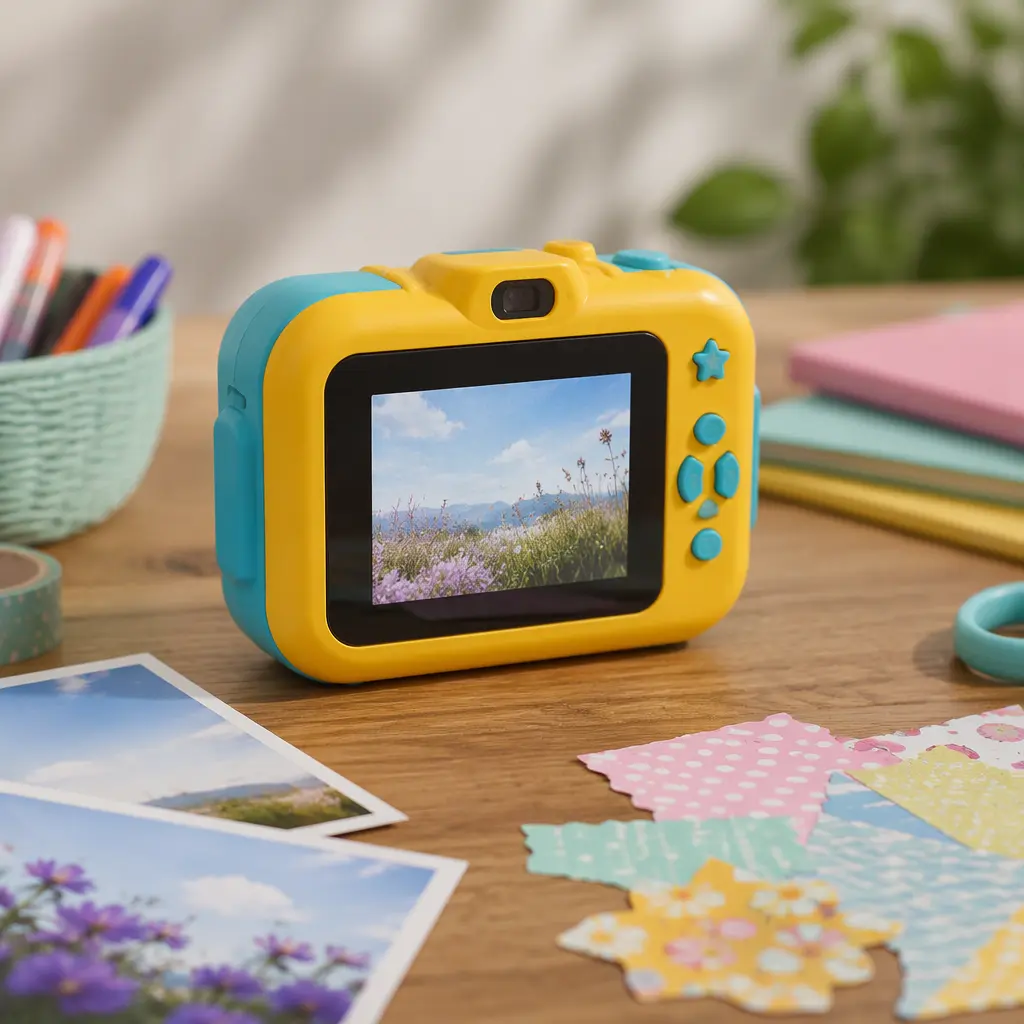
Kid cameras have shifted from novelty gadgets into a recognizable category of toy-tech, and the VTech KidiZoom Snap Touch arrives at a moment when children increasingly see adults documenting everything through phones. Instead of handing over an expensive smartphone, many families are looking for a dedicated device that feels playful, durable and self-contained. The Snap Touch sits inside that trend, blending a kid-oriented camera experience with touch controls and features inspired by instant-photo culture while also raising familiar questions about storage, privacy and how connected a child’s first camera really needs to be.
Where it came from
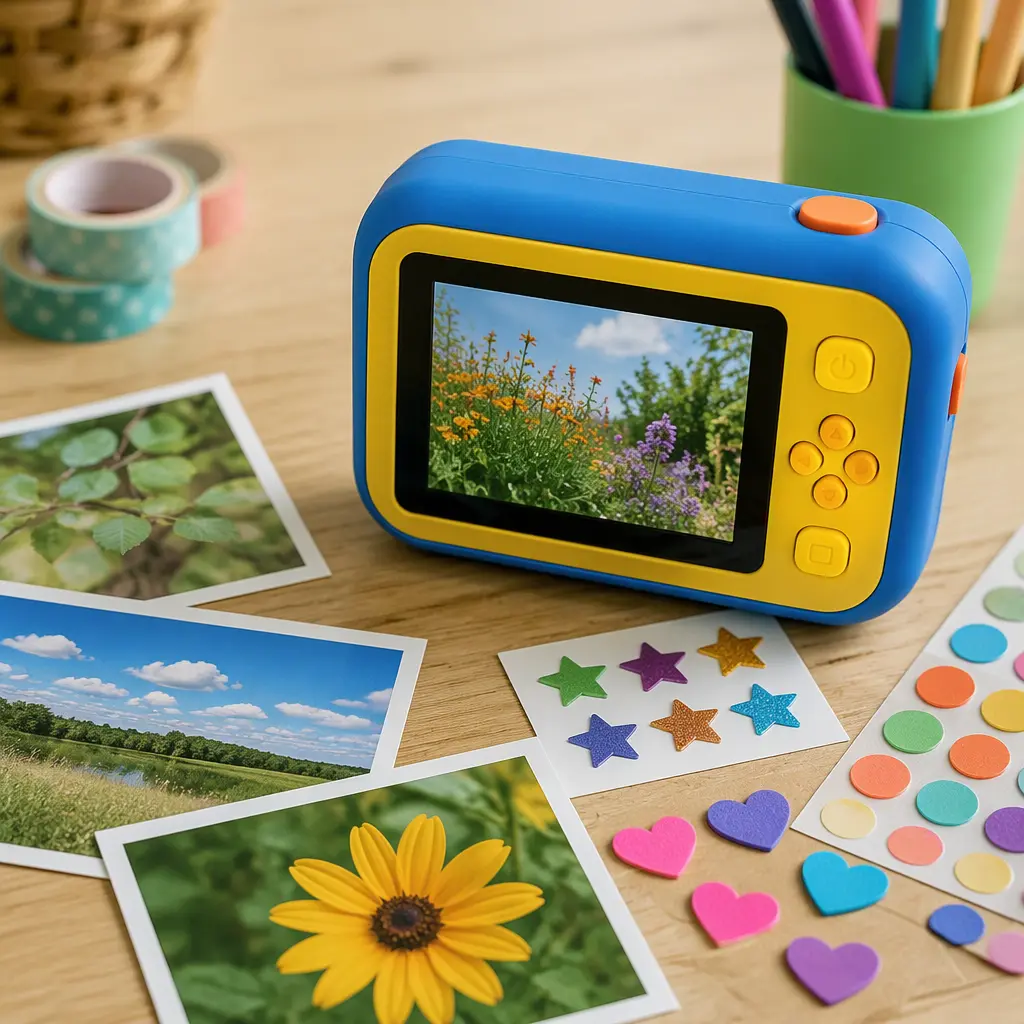
VTech has spent years building electronic toys aimed at younger children, especially products designed to introduce technology through simplified controls and guided play. The broader KidiZoom line has included cameras, smartwatches and multimedia gadgets that borrow ideas from mainstream consumer electronics while stripping away many of the risks, costs and complexities tied to adult devices. The Snap Touch follows that approach by presenting photography as creative play rather than social-media participation.
Its arrival also reflects a wider industry movement. Instant-print and retro-inspired cameras have become popular again with both children and adults, helped by the appeal of physical keepsakes and screen-light alternatives. Toy companies have responded with products that imitate the satisfaction of snapping and sharing photos without fully crossing into phone territory. In the case of the Snap Touch, the emphasis appears to be on accessible photography, playful editing and portability rather than high-end imaging performance. That distinction matters for parents trying to understand whether a toy camera is meant as a creative outlet, a communication device or simply a screen-based novelty.
Why it works
The appeal of a product like the KidiZoom Snap Touch comes from its balance between independence and limitation. Children get a device that feels personal and interactive, but the experience remains more contained than using a connected phone or tablet. Large buttons, simplified menus and ruggedized construction are common design priorities in this category because younger users tend to treat cameras as both gadgets and toys. The touch interface adds familiarity for children already accustomed to tapping screens, while playful effects and filters encourage experimentation without requiring technical skill.
Another reason these cameras resonate is that they turn photography into active play. Kids tend to photograph pets, toys, drawings, backyard discoveries and family moments from their own eye level. That changes the camera from a passive entertainment device into a tool for collecting and storytelling. Parents often appreciate that shift because it can support creativity without necessarily demanding constant internet access.
- Kid-oriented controls designed to be simpler than a smartphone camera
- Built-in creative tools such as frames, effects or playful edits
- Portable design intended for everyday carrying and casual use
- A touch-based interface that mirrors modern devices in a simplified way
- Offline-friendly photo taking compared with app-dependent social platforms
Who it's for
Products in the KidiZoom family are generally aimed at younger school-age children rather than teens or serious hobby photographers. The biggest audience is often children who want a “real” gadget of their own but are not ready for a phone. Adults sometimes underestimate how appealing that independence can feel to kids. At the same time, parents are usually the real decision-makers because questions about storage, transfers, batteries and sharing matter more than novelty alone. For adults interested in low-pressure creative toys, a kid camera can also function as a travel activity, party accessory or screen-light alternative that encourages observation instead of passive viewing.
Variants and what to look for today
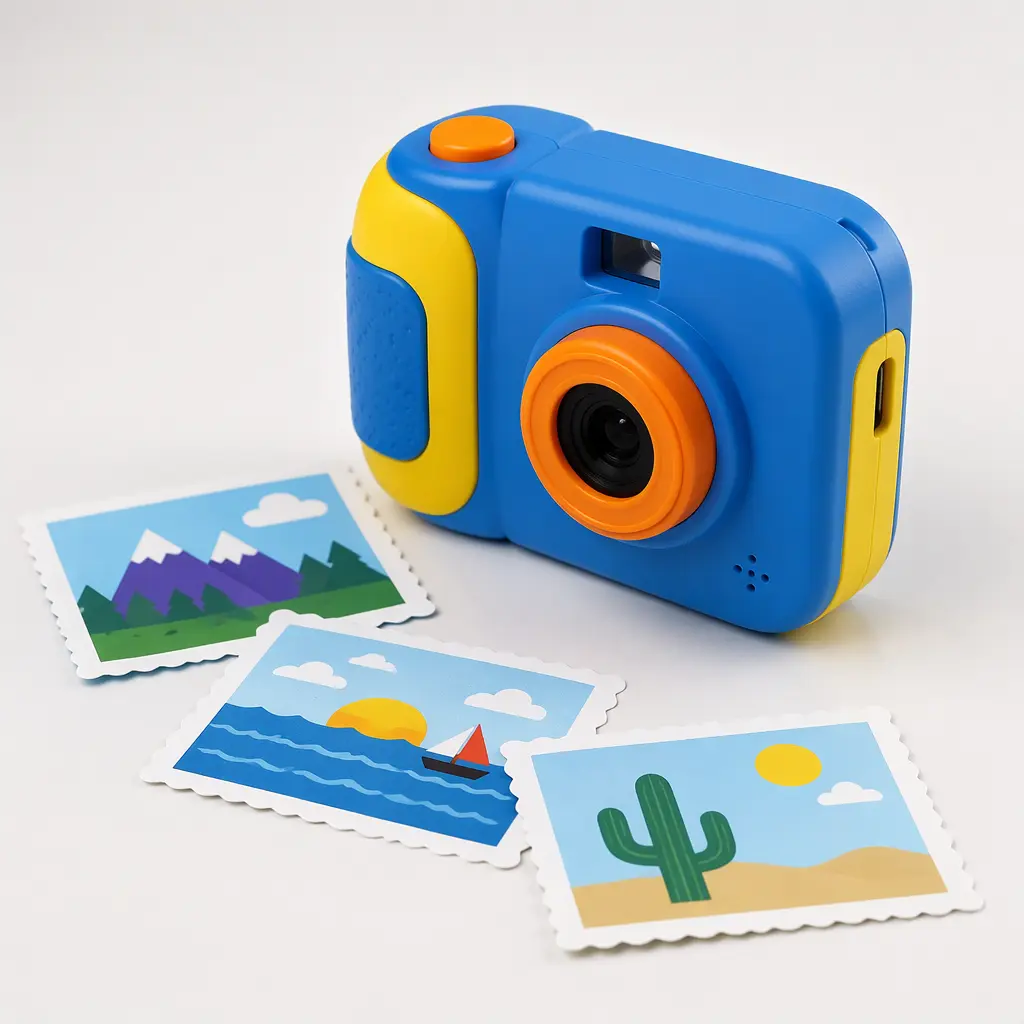
The kid-camera market now includes everything from very simple fixed-focus toys to more advanced hybrid devices with games, editing features and companion apps. VTech’s KidiZoom branding covers multiple styles of camera products, so shoppers should pay attention to how each version stores images, whether it requires additional media cards and how much functionality depends on a computer or mobile connection. A touch-focused model may feel more intuitive to children already used to tablets, but some families still prefer simpler button-based cameras with fewer distractions.
Storage and sharing are the biggest practical questions. Some parents want a fully offline device that keeps photos local unless an adult transfers them manually. Others may prefer easier exporting to computers or phones. Before buying, it is worth checking what ports, memory options or app features are included and whether any cloud-linked functionality is optional or required. Regional support can also matter for connected toy-tech products, especially if updates or companion software are involved.
- Check whether photos save internally, to removable media or through an app workflow
- Look for sturdy construction and protective bumpers for younger users
- Review how image transfers work before gifting the device
- Be cautious of ultra-cheap imitations with unclear support or limited durability
- Consider whether games and extra apps are a benefit or a distraction for your child
Frequently asked questions
Does the KidiZoom Snap Touch need internet access?
Kid-focused cameras are often designed to work primarily offline for taking photos and using built-in effects. Some transfer or update features may still involve a computer, app or wireless connection depending on the exact model and regional setup.
Is it a real camera or mostly a toy?
It sits between those categories. Devices like the Snap Touch are intended to function as genuine cameras for children, but they prioritize durability, simple controls and playful features over the image quality or flexibility expected from adult photography equipment.
Are there privacy concerns with kid cameras?
Any device capable of storing or transferring images deserves some attention from parents. It is useful to understand whether photos remain local on the device, whether companion apps are involved and how sharing works before children start using the camera independently.
What makes these cameras different from handing a child a phone?
A dedicated kid camera usually narrows the experience to photography and creative play. That can reduce distractions tied to messaging, social feeds and unrestricted app access while also lowering the financial risk of accidental damage.
The VTech KidiZoom Snap Touch reflects a broader change in how toy companies approach children’s technology. Instead of chasing raw computing power, many are focusing on contained experiences that mimic grown-up gadgets while preserving simpler forms of play. For families weighing a first camera, the appeal is less about perfect photos and more about giving children a safe-feeling tool to document their own world. As toy-tech continues blending creativity with connectivity, that balance between independence and oversight is likely to remain the category’s defining challenge.