Webkinz: The plush toys that lived online
Webkinz blended cuddly plush toys with a child-safe virtual world, turning a soft animal into a digital pet. Launched in 2005, it reshaped how kids played across screens and sofas.
Compare prices and availability
Check current prices and availability for this guide on eBay.
As an eBay Partner, we may be compensated if you make a purchase.
In the mid-2000s, Webkinz did something quietly radical. It took a familiar comfort object—a small plush animal—and gave it a second life online. Each toy wasn’t just something to hug; it was a passport to a digital world where kids could feed, decorate, play, and learn. For a generation raised alongside the internet, Webkinz became a bridge between physical play and early online experiences.
Where it came from
Webkinz launched in 2005, created by Ganz, a Canadian company already known for plush toys and giftware. The idea was simple but well-timed: each plush animal came with a unique code that unlocked an online pet inside the Webkinz World website. At a moment when home internet access was becoming common, this blend of toy and website felt fresh and accessible.
The original purpose wasn’t just entertainment. Webkinz World was designed as a child-friendly online space, with simple games, daily tasks, and gentle lessons about responsibility. Caring for a virtual pet—feeding it, earning in-game currency, and decorating its room—mirrored real-world routines without high stakes.
Why it works
At its core, Webkinz worked because it respected how children actually play. The plush toy satisfied the need for tactile comfort, while the online world extended that relationship into imagination and routine. Unlike many digital games, progress wasn’t about speed or competition, but consistency—checking in, caring, and exploring.
The design avoided overload. Graphics were friendly and readable, the rules easy to grasp, and the rewards steady rather than overwhelming. Parents appreciated that the environment was closed and moderated, while kids enjoyed a sense of ownership over something that felt uniquely theirs.
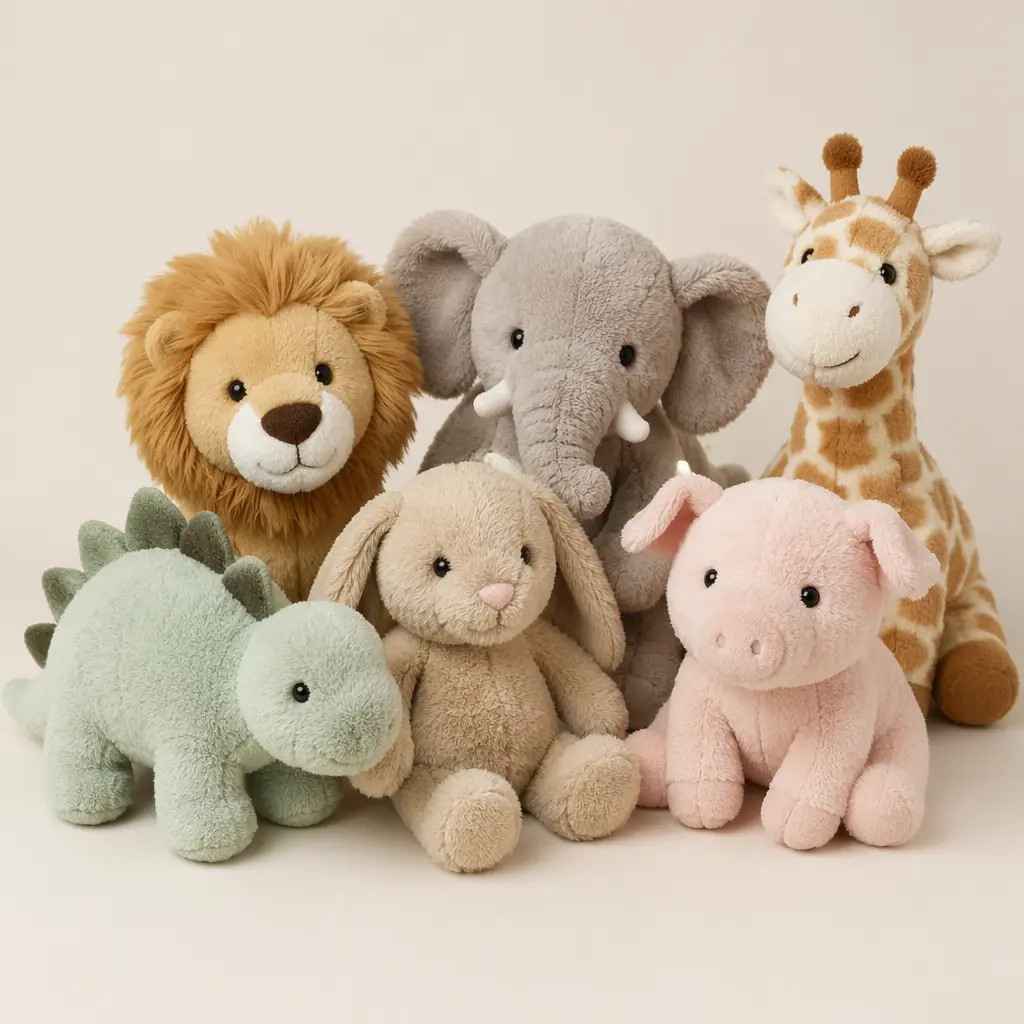
- Soft, approachable plush designs
- Simple code-based link between toy and website
- Low-pressure gameplay focused on care and routine
- Child-safe online environment
- Collectible animals with distinct personalities
Who it's for
Webkinz was originally aimed at primary-school-aged children, roughly ages six to ten, but its appeal stretched wider. Younger kids loved the plush toys, while older children and even teens became collectors. Today, many adults return to Webkinz for nostalgia, revisiting a digital space that feels gentler and slower than modern social platforms.
Variants and what to look for today
Over time, Webkinz expanded beyond the original plush line. There were smaller versions, larger deluxe animals, and digital-only pets that didn’t require a physical toy. Some designs became more stylised, while others leaned into realistic animal forms.
If you’re looking at Webkinz today, condition matters. For collectors, unused codes are a key consideration, while for children, the plush quality and safety of stitching are more important. Be cautious of unofficial lookalikes that mimic the style but don’t connect to any official online experience.
Frequently asked questions
Do Webkinz still work online?
Yes, the online world still exists, though features have evolved. Some content is free, while other areas may require a membership or recent pet adoption.
Are Webkinz suitable for young children today?
The plush toys are suitable for most children, but online access is best with parental guidance, especially for younger users navigating accounts and passwords.
Why are some Webkinz considered collectible?
Rarity, retired designs, and unused codes all add to collectibility. Emotional nostalgia also plays a big role for buyers who grew up with the brand.
Webkinz occupies a unique place in toy history. It wasn’t just a plush, and it wasn’t just a game—it was an early lesson in how physical toys and digital worlds could coexist. Nearly two decades on, that blend still feels meaningful, especially as families look for play experiences that balance screen time with something you can actually hold.