Beginner RC Toys for Teens That Don’t Need Constant Repairs
A parent-focused guide to durable, easy-control RC toys for teens. Learn what features reduce breakage, how to match age and skill level, and which categories are simplest to maintain.
Compare prices and availability
Check current prices and availability for this guide on eBay.
As an eBay Partner, we may be compensated if you make a purchase.
Remote-control toys can be a fun way for teens to explore technology, coordination, and problem-solving. For parents, the challenge is finding beginner RC toys that work reliably right out of the box and don’t turn into a repair project after a few uses. This guide focuses on durable, easy-control RC options designed for teens who want to drive, fly, or race—not constantly fix.
What to look for
Durability and simple controls matter more than top speed or advanced features for beginners. Teens are still learning how to steer smoothly, judge distance, and react quickly, so forgiving designs help prevent frustration and damage.
- Impact-resistant materials like thick plastic or flexible polymer frames
- Sealed or enclosed electronics to protect against dust and light moisture
- Moderate speed settings or beginner modes to limit crashes
- Simple controllers with clearly labeled controls
- Replaceable batteries that are easy to access without tools
- Widely available replacement parts for common wear items like tires
Age suitability
For teens ages 13 and up, RC toys should balance challenge with control. Models aimed at younger kids may feel underpowered, while hobby-grade machines can be fragile and demand frequent tuning. Teen-appropriate beginner RC toys typically offer responsive handling, realistic movement, and enough durability to handle mistakes. Clear instructions and quick setup are also important so teens can start using the toy without adult-level technical knowledge.
Standout categories or types
Some RC categories are naturally more beginner-friendly than others. Ground-based vehicles are usually the easiest to manage and maintain, while air and water models can still be approachable if designed with stability in mind.
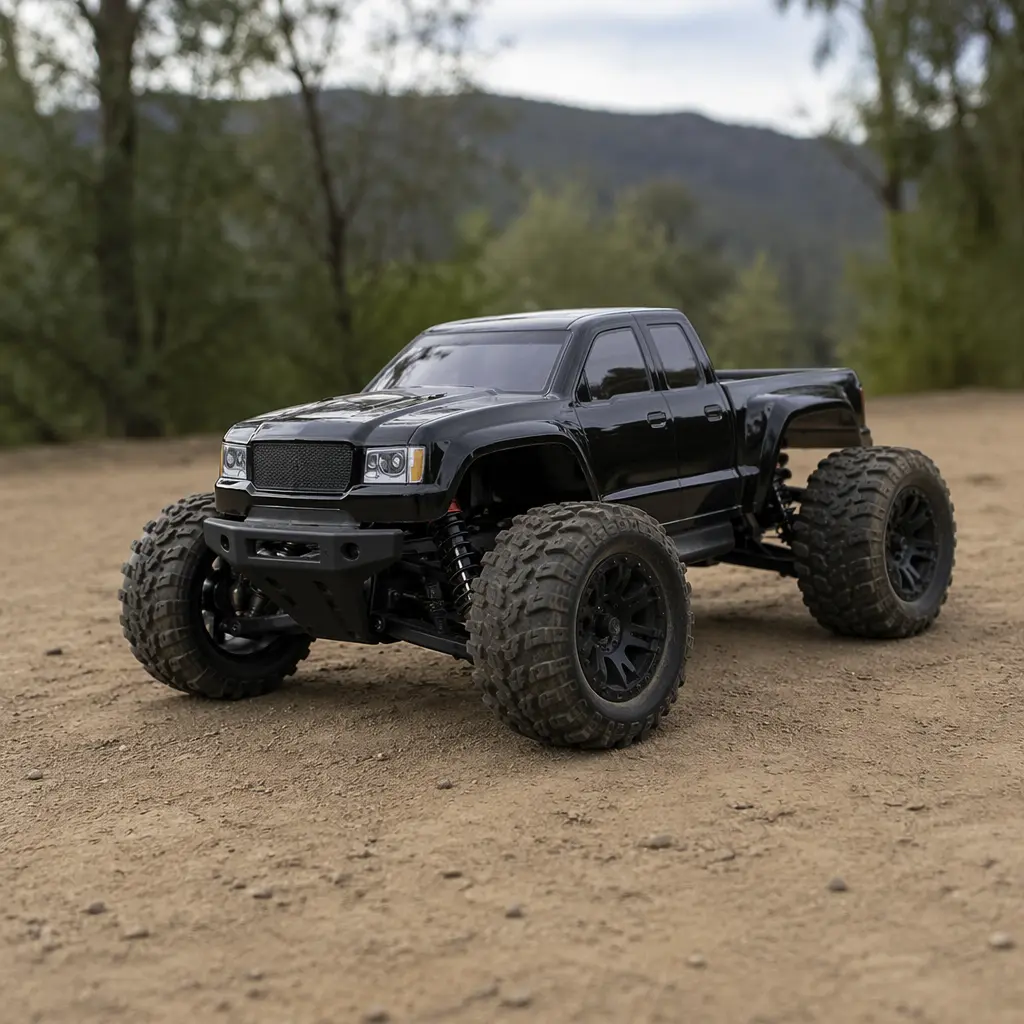
- RC cars and trucks: Often the toughest option, with simple steering and strong bumpers
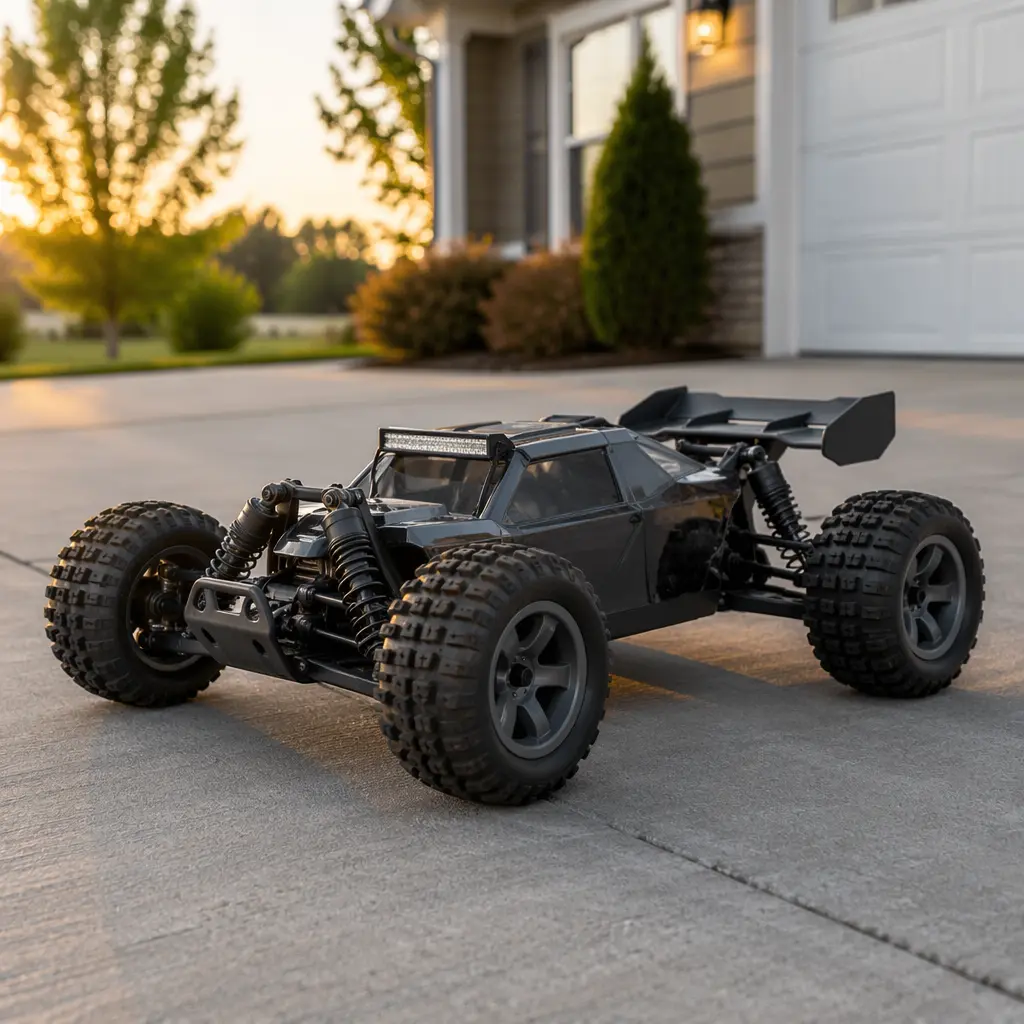
- RC buggies: Lightweight and easy to control on dirt or pavement
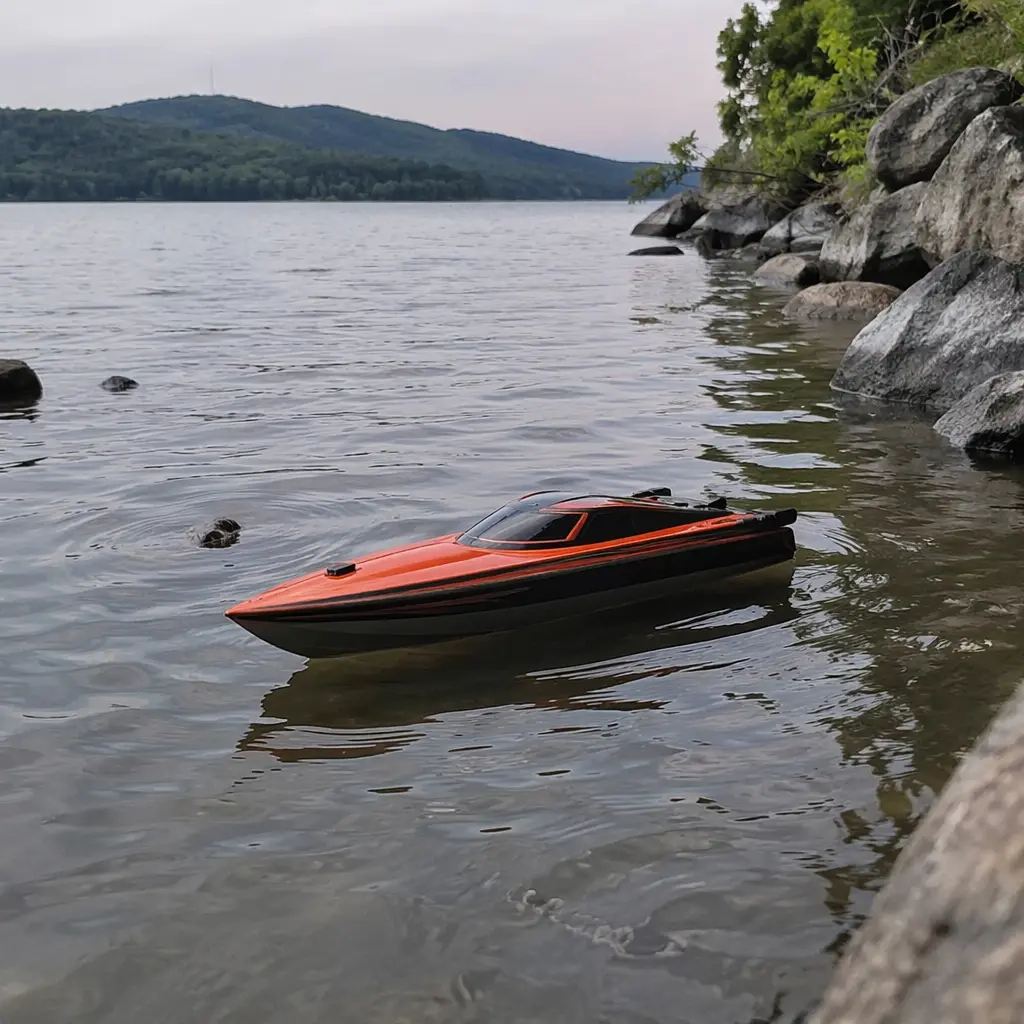
- RC boats: Good for teens near pools or lakes, especially self-righting designs
- Entry-level RC drones: Suitable if they include auto-hover, propeller guards, and speed limits
Frequently asked questions
Do beginner RC toys really last longer?
Beginner-focused RC toys are usually built with thicker materials and simpler mechanisms. While nothing is unbreakable, these designs are more forgiving of crashes and rough handling than advanced hobby models.
Are faster RC toys harder to maintain?
Higher speeds increase wear on motors, gears, and tires. Slower or speed-limited RC toys reduce stress on parts, which often means fewer repairs and longer overall lifespan.
What kind of batteries are easiest for teens?
Rechargeable battery packs designed specifically for the toy are usually easiest. Look for models with simple plug-in chargers and clear charging indicators to avoid confusion or misuse.
Do RC toys need regular maintenance?
Most beginner RC toys only need light maintenance, such as wiping off dirt, checking for loose parts, and charging batteries correctly. This basic care helps prevent bigger problems later.
Beginner RC toys for teens can be both exciting and low-stress when chosen carefully. By focusing on durability, manageable speed, and simple controls, parents can find options that encourage learning and fun without turning into a constant repair job.