Offline Electronic Logic Toys for Ages 9–12
A parent-focused guide to electronic toys that teach logic and problem-solving for ages 9–12—without apps, Wi‑Fi, or screens. Learn what to look for, age fit, and common questions.
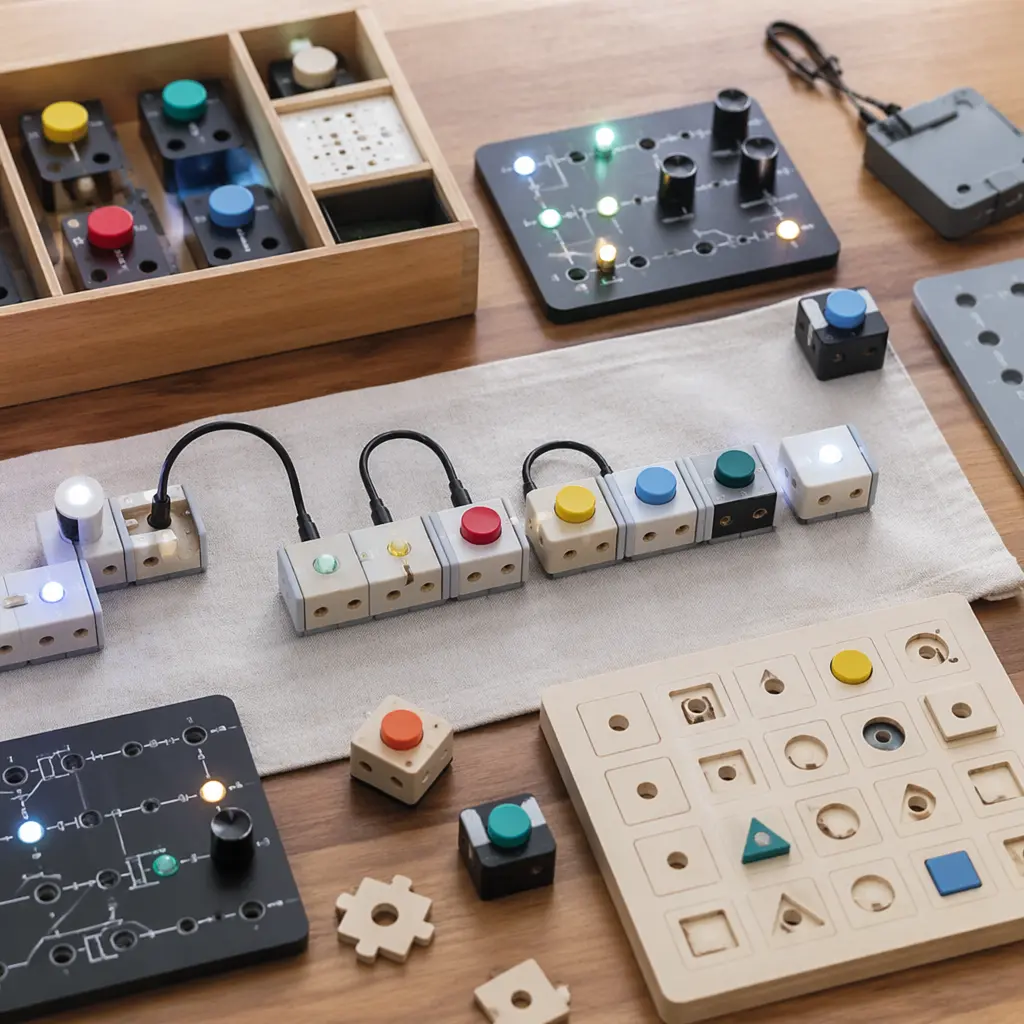
Compare prices and availability
Check current prices and availability for this guide on eBay.
As an eBay Partner, we may be compensated if you make a purchase.
Many parents want toys that feel modern and tech-inspired without adding more screen time. Offline electronic logic toys aim to fill that gap. They use real electronic components—like circuits, sensors, and programmable-style inputs—to build reasoning, sequencing, and problem-solving skills, all without apps or internet access. For kids ages 9–12, these toys can feel grown-up and gadget-like while still being hands-on and play-driven.
What to look for
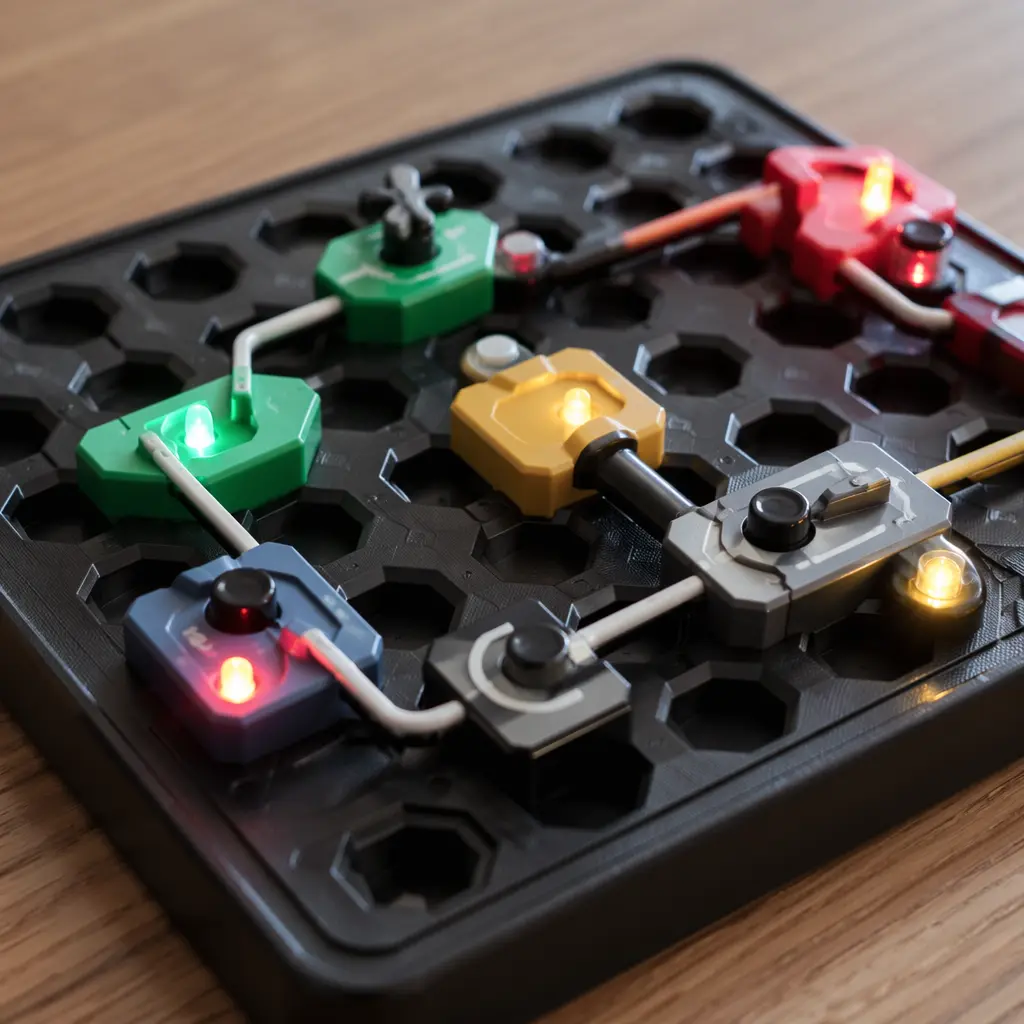
Not all electronic toys teach logic in the same way. Some focus on basic circuitry, while others emphasize step-by-step reasoning or coding-style thinking. For this age group, the best options balance challenge, clarity, and replay value—without requiring a screen to explain everything.
- Clear cause-and-effect: Actions like flipping a switch or completing a circuit should produce an immediate, visible result.
- Progressive challenges: Look for toys that start simple and gradually introduce more complex logic or rules.
- Independent play design: Instructions and challenges should be usable without adult setup every time.
- Durable components: Wires, connectors, and boards should handle repeated assembly and disassembly.
- Open-ended use: Beyond fixed puzzles, the toy should encourage experimentation and creative problem-solving.
Age suitability
Ages 9–12 is a wide developmental range. Younger kids in this band may still be building confidence with abstract thinking, while older kids often want deeper challenges that feel closer to real-world technology. Toys labeled for this range should avoid feeling babyish, but they also shouldn’t assume prior electronics knowledge. The best designs allow kids to succeed early, then stretch their skills through more complex logic paths, multi-step solutions, or optional advanced challenges.

Standout categories or types
Offline electronic logic toys tend to fall into a few broad categories. Each supports logic-building in a slightly different way, so the right fit depends on how your child likes to think and play.
- Circuit-building kits: Focus on understanding electrical flow, switches, and outputs through hands-on assembly.
- Logic puzzle boards: Present challenges that require correct sequencing, signal routing, or condition-based solutions.
- Coding-without-screens toys: Use physical buttons, cards, or blocks to teach programming-style logic and debugging.
- Strategy-based electronic games: Combine rules, logic, and electronic feedback to reward correct decisions.
Across these types, parents often appreciate toys that provide feedback through lights, sounds, or motion instead of digital displays. This keeps the experience tactile and focused, while still delivering the excitement kids expect from electronic play.
Frequently asked questions
Are offline electronic toys still educational without screens?
Yes. Many core logic skills—like sequencing, conditional thinking, and problem decomposition—can be taught through physical interaction. In some cases, removing screens helps kids focus more deeply on the underlying concepts instead of visual distractions.
Do these toys replace coding apps or classes?
They don’t replace formal coding instruction, but they can build a strong foundation. Physical logic toys often introduce the same thinking patterns used in coding, making later digital learning easier and less intimidating.
How much adult involvement is needed?
Most toys in this category are designed for independent play after initial setup. Younger kids may need help reading instructions or understanding early challenges, but ongoing supervision is usually minimal.
Will kids lose interest without a screen?
Interest depends on challenge and variety. Toys with multiple difficulty levels, open-ended building, or reusable challenges tend to hold attention longer than one-solution puzzles.
Offline electronic logic toys offer a middle ground between traditional building toys and fully digital experiences. For families looking to encourage logical thinking without more screen time, these toys can feel current, engaging, and educational—all while keeping play hands-on and interactive.