Beginner Electronic Toys That Teach Real Skills
A buyer-focused guide to beginner electronic toys for ages 9–12 that build real skills like coding, circuitry, and problem-solving—without relying on lights and noise.
Compare prices and availability
Check current prices and availability for this guide on eBay.
As an eBay Partner, we may be compensated if you make a purchase.
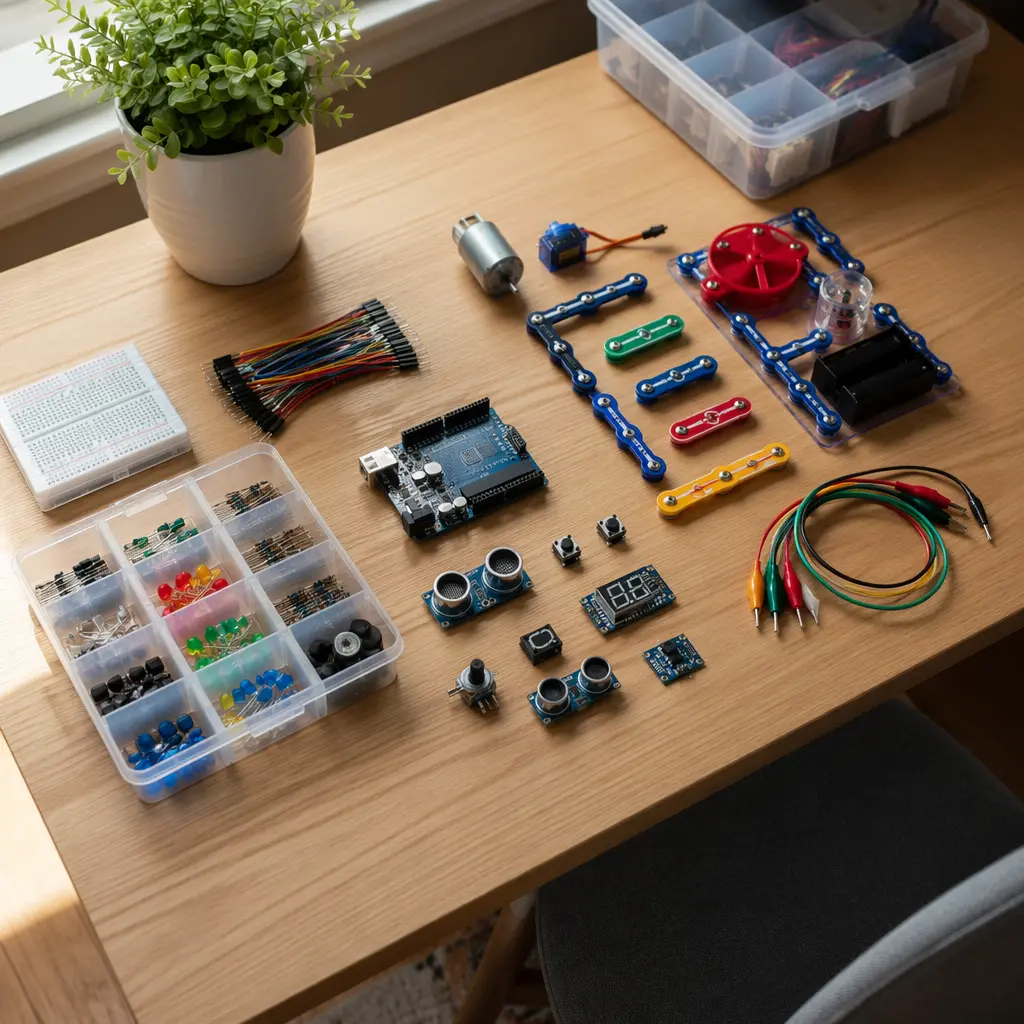
Electronic toys for older kids don’t have to be flashy or noisy to be engaging. For ages 9–12, the best beginner electronics focus on hands-on building, clear cause-and-effect, and skills that transfer to real-world learning. These toys introduce concepts like circuits, sensors, logic, and basic coding in ways that feel more like problem-solving than passive play. This guide looks at what actually helps kids learn—and what to look for when choosing an electronic toy that grows with them.
What to look for
Not all electronic toys teach the same kinds of skills. Some are closer to gadgets, while others act as true learning tools. For this age range, look for toys that encourage experimentation, explain what’s happening, and allow kids to make mistakes and try again. Clear instructions matter, but so does flexibility once the basics are learned.
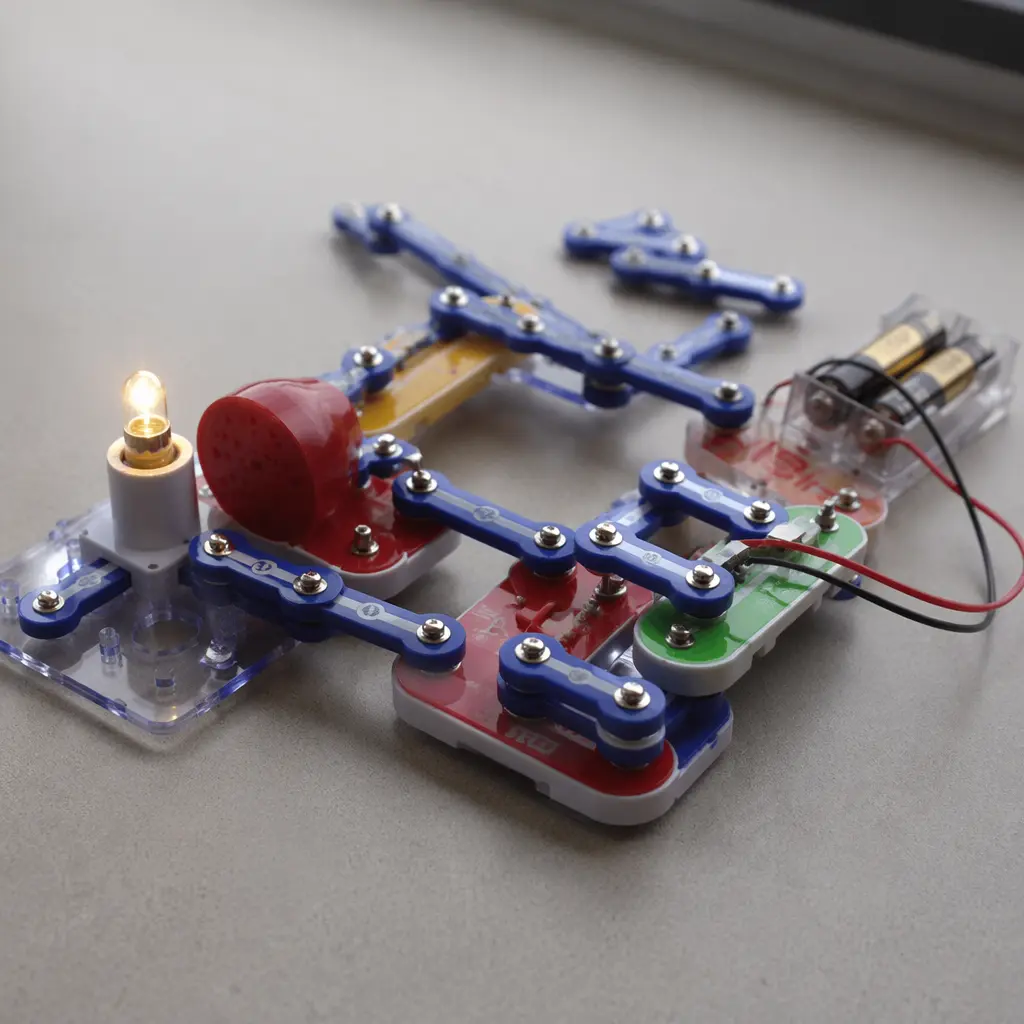
- Hands-on building: Kids should connect parts, wire components, or assemble modules themselves.
- Visible cause and effect: Lights, motors, or sounds should clearly respond to changes the child makes.
- Progressive challenges: Activities that start simple and gradually introduce harder concepts.
- Real components or realistic simulations: Circuits, sensors, or code blocks that mirror how electronics actually work.
- Open-ended play: The ability to create custom projects beyond step-by-step instructions.
Age suitability
For ages 9–12, electronic toys should strike a balance between approachability and depth. Kids in this range can usually follow multi-step instructions, read diagrams, and understand basic abstract ideas like signals or logic. Toys that are too simple may feel repetitive, while advanced kits with tiny parts or dense manuals can be frustrating. Look for options labeled for upper elementary or middle school, and check whether adult help is expected at the beginning. A good fit should feel challenging but achievable after a short learning curve.
Standout categories or types
Beginner electronic toys tend to fall into a few broad categories, each emphasizing different skills. Choosing the right type depends on whether your child is more interested in building, experimenting, or coding.
- Circuit-building kits: Focus on understanding electricity, switches, and components through snap or plug-in parts.
- Intro coding kits: Use visual programming or simple text-based code to control lights, sounds, or motors.
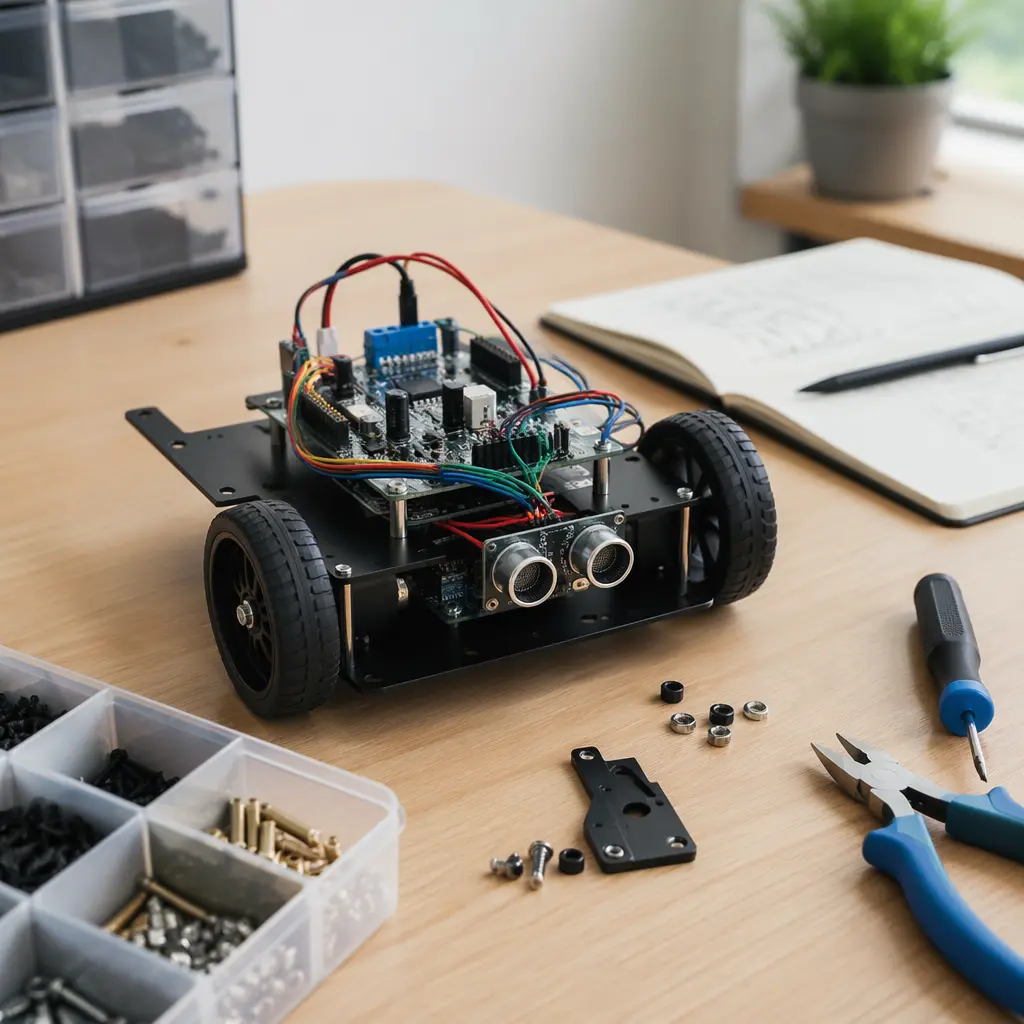
- Robotics starters: Combine mechanics and electronics, often introducing sensors and basic automation.
- Experiment-focused labs: Encourage testing and discovery through guided experiments and challenges.
- Modular electronics sets: Allow parts to be reused across many projects, supporting long-term exploration.
Many families find value in toys that blend more than one category, such as building a simple device and then programming how it behaves. These hybrid approaches often keep kids engaged longer and show how different skills connect.
Frequently asked questions
Do electronic toys really teach useful skills?
When designed well, yes. Beginner electronic toys can teach foundational skills like logical thinking, problem-solving, and basic engineering concepts. Many also introduce early coding ideas that connect to school subjects and future learning.
Is prior experience required?
Most beginner kits are designed for kids with no prior electronics background. Clear instructions and guided activities help newcomers get started, while optional challenges support kids who want to go further.
How much adult help is needed?
This varies by toy. Some kids can work independently after initial setup, while others benefit from occasional help reading diagrams or troubleshooting. Early involvement can make the experience smoother and more rewarding.
Are these toys better than screen-based learning apps?
They serve different purposes. Hands-on electronic toys add physical interaction and real-world feedback, which many kids find more engaging and easier to understand than purely on-screen activities.
Beginner electronic toys that focus on real skills can be a strong addition to a child’s learning environment. By prioritizing hands-on building, clear explanations, and room to grow, parents can choose toys that encourage curiosity and confidence—not just short-term excitement.