Loona Robot Pet for Apartment Families: What to Expect
A parent-focused guide to the Loona robot pet for apartment living, including charging noise, floor-space needs, app setup, privacy settings and realistic independent play value.
Compare prices and availability
Check current prices and availability for this guide on eBay.
As an eBay Partner, we may be compensated if you make a purchase.
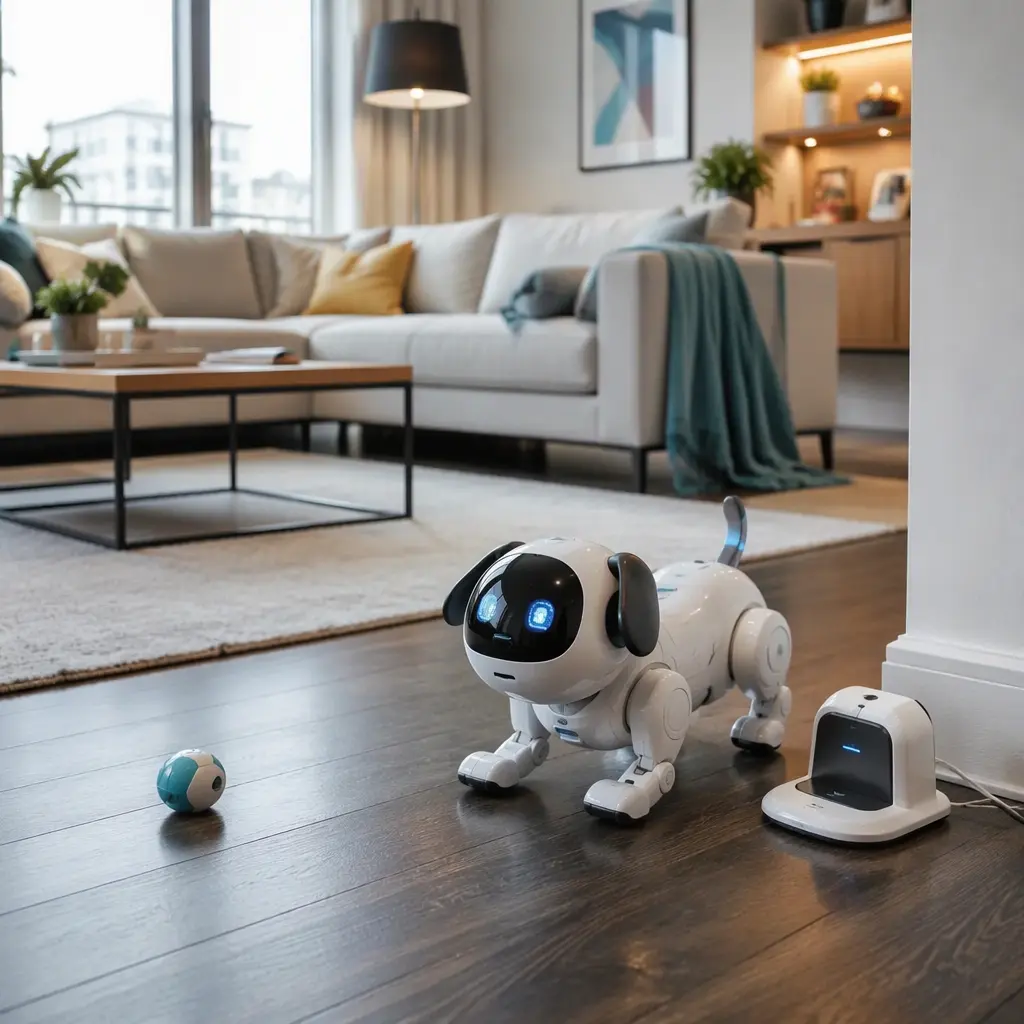
The Loona robot pet is designed as an interactive companion rather than a traditional remote-control toy. It combines movement, cameras, microphones and app-connected features to create a pet-like experience with games, reactions and voice interaction. For apartment families, the appeal is usually the promise of playful company without the space, mess or long-term responsibility of a real pet. The trade-off is that Loona behaves more like a small connected device than a simple toy. Families should expect setup time, regular charging, app management and a level of supervision similar to other internet-connected electronics aimed at children.
What to look for
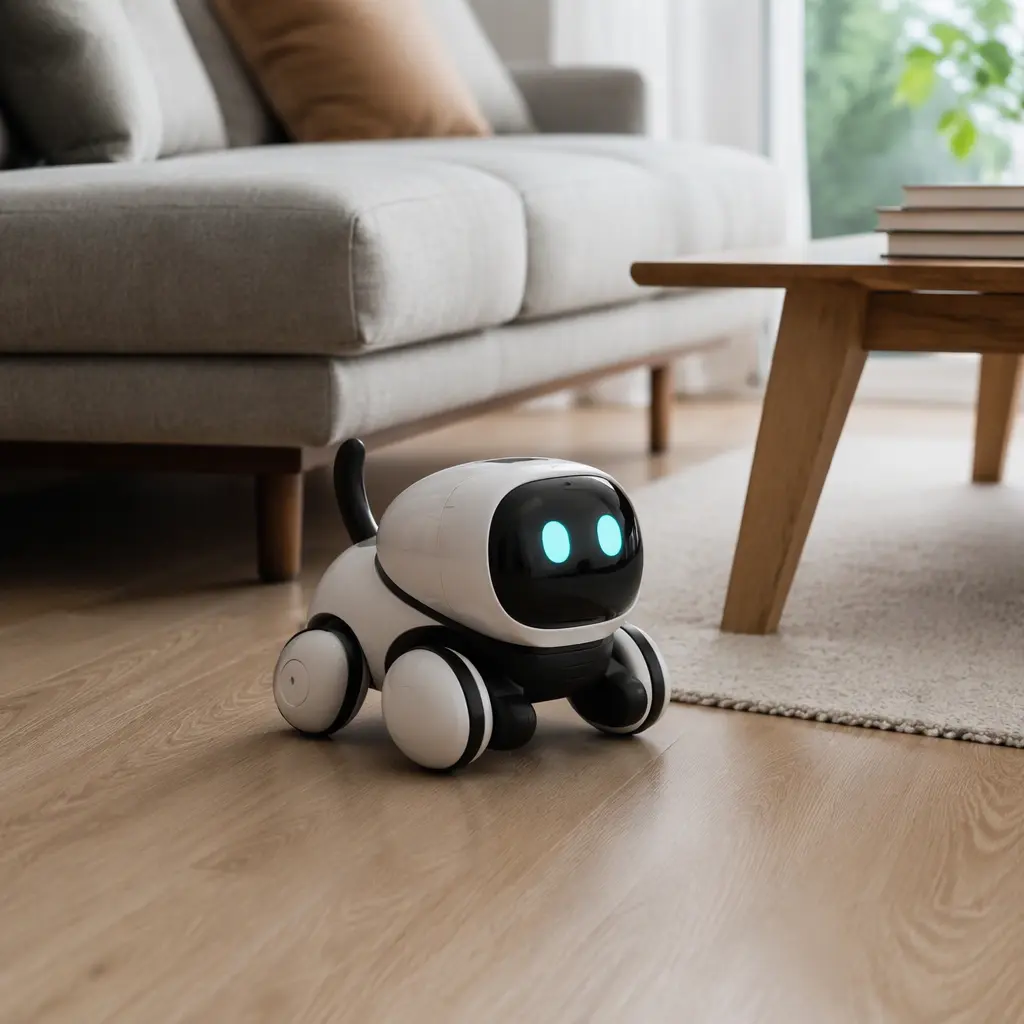
For apartment use, the most important factors are noise, available floor space and how much of the experience depends on the companion app or cloud services. Loona is built around movement and interaction, so cramped rooms with many cables, rugs or furniture edges may limit how smoothly it works. Families expecting long periods of fully independent play may also need to adjust expectations. Most children in the 6–8 age range still benefit from guided activities, especially during the first weeks of ownership.
- Check whether your home has clear hard-floor space for movement, as thick rugs and clutter can interfere with navigation.
- Expect some mechanical wheel and motor noise during movement and charging, especially in small apartments or shared bedrooms.
- Look into the app requirements before buying, including device compatibility, account setup and whether internet access is needed for key features.
- Review microphone and camera privacy controls in the app, including permissions, mute options and data-sharing settings.
- Consider how often an adult will need to help with charging, updates, Wi-Fi reconnection or troubleshooting.
- Think about storage space when the robot is not in use, including access to its charging dock and cables.
- Check whether the toy still offers meaningful offline play if cloud services or app support change over time.
Age suitability
The 6–8 age range is generally a better fit for connected robot pets than preschool ages because children are more able to follow setup instructions, understand charging routines and interact with app-based features. Even so, most children will still need occasional adult help with updates, permissions and connection issues. Children who enjoy pretend pet care, simple coding-style interactions or conversational play may stay interested longer than children who mainly prefer fast-paced action toys. Loona may be less suitable for households seeking quiet independent play, since many interactions rely on sounds, movement and repeated engagement rather than calm background companionship.
Options compared
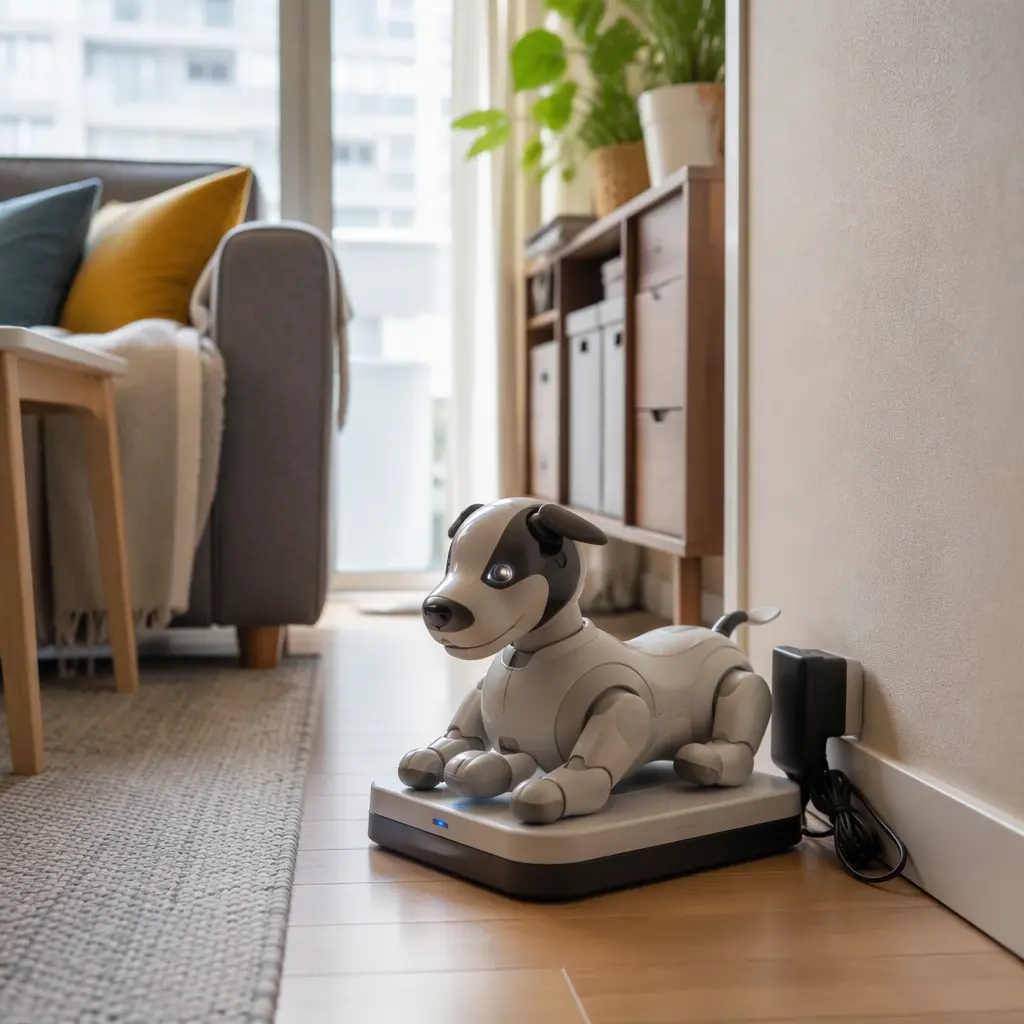
Loona sits between a simple animatronic pet and a more advanced AI-style companion device. Traditional animatronic pets usually respond with preset sounds and movements but do not rely heavily on apps, cameras or cloud systems. They are often easier for younger children, quieter to manage and less dependent on software updates. Loona adds more responsive behavior, navigation and interactive features, but that extra complexity also means more setup and more ongoing maintenance for parents.
Compared with screen-based entertainment, a moving robot pet can encourage more physical interaction around the room. Children may create obstacle courses, practice commands or invent pretend scenarios. However, the independent play value can vary widely between children. Some children treat robot pets as a long-term companion, while others return mainly for short novelty sessions after the first few weeks. Apartment families should also consider neighbor noise and floor vibration. Small robotic wheels and playful sound effects may seem louder in compact homes than they would in larger houses.
- Best for children interested in robots, gadgets, interactive pets and conversational play.
- Works better in homes with reliable Wi-Fi and enough clear floor space for movement.
- Less ideal for families trying to minimize connected devices or app-managed toys.
- May frustrate children who expect a fully autonomous companion with human-like conversation.
- Better suited to shared family spaces than quiet bedrooms due to charging and movement noise.
- Families wanting fully offline toys may prefer simpler electronic pets or non-connected robotic kits.
Frequently asked questions
Does Loona work without the app?
Some basic interactions may still function after setup, but many connected robot pets depend on apps for configuration, updates and feature access. Parents should expect at least occasional app use even if the child mainly plays away from the screen.
Is the charging dock noisy in an apartment?
The main sounds usually come from movement, wheel adjustments and docking behavior rather than from the charger itself. In small apartments, these sounds can carry more than expected, especially on hard floors or during evening play.
How much supervision does a child need?
Most children aged 6–8 can handle basic daily interactions independently, but adults will probably need to assist with Wi-Fi setup, charging routines, permissions and software updates. Younger siblings should also be supervised around moving robotic toys.
Are privacy settings important for robot pets?
Yes. Connected toys with cameras or microphones collect more information than ordinary electronic toys. Parents should review manufacturer privacy policies, account controls and microphone or camera permissions before regular use.
Can Loona replace a real pet?
For most families, robot pets work better as a playful gadget than as a substitute for animal companionship. They can encourage interaction and routine, but they do not provide the emotional responsiveness or long-term relationship of a real pet.
Loona can suit apartment families that want a more interactive robotic experience than a standard electronic toy provides, especially for children interested in technology and playful experimentation. The strongest buying decision factors are not usually the robot’s tricks themselves but the practical realities around them: floor space, charging habits, app management, privacy comfort levels and tolerance for mechanical noise. Families expecting a low-maintenance offline toy may prefer simpler alternatives, while families comfortable with connected devices may appreciate the more responsive and playful experience a robot pet can offer.