Poketomo Virtual Pets vs Tamagotchi Uni for Tweens
Comparing Poketomo virtual pets and Tamagotchi Uni for ages 9–12, including cloud features, subscriptions, school-friendliness, battery life and which option needs less parent troubleshooting.
Compare prices and availability
Check current prices and availability for this guide on eBay.
As an eBay Partner, we may be compensated if you make a purchase.
Virtual pets are back in a big way with tweens, but the latest versions are no longer just simple keychain toys. Devices such as the Tamagotchi Uni add Wi‑Fi features, downloadable content and online events, while newer app-linked virtual pets such as Poketomo-style companions lean further into connected play and customization. For parents, the main buying decision is less about nostalgia and more about how much setup, maintenance and screen-connected behavior you are comfortable managing. The differences matter for school use, privacy, subscriptions and how often an adult ends up troubleshooting accounts, updates or charging problems.
What to look for
Virtual pets aimed at ages 9–12 now sit somewhere between classic toy electronics and lightweight smart devices. Some are mostly self-contained, while others rely heavily on apps, cloud accounts or downloadable content. Before choosing one, it helps to decide whether you want a low-maintenance pocket toy or a connected hobby that may need occasional parental involvement.
- Check whether the toy works fully offline or needs regular internet access for key features.
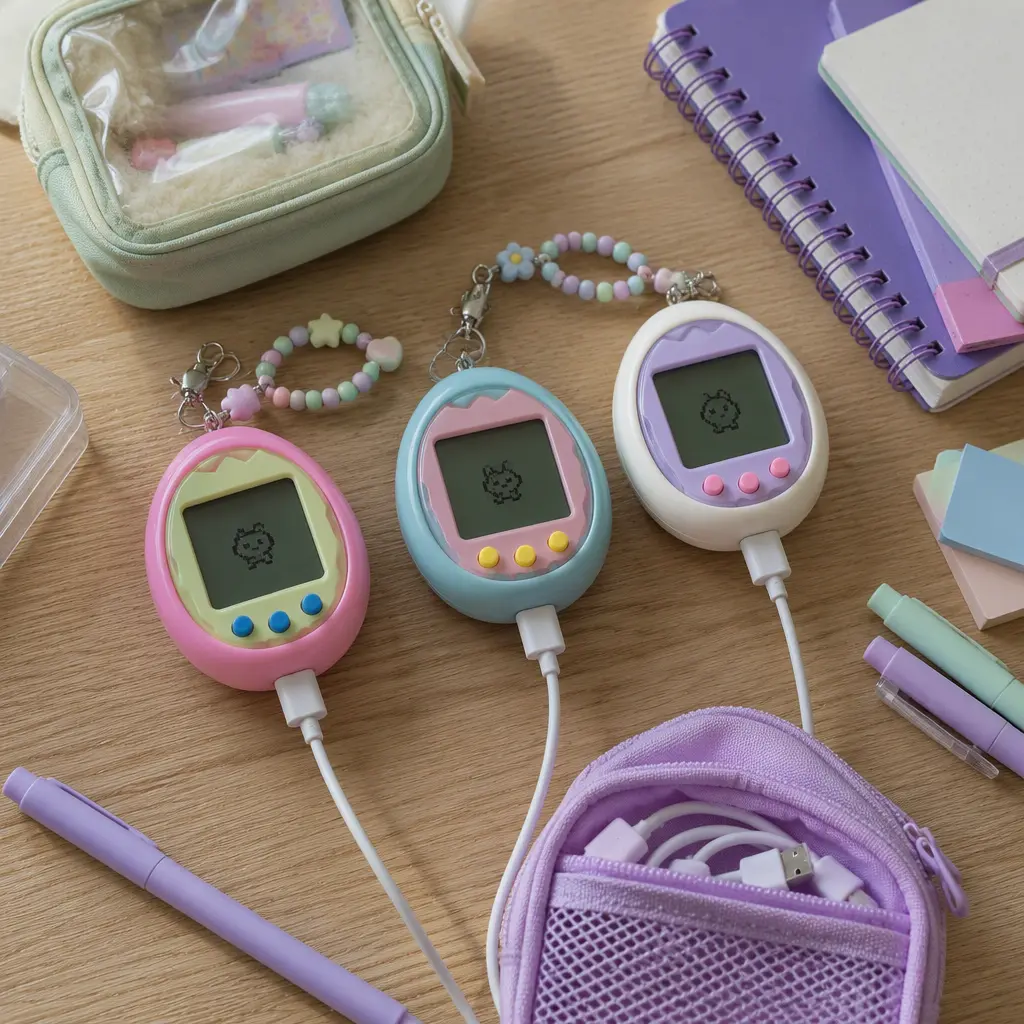
- Look at charging and battery expectations. Rechargeable devices reduce battery waste but may need more frequent charging reminders.
- Consider school-friendliness. Quiet buttons and quick check-ins are easier to manage than toys with loud sounds, voice features or constant notifications.
- Review account requirements carefully. Some connected toys require app logins, region-specific stores or linked parent accounts.
- Look for clear parental controls or privacy information if microphones, messaging or online sharing are included.
- Factor in ongoing costs such as downloadable items, subscriptions, digital currencies or limited-time event content.
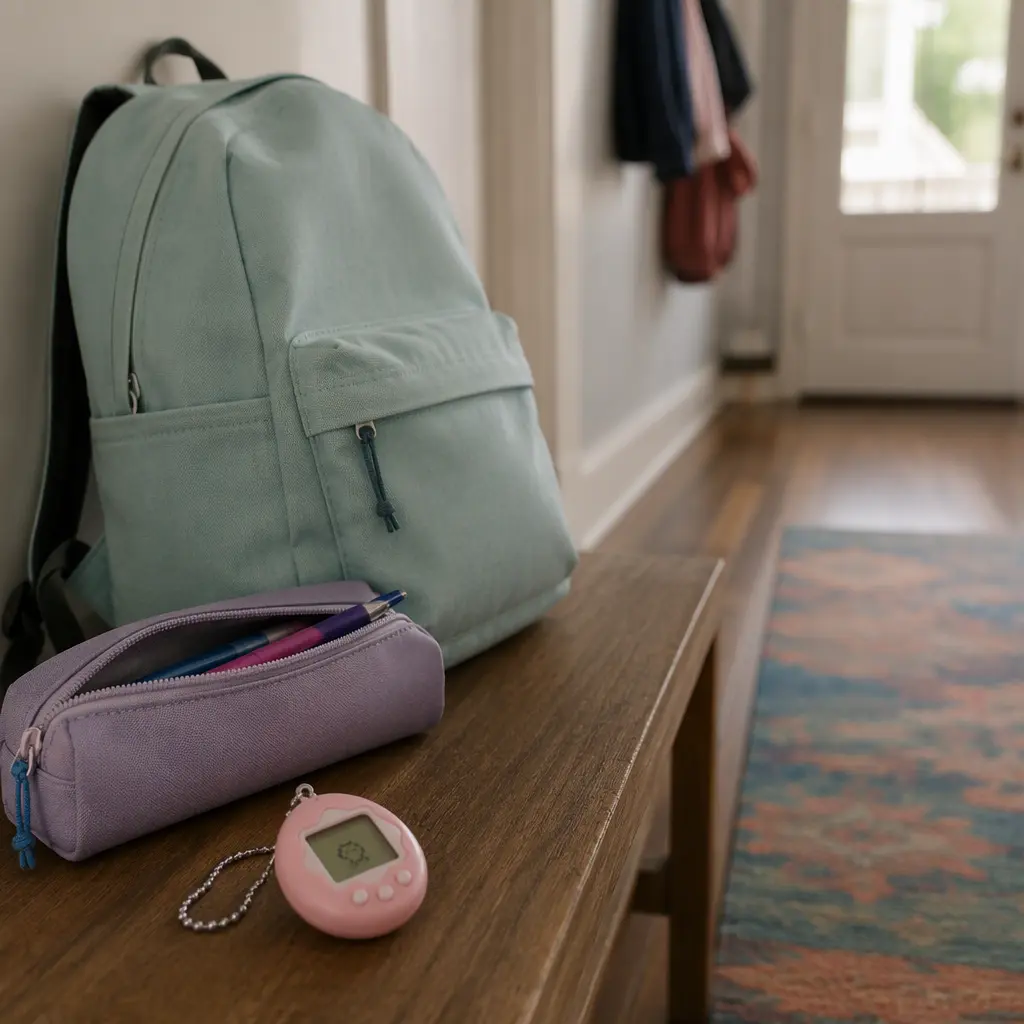
- Think about durability and storage. Slim handheld devices fit pockets more easily, but glossy screens may scratch without a case.
Age suitability
For ages 9–12, both Tamagotchi Uni and Poketomo-style connected pets generally fit best for children who enjoy routine collecting, customization and short daily interactions rather than long gaming sessions. Tweens who already manage a simple smartwatch or handheld gadget independently will usually adapt quickly. Children who become frustrated by charging schedules, app passwords or software updates may prefer a more traditional offline virtual pet instead. Parents should also consider whether the novelty of caring for a digital creature is likely to last beyond the first few weeks, especially when extra downloadable content is involved.
Options compared
Tamagotchi Uni is closer to a modernized version of the classic virtual pet formula. The focus remains on caring for a character through feeding, games and routines, but Bandai also adds Wi‑Fi connectivity for downloadable items, seasonal events and updates. Compared with older Tamagotchi generations, the Uni feels more connected without fully becoming a phone-dependent toy. That balance is important for families who want something mostly self-contained. A tween can usually pick it up and use it independently after the initial setup, and the core gameplay still works offline.
Poketomo-style virtual pets and similar connected companions often push further toward app integration and cloud features. Depending on the version, the experience may include friend interactions, expanded customization, unlockable digital items or companion apps. These connected features can make the toy feel fresher for longer, especially for children who enjoy social or collectible systems. The trade-off is that parents may spend more time dealing with account recovery, pairing issues, app compatibility or changes after software updates. Some connected toys also rely more heavily on cloud servers, which means certain features may become limited if support changes in the future.
- Choose Tamagotchi Uni if you want a simpler standalone device with lighter parent involvement and fewer app-related headaches.
- Choose a Poketomo-style connected pet if your tween enjoys customization, online events and app-connected features more than classic virtual pet routines.
- For school use, simpler offline-focused devices are usually easier to manage because they draw less attention and often produce fewer alerts.
- Families trying to limit subscriptions or ongoing digital purchases may prefer devices with a complete core experience out of the box.
- Children who already spend significant time on tablets or phones may benefit from a virtual pet that works mostly independently from mobile apps.
- Tech-confident tweens who enjoy updating devices and unlocking online content may get more long-term engagement from connected ecosystems.
Frequently asked questions
Do virtual pets need constant internet access?
Not always. Tamagotchi Uni can handle core pet-care gameplay offline, while some connected pet toys depend more heavily on apps or cloud features for events and customization. Parents should check whether the toy remains useful without regular Wi‑Fi.
Are there ongoing costs after buying the toy?
There can be. Some connected virtual pets offer downloadable accessories, seasonal content or optional purchases through companion apps. Even when subscriptions are not required, limited digital content can encourage extra spending over time.
Which option is easier for parents to troubleshoot?
A mostly self-contained device such as Tamagotchi Uni will usually require less troubleshooting than toys tied closely to apps or cloud accounts. Fewer logins and fewer device compatibility issues generally mean fewer support problems at home.
Are connected virtual pets appropriate for school?
That depends on school policies and the individual device. Small virtual pets can become distracting if they produce alerts or encourage constant check-ins. Simpler models with muted sound settings tend to fit school environments more easily.
How long do manufacturers support connected features?
Support timelines vary. Features that rely on servers, apps or online stores may change over time, especially if a product becomes older. Parents who want a toy with long-term reliability may prefer one that still functions well offline.
For most families choosing between these two styles of virtual pet, the key difference is how connected you want the experience to be. Tamagotchi Uni generally suits households looking for a lower-maintenance electronic toy with some modern online extras, while Poketomo-style connected pets appeal more to tweens who enjoy ongoing digital content and app-linked interaction. Thinking through internet dependence, ongoing costs and how much adult troubleshooting you are willing to handle will usually narrow the decision quickly.